Thanksgiving Stuffing: the Essential Recipe for Sausage, Apple, and Crispy Sage
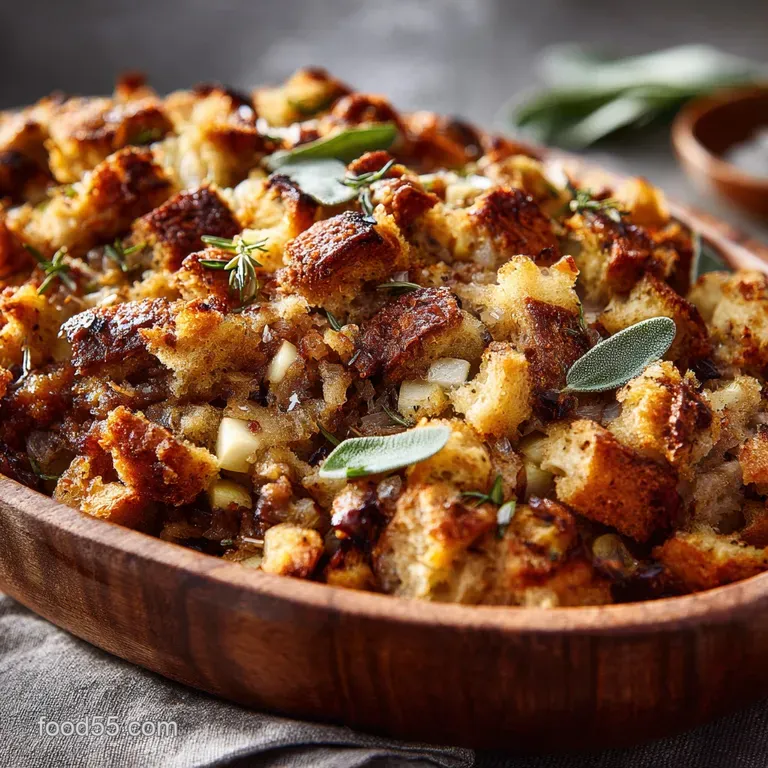
- The Essential Thanksgiving Stuffing Recipe: Sage, Sausage, and Apple Perfection
- The Science of Perfect Stuffing: Texture and Flavor Harmony
- Ingredients for the Ultimate Thanksgiving Stuffing (and Smart Swaps)
- The Method: How to Assemble and Bake Golden-Crusted Stuffing
- Expert Chef's Tips and Troubleshooting Common Stuffing Errors
- make-ahead Prep, Storage, and Freezing Guide for Thanksgiving Stuffing
- What to Serve Alongside This Savory Apple and Sausage Dressing
- Recipe FAQs
- 📝 Recipe Card
The Essential Thanksgiving Stuffing Recipe: Sage, Sausage, and Apple Perfection
The scent of this stuffing baking? It’s pure, distilled holiday magic, I swear. It fills every corner of the house with that incredible mix of toasted bread, rich sage, and sweet, warming apple notes.
Honestly, if Thanksgiving had a perfume a very buttery, herbaceous one this classic stuffing would absolutely be it.
People think Thanksgiving stuffing is complicated, but it’s actually the ultimate make-ahead dish. You do all the heavy lifting the day before, leaving you stress free to manage the turkey and the inevitable family drama on Thursday.
Plus, this Easy Stuffing Recipes For Thanksgiving uses pantry staples and tastes a million times better than anything that comes pre-dried in a box.
We are diving deep into the secrets for that elusive crispy top and a beautifully moist, flavorful interior. We're using savory pork sausage, tart Granny Smith apples, and a generous measure of fresh herbs, making this the very best Thanksgiving stuffing with sausage recipe you’ll ever make. Let’s crack on!
The Science of Perfect Stuffing: Texture and Flavor Harmony
Why Stuffing (or Dressing) is the Real Star of the Feast
Let's be real: no one truly needs another dry slice of turkey; we need the sides! Stuffing is the necessary textural counterpoint to the entire meal. It’s comforting, warm, and highly absorbent, which is perfect for catching all that glorious gravy that pours across the plate.
Balancing Sweet, Savory, and Herbaceous Flavors
Our flavour strategy here is absolutely key it’s all about layering. The sweet Italian sausage gives us the deep, savory base and incredible rendered fat. Tart Granny Smith apples cut through that richness with necessary acidity and a little crunch.
Then, the generous fresh sage and thyme shout "HOLIDAY" in the best way possible.
Overview of the Medium Difficulty Process
I’m calling this medium difficulty only because you must be incredibly precise about the bread dryness and the liquid ratio. It’s not complex cooking, just precise timing. Ignore that first bread drying step, and you end up with dense, stodgy mush, which no one wants.
Dry your bread properly, or we can’t be friends.
The Role of Pork Sausage Fat for Maximum Moisture
This step is non-negotiable for achieving rich, Classic Stuffing Recipes. When you brown the sausage, you drain off some of the excess grease, but we use the remaining, highly flavored fat to sauté the onions and celery.
This crucial step coats the aromatics in rich pork flavour before they ever touch the bread, guaranteeing an ultra moist result.
How Dried Bread Absorbs Broth Without Becoming Mushy
Stale bread is simply a sturdy sponge that retains its structure. If you skip the drying step, the soft interior of the bread collapses instantly when hit with warm stock. By drying the cubes completely, they maintain their shape while soaking up the liquid slowly, giving you that lovely, fluffy internal texture we crave.
Sage and Thyme: Creating that Signature Holiday Aroma
You must use fresh herbs if you can possibly swing it; the difference is absolutely massive for fragrance. The vibrant fresh sage and thyme ensure that signature holiday aroma permeates the entire dish.
Cook these fresh herbs briefly in the butter and sausage fat right before combining everything this wakes up their essential oils.
Ingredients for the Ultimate Thanksgiving Stuffing (and Smart Swaps)
Choosing the Right Bread: Sourdough vs. White Sandwich Loaf
I am obsessed with sourdough because its subtle tanginess provides an extra layer of complexity to the overall flavor profile. However, a plain, sturdy French loaf or even dense Challah works brilliantly too. The most important factor is sturdiness; if you want to explore deeper flavors, check out my recipe for Stuffing Recipe: Sourdough with Deep Caramelized Onions .
Best Practices for Staling Bread Cubes (Drying, Not Molding)
Cube the bread a full day in advance and leave it exposed on two large baking sheets. Air circulation is vital to prevent molding. If you're short on time, use the oven trick: bake the cubes at 300°F (150°C) for 15– 20 minutes until they are hard and sound hollow, but not deeply toasted.
Substituting Broth: Liquid Ratios for Ideal Moistness
Low-sodium chicken stock is my go-to choice, but quality turkey or vegetable stock is also totally fine. Always warm the stock slightly before adding it; using cold stock increases the likelihood of a dense, tough final product. Start with 3.5 cups, then add the remaining half cup only if the bread seems thirsty.
Fresh Herbs vs. Dried: Achieving Peak Fragrance
Seriously, try to get fresh sage; it makes all the difference. If you absolutely cannot find fresh herbs, use the standard 1:3 ratio: one teaspoon dried sage for every tablespoon of fresh.
Dried herbs should be rubbed vigorously between your palms before they are added to the warm butter, which releases their essential oils and fragrance.
| Ingredient to Substitute | Recommended Substitution | Notes |
|---|---|---|
| Sweet Italian Sausage | Ground Pork with Fennel Seeds | Add 1 tsp dried fennel seeds and extra seasoning for that Italian profile. |
| Granny Smith Apple | Dried Cranberries or Golden Raisins | Use 1/2 cup dried fruit; they won't offer the crunch but provide tart sweetness. |
| Chicken Stock | Water + Bouillon Paste | Great in a pinch; be careful, though, as bouillon is often high in sodium. |
| Unsalted Butter | Ghee or high-quality Margarine | Ghee offers incredible richness and a slight nutty flavor. |
The Method: How to Assemble and Bake Golden Crusted Stuffing
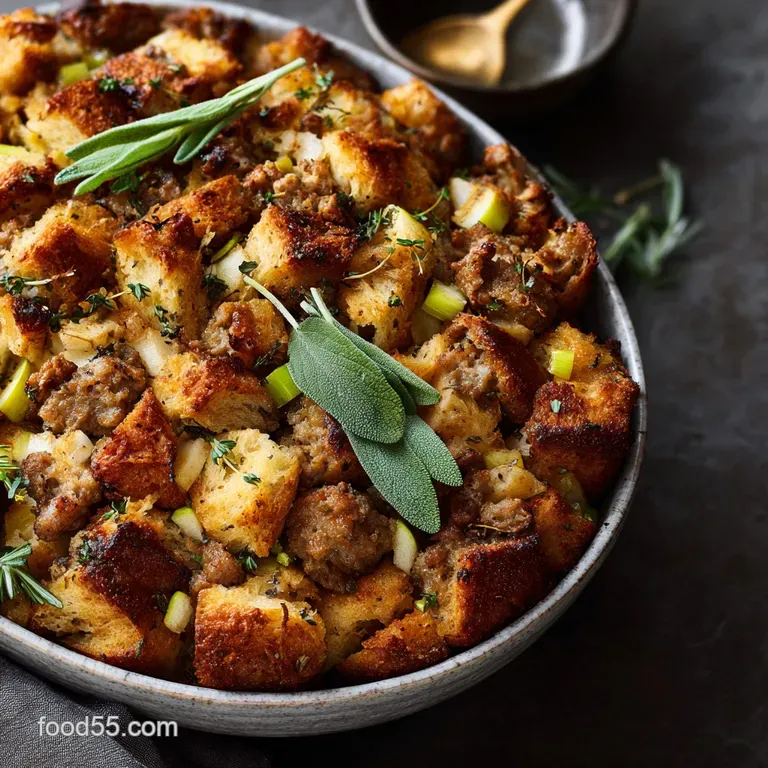
Sautéing the Aromatics and Sausage Base
Get that sausage properly browned and slightly crispy don't settle for gray meat. Once done, remove the sausage, but leave that flavorful rendered fat behind in the skillet. Add the rest of the butter and the onions/celery to that same pan.
That delicious browned residue (the fond) on the bottom is pure, concentrated flavor that deglazes beautifully into the butter and vegetables.
The Critical Step: Folding the Wet and Dry Ingredients
Be gentle here! Pour the warm stock/egg mixture slowly over the dried bread cubes and fold it just until everything is combined and looks evenly damp. Overmixing damages the crucial bread structure, immediately leading to that dreaded mush.
You want the bread wet, but definitely not swimming; check the bottom of the bowl for any visible puddle of stock.
Achieving the Crispy Top vs. Moist Interior Balance
The cover then-uncover method is your secret weapon for the ultimate Buttery Stuffing Recipes. Baking covered for the first 30 minutes traps steam, ensuring the centre cooks through and remains perfectly moist.
Removing the foil and increasing the heat for the last 15 minutes is what gives you that deep brown, crunchy crust everyone fights over at the table.
Expert Chef's Tips and Troubleshooting Common Stuffing Errors
Fixing Overly Dry or Soggy Stuffing Before Baking
This is where people usually fail, but don't panic! If your stuffing looks dry after resting, slowly add more warm stock until it achieves a damp, cohesive look it’s easier to add liquid than take it away.
If it's too wet (soggy), you can gently stir in 1/2 cup of plain breadcrumbs or, better yet, a couple of extra beaten eggs, which will bind and absorb excess moisture during the bake.
The Temperature Check: Ensuring the Stuffing is Safe to Eat
Because this recipe uses raw eggs and pork sausage, the internal temperature is absolutely mandatory, especially if you plan on using it as traditional stuffing (cooked inside the bird).
For guaranteed food safety, your Thanksgiving Stuffing Casserole must reach a minimum internal temperature of 165°F (74° C) . Stick a thermometer right into the centre of the dish to check.
Tips for Scaling This Recipe for Larger Crowds
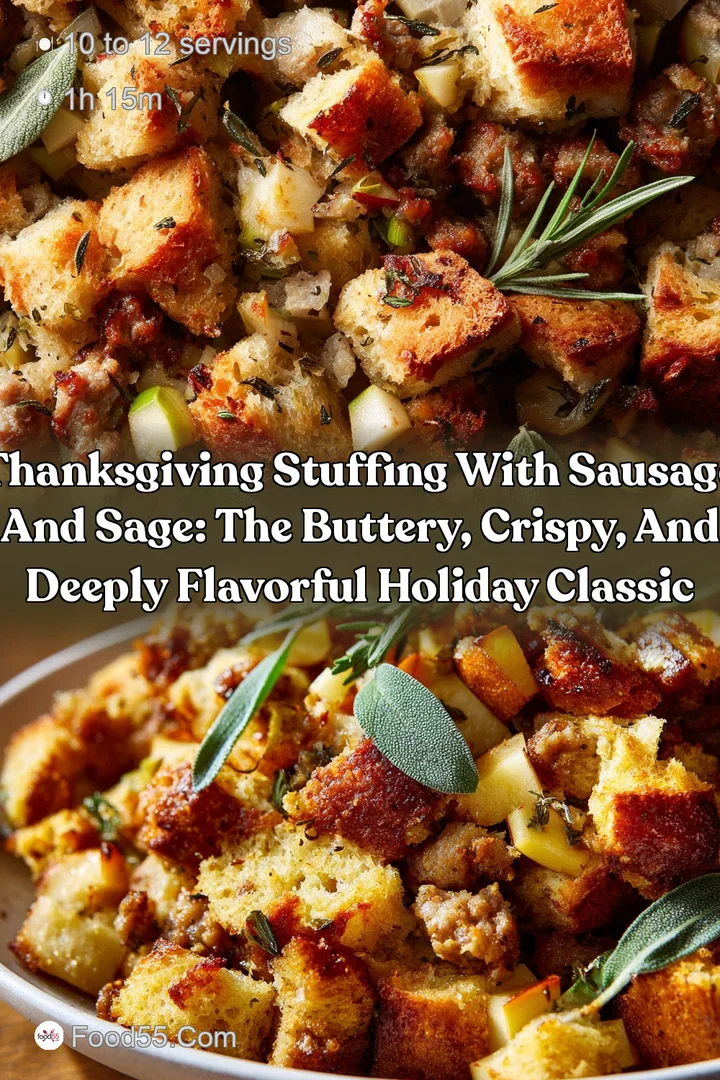
This recipe makes a generous 10 12 servings in one 9x13 pan. If you double the recipe, please use two separate, standard sized baking dishes instead of trying to cram it all into one giant, deep dish. A deep dish bakes unevenly, guaranteeing a soggy middle and preventing the glorious crispy edges from forming.
Chef's Note: I once tried to shortcut the fat process by melting all the butter and tossing it straight onto the bread before adding the stock. Disaster! The cold bread hardened the butter instantly, making the whole mixture taste waxy and preventing proper liquid absorption. Always cook the aromatics in the butter and rendered fat first!
make-ahead Prep, Storage, and Freezing Guide for Thanksgiving Stuffing
Preparing Stuffing Up to 24 Hours in Advance
Stuffing is the perfect component for your make-ahead plans! You can assemble the entire dish (complete all the steps up to mixing the wet ingredients and placing it in the pan) and then do not bake it . Cover it tightly and chill it in the fridge overnight. On Thanksgiving morning, let the pan sit on the counter for 30 minutes to take the chill off before baking as directed. If you want more tips on this, check out my guide on MakeAhead Thanksgiving Dressing for a Stress Free Holiday Feast .
Safely Storing and Reheating Leftover Thanksgiving Stuffing
Leftovers store beautifully and might even taste better the next day. Place fully cooled stuffing in an airtight container and keep it in the fridge for up to four days. To reheat, you can use the microwave for speed, but for maximum crispiness, reheat individual portions in a 350°F oven for 15 minutes, uncovered.
Freezing Baked Stuffing for Future Holiday Meals
But does it freeze well? You bet it does! Allow the fully baked and cooled stuffing to freeze whole or in individual portions for up to three months. Wrap it airtight (I love using aluminum foil plus a zip-top freezer bag) to prevent freezer burn.
Thaw it overnight in the fridge, then reheat covered until warm, uncovering for the final 10 minutes to crisp the top layer.
What to Serve Alongside This Savory Apple and Sausage Dressing
The perfect side dishes for a festive plate.
This rich, savory dressing pairs perfectly with anything needing a hearty counterpoint. I always serve it alongside a bright, tart Homemade Cranberry Sauce (the kind that practically snaps when you eat it) and, of course, plenty of mashed potatoes. Just make sure you have a boatload of gravy ready to literally drown this amazing Thanksgiving Stuffing in! If you're looking for more Thanksgiving stuffing options, my recipe for Thanksgiving Stuffing: Chefs Sourdough Recipe with Sage Sausage uses a similar flavor profile but focuses on high end sourdough crust.
Recipe FAQs
Why is my stuffing dry and crumbly?
Dryness usually results from insufficient moisture (broth) or overbaking. Ensure you use hot broth, as cold liquid can prevent the bread from fully absorbing the moisture needed to keep the dish tender.
If the edges begin to brown too quickly during baking, cover the dish tightly with foil for the remaining time to trap steam and prevent further drying.
My stuffing turned out too soggy and dense. How do I fix this?
Soggy stuffing often indicates too much broth or the use of soft, fresh bread that wasn't properly dried out beforehand. Make certain your bread cubes are thoroughly stale or toasted before mixing; they should feel firm, not soft and squishy.
If the mixture looks excessively wet before baking, let the mixture sit uncovered for about 20 minutes to allow some surface moisture to evaporate before placing it in the oven.
Can I prepare this stuffing ahead of time?
Yes, you can assemble the stuffing mixture (including sautéed vegetables, sausage, and bread) up to 24 hours in advance and store it covered in the refrigerator. Wait to add the chicken broth until about 30 minutes before you plan to bake it; this prevents the bread from breaking down excessively and ensures the final texture remains optimal.
I don't eat pork. What is a suitable substitute for the sausage?
Ground chicken or turkey sausage makes an excellent substitute, offering similar texture and fat content to carry the herbs and spices effectively. For a vegetarian option, you can sauté crumbled high-quality plant based ground meat or finely chopped mushrooms, ensuring you increase the amount of fresh sage and thyme slightly for flavor depth.
How do I ensure I get a wonderfully crispy top layer?
For the perfect contrast, bake the stuffing covered with foil for the first two-thirds of the cooking time to ensure the center stays moist and cooks through. Remove the foil for the last 15 to 20 minutes, which allows the surface to dry out and crisp up beautifully.
You can also lightly brush the exposed top layer with melted butter before the final uncovered bake.
How should I store leftover stuffing, and can I freeze it?
Store leftover stuffing in an airtight container in the refrigerator for up to 3 to 4 days, ensuring it is cooled quickly after serving. Stuffing freezes remarkably well; cool it completely, wrap it tightly or place it in a freezer safe bag, and freeze for up to three months.
Reheat the thawed stuffing covered with foil in the oven until fully warmed through, adding a splash of extra broth if needed for moisture.
Is it safe to cook this stuffing inside the turkey cavity?
For safety, most modern culinary experts recommend baking stuffing outside the bird, referring to it as "dressing." Stuffing cooked inside the cavity must reach an internal temperature of 165°F (74°C) to kill bacteria, which often means the rest of the turkey is overcooked.
Baking separately guarantees both safety and superior texture.
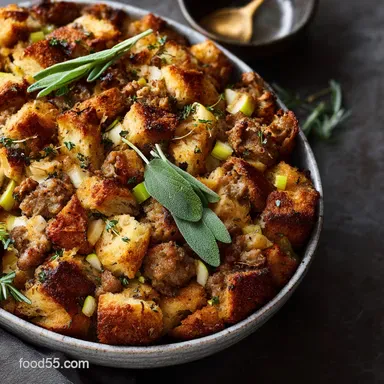
Classic Thanksgiving Stuffing With Sausage Sage
Ingredients:
Instructions:
Nutrition Facts:
| Calories | 475 calories |
|---|---|
| Fat | 28 g |
| Fiber | 3.5 g |
