Creamy Oven Baked Chicken Thighs
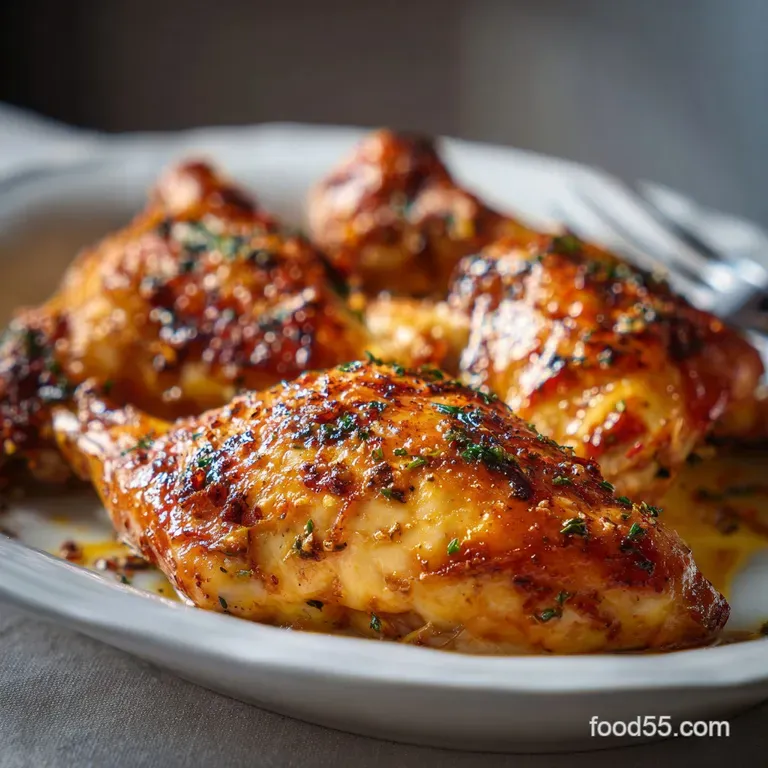
- Time: Active 15 minutes, Passive 35 minutes, Total 50 minutes
- Flavor/Texture Hook: Shatter crisp skin meets a velvety parmesan garlic gravy.
- Perfect for: A cozy Sunday supper or a weeknight meal that feels like a celebration.
- Creating Perfect Creamy Oven Baked Chicken Thighs
- Secrets to Searing and Velvety Pan Sauce
- Component Analysis and Pro Secrets
- Choosing the Best Chicken and Dairy Components
- Essential Kitchen Tools for Best Results
- Follow These Steps for Golden Juicy Results
- Solving Common Sauce and Texture Issues
- Creative Flavor Twists and Easy Ingredient Swaps
- Debunking Common Chicken Myths
- Storing Leftovers and Reducing Kitchen Waste
- Perfect Sides for Your Chicken Feast
- High in Sodium
- Creamy Oven Baked Chicken Thighs FAQ
- 📝 Recipe Card
Creating Perfect Creamy Oven Baked Chicken Thighs
There is something about the sizzle of chicken hitting a hot pan that instantly makes a house feel like a home. Whenever I have friends over, this is the dish I gravitate toward because it does the heavy lifting while we catch up over a glass of wine.
It is the ultimate tool for cultural exchange through food, bringing people together around a shared, steaming skillet.
I have spent years perfecting this balance. I used to struggle with chicken skin that turned flabby the second it touched the sauce, but I finally figured out the sequence that keeps the top crispy while the meat stays succulent.
It is about that contrast between the bright lemon zest and the deep, savory notes of the smoked paprika.
We are going to walk through the process together, from the initial sear to that final bubbling moment in the oven. This is not just a meal, it is an invitation to slow down and enjoy the simple joy of a well cooked plate.
Trust me, once you smell the garlic and thyme hitting the cream, you will understand why this is a staple in my kitchen.
Secrets to Searing and Velvety Pan Sauce
The Science of Why it WorksMaillard Reaction: over High heat searing reorganizes amino acids and sugars, creating hundreds of flavor compounds and that characteristic golden brown crust.
Emulsification: The Dijon mustard acts as a stabilizer, binding the heavy cream and chicken broth into a cohesive, silky sauce that won't break.
Chef's Tip
Freeze your Parmesan wedge for 10 minutes before grating. It prevents the cheese from clumping and creates a fine "snow" that melts instantly into the sauce without leaving oily streaks.
| Method | Time | Texture | Best For |
|---|---|---|---|
| Cast Iron Skillet | 35 minutes | Shatter crisp skin | Maximum flavor development |
| Stainless Steel | 40 minutes | Even browning | Easy cleanup and visibility |
| Glass Baking Dish | 50 minutes | Soft and tender | Beginner friendly, hands off |
Choosing the right method depends on your evening. While the cast iron gives you that incredible sizzle, a stainless steel pan makes it easier to see the color of the shallots so they don't burn. If you want to master the skin first, check out my How to Make recipe for more detail on that crunch.
Component Analysis and Pro Secrets
| Ingredient | Science Role | Pro Secret |
|---|---|---|
| Chicken Thighs | Fat/Protein | Bone in thighs act as an insulator, keeping meat juicy at high heat. |
| Heavy Cream | Fat/Emulsion | Use room temperature cream to prevent the sauce from curdling when hitting the pan. |
| Parmesan Cheese | Umami/Thickener | Always grate from a block; pre shredded cheese has cellulose that prevents melting. |
Choosing the Best Chicken and Dairy Components
- 2 lbs bone in, skin on chicken thighs: The bone provides flavor and prevents the meat from drying out. Why this? Essential for moisture retention during the 35 minutes bake time.
- 1 tsp Kosher salt: Enhances all other flavors.
- 0.5 tsp cracked black pepper: Adds a subtle heat.
- 1 tsp smoked paprika: Provides a woody depth and beautiful color.
- 1 tsp garlic powder: Distributes savory flavor evenly across the skin.
- 1 tbsp vegetable oil: A high smoke point oil is better than butter for the initial sear.
- 4 cloves garlic, minced: Freshness is key here.
- 1 small shallot, finely diced: Sweeter and milder than white onion.
- 1 cup heavy cream: This creates the velvety base.
- 0.5 cup low sodium chicken broth: Thins the sauce slightly so it doesn't become a paste.
- 1 tbsp Dijon mustard: Adds a sharp tang to cut through the richness.
- 0.5 cup freshly grated Parmesan cheese: Adds saltiness and body.
- 2 sprigs fresh thyme: Earthy notes that pair perfectly with cream.
- 1 tsp lemon zest: This is the "bright" contrast that wakes up the whole dish.
| Original Ingredient | Substitute | Why It Works |
|---|---|---|
| Heavy Cream | Full fat Coconut Milk | Similar fat content. Note: Adds a subtle tropical nuttiness to the sauce. |
| Shallot | Yellow Onion | Onion is more pungent but provides a similar aromatic foundation. |
| Fresh Thyme | Dried Thyme | Use 1/3 of the amount; it is more concentrated but lacks the floral finish. |
This recipe relies on the balance of rich dairy and bright acid. It reminds me of the technique used for the filling in my How to Bake recipe, where the creaminess is the star of the show.
Essential Kitchen Tools for Best Results
You don't need a professional kitchen, but a few specific items make a world of difference. A heavy bottomed skillet is your best friend here.
- Large Oven Safe Skillet: I prefer a 30cm cast iron skillet. It holds heat beautifully and goes straight from the stove to the oven.
- Instant Read Meat Thermometer: This is the only way to be 100% sure your chicken is safe and juicy.
- Microplane: Perfect for that lemon zest and the Parmesan snow we talked about.
- Tongs: You need a good grip to flip the thighs without tearing the skin.
Follow These Steps for Golden Juicy Results
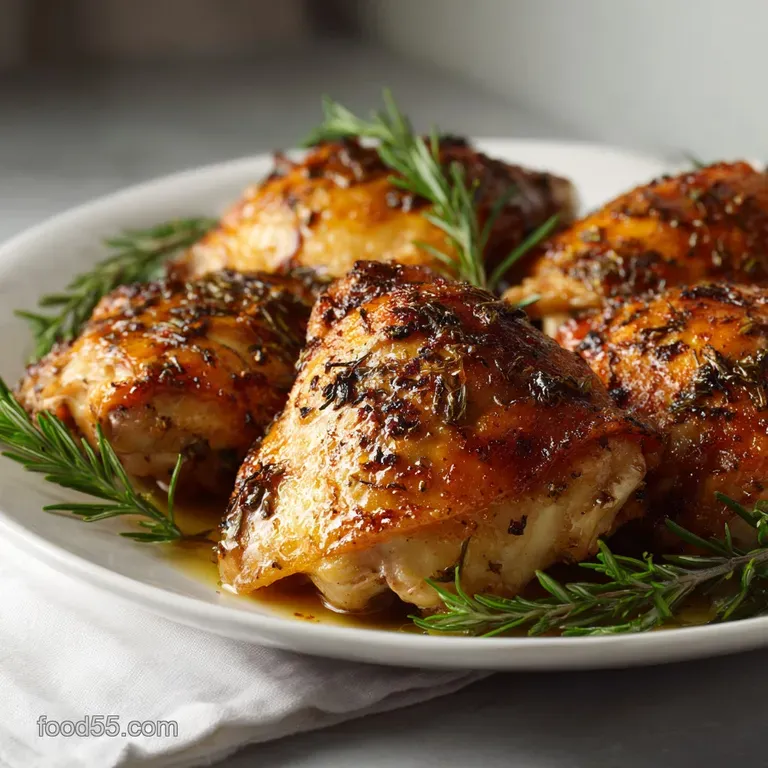
- Prep the chicken. Pat the 2 lbs of chicken thighs completely dry with paper towels. Note: Moisture is the enemy of crispy skin.
- Season thoroughly. Combine the salt, pepper, smoked paprika, and garlic powder, then coat the chicken on all sides.
- Heat the oil. Add 1 tbsp vegetable oil to your skillet over medium high heat until it shimmers and wisps of smoke appear.
- Sear the skin. Place chicken skin side down. Cook for 5-7 minutes until the skin is golden and shatters when pressed.
- Flip and sear. Turn the pieces over and cook for another 2 minutes, then remove the chicken to a plate.
- Sauté aromatics. Lower heat to medium. Add the diced shallot and 4 cloves minced garlic. Cook for 2 minutes until fragrant and translucent.
- Deglaze the pan. Pour in the 0.5 cup chicken broth, scraping the bottom of the pan to release the brown bits (the fond).
- Build the sauce. Whisk in 1 cup heavy cream, 1 tbsp Dijon mustard, 0.5 cup Parmesan, and 1 tsp lemon zest.
- Combine and bake. Nestled the chicken back into the sauce, keeping the skin above the liquid. Bake for 20-25 minutes until the internal temperature hits 165°F (74°C).
- Rest before serving. Let the pan sit for 5 minutes. The sauce will thicken into a silky gravy as it cools slightly.
Solving Common Sauce and Texture Issues
Why is my sauce oily?
This usually happens if the heat was too high after adding the dairy, causing the fat to separate from the solids. It can also happen if you use "cooking cream" instead of heavy cream, as the lower fat content is less stable.
| Problem | Root Cause | Solution |
|---|---|---|
| Grainy Sauce | Cheese added too fast | Whisk in the Parmesan gradually over low heat. |
| Soggy Skin | Chicken submerged | Keep the skin side clear of the sauce when baking. |
| Tough Meat | Overcooking | Use a thermometer to pull the chicken exactly at 165°F. |
Common Mistakes Checklist
- ✓ Pat the chicken bone dry before seasoning to ensure the skin fries rather than steams.
- ✓ Don't overcrowd the skillet; sear in batches if the pieces are touching.
- ✓ Use room temperature cream to avoid "shocking" the sauce and causing curdling.
- ✓ Allow the pan to deglaze fully so the flavor from the seared bits integrates into the gravy.
- ✓ Let the chicken rest for 5 minutes to allow the juices to redistribute within the meat.
Creative Flavor Twists and Easy Ingredient Swaps
If you are cooking for a larger group, you can easily double the recipe. Use two skillets or a large roasting pan for the oven phase. When doubling, don't double the salt immediately; start with 1.5x the salt and adjust to taste at the end, as the Parmesan adds quite a bit of sodium.
If you're scaling down for two people, use a smaller 20cm skillet. You can still use a whole egg for the breading in other recipes, but here, simply halve the cream and broth. The cook time remains mostly the same because the thickness of the individual thighs doesn't change.
Comparison of Fast vs Classic Methods
| Feature | Weeknight Fast | Classic Oven Bake |
|---|---|---|
| Primary Heat | Stovetop only | Stovetop to Oven |
| Sauce Depth | Bright and light | Deep and concentrated |
| Clean Up | Minimal | Moderate |
Debunking Common Chicken Myths
Many people believe that searing meat "seals in the juices." This is actually a myth! Moisture loss happens regardless of the sear. The real reason we sear is for the flavor and texture of the crust. Another myth is that you must wash your chicken. Please don't! It just spreads bacteria around your sink.
A good paper towel pat down is all you need.
Storing Leftovers and Reducing Kitchen Waste
Storage: Keep the chicken in an airtight container in the fridge for up to 3 days. When reheating, do it in the oven at 350°F (175°C) to help the skin regain some of its crunch.
The freezer is okay for up to 2 months, but be aware that the cream sauce might separate slightly when thawed.
Zero Waste: Don't throw away those thyme stems! Toss them into a bag in your freezer to make chicken stock later. If you have leftover sauce but no chicken, it makes an incredible base for a quick pasta dish the next day. Just toss it with some fettuccine and a splash of pasta water.
Perfect Sides for Your Chicken Feast
This dish is quite rich, so it loves a partner that can cut through the fat. I usually serve this over a bed of mashed potatoes or with a crusty baguette to soak up every drop of that velvety gravy.
If you want something lighter, a simple arugula salad with a sharp lemon vinaigrette provides a beautiful contrast. The bitterness of the greens balances the salty Parmesan perfectly. It is all about creating those connections on the plate rich and bright, crispy and soft. That is what makes a meal memorable.
Enjoy the sizzle!

High in Sodium
885 mg mg of sodium per serving (38% % of daily value)
The American Heart Association recommends limiting sodium intake to no more than 2,300mg per day for most adults. This recipe exceeds that recommendation.
Tips to Reduce Sodium in This Recipe
-
Broth Swap-30%
Use sodium free chicken broth instead of low-sodium broth. This will significantly reduce the sodium content of the sauce.
-
Reduce Added Salt-25%
Reduce the amount of Kosher salt by half (0.5 tsp instead of 1 tsp) or eliminate it altogether. Taste and adjust after cooking. Black pepper, smoked paprika, garlic powder, and other ingredients add flavor.
-
Parmesan Portion-15%
Reduce the amount of Parmesan cheese by half (0.25 cup instead of 0.5 cup) or substitute with a lower sodium cheese like Swiss or Gruyere in smaller amounts. Consider using nutritional yeast for a similar cheesy flavor with no sodium.
-
Fresh Herbs
Enhance the flavor with plenty of fresh herbs like thyme, rosemary, or parsley. Experiment with different combinations to find your favorite flavor profile.
Creamy Oven Baked Chicken Thighs FAQ
Can I use chicken breasts instead of thighs?
No, it's best to stick with thighs. Chicken thighs have more fat and connective tissue, which keeps them moist and tender during the baking process, preventing them from drying out like breasts can.
Why is my chicken skin soggy?
Ensure the skin is dry and kept above the sauce. Patting the chicken thighs thoroughly dry before searing is crucial for crispiness. During baking, make sure the skin remains above the creamy sauce to prevent it from steaming.
How do I prevent the cream sauce from breaking or curdling?
Use room temperature cream and low heat when combining. Adding cold cream directly to a hot pan can shock it. Whisking the cream in gradually over medium low heat helps emulsify it properly, creating a smooth sauce.
What is the best way to sear the chicken for maximum flavor?
Sear skin side down in a hot, oiled skillet until golden brown and crisp. This process, known as the Maillard reaction, develops deep flavor and creates that desirable crunchy texture. If you enjoyed mastering the searing technique here, see how the same principle applies to Crispy Baked Seasoned Fries with Homemade Garlic Aioli.
Can I make this recipe ahead of time?
Yes, but with a slight modification. You can prepare the chicken and sauce separately and then bake them just before serving for the best texture, especially the crispy skin.
What kind of pan is best for this recipe?
An oven safe skillet, preferably cast iron, is ideal. This allows you to sear the chicken on the stovetop and then transfer the entire pan to the oven, minimizing dishes and maximizing flavor transfer from the searing process.
Why is my sauce not thick enough?
Simmer gently and allow the cheese to help thicken it. The Parmesan cheese will help reduce and thicken the sauce as it bakes. If it's still too thin, a brief simmer on the stovetop after baking, or a small cornstarch slurry, can help.
Creamy Baked Chicken Thighs
Ingredients:
Instructions:
Nutrition Facts:
| Calories | 742 kcal |
|---|---|
| Protein | 49 g |
| Fat | 58 g |
| Carbs | 6 g |
| Fiber | 0.5 g |
| Sugar | 2 g |
| Sodium | 885 mg |
