Feta Spinach Casserole: Ultimate Creamy Bake
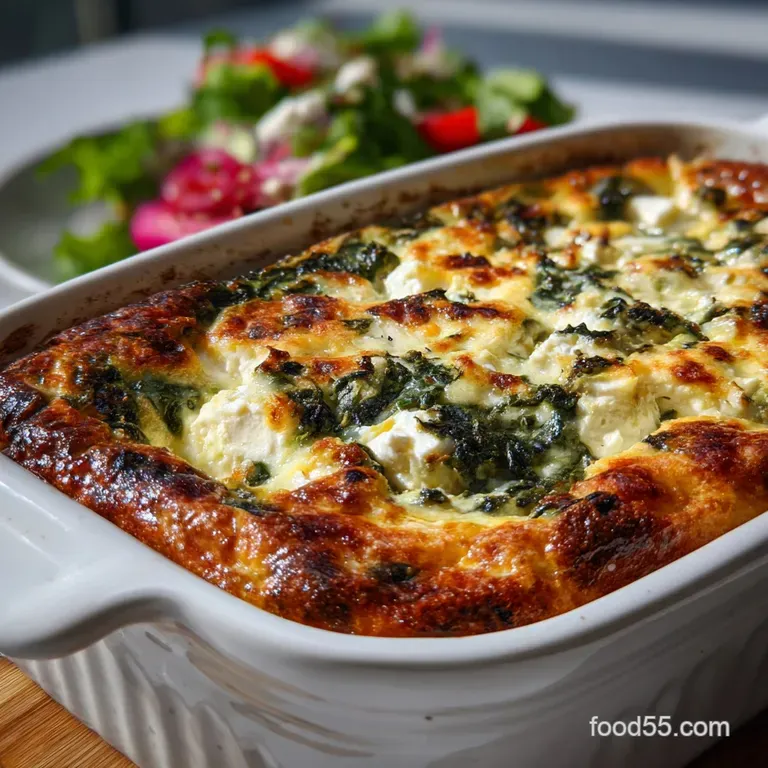
- Ultimate Creamy Feta and Spinach Bake
- The Science of Creaminess: Why Feta and Eggs Bind Perfectly
- Essential Ingredients and Smart Swaps for Your Feta Spinach Casserole
- How to Assemble and Bake the Creamiest Feta Spinach Casserole
- Troubleshooting, Pro Tips, and Flavor Variations
- Storing, Freezing, and Reheating Leftover Casserole
- Perfect Pairings and Serving Suggestions
- Recipe FAQs
- 📝 Recipe Card
Ultimate Creamy Feta and Spinach Bake
That sound the oven makes when you pull out a perfect bake that little hiss of steam and the aroma of salty cheese and herbs? That’s what we’re going for with this ultimate Feta Spinach Casserole . Forget fussing with tiny layers of phyllo dough!
This is the fastest, easiest way to get those iconic Greek flavors onto your table, delivering the rich satisfaction of spanakopita without the headache. Seriously, if you need a reliable, healthy ish weeknight meal, this Feta Spinach Casserole is your new superpower.
We are skipping the pastry and leaning hard into a creamy, savory custard base. This is truly the best Spinach Casserole recipe because it is nearly impossible to mess up, but it tastes like you spent hours on it. And the best part?
It’s phenomenal hot or cold, making leftovers the best decision you’ll make all week.
The Science of Creaminess: Why Feta and Eggs Bind Perfectly
Look, I’m not a food scientist, but I know why things get velvety instead of wobbly. The secret to this perfect Feta Spinach Casserole lies in the magic ratio of eggs to dairy, specifically the ricotta.
The eggs act as our primary binder. As the casserole heats up in the oven, the proteins in the eggs slowly coagulate (firm up), trapping the spinach and cheese inside a stable matrix. The ricotta cheese, unlike drier hard cheeses, provides structural support and essential moisture.
Ricotta is already an emulsified soft cheese, meaning it has fat and water molecules happily bound together. When the ricotta heats up, it melts slightly but holds its shape, preventing the egg custard from becoming tough or dry.
The feta provides the beautiful, sharp tang, and because it’s a brine cheese, it resists fully dissolving, leaving those wonderful pockets of salty flavor throughout the entire Feta Spinach Bake .
Quick Prep Time: Why This Casserole is Perfect for Weeknights
This specific Feta Spinach Casserole recipe is designed for maximum flavor with minimum effort. By using frozen spinach, we eliminate the washing and major chopping steps, leaving only the crucial task of moisture removal.
We use only a skillet and a mixing bowl, meaning cleanup is shockingly fast.
Essential Ingredients and Smart Swaps for Your Feta Spinach Casserole
Achieving Maximum Flavor from Frozen Spinach
Always use frozen chopped spinach for this specific Spinach Casserole —it’s actually superior to fresh here! Frozen spinach is already blanched and concentrated, so the flavor is intense. The critical part is thawing it fully and squeezing it until your hands hurt.
If you think it’s dry, squeeze it one more time. Excess water is the single biggest enemy of a creamy, firm Feta Spinach Casserole .
Choosing the Best Feta Cheese (Blocks vs. Crumbles)
A good rule of thumb for any recipe using feta cheese: buy the block stored in brine. Pre-crumbled feta often has anti caking agents that prevent it from softening beautifully in the heat, resulting in a slightly gritty texture.
Block feta melts just enough to infuse the dish with its tanginess while retaining delightful small chunks.
| Ingredient | Why It’s Essential | Smart Swap / Alternative |
|---|---|---|
| Feta Cheese | Provides mandatory salt and tangy punch. | Goat Cheese (less salty) or Haloumi (saltier, holds shape) |
| Ricotta Cheese | Provides creamy structure and binds the filling. | Cottage Cheese (small curd, drained) for a great Spinach Cottage Cheese Casserole option. |
| Heavy Cream | Adds luxurious richness and fat for mouthfeel. | Whole Milk (for lighter version) or full fat Greek Yogurt (will add more tang). |
| Nutmeg | The Greek secret weapon; balances the spinach earthiness. | Pinch of Cinnamon (subtler) or skip if necessary, but don't! |
| Onion & Garlic | Builds the savory base layer. | Leeks or shallots for a slightly sweeter background. |
How to Assemble and Bake the Creamiest Feta Spinach Casserole
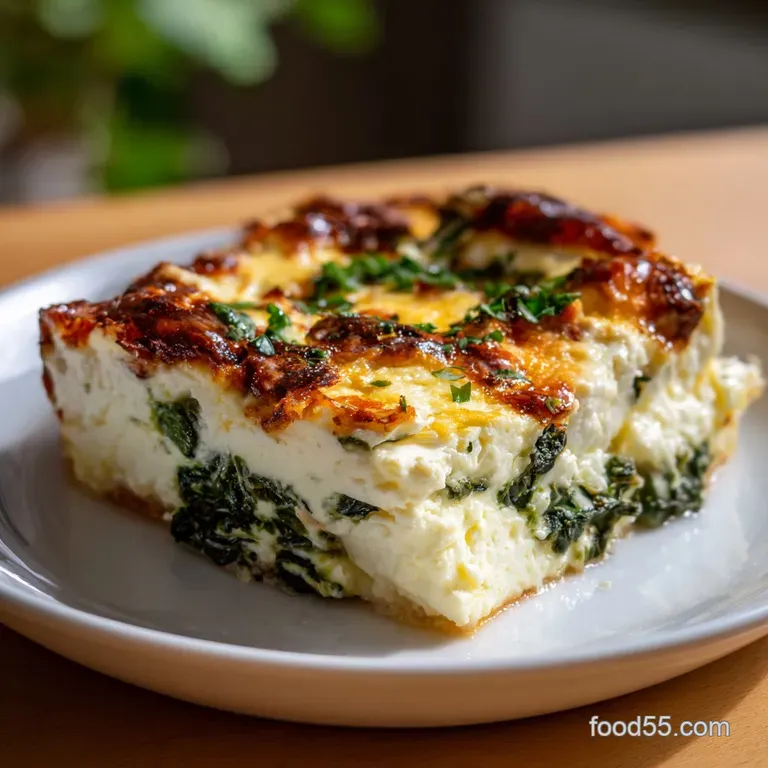
This isn't just about mixing ingredients; it’s about layering flavors to create the perfect Feta Spinach Egg Casserole .
- Squeeze the Spinach: The Crucial Moisture Removal Step. Preheat your oven to 375°F (190°C). Grease your 9x13 dish. Take your thawed spinach and squeeze it like it owes you money use a cheesecloth, a fine mesh bag, or even layers of heavy duty paper towels. The resulting spinach ball should be dense and dry.
- Sauté the Aromatics: Heat your olive oil in a skillet. Add the diced onion and let it soften, giving it about 5– 7 minutes until it’s translucent and sweet. Then, toss in the garlic for just one minute until you smell that intense, sharp fragrance. Set aside.
- Create the Egg and Cream Custard Base: In a large bowl, whisk the eggs and heavy cream with salt, pepper, and that essential 1/4 tsp of nutmeg. Get it slightly frothy. Fold in the ricotta and most of the feta.
- Build the Casserole Base: Add the dry spinach and the sautéed aromatics to the creamy base. Stir thoroughly until the spinach is coated and the mixture is thick, almost like dense pancake batter. If you like the idea of savory egg bakes, but need a protein boost, this technique is similar to how I build my incredible Breakfast Casserole: make-ahead Sausage Everything Bagel Strata .
- Layering for Texture and Even Baking: Pour the mixture into the prepared dish, spreading it evenly. This helps the casserole bake consistently throughout. Sprinkle the reserved feta on top.
- Perfect Baking Temperature and Timing: Bake for 35– 40 minutes. You want the top to be kissed golden brown and the center to be set it shouldn’t jiggle when you gently shake the pan.
- Rest and Serve: Do not skip the 10 minute rest! This resting period allows the egg proteins to fully set up and the internal temperature to equalize, guaranteeing clean, perfect slices of your delicious Feta Spinach Casserole .
Troubleshooting, Pro Tips, and Flavor Variations
We’ve all been there. You pull out a beautiful casserole only to find it's slightly watery or the cheese is gritty. Here are the common mistakes I made when developing this ultimate Feta Spinach Casserole and how you can avoid them. This same principle of controlling moisture is key to making a perfectly velvety sauce it’s what makes my Creamy Chicken Breast in Spinach Parmesan Sauce: The Easy Weeknight Florentine so smooth.
| Mistake | The Science (Why it Happened) | The Fix (Troubleshooting) |
|---|---|---|
| Watery Casserole | Failure to squeeze the spinach adequately; high moisture released during baking. | Squeeze the thawed spinach until it feels dry, not just damp. If using fresh, sauté it down first to cook off the water. |
| Wobbly or Runny Center | Undercooking; the egg proteins didn't fully coagulate. | Extend the bake time by 5– 10 minutes. The internal temperature must reach at least 160°F (71°C). |
| Gritty Cheese Texture | Using poor quality pre-crumbled feta with starch/anti caking agents. | Use feta stored in brine (block form). If using ricotta, ensure it’s drained and full fat for better texture. |
Preventing a Watery Casserole Bake
Seriously, I’m hammering this home because it's the number one killer of a great Feta Spinach Casserole : moisture control. If you are worried, you can quickly sauté the squeezed spinach and aromatics together for two minutes after Step 2.
This extra heat ensures any lingering water evaporates before mixing it into the egg binder.
Storing, Freezing, and Reheating Leftover Casserole
This Spinach Casserole stores beautifully, making it an excellent meal prep option.
Storage (Fridge): Cool the casserole completely. Cover tightly with plastic wrap or aluminum foil. It will keep well in the refrigerator for up to 4 days.
Freezing: This Feta Spinach Casserole freezes exceptionally well!
- Pre-Baked: Assemble the casserole fully but do not bake it. Cover the dish tightly with two layers of plastic wrap and one layer of foil. Freeze for up to 3 months. Thaw overnight in the fridge before baking as directed.
- Fully Baked: Slice the cooled casserole into individual portions. Wrap each portion tightly in foil, then place them in a freezer safe bag. Freeze for up to 3 months.
Reheating:
- Microwave: Best for individual portions. Heat in 60 second bursts until warmed through.
- Oven (Recommended): Place the entire casserole (or desired slices) back into an oven safe dish. Cover loosely with foil to prevent the top from drying out. Reheat at 300°F (150°C) for 15– 20 minutes, or until the center is steaming hot.
Perfect Pairings and Serving Suggestions
This Mediterranean Feta Spinach Casserole is hearty enough to be the star of the show. Serve it alongside a sharply dressed arugula salad the pepperiness and acidity cut through the richness of the feta perfectly.
For a true Greek spread, try a simple side of roasted potatoes seasoned with lemon and oregano.
If you’re hosting, this bake is a gorgeous side dish next to grilled chicken or baked fish. This easy Feta and Spinach Casserole is one of those recipes you’ll rely on forever.

Recipe FAQs
Can I use frozen spinach instead of fresh spinach for this casserole?
Yes, you can substitute frozen spinach, but it is critical that you thoroughly drain and squeeze out all excess moisture before mixing it into the ingredients. If not properly drained, the water released during baking will result in a very soggy or watery casserole.
Approximately 10 ounces of thawed frozen spinach replaces one pound of fresh spinach.
Why is my feta spinach casserole coming out watery or soggy?
Wateriness is almost always caused by residual moisture in the spinach or other wet ingredients like mushrooms or onions. Ensure you squeeze thawed frozen spinach very dry using a cheesecloth or sturdy paper towels.
If using fresh spinach, sauté it briefly until all the liquid has fully evaporated before adding it to the mixture.
What other cheeses can I use if I do not have feta?
Goat cheese (chèvre) is an excellent substitute as it offers a similar tangy flavor profile, though the texture is creamier once baked. Alternatively, strong Parmesan mixed with creamy ricotta can provide a different but delicious salty and textured element.
We recommend avoiding very mild cheeses that might disappear against the vibrant spinach and egg base.
Can I prepare the feta spinach bake ahead of time?
Absolutely. You can assemble the entire raw mixture in the baking dish, cover it tightly with plastic wrap or foil, and refrigerate it for up to 24 hours before baking. Remember to allow the casserole dish to sit at room temperature for about 15 minutes before placing it in the hot oven to ensure the center cooks evenly.
How long do leftovers last and what is the best way to reheat them?
Leftover Feta Spinach Casserole should be stored in an airtight container in the refrigerator and is safe to consume within 3 to 4 days. To reheat, you can warm individual slices in the microwave, or cover the dish loosely with foil and bake at 325°F (160°C) until it is heated through completely.
Is this recipe naturally gluten-free or low-carb?
Yes, the casserole is inherently gluten-free and low-carb, provided you use the specified ingredients without adding breadcrumbs or flour for thickening. The rich texture is achieved solely through the eggs and heavy cream binder.
If you require dairy-free modifications, use a suitable non-dairy cream alternative and vegan feta.
What are the best side dishes to serve with the Feta Spinach Casserole?
This rich and creamy casserole pairs wonderfully with light, acidic side dishes that help cut through the richness. A simple, fresh Greek salad, a lemon dressed arugula salad, or roasted asparagus tossed with olive oil and garlic are highly recommended choices.
A slice of light, crusty bread is also excellent for soaking up the flavorful pan juices.
Creamy Feta Spinach Bake
Ingredients:
Instructions:
Nutrition Facts:
| Calories | 380 kcal |
|---|---|
| Protein | 22 g |
| Fat | 28 g |
| Carbs | 10 g |
| Fiber | 10 g |
