Caesar Salad Dressing: the Creamy, No-Fuss Classic (No Raw Eggs!)
- Mastering the Umami Bomb: Why This Homemade Caesar Salad Dressing Triumphs
- The Science of Creaminess: Achieving Perfect Emulsion Without Raw Eggs
- Essential Ingredients for the Perfect Caesar Dressing
- Ingredient Notes and Foolproof Substitutions
- Step-by-Step: How to Blitz the Best Caesar Dressing in a Food Processor
- Troubleshooting Your Caesar: Expert Tips and Common Pitfalls
- Shelf Life and Safety: Storing Homemade Caesar Salad Dressing
- Beyond the Romaine: Creative Ways to Use Your Creamy Dressing
- Recipe FAQs
- 📝 Recipe Card
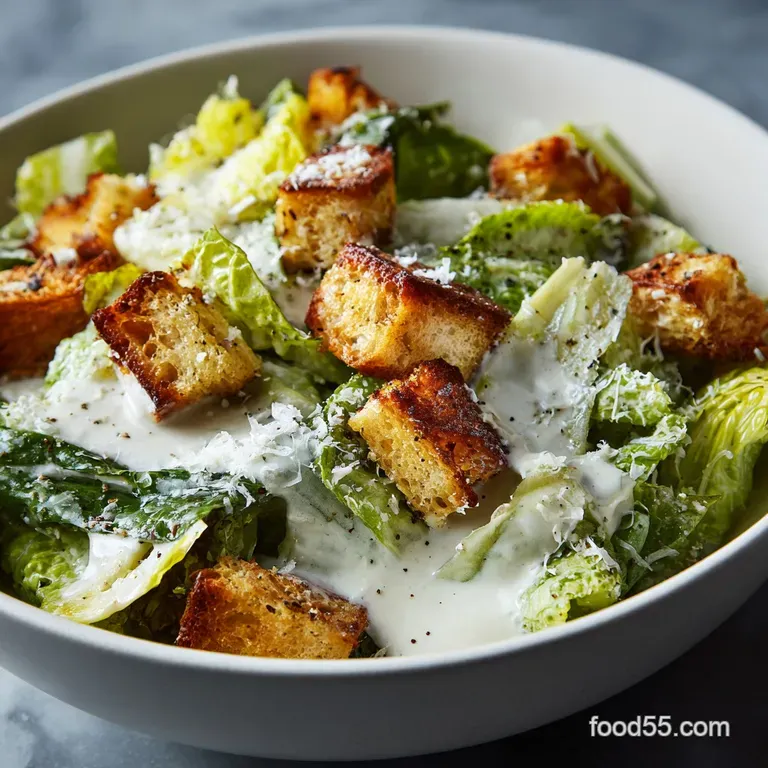
Mastering the Umami Bomb: Why This Homemade Caesar Salad Dressing Triumphs
That sharp, pungent punch of garlic and lemon, backed by deep, savory anchovy you know the smell. It’s intoxicating. When you get the balance right, homemade Caesar dressing is pure magic, dripping off the lettuce leaves in rich, creamy waves.
It’s a texture thing, too; not too thin, not too thick, just glossy perfection.
Honestly, why are we still buying the bottled stuff? Making this creamy Caesar Salad Dressing takes maybe ten minutes, uses pantry staples, and tastes 1,000 times better than anything from the grocery store shelf.
It’s incredibly cost effective, meaning you can have a gourmet level salad every night without breaking the bank. This is a true kitchen lifesaver.
I used to totally freak out about raw eggs, attempting that complicated slow drizzle oil emulsion like some French chef in a movie. Forget all that fuss. I’m going to show you the foolproof way to make an incredibly creamy Caesar Salad Dressing that is stable, safe, and easily blitzed in a blender.
Let’s crack on.
The Science of Creaminess: Achieving Perfect Emulsion Without Raw Eggs
We are building a flavor profile that is both complex and incredibly satisfying, relying heavily on stable emulsifiers. If you want a truly classic, high ranking Homemade Caesar Salad Dressing , you need a solid foundation. This recipe delivers.
The History of the Humble Legend: Where Caesar Dressing Was Born
Fun fact: Caesar dressing wasn't born in Italy, it was born in Tijuana, Mexico, by an Italian restaurateur named Caesar Cardini. He created it out of necessity during a busy rush in 1924, throwing together what he had: romaine, olive oil, lemon, egg, Worcestershire, and garlic.
We keep that simple spirit, but update the technique.
Why We Skip the Raw Egg Yolk: Prioritizing Stability and Safety
Traditionalists clutch their pearls when I say this, but raw egg yolks can be sketchy and they are notoriously difficult to emulsify properly for new cooks. Who needs the stress? We are aiming for a creamy caesar salad dressing that doesn't split the second it hits the fridge. Trust me on this.
What Makes a Truly 'Classic' Caesar Flavor Profile?
It's the trifecta: Acid (lemon juice), Pungency (garlic and pepper), and Umami (anchovy and Parmigiano Reggiano). Get these three balances right, and you instantly succeed. It needs to be assertive!
Mayonnaise: Our Secret Weapon for Reliable Emulsification
Full fat mayonnaise is the game changer here, essentially being a pre-made, stable emulsion of egg and oil. It gives us that necessary richness and guarantees a thick texture without the risk of separation. It’s how we make Homemade Caesar Dressing without eggs effortlessly.
Balancing the Core Flavors: Acid vs. Salt vs. Pungency
Because Parmesan and anchovies are inherently salty, we adjust the lemon juice to cut through that richness, and we add the salt last . If you add salt too early, you risk over salting the entire dressing once the concentrated flavors settle.
Essential Ingredients for the Perfect Caesar Dressing
If you’re going to make the effort to create your own, use good ingredients. Don’t skimp on the fresh lemon juice or the quality of your olive oil. Using the right building blocks is what transforms this simple mix into the best Caesar Salad Dressing Recipe you've ever had.
Ingredient Notes and Foolproof Substitutions
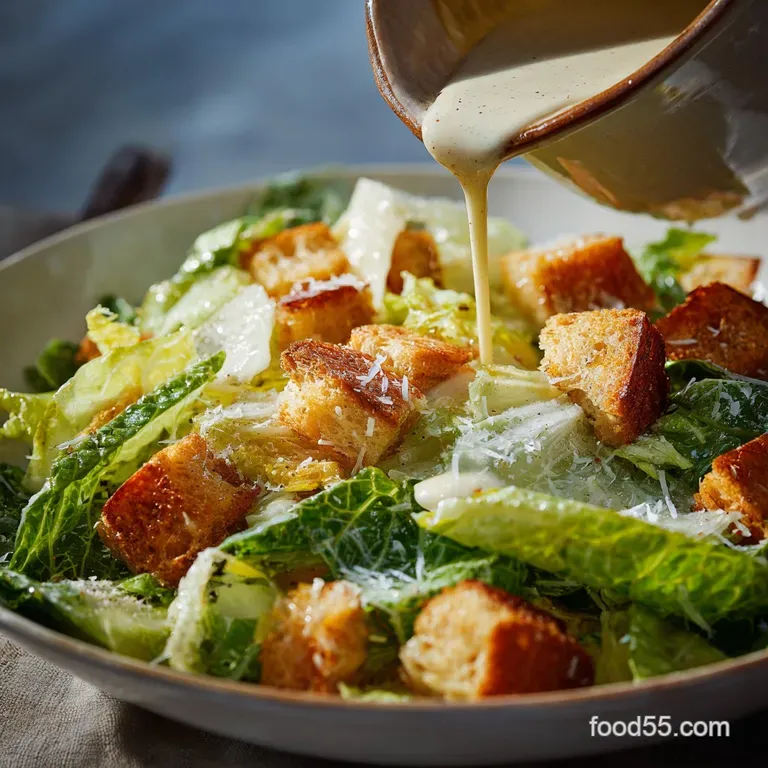
A great home cook knows how to pivot when the pantry runs low. These are my go-to swaps when I'm missing the classic item.
| Ingredient | Why it's Important | Foolproof Substitution |
|---|---|---|
| Mayonnaise | Stable emulsifier, creamy base. | Full fat Greek yogurt (for a tangier result) or 2 pasteurized egg yolks (requires slow drizzling oil). |
| Fresh Lemon Juice | Essential acid to balance rich fats. | Red wine vinegar (use 1/2 the amount and taste test often). |
| Anchovy Paste | Umami power and depth. | Miso paste or capers, or use the vegetarian swap below. |
| Worcestershire | Adds complexity and fermentation notes. | Soy sauce or balsamic vinegar. |
The Parmigiano Factor: Grating for Optimal Texture and Flavor
Always use freshly grated Parmigiano Reggiano. Pre-shredded cheese contains cellulose powder, which prevents clumping but makes your dressing taste gritty and dusty. We want the cheese to partially dissolve into the dressing, giving it body and flavor, not texture like sand.
Selecting the Right Olive Oil Base for a Mellow Finish
I recommend a good quality extra virgin olive oil, but nothing too robust or peppery. A strong, bitter olive oil will absolutely overwhelm the delicate balance of the Caesar flavors. Choose something mild and buttery.
The Power of Anchovy Fillets vs. Anchovy Paste
Both work beautifully! Anchovy fillets (about 3 medium ones) should be minced into a smooth paste before blending. The paste is faster and dissolves instantly. This umami ingredient is mandatory if you want that authentic, savory depth in your Caesar Salad Dressing.
Swapping Out Worcestershire and Anchovies for Vegetarian Options
For a true vegetarian dressing, you must replace the umami. A tablespoon of light miso paste and a dash of balsamic vinegar is my favorite swap. It still gives you that fermented, complex background flavor, making a delicious Caesar Salad Dressing no anchovies option.
Metric vs. Imperial Measurements Reference
I always measure my liquids with precision. Using standard cups and spoons is fine, but if you're ever in doubt, check the metrics provided in the main recipe card accuracy truly helps with achieving the perfect emulsion consistency.
step-by-step: How to Blitz the Best Caesar Dressing in a Food Processor
Using the food processor saves so much arm aching and guarantees that beautiful, uniform texture. This method is incredibly fast.
Initial Prep: Mincing the Aromatics (Garlic and Anchovy)
First, add your mayonnaise, lemon juice, Dijon, Worcestershire, garlic, and anchovy paste to the food processor. Pulse this until everything is completely homogenous. You want no visible lumps of garlic or anchovy; they need to become fully incorporated into the wet base.
The Emulsification Process: The Crucial Slow Drizzle Method
Even though we are using mayonnaise, we still need to stream in the olive oil slowly while the machine runs. Why? We are marrying the oil with the existing emulsion base, thickening the dressing further and adding richness. Do not dump the oil in all at once , or you risk a greasy mess.
Chef's Note: If your oil streams in too fast and the dressing looks thin, stop the processor immediately. Add another teaspoon of Dijon and blend hard for 30 seconds. Dijon mustard is an excellent secondary emulsifier.
Blending Technique for a Smooth, Uniform Texture
After the oil is added, pulse in the grated Parmigiano Reggiano and the black pepper. Don't over process here. We want the cheese broken down but not pulverized into powder; a slight texture is desirable. Add your water or milk last, one tablespoon at a time, until it coats the back of a spoon perfectly.
Final Seasoning and Consistency Check
Taste, taste, taste! Because the salt content of Parmigiano, mayonnaise, and anchovies can vary wildly, you need to adjust the final salt carefully. Does it need a little more zing? Add a tiny splash more lemon. Does it taste too sharp? A pinch of sugar can surprisingly mellow the acidity.
Troubleshooting Your Caesar: Expert Tips and Common Pitfalls
Why Your Dressing Isn't Thickening (And How to Fix It)
If your dressing is thin and watery, you likely added the oil too fast or used low-fat mayonnaise. The solution? Add another tablespoon of mayonnaise and blend hard again. The pre-emulsified fat will often pull the mixture back together.
The Garlic Dilemma: Raw vs. Macerated
Raw garlic is potent. If you worry about having harsh "garlic breath dressing," try this trick: finely mince the garlic and let it soak in the lemon juice for five minutes before blending. The acid takes the aggressive edge off without losing the flavor.
Adjusting Acidity Levels Post Blending
If your dressing is painfully sour, you need to add fat or bulk to dilute the acid. Try stirring in a tablespoon of whole milk or a small dollop of sour cream. Adding just a tiny pinch of salt can sometimes trick the tongue into perceiving the sourness as more savory instead.
Shelf Life and Safety: Storing Homemade Caesar Salad Dressing
Homemade is the best, but you need to store it correctly!
Refrigerator Lifespan Guidelines for Caesar Salad Dressing
Since this recipe uses mayonnaise (which is stable) instead of raw egg yolks, it keeps beautifully. Store it in an airtight container in the fridge for up to 10 days .
The flavors actually deepen and become more mellow after the first 24 hours it’s fantastic prep ahead material.
Prepping Ahead: Making a Base Concentrate
You can easily make the entire dressing ahead of time and keep it chilled. If you find it has thickened significantly in the fridge, simply stir in a teaspoon of warm water or milk just before tossing your salad to restore that creamy, pourable consistency.
Should You Ever Freeze Caesar Dressing?
Absolutely not. Freezing will cause the emulsion to completely break. When thawed, you will be left with an oily, grainy mess that no amount of blending can fix. Just make a smaller batch if you won't use it within the 10 day window!
Beyond the Romaine: Creative Ways to Use Your Creamy Dressing
Don't limit this gorgeous dressing to just Romaine! It's incredibly versatile.
We often use it as a fantastic dip for fresh cut crudités when hosting. Speaking of dips, if you like something creamy and cooling on the side, you might also love my recipe for [Creamy Cucumber Salad: The Ultimate Non-Watery Summer Side].
This dressing also makes a phenomenal binder for potato salad instead of relying on basic mayo. Or try thinning it slightly with milk and drizzling it over steamed green beans or asparagus. It’s a total flavor powerhouse!
Recipe FAQs
How long can I store this homemade Caesar dressing?
Since this recipe uses commercial, pasteurized mayonnaise instead of raw egg yolks, it has a safe shelf life of 4 to 5 days when stored properly. Always keep it in an airtight container in the refrigerator to maintain freshness. Always check the expiration date of your mayonnaise base for guidance.
I hate anchovies. What can I use instead for that umami depth?
While anchovies are key to the classic Caesar flavour, you can substitute them with 1/2 teaspoon of high-quality fish sauce or add an extra splash of Worcestershire sauce, provided it contains no anchovy. If omitting them entirely, ensure you compensate with extra salt and Parmesan to maintain savory depth.
My dressing is too thick/thin. How do I adjust the consistency?
If the dressing is too thick, gradually thin it out by whisking in a teaspoon of cold water or additional fresh lemon juice until it reaches your preferred consistency. If the dressing is too thin, try gently whisking in a small amount of extra mayonnaise or finely grated Parmigiano cheese to help bind the liquid and thicken the base.
Can I make this Caesar dressing vegan or dairy-free?
Absolutely. Replace the mayonnaise with a high-quality vegan mayonnaise base and substitute the Parmigiano cheese with nutritional yeast for a savory, cheesy flavor. Ensure your Worcestershire sauce is specifically marked vegan, as traditional versions often contain anchovy.
Can I freeze Caesar salad dressing?
Freezing is strongly discouraged for this type of emulsion based dressing. The high fat content from the oil and mayonnaise will separate and break the emulsion when thawed, resulting in a grainy, oily, and unpleasant texture.
It is best to only prepare as much dressing as you plan to use within the refrigerator storage window.
The garlic flavor is overpowering. What went wrong?
Raw garlic's pungency increases rapidly, especially if the dressing sits for a while before serving. Next time, try smashing the garlic and letting it infuse in the lemon juice for five minutes before blending, then removing the solids. For a much milder flavour, you can substitute the raw garlic with roasted garlic.
How can I make this dressing even creamier without using raw egg yolk?
If you prefer an exceptionally rich mouthfeel, try incorporating one tablespoon of full fat plain Greek yogurt or sour cream into the mix. This adds richness and a pleasant tanginess while maintaining the stability guaranteed by the mayonnaise base.
Alternatively, increasing the quantity of olive oil slightly can also enhance the creaminess.
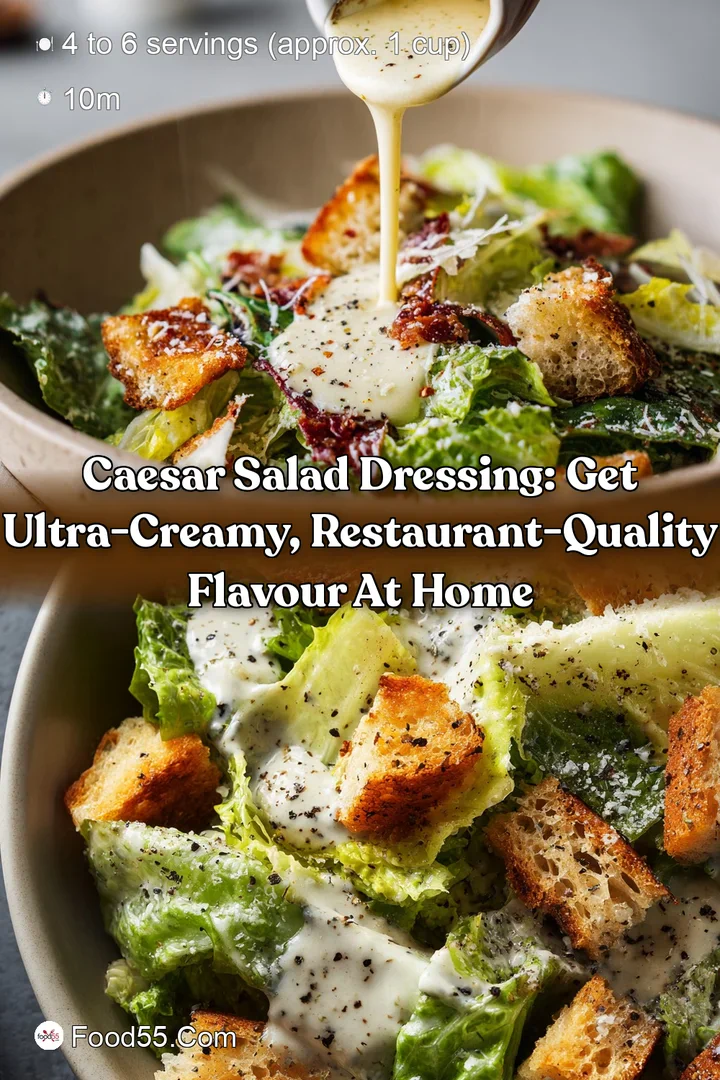
Creamy No Egg Caesar Salad Dressing

Ingredients:
Instructions:
Nutrition Facts:
| Calories | 180 calories |
|---|---|
| Fat | 17 g |
| Fiber | 0 g |
