The Golden Crunch Authentic Vietnamese Fried Spring Rolls Chả Giò
- Decoding Chả Giò: The True Essence of Vietnamese Fried Goodness
- Why This Recipe Guarantees Supreme Crispiness
- Assembling Your Core Filling Components
- Essential Hardware: Tools for Perfect Rolling and Frying
- Mastering the Art of Filling Preparation
- The Technique for Tightly Wrapping Your Rolls
- Achieving Flawless Deep-Frying Results
- Elevating Your Meal: Serving Suggestions Beyond the Basics
- Troubleshooting and Longevity Tips for Your Vietnamese Spring Rolls
- Recipe FAQs
- 📝 Recipe Card
Decoding Chả Giò: The True Essence of Vietnamese Fried Goodness
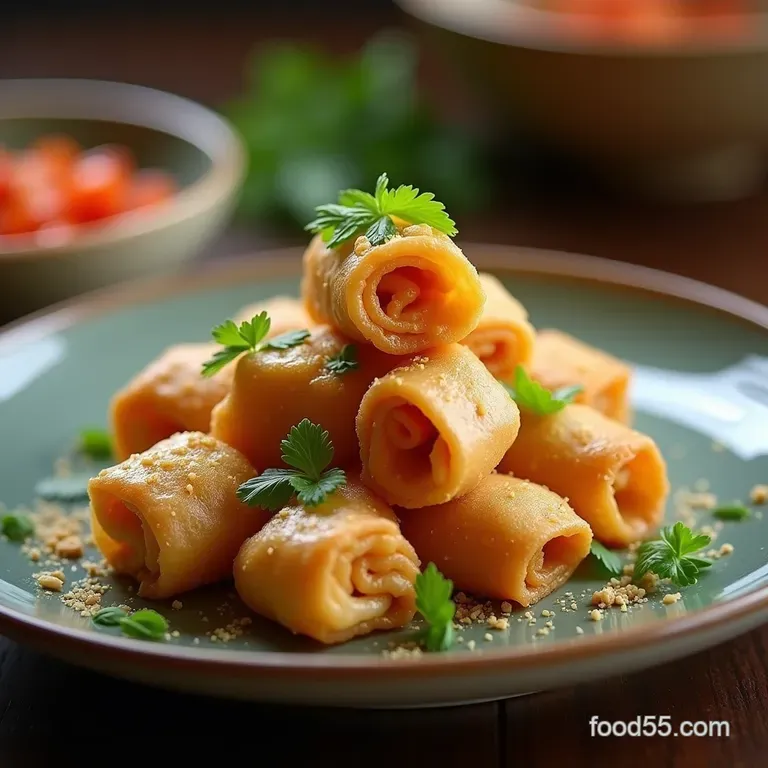
Forget those bland, heavy appetizers you might associate with "spring rolls" we are diving headfirst into the vibrant, savoury world of Chả Giò , the iconic Vietnamese fried spring rolls.
These aren't the fresh, cool summer rolls; these are golden parcels of textural delight, originating primarily from Southern Vietnam, where they are panfried or deep fried to an incredible crispness.
This recipe is your key to unlocking that authentic shatteringly crisp shell that contrasts perfectly with the rich, aromatic filling inside. We aim for perfection here, ensuring every bite delivers that satisfying crunch that defines superior Vietnamese Spring Rolls .
Why This Recipe Guarantees Supreme Crispiness
The secret to truly excellent Vietnamese Spring Rolls Recipe lies not just in the filling's flavour profile but, crucially, in the technique used for wrapping and frying. Many home cooks struggle with wrappers tearing or rolls becoming greasy and limp.
By focusing on a few key preparation steps, we ensure a light, airy crunch every single time. While there are many delicious variations, including lighter Healthy Spring Rolls Recipe options, the classic fried version remains the gold standard for texture and deep flavour infusion.
Setting the Stage: Introducing Southern Style Rolls
The Southern Vietnamese style, or Chả Giò , often incorporates ingredients like finely chopped shrimp and the use of wood ear mushrooms, lending a distinctive, almost meaty texture to the interior.
Unlike some Northern counterparts that might use thicker wheat wrappers, we rely solely on delicate rice paper, which, when fried correctly, puffs up magnificently. This attention to regional nuance makes a world of difference in the final presentation and mouthfeel.
Achieving That Signature Golden Exterior
That coveted golden hue and extreme crispness are achieved through careful temperature management during the frying process. We won't just toss them in hot oil and hope for the best. The key strategy involves controlling the heat profile across two distinct frying stages.
This methodical approach allows the moisture within the wrapper to escape slowly at first, then rapidly, creating that airy, light barrier against the oil.
What Makes These Vietnamese Spring Rolls Unforgettable
The unforgettable quality comes from the balance. You have the umami depth from the fish sauce and seasoned pork, the slight sweetness from the carrot, the satisfying chew of rehydrated noodles, and the potent freshness of herbs often served alongside.
When dipped into the perfectly balanced Vietnamese Spring Rolls Sauce , these rolls become an addictive tapestry of flavour.
Assembling Your Core Filling Components
Creating a memorable filling requires selecting components that offer both flavour and structural integrity. For the absolute best flavour base, we'll use a combination of ground pork (for richness) and finely chopped raw shrimp to elevate the flavour profile of this Shrimp Spring Roll Recipe .
To provide texture, we incorporate rehydrated, thinly sliced wood ear mushrooms and pre-soaked bean thread noodles, which absorb seasoning beautifully. A grated carrot adds natural sweetness and moisture control, preventing the filling from becoming too wet, which is a major enemy of crisp frying.
Essential Hardware: Tools for Perfect Rolling and Frying
You don’t need a professional deep fryer, but having the right equipment makes the process significantly smoother. A heavy bottomed pot or Dutch oven is essential for maintaining stable oil temperature.
Crucially, you’ll need a wire cooling rack set over a baking sheet; draining rolls directly onto paper towels traps steam and ruins the hard earned crunch.
Selecting and Prepping the Savoury Ground Mix
When combining your Vietnamese Spring Rolls Ingredients , remember that over mixing is your adversary. Once the pork, shrimp, vegetables, noodles, and seasoning (fish sauce, soy sauce, sugar, and pepper) are in the bowl, fold them gently until they are just incorporated.
Introducing the two lightly beaten eggs acts as our binding agent, ensuring the filling stays cohesive when it hits the oil, preventing blowout.
The Magic of Rice Paper: Hydration Secrets
The single most common mistake beginners make is over soaking the rice paper wrappers. These wrappers are incredibly delicate when wet. You only need a quick dip about five seconds into lukewarm water.
The wrapper should still feel slightly stiff when you lay it on your rolling surface, as it will continue to soften as you work, reaching perfect pliability by the time you seal the roll.
Must Have Dipping Sauce Ingredients for Nuoc Cham
No Vietnamese Spring Rolls Sauce is complete without the bright, tangy counterpoint of Nước Chấm . The balance here is everything: dissolving sugar into warm water first creates a smooth base.
Then, you balance that sweetness with strong fish sauce and fresh lime juice. A final touch of minced garlic and perhaps a thin slice of vibrant red chilli introduces a necessary aromatic punch.
Related Recipes Worth Trying
- Easy Baked Philly Cheesesteak Sliders Recipe on Hawaiian Rolls — Make the ultimate Comfort Food Sliders with this easy Philly Cheesesteak Sliders Recipe packed with steak onions and melty Provolone Perfect Match Day...
- Little Rolls of Delight ThreeCheese Zucchini Stuffed Lasagna Rolls — These Three Cheese Zucchini Stuffed Lasagna Rolls swap bulky layers for easy rolls Full of creamy ricotta and tender zucchini theyre pure comfort food made...
- Foolproof Spring Asparagus Risotto with Lemon Zest — Learn how to make this vibrant Spring Asparagus Risotto recipe perfectly al dente every time Its a surprisingly easy meatless main dish
Mastering the Art of Filling Preparation
Before you even think about wrapping, your filling needs time to mingle. After combining all the meat, vegetables, and seasonings, allow the mixture to rest for about fifteen minutes. This resting period allows the salt in the fish sauce to begin seasoning the proteins and vegetables thoroughly.
This depth of flavour is what makes people reach for another piece, even if they are exploring options like Keto Spring Rolls (which would require substituting the noodles for finely chopped vegetables).
The Technique for Tightly Wrapping Your Rolls
The rolling process is a delicate exercise in tension and containment. Lay your slightly dampened rice paper flat. Place a small log of filling about two tablespoons near the edge closest to you. Fold that bottom edge up firmly over the filling.
Next, fold in the left and right sides neatly, creating an envelope shape. Finally, roll the parcel upwards, maintaining consistent, gentle pressure. The goal is snugness; a loose roll will absorb more oil and may unfurl under the heat.
Achieving Flawless Deep Frying Results
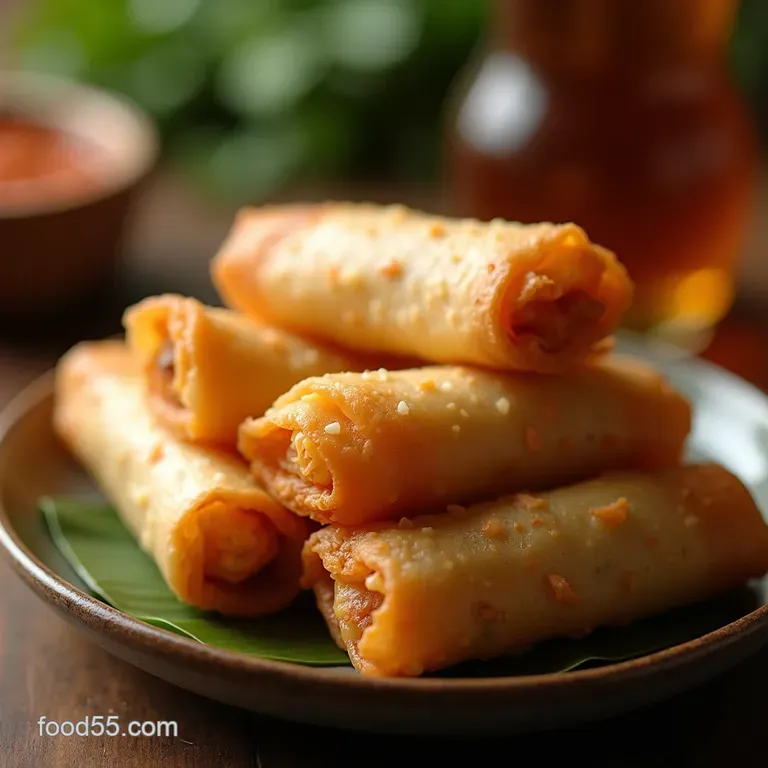
This is where dedication pays off. For these flavourful Vietnamese Spring Rolls , we rely on the double fry technique, which guarantees an incredibly light and shatteringly crisp shell that resists sogginess far longer than a single fry.
Combining Aromatics and Binder for Structure
As mentioned, the egg is vital, but if you find your mixture still feels too loose, a tablespoon of cornstarch mixed into the filling can provide an extra insurance policy against ingredient shifting during the cooking process.
step-by-step Guide to Rolling Without Tears
Practice makes perfect, but always remember the rule: quick dip, lay flat, fold corners in first, then roll tightly. If the rice paper starts to stick to your board, use a slightly damp fingertip to smooth it down before sealing the final seam.
The Double Fry Method for Maximum Crunch
The first fry is crucial for cooking the interior through. Heat your oil to a moderate 325° F ( 160° C). Gently lower the rolls in batches, ensuring they don't touch. Fry slowly for about five to seven minutes until they turn a pale, uniform blonde colour.
Remove them immediately to that crucial wire rack and let them cool completely, about ten minutes. This allows steam to escape. For the grand finale, crank the oil temperature up to a hot 375° F ( 190° C).
Return the cooled rolls to the oil for just two to three minutes until they achieve that deep, uniform golden brown and sound distinctly crisp when tapped.
Elevating Your Meal: Serving Suggestions Beyond the Basics
While the Vietnamese Spring Rolls are fantastic on their own, they truly sing when served with fresh accompaniments. This adds a necessary coolness and herbaceous lift to cut through the richness of the fried wrapper.
Pairing Perfectly with Fresh Herbs and Greens
Present your platter alongside large, crisp lettuce leaves romaine or butter lettuce work beautifully. Offer small bowls of fresh mint, Thai basil, and perhaps some cilantro sprigs. The tradition is to take a hot, crisp roll, wrap it inside a lettuce leaf with herbs, and then dip the whole bundle into the sauce.
Creating the Ultimate Dipping Elixir (Nuoc Mam)
To enhance your dipping elixir, consider adding finely shredded pickled carrots and daikon radish directly to the Nước Chấm bowl. The tang of the pickle integrates beautifully, making the sauce even more complex. This is the essential element that ties the entire experience together.
Can These Rolls Be air-fried? Cooking Alternatives
While deep frying yields the superior traditional texture, air frying is a viable alternative for lighter preparations. If you opt for the air fryer, lightly brush the rolls with oil before cooking at 375° F ( 190° C), flipping halfway through until golden.
Be aware that the texture will be crisp, but slightly drier and less puffy than the true deep fried variety. This is a good compromise if you are looking for a Vegan Spring Rolls version or want to cut down on oil intake.
Troubleshooting and Longevity Tips for Your Vietnamese Spring Rolls
Even experts run into minor issues. If your rolls are tearing, it’s almost certainly due to your rice paper being too dry when you started rolling, or you overfilled them. If they are coming out greasy, your oil temperature during the first fry was too low.
Storage Secrets: Keeping Leftovers Crispy Overnight
It’s rare to have leftovers, but if you do, do not store them in an airtight container at room temperature or refrigerated, as this guarantees sogginess. The best method is to reheat them in a hot oven ( 400° F/ 200° C) for about 8– 10 minutes until they crisp up again.
For true longevity, freeze them after the first, low-temperature fry, spaced out on a baking sheet. When ready to eat, thaw slightly, then complete the final, high temperature fry.
Recipe FAQs
Vietnamese fried spring rolls Vietnamese spring roll Spring roll Chả giò
For achieving that signature 'puffed' texture in your Vietnamese Spring Rolls, ensure your rice paper is dipped very briefly in warm water, just enough to make it pliable, not soggy. To prevent sticking during rolling, lay out your wrappers on a clean, slightly damp surface.
If preparing ahead, freeze the uncooked rolls tightly wrapped on a baking sheet before transferring them to an airtight container for the best results when frying later.
Vietnamese spring rolls fried
For truly exceptional crispness in your Chả Giò, ensure your rice paper is dipped quickly in lukewarm water, just enough to make it pliable, not soggy. A medium high oil temperature around 350°F (175°C) is key for achieving that signature golden puff without burning the delicate wrapper.
Store any uncooked rolls tightly wrapped in the refrigerator for up to 24 hours before frying for best results.
Vietnamese spring rolls vegetarian
For a superb vegetarian adaptation of these crispy rolls, substitute the pork and shrimp with a hearty mix of finely minced firm tofu, rehydrated shiitake mushrooms, and shredded taro root for texture.
Ensure your filling is well drained of any excess moisture before rolling to guarantee a perfectly crisp exterior when fried. If preparing ahead, store the rolled, uncooked spring rolls on a baking sheet lined with parchment paper in the freezer until solid, then transfer to a freezer bag for up to three months.
Vietnamese spring rolls sauce
The classic accompaniment for these glorious fried rolls is Nước Chấm, a bright, balanced dipping sauce. To achieve that signature flavour, ensure you balance the fish sauce, lime juice, sugar, water, and a touch of fresh chili and garlic perfectly.
You can thin the sauce slightly with warm water for the best dipping consistency just before serving.
Vietnamese spring rolls ingredients
The core of authentic Vietnamese fried spring rolls features ground pork, finely chopped shrimp, rehydrated wood ear mushrooms, and soaked bean thread noodles. For an extra savory depth, ensure your filling ingredients are well drained before mixing to prevent soggy wrappers.
If you prefer not to use shrimp, finely minced chicken makes an excellent, traditional substitute.
Vietnamese spring rolls recipe fried
For truly crisp texture, ensure your filling mixture is not too wet; you can gently squeeze excess moisture from the grated carrot before mixing. Use rice paper wrappers specifically designed for spring rolls and dip them quickly in warm water, just enough to make them pliable, not soggy.
Store any uncooked rolls tightly wrapped in plastic wrap on a baking sheet in the refrigerator for up to 24 hours before frying.
Crispy Fried Vietnamese Rolls
Ingredients:
Instructions:
Nutrition Facts:
| Calories | 398 kcal |
|---|---|
| Protein | 7.4 g |
| Fat | 4.0 g |
| Carbs | 46.8 g |
| Fiber | 11.0 g |
| Sodium | 1301 mg |
