Dirty Martini Recipe: Velvety & Cold
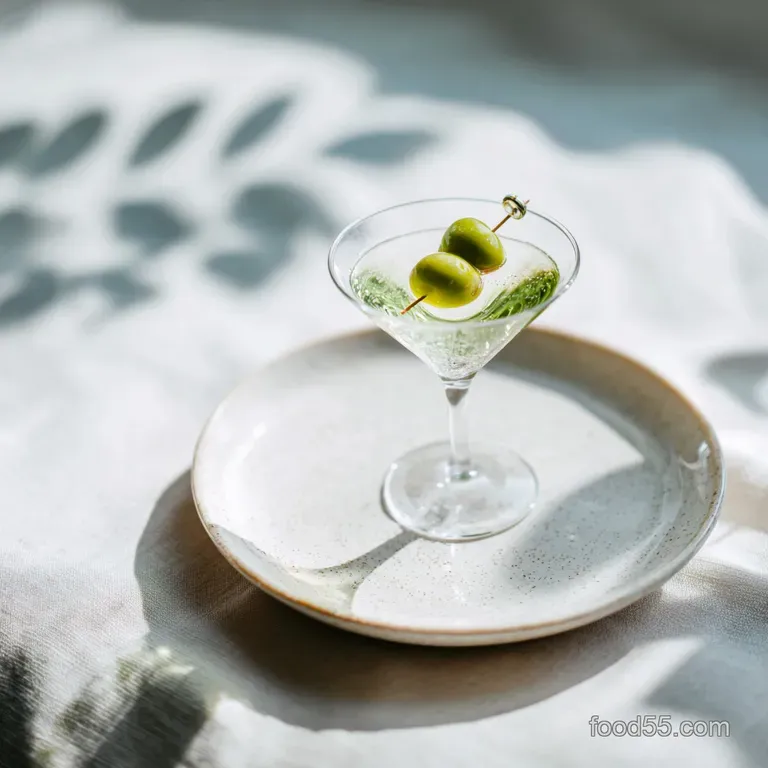
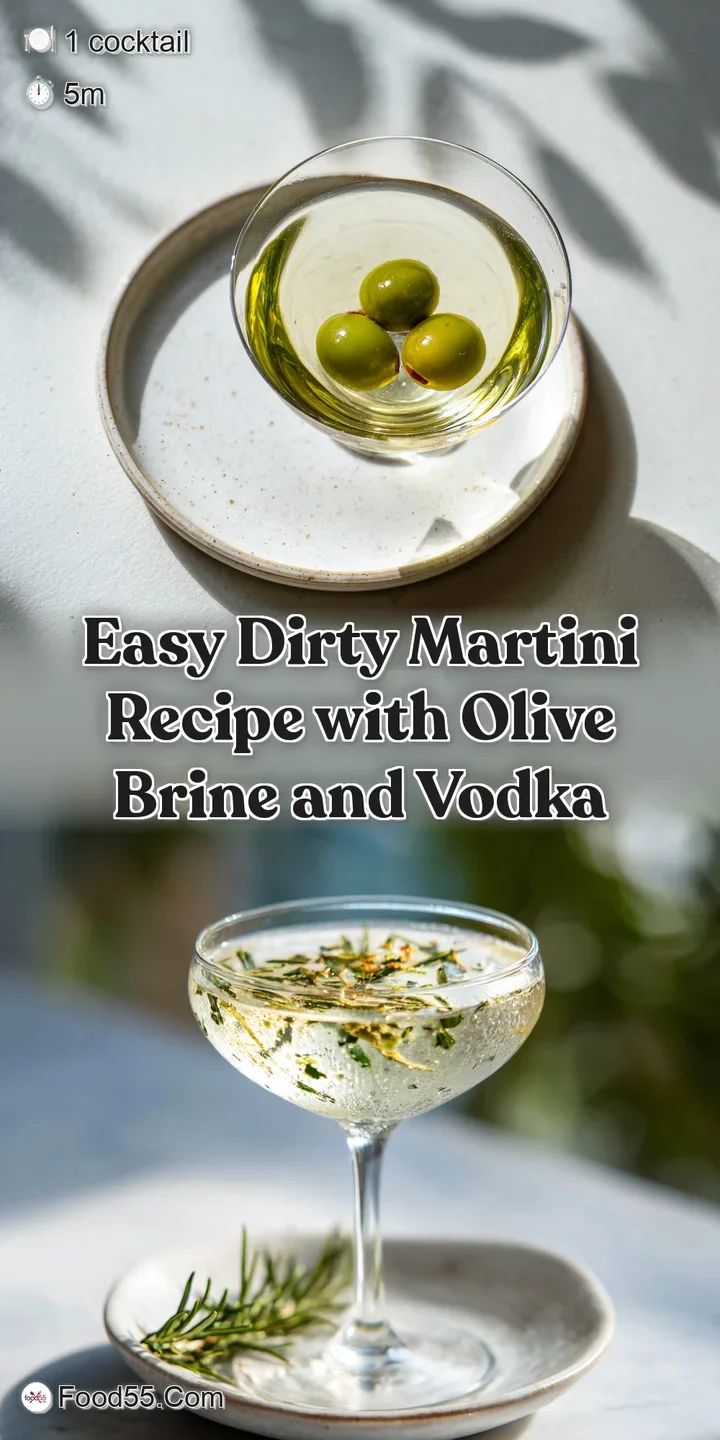
- Time: Active 5 minutes, Passive 0 minutes, Total 5 minutes
- Flavor/Texture Hook: Velvety, salt forward, and shatter cold
- Perfect for: Happy hour, dinner parties, or a bold nightcap
- The Secrets to a Perfect Dirty Martini Recipe
- Technical Specs for a Balanced Sip
- Essential Spirits and Briny Components
- Essential Tools for Professional Mixing
- Mastering the Pour and the Chill
- Correcting Common Mixing Mistakes
- Flavor Profiles for Custom Batches
- Storing Your Brine and Spirits
- Pairings for a Shared Experience
- Recipe FAQs
- 📝 Recipe Card
The Secrets to a Perfect Dirty Martini Recipe
There is a specific kind of magic that happens when a frosted glass meets your hand on a humid Tuesday evening. I remember the first time I sat at a dimly lit bar in New Orleans, watching a bartender handle a shaker with the kind of focus usually reserved for surgeons.
When that silver tin cracked open, a cloud of icy mist escaped, followed by a pour so clear it looked like liquid diamonds, save for that intentional, cloudy kiss of olive brine.
That first sip was a revelation. It wasn't just "salty water" mixed with booze, it was a complex, savory experience that felt sophisticated yet incredibly grounded. For years, I struggled to recreate that at home, ending up with drinks that were either too watery or tasted like I was drinking straight from the olive jar.
I eventually realized that this dirty martini recipe isn't about hiding the alcohol, it's about using the brine to highlight the botanicals of the spirit.
We have all been there, reaching for a dusty bottle of vermouth that has been sitting on the counter for six months. Trust me on this: stop doing that. The difference between a mediocre drink and a world class one often comes down to the freshness of your fortified wine and the temperature of your glass.
Let's get into how we can bring that high end lounge vibe right into your kitchen.
Technical Specs for a Balanced Sip
Understanding the mechanics of your drink helps you move beyond just following instructions. When we mix high proof spirits with salt and acid, we are performing a tiny bit of kitchen chemistry that affects how our taste buds perceive "hot" alcohol.
- Saline Suppression: Salt physically suppresses bitterness, which allows the herbal notes of gin or the clean profile of vodka to shine through without the harsh "bite."
- Thermal Mass: Using large, solid ice cubes ensures the drink chills rapidly to sub zero temperatures without melting too fast and drowning the flavors.
- Cold Retention: A chilled glass acts as an insulator, maintaining the velvety texture of the brine from the first sip to the last.
- Aromatic Lift: The essential oils from the green olive garnish provide a nose start to the drink, preparing your palate for the savory notes.
| Spirit Choice | Mouthfeel | Flavor Profile | Best For |
|---|---|---|---|
| London Dry Gin | Structured | Pine, citrus, herbal | Classicists who love complexity |
| Potato Vodka | Creamy | Neutral, earthy, smooth | Those who want the brine to lead |
| Grain Vodka | Crisp | Clean, sharp, light | A "cleaner" savory experience |
Selecting your base spirit is the biggest decision you'll make before even touching the shaker. If you love cocktails with a bit of history and a punchier profile, you might also enjoy a Classic Manhattan Drink Bourbon recipe for your next gathering. Both drinks rely on the quality of the secondary ingredients to truly sing.
Essential Spirits and Briny Components
The beauty of a dirty martini recipe lies in its simplicity, which means every single element must be top tier. I once tried using a cheap, bottled "martini mix" from the grocery store, and honestly, it was a disaster. It lacked the nuanced tang that comes from actual olive curing liquid.
Stick to the basics, but get the good stuff.
- 60 ml (2 oz) high-quality Gin or Vodka: Choose a spirit you would happily sip on its own. Why this? The base spirit accounts for 70% of the drink's total volume.
- 15 ml (0.5 oz) Extra Dry Vermouth: Look for a French dry vermouth. Why this? It adds a floral, acidic backbone that balances the heavy salt.
- 15 ml (0.5 oz) Olive Brine: Use the liquid straight from your olive jar. Why this? Commercial mixers often contain preservatives that dull the flavor.
- 3 Large Green Olives: Castelvetrano or Sevillano are my personal favorites. Why this? They provide a buttery texture rather than just a vinegar snap.
- 1 cup Large Solid Ice Cubes: Avoid the "snow" from your freezer's ice maker. Why this? Larger cubes melt slower, preventing a watery finish.
Chef's Tip: Keep your gin or vodka in the freezer. A room temperature spirit melts the ice instantly, leading to a diluted, lackluster drink.
| Original Ingredient | Substitute | Why It Works |
|---|---|---|
| Extra Dry Vermouth | Dry White Sherry | Adds a nutty, oxidized depth. Note: Will be slightly less floral. |
| Olive Brine | Caper Berry Brine | Offers a sharper, more vegetal tang. |
| Green Olives | Pickled Onions | Turns it into a "Dirty Gibson" with a sweeter finish. |
This salty profile actually reminds me of the punchy flavors in a Piccata Sauce Recipe. Both rely on that briny kick to cut through richness, whether it's the fat of a chicken dish or the "heat" of a high proof gin.
Essential Tools for Professional Mixing
You don't need a full chemistry lab to make a great drink, but a few specific tools will help you achieve that silky, professional texture. If you're just starting out, a simple mason jar can work as a shaker, but a dedicated tin is much more efficient for heat transfer.
Achieving Sub Zero Temperatures
The goal is to get the liquid as cold as possible as quickly as possible. A metal shaker tin is superior to glass for this because it conducts heat away from the liquid almost instantly. You'll know it's ready when the outside of the tin develops a thick layer of frost that you can write your name in.
| Component | Science Role | Pro Secret |
|---|---|---|
| Ice Cubes | Dilution & Chill | Use "tempered" ice (starting to melt) for better aeration. |
| Vermouth | Acidic Balance | Always store opened bottles in the fridge to prevent oxidation. |
| Shaker Tin | Thermal Transfer | Shake for exactly 12 seconds for the ideal water to spirit ratio. |
The "Dirty" Elements
The "dirtiness" of the drink comes from the brine, but the garnish is what provides the aromatic finish. When you thread those three olives onto a pick, you're not just making a snack. You're adding a final layer of oil to the surface of the drink.
This thin film of olive oil traps the volatile aromas of the gin, ensuring every sip starts with a fragrant floral or herbal note.
Mastering the Pour and the Chill
Now, let's get into the actual movement. Making a martini recipe is a sensory experience. Listen for the sound of the ice hitting the metal it changes from a sharp clink to a muffled thud as the liquid thickens and chills.
1. Chilling Your Glassware
Place your martini glass in the freezer for at least 15 minutes before mixing. If you're in a rush, fill it with ice and water while you prep your ingredients. A warm glass is the enemy of a velvety martini.
2. Measuring for Precision
Pour 60 ml (2 oz) of your chosen spirit into the shaker. Add 15 ml (0.5 oz) of extra dry vermouth and 15 ml (0.5 oz) of olive brine. Using a jigger ensures your ratios are consistent every single time.
3. Shaking for Aeration
Add 1 cup of large solid ice cubes to the shaker. Close it tightly and shake vigorously for 12 to 15 seconds. Note: Shaking creates tiny ice shards and introduces air, resulting in a slightly cloudy but incredibly cold drink.
4. Straining for Clarity
Double strain the mixture into your chilled glass. Use a Hawthorne strainer on the shaker and a fine mesh tea strainer over the glass to catch any tiny ice fragments or olive pulp.
5. Garnishing with Intent
Skewer 3 large green olives and drop them into the glass. until the olives settle at the bottom. I like to "slap" the olives against the rim of the glass first to release their oils.
Correcting Common Mixing Mistakes
Even with a simple homemade dirty martini recipe, things can go sideways. The most common heartbreak is a drink that tastes like a salt lick or one that feels like lukewarm water. But what about the cloudiness? Actually, in a dirty martini, a little cloudiness from the brine is exactly what we want.
Rescuing Salty Drinks
If you accidentally used a brine that is overly aggressive, don't panic. You can balance the salinity by adding a tiny splash more of your base spirit or a teaspoon more of vermouth. The acidity in the vermouth acts as a counterweight to the salt.
Preventing Watery Sips
Dilution happens when you shake for too long or use small, "melty" ice. To avoid this, always use ice straight from the freezer and keep your shaking time under 15 seconds. If it's already too watery, there isn't much of a "fix" other than starting over, so precision is key.
| Problem | Root Cause | Solution |
|---|---|---|
| Harsh Alcohol Taste | Spirit is too warm | Freeze your vodka or gin for 2 hours before mixing. |
| Flat, Dull Flavor | Oxidized Vermouth | Replace vermouth every 2-3 months and keep it refrigerated. |
| Oily Residue | Poor Quality Olives | Use olives packed in brine, never those packed in oil or vinegar. |
Common Mistakes Checklist
- ✓ Forgetting to chill the glass (the drink warms up in seconds)
- ✓ Using "recycled" ice from the bottom of the bin (it absorbs freezer odors)
- ✓ Skipping the vermouth (it’s the bridge between the salt and the spirit)
- ✓ Shaking too gently (you need force to emulsify the brine and alcohol)
- ✓ Leaving the olives in the jar too long after opening (they lose their "pop")
Flavor Profiles for Custom Batches
While the single serve is classic, you can easily scale this quick dirty martini recipe for a crowd. Just remember that salt and botanicals don't scale linearly. If you are making a batch for four people, don't just quadruple everything.
Swapping Spirits for Depth
If you want to move away from the dirty martini recipe vodka or gin standard, try a "Dirty Gibson" by using pickled cocktail onions and their juice. The onions offer a sweeter, more savory onion skin note that is incredibly addictive.
Going Extra Dirty
For those who want a "Three Olives Dirty Martini Recipe" experience on steroids, increase the brine to 22 ml (0.75 oz) and reduce the vermouth slightly. This creates a denser, more opaque drink that feels almost like a meal in a glass.
- Scaling Down: If you want a smaller "snack" martini, use 30 ml (1 oz) spirit and 7.5 ml (0.25 oz) of the other liquids. Reduce shake time by 3 seconds.
- Scaling Up (4x): Use 240 ml spirit, 45 ml vermouth, and 45 ml brine. Shake in two separate batches to ensure the ice has enough room to move and chill properly.
- Batching Tip: You can mix the spirits and brine in a glass bottle and keep it in the freezer. Just pour and stir with ice when guests arrive.
Storing Your Brine and Spirits
Many people ask about the shelf life of their cocktail components. Since the dirty martini recipe no vermouth style isn't quite as balanced, you really need to keep that vermouth in top shape. Once opened, vermouth is a living thing it will turn into vinegar if left on a warm shelf.
- Spirits
- Indefinite. Keeping them in the freezer is best for cocktails but not necessary for preservation.
- Vermouth
- 2 to 3 months in the refrigerator. After that, use it for cooking or discard it.
- Olive Brine
- Follow the "best by" date on the olive jar. Always keep it refrigerated after opening.
Zero Waste Tip: Don't throw away the brine when the olives are gone! You can use it to marinate chicken or add a splash to your pasta water for an incredible umami boost. It’s also a secret weapon for deglazing a pan when making a quick pan sauce.
Pairings for a Shared Experience
A martini is rarely a solo act; it begs for something salty and fatty to sit alongside it. Because of the high acidity and salt in this this recipe, it acts as a palate cleanser between bites of rich food.
- Oysters on the Half Shell: The brininess of the cocktail mirrors the sea salt liquor of the oysters.
- Charcuterie: Hard cheeses like Manchego or salty meats like Prosciutto stand up well to the gin's botanicals.
- Truffle Fries: The earthy depth of truffle oil combined with crispy potatoes is a match made in heaven for a vodka martini.
- Smoked Salmon: The fat in the fish is cut beautifully by the sharp, cold finish of the drink.
Whether you're making an easy dirty martini recipe for a solo evening or a batch of extra dirty martini recipe variations for a party, the goal is connection.
It's a drink that invites conversation, a slow sipping classic that encourages you to stay a little longer and enjoy the company you're with. Right then, get those glasses in the freezer and let's get mixing!
Recipe FAQs
What are the ingredients for a dirty martini?
Gin or Vodka, Dry Vermouth, Olive Brine, and Olives. You need a high-quality base spirit, a small amount of extra dry vermouth for structure, and the brine directly from your jar of green olives for that signature salinity.
What makes a martini into a dirty martini?
The addition of olive brine. A standard martini uses only spirit, vermouth, and garnish; the dirty version incorporates brine, which emulsifies slightly with the alcohol to create a cloudier texture and a distinct savory flavor.
What's the difference between a dirty martini and a filthy martini?
A "filthy" martini uses more brine than a "dirty" martini. While terminology varies by bar, "filthy" generally implies a 2:1 ratio of brine to vermouth, or simply asking the bartender to be very heavy handed with the olive juice.
How do you make it "extra" dirty?
Increase the olive brine to 0.75 oz (22 ml) and slightly reduce the vermouth. This maximizes the savory punch and cloudiness, but you must compensate by using excellent, large ice cubes to prevent over dilution.
Should I shake or stir a dirty martini?
Shake vigorously for 12 to 15 seconds. While traditional martinis are stirred, shaking is necessary for the dirty variant because the salt and olive solids must be fully aerated and slightly emulsified with the spirit for the correct texture.
Is it true I must use chilled vodka or gin?
Yes, keeping your base spirit frozen is highly recommended. If the spirit is room temperature, the ice melts too quickly during the shake, causing immediate over dilution and a flat, lukewarm drink.
How do I properly balance the saltiness if I use too much brine?
Add a tiny splash more of your base spirit or a small amount of fresh vermouth. The acidity and herbaceous notes in the vermouth help counteract excessive salinity, similar to how acid brightens rich sauces in our Piccata Sauce recipe.
Dirty Martini Recipe Salty Cold
Ingredients:
Instructions:
Nutrition Facts:
| Calories | 171 calories |
|---|---|
| Protein | 0.2 g |
| Fat | 2.0 g |
| Carbs | 1.2 g |
| Fiber | 0.4 g |
| Sugar | 0.1 g |
| Sodium | 751 mg |
