Chicken Pesto Pasta: the Proper Job 35-Minute Weeknight Recipe
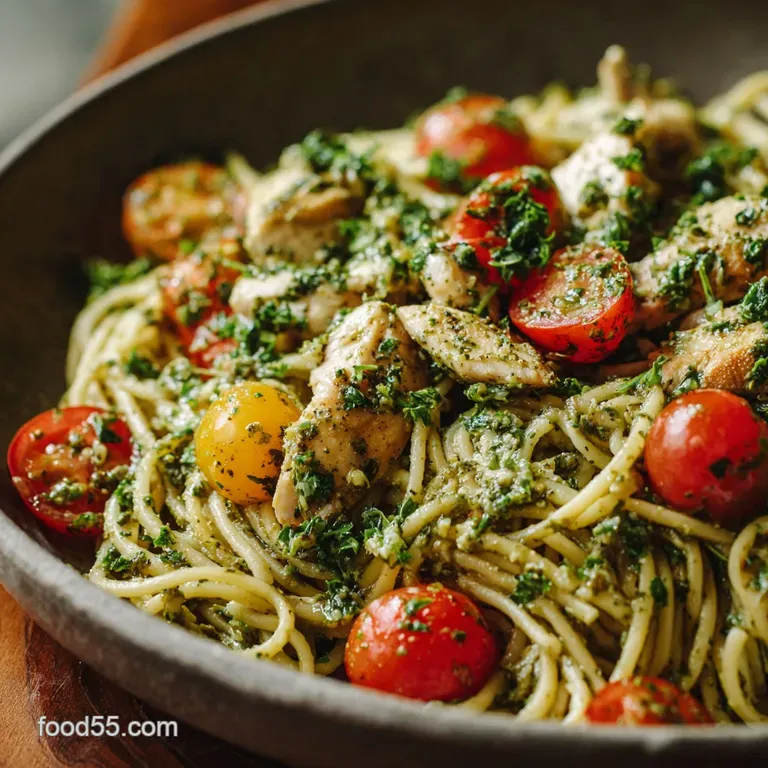
- The Proper Job Pesto Chicken Pasta: Weeknight Comfort Delivered
- Mastering the Sauce: Why This Chicken Pesto Pasta Tastes Better
- The Simple Lineup: Ingredients for Your Pesto Pasta Success
- Getting the Job Done: Step-by-Step Cooking Instructions
- Chef's Troubleshooting: Avoiding Common Pesto Pasta Mistakes
- Make Ahead, Store, and Freeze: Handling Leftover Chicken Pesto Pasta
- Perfect Pairings: What to Serve Alongside This Vibrant Dish
- Recipe FAQs
- 📝 Recipe Card
The Proper Job Pesto Chicken Pasta: Weeknight Comfort Delivered
That moment when the aroma of warming basil and toasted garlic hits the kitchen air? It’s completely transporting. Suddenly, the stress of a long workday melts away, and you feel ready for a big bowl of comfort. I promise you this is one of those dishes you’ll make repeatedly.
This recipe is the absolute definition of a weeknight hero, clocking in at under 40 minutes, start to finish. It tastes like it took all afternoon, but it uses smart shortcuts, which is essential for busy cooks.
Why bother with greasy takeout when you can have something this vibrant and satisfying faster than delivery?
I’ve made every pesto pasta mistake known to man (once I even had a sauce that looked sadly oily and separated). But I’ve fine tuned the method to ensure the sauce is always velvety, glossy, and clings beautifully to the pasta. This is the proper job, folks.
Mastering the Sauce: Why This Chicken Pesto Pasta Tastes Better
What Makes This Recipe a 35 Minute Hero?
The speed comes down to prep efficiency and maximizing existing flavour. We cube the chicken breasts so they cook quickly and evenly in the time it takes the water to boil. We also use high-quality store-bought pesto. Trust me, fighting rush hour traffic and then trying to blend homemade pesto is just too much.
Decoding the Classic: What is Authentic Pesto Pasta?
At its heart, classic pesto pasta is simple: pasta, pine nuts, basil, garlic, olive oil, and Parmesan. When you add protein, like chicken, you need to be careful not to overwhelm the delicate basil flavour.
This recipe focuses on keeping the sauce light yet creamy by using chicken stock and a secret ingredient to emulsify everything perfectly.
Your Essential Recipe Overview and Time Breakdown
We spend about 15 minutes getting ingredients ready and the water boiling. The searing and sauce making only take 20 minutes in a single pan.
| Stage | Estimate |
|---|---|
| Prep Time | 15 minutes |
| Cook Time | 20 minutes |
| Total Time | 35 minutes |
The Velvety Sauce Secret: Emulsifying Pesto and Stock
Pesto is basically raw ingredients and oil. If you just dump it over hot pasta, it can separate and turn oily yuck. The trick here is adding a small amount of heavy cream or crème fraîche, then stabilizing it with warm liquid. The result is a richer, more luxurious sauce that doesn’t split.
Perfecting the Protein: Achieving Succulent, Lean Chicken
We use boneless, skinless chicken breast, cubed small and seasoned well. Searing them over medium high heat gives them fantastic colour, but the internal temperature is the key to keeping them juicy. Always use a meat thermometer; 165°F (74° C) is your target. If you want a detailed guide on skillet searing, check out my tips for Caprese Chicken: Pan-Seared Skillet Recipe with Balsamic Glaze — the technique is identical.
Why Pasta Water is the Non-Negotiable Ingredient
This is where the magic happens. The starchy water you reserve from the cooking pot is liquid gold. When added slowly to the pesto base, it acts as an emulsifier, binding the oil and water components of the sauce. It makes the pesto cling beautifully to every single noodle instead of pooling at the bottom of the bowl.
The Simple Lineup: Ingredients for Your Pesto Pasta Success
Choosing Your Base: Best Pasta Shapes for Pesto
The best pasta shapes for pesto are ones with ridges or spirals. They grab and hold the thick, chunky sauce perfectly! I usually go for rotini, penne, or fusilli, but farfalle (bow ties) works wonderfully too.
Elevating store-bought Pesto: Flavor Boosters You Need
Since we are skipping the intensive work of homemade pesto, we need to boost the jarred stuff. Garlic, onion, and chicken stock are mandatory additions. Adding a squeeze of lemon juice right at the end also brightens everything up beautifully.
Selecting and Prepping the Chicken Breast
Look for good quality, organic chicken if your budget allows; it always tastes better. Ensure you cut the pieces roughly the same size (about 1 inch cubes) for even cooking.
Smart Substitutions for Dairy and Nuts
You shouldn't have to run to the store for one missing item!
| Ingredient | Substitute Suggestion | Notes |
|---|---|---|
| Chicken Breast | Boneless, skinless chicken thighs | More flavourful and forgiving, but they will take 2- 3 minutes longer to cook through. |
| Heavy Cream | Crème Fraîche or 2 Tbsp of Cream Cheese | Crème Fraîche adds a lovely tang. Cream cheese must be fully melted and whisked in. |
| Parmesan Cheese | Nutritional Yeast | Use 1/3 cup nutritional yeast for a cheesy, nutty flavour without the dairy. |
| Pesto (Nut Allergy) | Pine Nut-Free Pesto or Sun-dried Tomato Pesto | Read the labels carefully! Sometimes nut-free pesto uses sunflower or pumpkin seeds instead. |
Chef's Note: If you want a deeper, richer flavour without the oiliness, try adding 1/4 cup of sun-dried tomatoes (oil drained) to the aromatics when you sauté them.
Getting the Job Done: step-by-step Cooking Instructions
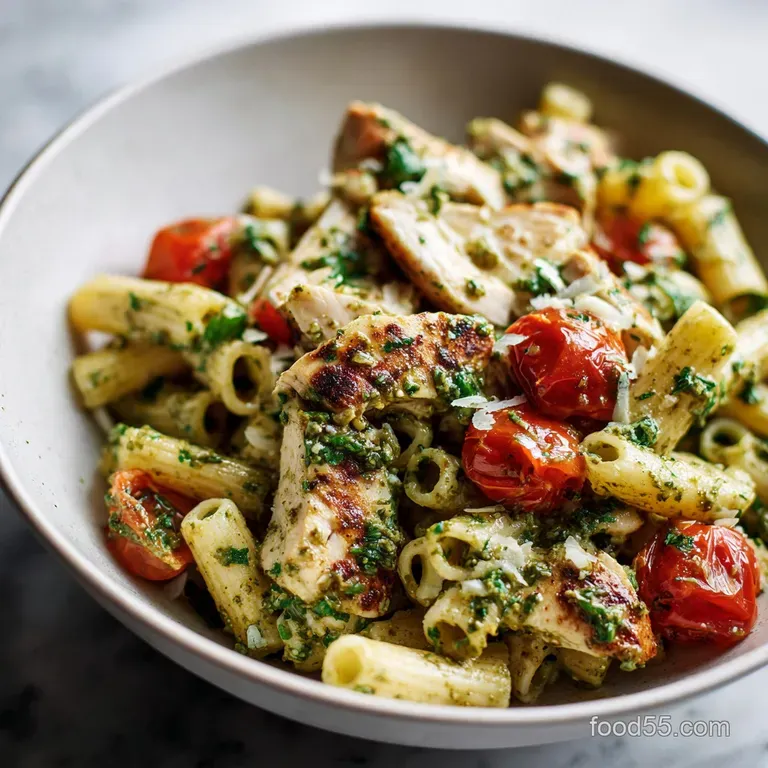
Searing the Chicken: Achieving a Perfect Golden Crust
- Prep and Season: Cube your 1.5 lb (680g) chicken breasts and season them aggressively with salt, pepper, and dried Italian herbs. This layer of seasoning is your first major flavour builder.
- Heat the Oil: Get 2 Tbsp of olive oil nice and hot in a large skillet over medium high heat. You should see it shimmering before you add the chicken.
- Sear, Don't Steam: Add the chicken cubes in a single layer, giving them space. Cook for 5– 7 minutes, flipping often, until they are golden brown and cooked all the way through (165°F). Remove the chicken immediately to a clean plate.
Building the Base Flavor: Sautéing Aromatics (Garlic)
- Softening the Onions: Reduce the heat to medium. Add the small diced onion to the same skillet, letting it cook in the rendered chicken fat for about 3 minutes until softened.
- Aromatics: Throw in 3 minced garlic cloves and cook for just 60 seconds until you can really smell them. Crucial warning: Do not let the garlic brown or burn; burnt garlic tastes bitter and ruins the whole sauce.
- Deglaze: Pour in the 1/2 cup of low-sodium chicken stock. Use your wooden spoon to scrape up all those beautiful browned bits ( fond ) from the bottom of the pan. This is pure concentrated flavour; reduce the stock slightly for one minute.
The Final Toss: Combining Pasta, Chicken, and Velvety Sauce
- Whisking the Pesto: Reduce the heat to low. Stir in the 6 oz of pesto, the optional 1/4 cup heavy cream, and the Parmesan cheese. Give it a good whisk until everything looks combined.
- The Emulsification: Slowly start pouring in the reserved starchy pasta water, about 1/4 cup at a time, whisking constantly. Stop when the sauce reaches a glossy, creamy consistency that perfectly coats the back of a spoon. You might not need all the water!
- Combine Everything: Return the drained pasta and the cooked chicken to the skillet. Toss gently but thoroughly to coat everything in that amazing green sauce. Cook for 1– 2 minutes just to ensure the pasta is hot again.
Finishing Touches and Plating
- Taste and Adjust: Taste the dish. Does it need more salt? A dash of pepper? A squeeze of lemon juice for brightness?
- Serve: Ladle the pasta generously into bowls, and don’t forget to garnish with fresh basil and an extra grating of Parmesan cheese.
Chef's Troubleshooting: Avoiding Common Pesto Pasta Mistakes
Preventing Dry Chicken: The Key to Juiciness
People tend to leave the chicken in the sauce while they are still working on the pasta, which is a major mistake. The latent heat of the sauce continues to cook the chicken. Fix: Cook the chicken first, remove it entirely, finish the sauce, and only add the chicken back in for the final 60 second toss to warm it up.
Fixing Split or Oily Pesto Sauce
If your sauce looks separated (oil slicking off the liquid), it’s usually because the heat was too high when you added the pesto, or you didn't emulsify properly. Fix: Take the pan off the heat entirely. Whisk in 1 tablespoon of starchy pasta water, then whisk in 1 teaspoon of cold butter, or a splash of cold heavy cream. The fat and cold temperature shock often help the sauce come back together. Also, never rinse your pasta; the starch is crucial for clinging (I talk more about starch and non-gloopy sauces in my recipe for Southwestern Pasta Salad: Zesty, Non-Gloopy Recipe with Chipotle Vinaigrette ).
The Critical Mistake of Over Tossing
Pesto, especially store-bought, often includes delicate nuts and herbs. If you violently stir or toss the finished dish for too long, you’ll break down the pesto’s texture, and the basil can turn muddy brown.
Fix: Toss gently with tongs, using an under and over motion, just until everything is fully coated, and then stop.
make-ahead, Store, and Freeze: Handling Leftover Chicken Pesto Pasta
How to Properly Refrigerate and Reheat (Without Drying Out)
Cooked chicken pesto pasta keeps beautifully in the fridge for up to 4 days . The challenge is reheating, as the pasta soaks up the sauce, and the chicken dries out. Tip: When storing, add 1/4 cup of plain chicken stock to the container before sealing it.
When reheating (microwave or stovetop), add 1 2 tablespoons of water or stock to loosen the sauce and add back moisture.
Freezing Pesto Sauce vs. Freezing the Complete Dish
You can absolutely freeze leftover pesto sauce on its own (put it in ice cube trays!). However, freezing the complete dish is tricky. The pasta texture will change, turning soft and grainy upon thawing. Avoid freezing the completed dish.
If you must freeze the leftovers, expect a softer texture upon reheating.
Food Safety Timeline for Cooked Chicken
Always refrigerate leftovers within 2 hours of cooking. If the dish has been sitting out at room temperature for longer than that, sadly, you need to toss it to avoid risk.
Perfect Pairings: What to Serve Alongside This Vibrant Dish
This dish is rich and decadent, thanks to the olive oil and Parmesan. Therefore, the best sides are simple, bright, and acidic to cut through that richness.
- A Simple Green Salad: Tossed with a super light lemon vinaigrette. Seriously, just lemon juice, a splash of olive oil, and a pinch of salt.
- Roasted Asparagus or Broccolini: Roasted high and fast until crisp tender, tossed with a sprinkle of sea salt.
- Garlic Bread: Because pasta needs bread. That’s just science.
- Wine Pairing: A crisp, unoaked white wine, like a Pinot Grigio, is the perfect match.
If you enjoy fast, creamy pasta dinners, you might also love my Slow Cooker Chicken Alfredo with Broccoli: Easy, Creamy, Foolproof — it takes a hands off approach to ultimate comfort food!
Recipe FAQs
My pasta seems dry after mixing in the pesto. How can I prevent this?
Pesto is oil-based and can cling heavily to pasta without proper binder. The key is to reserve about 1/2 cup of the starchy pasta cooking water before draining the noodles. Mix this reserved water into the sauce along with the pesto; it helps emulsify the oil and ensures a luscious, coating consistency.
I have a nut allergy; can I still make this recipe?
Absolutely. Traditional pesto contains pine nuts, but you can easily use quality nut-free alternatives available in most stores. Look for options made with sunflower seeds, pumpkin seeds, or even a high-quality Arugula pesto, which often relies solely on greens and cheese.
Always check the ingredient label carefully to ensure it meets your specific dietary needs.
How should I store leftover Chicken Pesto Pasta, and how long does it keep?
Store leftovers in an airtight container in the refrigerator for 3 to 4 days. For reheating, gently warm the pasta in a skillet or microwave, adding a tablespoon of chicken stock or water during the process. This restores moisture and prevents the chicken and pasta from drying out under heat.
What is the best type of pasta to use for a creamy pesto sauce?
Medium length, textured pasta shapes work best as they are excellent at holding the thick, luxurious pesto sauce. Options like fusilli, rotini, penne, or casarecce are ideal because the ridges and twists trap the sauce better than smooth shapes like linguine or spaghetti.
Can I use a different protein, like shrimp or sausage, instead of chicken?
Yes, this recipe is highly versatile and welcomes other proteins. If using shrimp, reduce the cooking time significantly, adding them to the skillet only 3-4 minutes before the sauce is added. Pre-cooked Italian sausage is also an excellent, flavourful substitute that just needs to be sliced and warmed through.
How can I make my pesto sauce creamier without adding heavy cream?
The easiest method is integrating the reserved starchy pasta water, which emulsifies the oil and thickens the sauce beautifully. For an even richer result, stir in a spoonful or two of ricotta or mascarpone cheese along with the pesto and pasta.
These cheeses melt into the sauce, adding substantial body and dairy depth.
Is it possible to freeze leftover Chicken Pesto Pasta?
Freezing is generally not recommended for pesto pasta dishes. The oil in the pesto, and any dairy you might have added, tends to separate and break down during the thawing process. This results in a texture that is grainy and watery, so it is best enjoyed fresh or refrigerated for a few days.
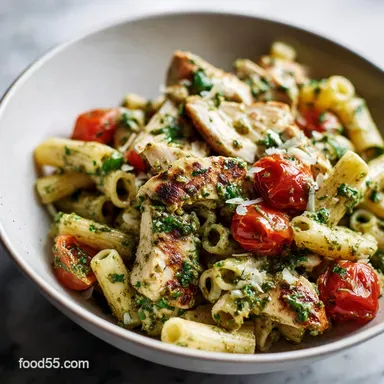
Easy Chicken Pesto Pasta Dinner
Ingredients:
Instructions:
Nutrition Facts:
| Calories | 682 kcal |
|---|---|
| Protein | 18.5 g |
| Fat | 27.6 g |
| Carbs | 75.8 g |
