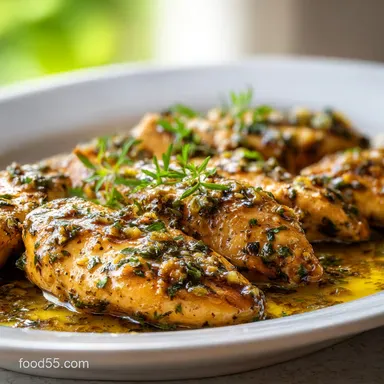
Easy Garlic Chicken: Tender and Pan-Seared
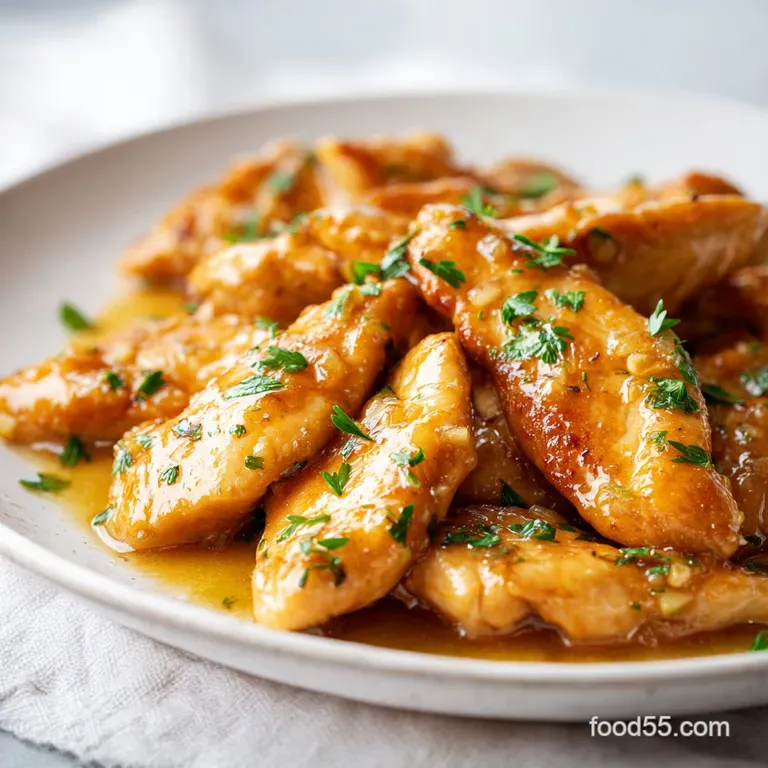
- Time: 5 min active + 15 min cook = Total 20 mins
- Flavor/Texture Hook: Velvety garlic butter with a mahogany sear
- Perfect for: Fast weeknight dinners or a low stress date night
That first sizzle when the butter hits the hot pan is everything. It's that specific, nutty aroma that tells you dinner is actually going to be good. I remember the first time I tried making this for a group of friends, and it was a disaster.
I just threw whole breasts in the pan, and by the time the thick centers were safe to eat, the outside was like chewing on a leather shoe.
The problem is that chicken breasts are shaped like footballs, which is basically the worst shape for a frying pan. If you don't fix that shape, you'll always end up with meat that's overcooked on the edges and raw in the middle.
This easy garlic chicken method fixes that by forcing the meat to be the same thickness from edge to edge.
Once you get the pounding part down, the rest is just about timing. We're going to build a sauce that's silky and bright, using the browned bits left over from the meat to add depth. It's the kind of meal that brings people together around the table without you spending three hours in the kitchen.
The Secret to Easy Garlic Chicken
Right then, let's talk about why this actually works. Most people just season and sear, but there's a bit of a logic to how we're handling the heat and the ingredients here.
Uniform Thickness: Pounding the meat to a consistent 1/2 inch means every part of the breast hits the 165°F mark at the same time. This stops the "rubbery" effect where the edges dry out while you wait for the center to cook.
The Fond Effect: Those brown crusty bits stuck to the pan are flavor gold. When we add the lemon juice at the end, it lifts those bits off the metal and swirls them back into the sauce.
Fat Based Infusion: Garlic burns fast in oil, but butter provides a buffer. By adding the butter first, we create a velvety environment that allows the garlic to soften and release its oils without turning bitter.
Acidic Balance: Fresh lemon juice cuts through the richness of the 4 tablespoons of butter. It brightens the whole dish and stops the garlic butter from feeling too heavy on the palate.
| Method | Prep Time | Texture | Best For |
|---|---|---|---|
| Fresh Garlic | 5 mins | Sharp, pungent, layered | Authentic flavor |
| Jarred Garlic | 1 min | Muted, acidic, uniform | Ultra fast nights |
| Garlic Powder | 30 secs | Toasty, integrated | Dry rubs/Baking |
Component Analysis
Before we get into the meat of the process, let's look at what the ingredients are actually doing in the pan. It's not just about taste, it's about how they react.
| Ingredient | Science Role | Pro Secret |
|---|---|---|
| Chicken Breast | Primary Protein | Pound to 1/2 inch for even cooking |
| Unsalted Butter | Fat Carrier | Use unsalted to control the sodium levels |
| Lemon Juice | Deglazing Agent | Use fresh lemon, not the bottled stuff |
| Dried Oregano | Earthy Base | Rub it between your palms to wake up the oils |
Shopping List Breakdown
You don't need anything fancy for this easy garlic chicken, just a few staples you probably already have in your fridge. Trust me on the butter, don't try to swap it for a low-fat spread or you'll lose that velvety finish.
- 1.5 lb boneless skinless chicken breasts Why this? Fast cooking and lean protein base
- 1/2 tsp salt Why this? Basic seasoning to draw out moisture
- 1/2 tsp black pepper Why this? Adds a subtle heat and woodiness
- 1 tbsp olive oil Why this? High smoke point for the initial sear
- 4 tbsp unsalted butter Why this? Creates the creamy, rich sauce base
- 6 cloves garlic, minced Why this? The heart of the flavor profile
- 1 tbsp fresh lemon juice Why this? Cuts through the butter fat
- 1 tsp dried oregano Why this? Adds a Mediterranean herbal note
- 1 tbsp fresh parsley, chopped Why this? Fresh finish to balance the richness
If you're looking for a swap, you can use garlic powder if you're in a real pinch, but it changes the texture of the sauce. For the oil, any neutral oil like canola or avocado works just as well as olive oil.
Essential Pan and Tools
You can make this in a few different ways, but the gear matters for that crust. A stainless steel skillet is my go to because it creates the best fond (those brown bits). A cast iron skillet is also brilliant because it holds heat so well. Avoid non stick if you can, as they don't brown the meat as deeply.
You'll also need a meat mallet or a heavy rolling pin. If you don't have one, just use the bottom of a heavy pot. To keep the kitchen clean, always use plastic wrap or a freezer bag over the meat when pounding. This stops chicken juices from splashing all over your counters.
Finally,, grab an instant read thermometer. It's the only way to be 100% sure the meat is done without cutting into it and letting all the juices leak out.
Step by step Cooking
Let's crack on. Follow these steps and you'll have a dinner that tastes like it took way more effort than it actually did.
- Place chicken breasts between two sheets of plastic wrap. Use your mallet to pound the thicker end until the entire breast is an even 1/2 inch thick. Note: This ensures the meat doesn't dry out
- Season both sides of the meat with 1/2 tsp salt and 1/2 tsp black pepper.
- Heat 1 tbsp olive oil in your skillet over medium high heat until it is shimmering.
- Add chicken to the pan and sear without moving it for 5-6 minutes until a deep mahogany crust forms.
- Flip the chicken and cook for another 5 minutes until the internal temperature reaches 165°F (74°C).
- Remove the chicken to a plate and let it rest for a few minutes. Note: Resting keeps the juices inside the meat
- Reduce heat to medium and add 4 tbsp unsalted butter to the same pan.
- Once the butter is bubbling, stir in 6 cloves minced garlic and 1 tsp dried oregano. Sauté for 1 minute until the garlic is fragrant but not brown.
- Stir in 1 tbsp fresh lemon juice to deglaze the pan, scraping the bottom with a spoon.
- Pour the sauce over the rested chicken and garnish with 1 tbsp chopped fresh parsley.
Fixing Common Cooking Errors
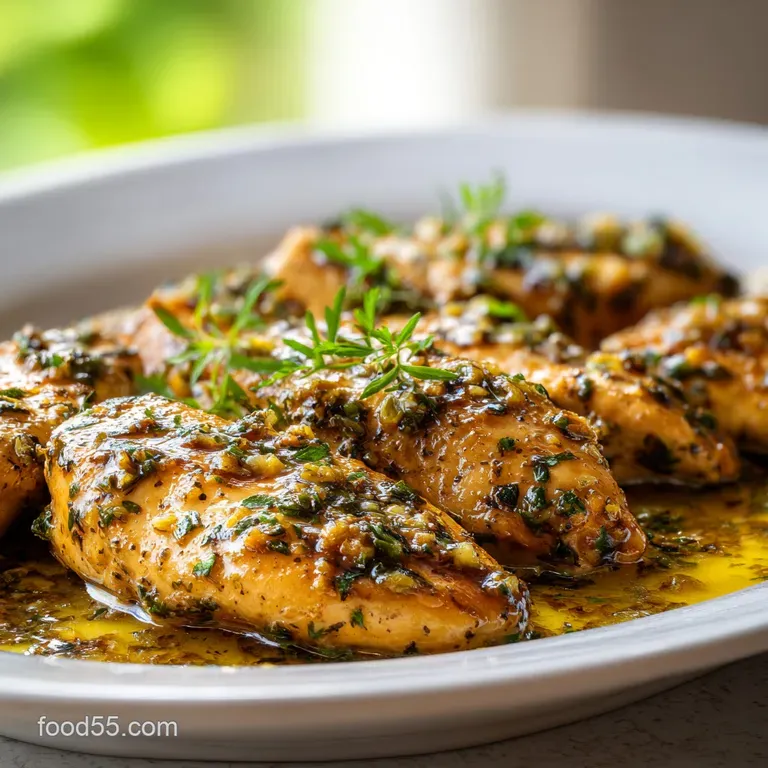
Even with a simple easy garlic chicken, things can go sideways. Usually, it's a heat issue. If your pan is too hot, the garlic burns; too cold, and the chicken steams instead of searing.
Troubleshooting Common Issues
| Issue | Solution |
|---|---|
| Why Your Meat Is Rubbery | This usually happens when the chicken is cooked too fast on high heat or isn't pounded evenly. The outer layers overcook before the center is done. Stick to the 1/2 inch thickness rule and use a therm |
| Why Your Garlic Is Bitter | Garlic has a high sugar content and burns in seconds. If it turns dark brown or black, it becomes bitter. Always add the butter first to lower the temperature before the garlic hits the pan. |
| Why Your Sauce Is Oily | If the butter separates, it's likely because the pan was too hot when you added the lemon juice. Keep the heat at medium when making the sauce to keep it velvety. |
Common Mistakes Checklist:
- ✓ Did you pound the chicken to 1/2 inch?
- ✓ Is the oil shimmering before the meat goes in?
- ✓ Did you let the meat rest before saucing?
- ✓ Is the garlic sautéed for only 60 seconds?
- ✓ Did you scrape the brown bits during deglazing?
Creative Flavor Twists
The beauty of this easy garlic chicken is how well it adapts. Depending on what's in your pantry, you can shift the vibe entirely. If you want a creamy garlic chicken recipe, just stir in 1/4 cup of heavy cream or a dollop of mascarpone right after the lemon juice.
For those looking for a healthy garlic chicken recipe, swap the butter for a mix of olive oil and a splash of chicken broth. You'll lose some of that richness, but you still get the punchy garlic flavor.
If you prefer using easy garlic chicken thighs, just increase the sear time to about 7-8 minutes per side, as thighs have more fat and can handle more heat.
You can also turn this into an easy garlic chicken pasta by tossing the finished chicken and sauce with linguine or fettuccine. If you're avoiding the stove, an easy garlic chicken oven version works too, though you'll lose the pan sear.
In that case, sear in a broiler safe pan for 3 minutes then finish in the oven at 400°F (200°C).
Storage and Scrap Tips
If you have leftovers, store the chicken and sauce together in an airtight container in the fridge for up to 3 days. When reheating, do it gently over low heat in a pan with a splash of water or broth. This prevents the butter sauce from breaking and keeps the meat from getting rubbery again.
I don't recommend freezing this once the sauce is added, as the lemon and butter can change texture. However, you can freeze the seared chicken alone for up to 2 months.
To keep things zero waste, save your lemon rinds! You can zest them into a salad or simmer them in a small pot of water to make a natural room freshener. If you have leftover parsley stems, don't toss them, just chop them finely and throw them into your next soup for an extra hit of flavor. For another comforting meal that uses similar flavors, you might love a lemon chicken orzo soup.
The Best Side Pairings
Since this easy garlic chicken is so rich, you need sides that can cut through the butter. A pile of steamed asparagus or roasted broccoli with a squeeze of lemon works perfectly. If you want something heartier, mashed cauliflower or a simple quinoa salad keeps it light.
For a real comfort feast, serve this over a bed of creamy polenta or mashed potatoes. The garlic butter sauce will soak into the potatoes, and it's honestly heaven. If you have some extra time, serving this alongside some pesto sourdough knots is a great way to mop up every last drop of that sauce from the plate.
- If you want low carb
- Pair with sautéed spinach or zoodles.
- If you want a crowd pleaser
- Pair with garlic mashed potatoes and green beans.
- If you want a light lunch
- Serve sliced over a bed of arugula with cherry tomatoes.
Kitchen Truths
There's a lot of noise out there about searing meat. One big myth is that searing "locks in the juices." In reality, searing actually causes the meat to lose a bit more moisture. But we do it anyway because the flavor we get from the crust is worth the trade off.
Another misconception is that you need to "rest" meat only if it's a huge roast. Even a chicken breast needs a few minutes. When the meat cooks, the juices push to the center; resting allows them to redistribute so they don't all run out the second you cut into it.
Finally, some people think you have to use fancy organic garlic for it to taste good. While fresh is always better than jarred, the most important thing is the quantity. Six cloves might seem like a lot, but once it's sautéed in butter, it mellows out into something velvety and sweet.
Recipe FAQs
How to cook simple garlic chicken?
Pound chicken to 1/2 inch thick, sear in olive oil for 5-6 minutes per side, and top with a sautéed garlic butter and lemon sauce.
Can a diabetic eat this chicken?
Yes, this recipe is suitable for diabetics. It focuses on lean protein and fats without any added sugars.
Why is my chicken rubbery?
The meat was likely cooked too quickly or unevenly. Ensure you pound the breasts to a consistent 1/2 inch thickness so the center reaches 165°F before the exterior overcooks.
Why does the garlic taste bitter?
The garlic burnt due to excessive heat. Always add butter to the pan first to lower the temperature before adding the minced garlic.
How to store leftovers?
Place chicken and sauce in an airtight container in the fridge for up to 3 days. Reheat gently over low heat with a splash of water to keep the sauce from breaking.
Can I freeze this dish?
No, avoid freezing once the sauce is added. The lemon and butter can change texture, though you can freeze the seared chicken alone for up to 2 months.
How to get the most flavor into the sauce?
Deglaze the pan with lemon juice to incorporate the browned bits. If you enjoyed using this technique here, see how it creates depth in our turkey potato skillet.
Easy Garlic Chicken