The Perfect Char Sunshine Lemonherb Grilled Salmon with Dill
- Why This Grilled Salmon Recipe Deserves the Spotlight
- The Magic of Maillard: Unlocking the Ultimate Grilling Flavor
- What You Need: Sourcing the Best Salmon and Fresh Herbs
- Essential Tools for Flawless Grilling Setup
- Step-by-Step Guide to Charred Perfection
- Mastering the Grill: Flipping and Glazing Techniques
- Troubleshooting and Pro Tips for Your Next Cookout
- Recipe FAQs
- 📝 Recipe Card
Why This Grilled Salmon Recipe Deserves the Spotlight
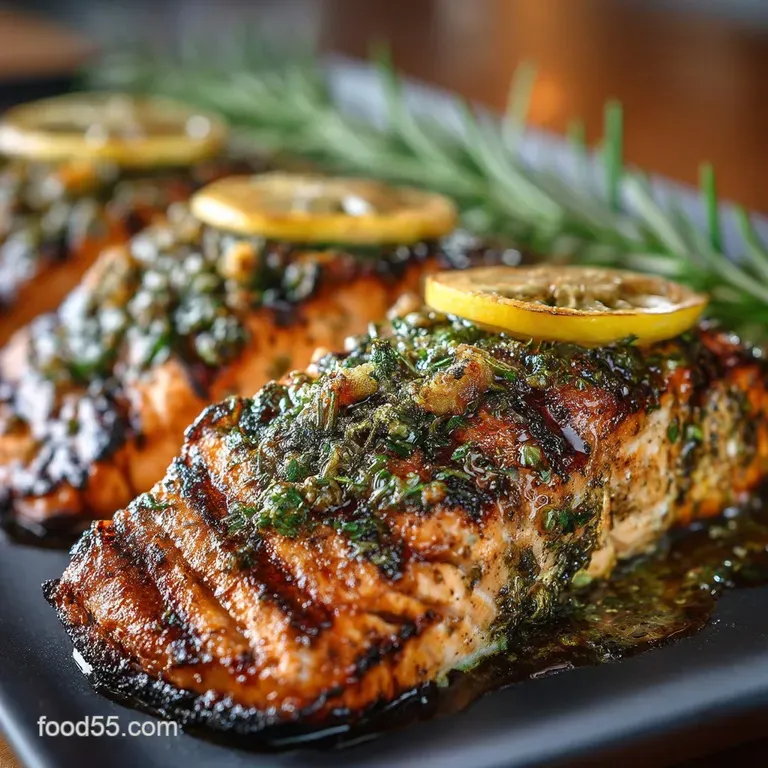
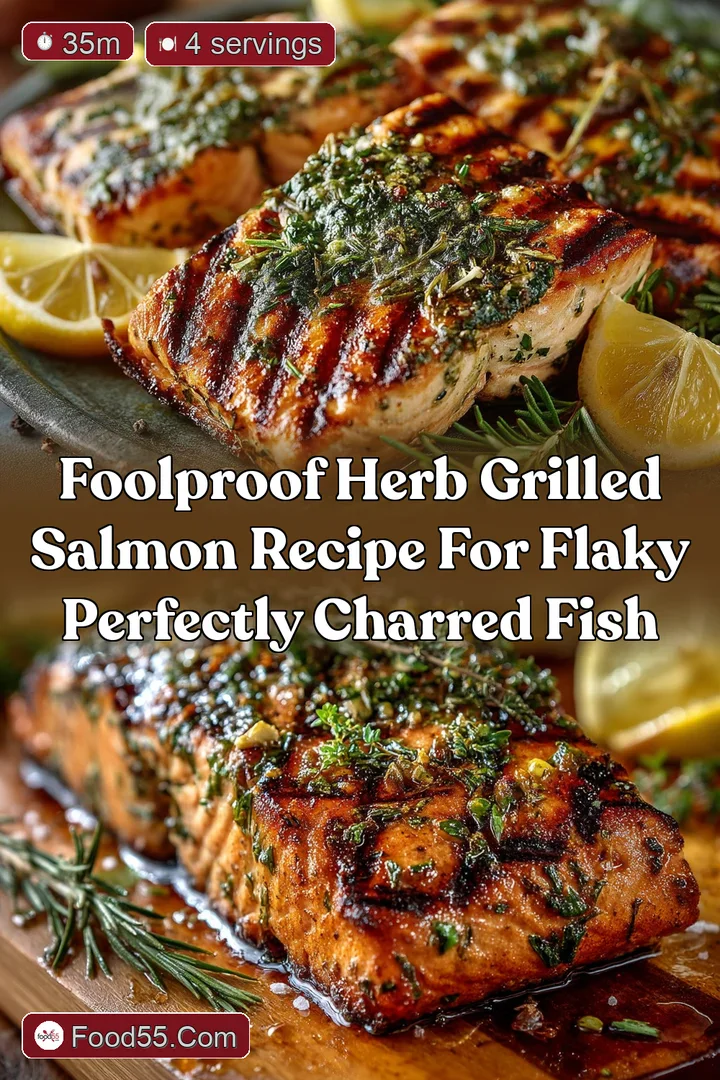
If there is one dish that instantly elevates an ordinary backyard gathering into a five star summer experience, it is perfectly seared Grilled Salmon . This particular grilled salmon recipe is my secret weapon because it bypasses the common pitfalls of dry fish and sticky grills, delivering a consistently flaky, moist result wrapped in a savory, slightly sweet crust.
It’s an exercise in Easy Grilling , requiring only 15 minutes of active preparation before the heat does the rest of the work.
Forget heavy, complicated barbecue meals; this dish offers immediate luxury and intense flavor, proving that quality, healthy dining doesn't have to take hours.
The Magic of Maillard: Unlocking the Ultimate Grilling Flavor
Achieving peak flavor in any protein cooked over high heat relies on the Maillard reaction the browning process that creates hundreds of complex flavor compounds. When grilling fish, our goal is to maximize this char and caramelization while minimizing the cooking time to ensure the interior remains tender.
Our approach uses a strategic combination of high heat cooking and a sweet, acidic glaze that intensifies that crucial browning effect. This is the secret to transforming simple seasoned fillets into restaurant quality Salmon Recipes Bbq Grilled delights.
Flavor Profile: Bright Glaze Meets Smoky Char
The defining characteristic of this dish is the vibrant Sunshine Lemon Herb Glaze. Unlike heavy sauces that mask the salmon’s delicate flavor, this light mix comprised of Extra Virgin Olive Oil, fresh lemon juice, clear honey, Dijon mustard, and a generous amount of fresh dill and parsley acts as a zesty grilled salmon marinade .
The honey provides the necessary sugars to promote rich caramelization against the smoky char of the grill, while the lemon juice keeps the overall profile incredibly bright. This layering of flavor is what makes this specific preparation a celebrated Herb Grilled Salmon .
Effortless Elegance: Quick Prep for Luxurious Results
Many luxurious meals demand long prep times, but this recipe is exceptionally streamlined. With only about 15 minutes of active work needed for seasoning and glaze preparation, the entire process from start to plate is accomplished in approximately 35 minutes.
This makes it an ideal choice for busy weeknights when you still crave something impressive and high-quality, minimizing cleanup and maximizing enjoyment.
A Healthier Take on the Summer BBQ Staple
Salmon is celebrated globally as a superfood, rich in beneficial omega-3 fatty acids and high-quality protein. When prepared using this method, the final dish is notably lean and nutritious.
Each 175g serving provides around 35g of protein and only an estimated 380 calories, making this one of the most satisfying Healthy Salmon Recipes you can incorporate into your summer repertoire without sacrificing flavor or substance.
Is Salmon Skin Essential for Grilling Success?
The simple answer is yes, particularly when utilizing a gas or charcoal grill. The skin serves a critical functional role: it acts as a built-in protective barrier between the extremely hot grates and the delicate flesh.
By starting the fish skin side down, the skin absorbs the initial shock of the high heat, preventing the flesh from drying out and ensuring that the final result is perfectly moist.
What You Need: Sourcing the Best Salmon and Fresh Herbs
Quality ingredients are paramount to success. For this recipe, look for four skin-on salmon fillets, ideally cut to about 175g each (totaling approximately 700g). When sourcing, look for salmon that is bright, firm, and has clear marbling.
Since the herbs fresh dill and parsley are the aromatic backbone of the glaze, they should be vibrant green and fragrant; wilted herbs will dull the flavor. You’ll also need basic pantry staples like sea salt, freshly ground black pepper, Dijon mustard, clear honey, and a neutral, high heat oil such as grapeseed or canola for oiling the grill.
Related Recipes Worth Trying
- Baked Salmon and Asparagus Foil Packets Recipe 30 Min — This is the ultimate fussfree Salmon in Foil Recipe Our Baked Salmon and Asparagus foil packets steam perfectly in zesty lemon garlic butter Maximum flavour...
- Easy Grilled Shrimp Tostadas with Zesty Avocado Crema — Forget soggy bases These Grilled Shrimp Tostadas feature smoky lime shrimp bright slaw and creamy avocadoa total flavour fiesta Get the simple recipe
- Easy Baked Salmon Cakes with Lemon Dill Foolproof Recipe — Forget dry fish cakes These Healthy Baked Salmon Cakes are moist bright and wonderfully crisp using Panko A truly Easy Salmon Cakes recipe
Essential Tools for Flawless Grilling Setup
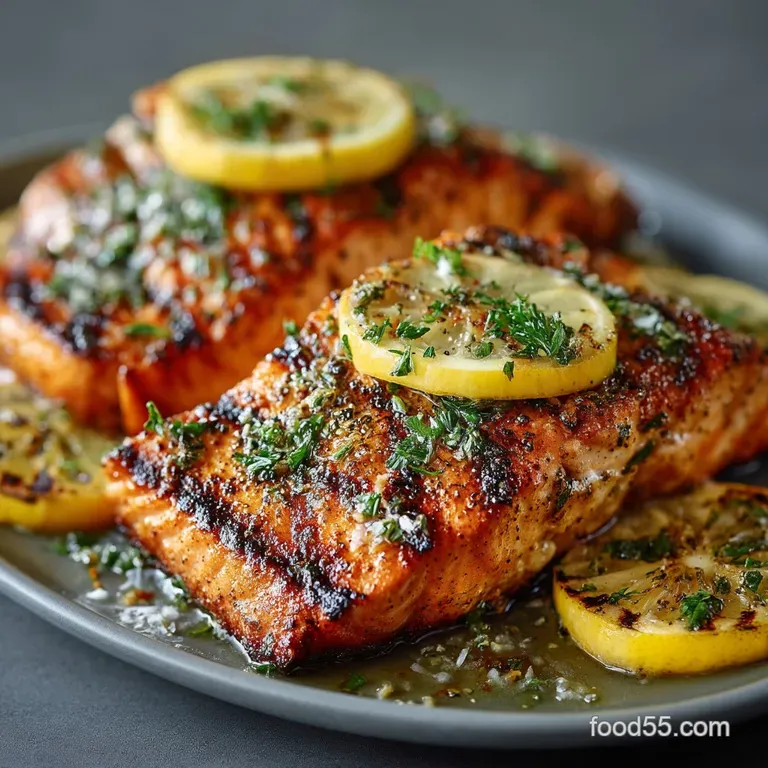
Successful grilling is as much about technique as it is about equipment. While you don't need exotic gear, a few core tools are non-negotiable. Essential equipment includes a sturdy grill brush (steel wire is best for aggressive cleaning), long handled tongs for safe maneuvering, a small whisk for emulsifying the glaze, and a pastry brush specifically for applying the grilled salmon seasoning and glaze.
Choosing Your Cut: Fillets vs. Steaks (Skin On or Off?)
We rely on 175g fillets for this preparation because they cook quickly and consistently. While salmon steaks offer a thicker cut, fillets provide more surface area for that desirable crust. As previously noted, retaining the skin is crucial for providing protection against the direct heat of the grill.
For those wishing to explore deep smoky flavors, consider alternative methods like Planked Salmon Recipes Grilling , which uses thicker cuts and indirect heat to infuse the fish with wood flavor.
Crafting the Zesty Lemon Honey Glaze Base
The Lemon Herb Glaze is simple and fast. Combine the 2 tablespoons of extra virgin olive oil, 2 tablespoons of fresh lemon juice, 1 tablespoon of clear honey, and 1 teaspoon of Dijon mustard in a small bowl. Whisk until the mixture emulsifies slightly. Then, stir in the finely chopped dill and parsley.
A critical step for food safety is reserving half of this mixture in a separate, clean bowl immediately. This reserved portion is the "finishing glaze" and will not touch the raw fish, ensuring you have a clean, bright sauce to brush on after cooking.
Prepping Your Grill Surface for Zero Stick Cooking
The single most important step for grilling delicate fish is proper grill preparation. Preheat your gas or charcoal grill to a scorching medium high heat, roughly 450° F ( 230° C). Once hot, scrub the grates until they are completely spotless.
Then, and only then, coat the hot, clean grates liberally with high heat cooking oil using a paper towel held securely by tongs. A properly cleaned and oiled surface is your absolute guarantee against the infamous stick and-tear incident.
Temperature Control: Must Have Gear for Perfect Doneness
Overcooked fish is dry fish. To ensure your salmon remains beautifully flaky and moist, an instant read meat thermometer is an indispensable tool. We aim to pull the fillets off the grill when the internal temperature hits 140° F ( 60° C) for a moist medium rare, or 145° F ( 63° C) for a medium, flaky result.
This eliminates the guesswork entirely.
step-by-step Guide to Charred Perfection
Before lighting the grill, meticulous preparation of the salmon is key. Start by thoroughly patting the four fillets dry using paper towels; any surface moisture will inhibit searing. Next, season the flesh and skin sides lightly with the coarse sea salt and freshly ground black pepper.
This initial dry seasoning prepares the surface for the heat and constitutes the base of your grilled salmon seasoning . Once seasoned, lightly brush the flesh side of the fillets with the main glaze mixture that has been exposed to raw fish.
This is the first layer of the grilled salmon marinade designed to adhere to the flesh as it cooks.
Mastering the Grill: Flipping and Glazing Techniques
The cooking process is fast, demanding full attention for the 8 10 minute cook time.
The Crucial 30-Minute Brine Strategy
While we are not performing a classic brine here, the concept of surface conditioning is similar. We must ensure the fillet surface remains dry post seasoning. After seasoning and applying the initial light coat of glaze, the salmon should rest briefly just long enough for the grill to reach temperature.
This ensures the salt begins to draw out minimal moisture, which is then reabsorbed, promoting better searing characteristics. Resist the urge to let the fish sit too long and re-weaken the skin.
Initial Sear: Skin Side Down Timing
Place the prepared fillets directly onto the prepped, hot grates, skin side down . This is the longest and most crucial phase. Close the lid and allow the fish to cook completely undisturbed for 4 to 5 minutes.
Do not peek, poke, or attempt to move the fillets during this time. The protein is setting and bonding with the grate, and premature movement will result in the skin tearing away.
Applying the Glaze for Maximum Caramelization
After the initial 4– 5 minutes, gently check one fillet with the tongs. If it releases easily (a sign the sear is complete), flip the salmon. Immediately brush the now-exposed, crispy skin side with a little more of the main glaze mixture.
The honey content ensures this second coat caramelizes quickly under the heat.
Knowing When Your Grilled Salmon is Done (The Flake Test)
Continue cooking for another 3 to 5 minutes after flipping. Use your thermometer to check the thickest part of the fish. When it reaches 140° F ( 60° C), transfer the fillets immediately to a resting platter.
The internal heat will carry over, raising the temperature slightly. Just before serving, brush the fillets generously with the reserved, clean finishing glaze to deliver maximum fresh herb and lemon zestiness.
Troubleshooting and Pro Tips for Your Next Cookout
Even seasoned cooks encounter challenges. Having solutions ready ensures your Grilled Salmon success is guaranteed.
How to Avoid the Infamous Stick and-Tear Disaster
The triple threat for preventing sticking is: (1) Patting the salmon completely dry; (2) Ensuring the grill is aggressively hot ( 450° F / 230° C); and (3) Applying high heat oil to the hot, clean grates right before the fish goes on.
Finally, once the salmon is down, leave it alone until the skin releases naturally. Patience is your greatest tool here. If direct grilling seems too risky, preparing your grilled salmon in foil pockets is a safe alternative, though you will sacrifice the crisp, charred texture.
Flavor Variations: Spicy Mango vs. Mediterranean Rub
While the Lemon Herb Glaze is bright and classic, salmon accepts a wide array of flavors. For a tropical twist, substitute the glaze components with soy sauce, sesame oil, fresh ginger, and chili flakes for an Asian Glaze.
Alternatively, skip the glaze altogether and apply a dry rub of paprika, garlic powder, onion powder, and dried thyme for a grilled salmon seasoning reminiscent of blackened Cajun flavors.
For truly show stopping presentations and deep, infused smoke flavor, experiment with Planked Salmon Recipes Grilling , where the salmon cooks gently on a pre-soaked cedar plank.
Storing Leftovers and Reheating Safely
Leftover salmon should be stored in an airtight container in the refrigerator and consumed within three days. To reheat without drying it out, avoid the microwave. Instead, place the fillets in a shallow baking dish, cover loosely with foil, and bake in an oven or air fryer at a low temperature (around 275° F / 135° C) until just warmed through.
What to Serve Alongside Lemon Herb Grilled Salmon (Pairing Guide)
The brightness of the lemon and dill pairs beautifully with crisp, fresh sides. Serve this Herb Grilled Salmon alongside a simple lemon and garlic roasted asparagus or a refreshing couscous salad loaded with chopped cucumber and tomatoes.
For a wonderful textural contrast, finish the plate with a quick, cool sauce made from Greek yogurt or crème fraîche brightened with extra lemon zest and pepper. To drink, a crisp, unoaked Sauvignon Blanc is a classic choice, mirroring the acidity in the fish.
Recipe FAQs
I always seem to make a hash of grilling fish how do I stop my salmon sticking to the barbecue grate?
Ah, the classic grilling nightmare! The secret lies in the 'Holy Trinity' of non-stick grilling: clean, hot, and oiled. Make sure your grill is scorched clean and then brushed with high heat oil just before placing the fish down.
Crucially, once the skin side is down, leave it completely alone for the first four to five minutes. This allows the protein to set and form a proper crust, meaning the fish will release easily when it's time to flip, preventing that dreadful flaky mess.
What’s the safest internal temperature for Grilled Salmon, and how do I know when it’s perfectly flaky?
For moist, restaurant quality results, we recommend pulling your Grilled Salmon off the heat when it hits 140°F (60°C). It will continue cooking while resting (carry over cooking) and reach the medically advised 145°F (63°C) safety temperature.
If you don't have a thermometer (and you really should!), look for visual cues: the salmon should be opaque throughout, and the flesh should separate easily into large flakes when gently pressed with a fork.
It looks like typically British weather, and I can't use the grill. Can I still cook this recipe indoors?
Absolutely! This recipe works perfectly well indoors, whether you're battling rain or just prefer the hob. For that crispy skin, pan-sear the salmon in a cast iron skillet over medium high heat, following the same time structure (4-5 minutes skin side down, then flip).
Alternatively, if you have several fillets, baking them at 400°F (200°C) for 12 15 minutes will provide a beautifully moist result, though you'll miss that distinct smoky char from the barbecue.
That lemon honey glaze looks lovely, but can I prep it in advance, and is it a healthier option than rich sauces?
You can certainly prep the glaze ahead of time; whisking it up a day or two early and storing it in the fridge saves valuable minutes when dinner is on the cards. Just remember to reserve half of the mixture before brushing any onto the raw fish!
Compared to heavy cream or butter based sauces, this glaze is a spot-on healthier choice. It relies on bright flavours from fresh herbs, lemon juice, and heart healthy olive oil, while the honey adds a touch of necessary caramelisation without excessive fat.
I’ve made too much! How long can I safely store leftover salmon, and is it still okay to eat cold the next day?
Cooked salmon, stored in an airtight container, will keep perfectly well in the fridge for up to 3 to 4 days. It’s actually fantastic served cold the next day, particularly flaked into a lovely pasta salad or added to a brunch bagel with cream cheese and capers.
If reheating, use the oven or air fryer on a low temperature to prevent it from drying out; microwaving can often lead to a rubbery texture that resembles shoe leather.
Easy Lemonherb Grilled Salmon
Ingredients:
Instructions:
Nutrition Facts:
| Calories | 890 kcal |
|---|---|
| Protein | 10.0 g |
| Fat | 30.9 g |
| Carbs | 28.3 g |
| Fiber | 9.3 g |
| Sodium | 10282 mg |
