Roasted Butternut Squash: the Maple-Kissed Cubes for Christmas Dinner
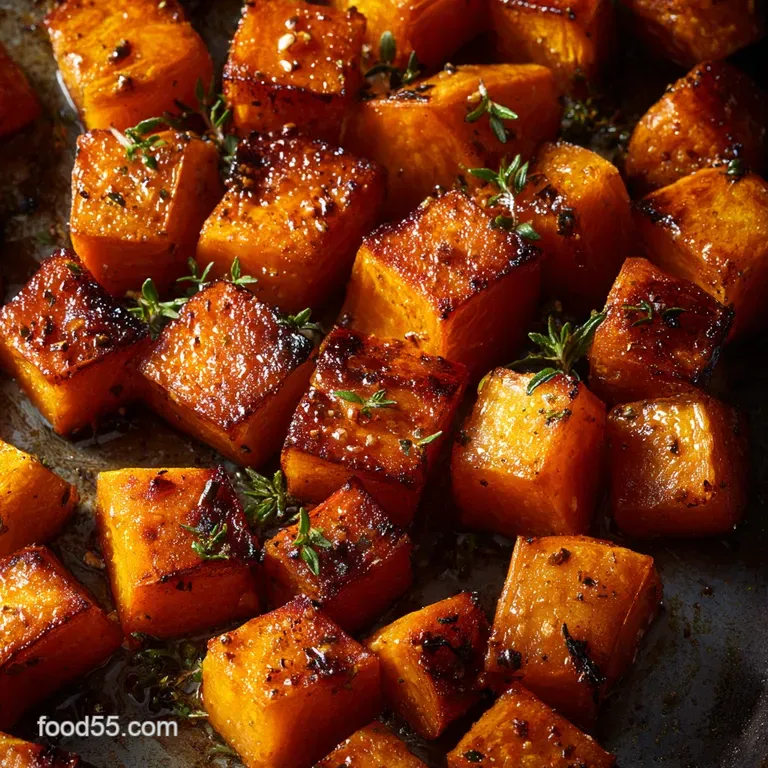
- The Autumn Ace: Mastering Maple-Kissed Roasted Butternut Squash
- The Science of Sweet and Savory: Why High Heat Roasting is Key
- Essential Pantry Checklist for Maple-Thyme Roasted Butternut Squash
- Versatile Swaps: Adjusting Flavor Profiles and Sweeteners
- Detailed Prep Guide: Safely Breaking Down the Butternut Squash
- Step-by-Step: Achieving the Perfect Caramelized Roasted Butternut Squash
- Troubleshooting and Chef’s Notes for a Flawless Roast
- Extending Freshness: Storing and Reheating Leftover Squash
- Elevating the Plate: Creative Serving Ideas for Roasted Butternut Squash
- Recipe FAQs
- 📝 Recipe Card
The Autumn Ace: Mastering Maple Kissed Roasted Butternut Squash
That smell, right? When the oven heat hits the maple syrup and fresh thyme, your entire kitchen suddenly smells like a warm hug and the start of Thanksgiving. This roasted butternut squash isn't just a side dish; it’s a total flavor experience.
The flesh softens into something incredibly fudgy and sweet, while the edges get wonderfully caramelized and slightly crisp.
Forget complicated side dishes that take hours of fussing; this roasted butternut squash recipe is the ultimate weeknight lifesaver. It’s so unbelievably easy and surprisingly cheap, especially when squash is in season. You literally chop, toss, and walk away for 30 minutes.
Plus, this method produces Butternut Squash that pairs well with pretty much anything you are already cooking this fall.
I used to roast squash terribly, always ending up with pale, mushy cubes that steamed in the pan. But I cracked the code through trial and error, and I’m sharing all my best tricks with you today so you can achieve those perfect, deeply browned edges and a silky interior every single time.
Let’s get roasting!
The Science of Sweet and Savory: Why High Heat Roasting is Key
Why Butternut Squash Excels as a Foundational Side Dish
Butternut squash is the perfect canvas for flavor building. It has a high water content but also a significant natural sugar level, which means it browns beautifully when handled correctly. When you master this simple technique, you have a foundation for countless Butternut Squash Recipes Easy all season long. It works hot, cold, or pureed.
A Quick Note on Seasonal Sourcing and Sweetness Levels
The sweetness of your final dish is heavily dependent on the ripeness of the squash. Look for deep tan skin and heavy weight for its size. Squash harvested later in the season (closer to winter) tends to be sweeter and less watery, giving you a better final roasted product.
Defining the Perfect Caramelized Roast Texture
We are aiming for that magical duality: a tender, almost pillowy interior surrounded by a chewy, deeply flavorful crust. If the squash cubes are mushy throughout, they were crowded or under roasted. The best cubes should be tender but retain their shape, holding up well when tossed.
The Maillard Reaction on Squash Flesh Explained
The Maillard reaction is just a fancy term for browning, but it’s essential here. When the natural sugars and amino acids in the squash hit high heat (400°F is non-negotiable), they react to create those complex, nutty, savory flavors we crave.
Pale squash just tastes like warm squash; browned squash tastes like autumn .
The Role of Maple Syrup in Encouraging Outer Caramelization
Maple syrup is our secret caramelization accelerator. We only use a tiny bit, just enough to coat the cubes lightly and give the heat something to quickly brown on the outside. This extra sugar layer crisps up faster, creating a fantastic crust before the interior overcooks.
How Fresh Thyme Balances the Underlying Sweetness
Thyme is earthy and slightly peppery, providing the perfect counterpoint to the sweetness of the maple and the squash itself. It stops the dish from tasting overly dessert like. If you don't have fresh thyme, dried works, but fresh herbs are always better for aromatics like this .
Essential Pantry Checklist for Maple Thyme Roasted Butternut Squash
You don't need much, which is why this is such an easy staple. Stick to quality ingredients, especially the maple syrup, because the flavors concentrate dramatically during the over high heat roast.
- 1 medium Butternut Squash (about 2.5 lbs)
- Extra Virgin Olive Oil (or mild avocado oil)
- Grade A Maple Syrup (dark is best)
- Fine Sea Salt and Freshly Ground Black Pepper
- Fresh Thyme Leaves
Versatile Swaps: Adjusting Flavor Profiles and Sweeteners
You absolutely need fat, sugar, and seasoning, but you can definitely play around with the flavor components based on what you have in the pantry.
Selecting the Best Squash: Weight, Appearance, and Ripeness
When shopping for Butternut Squash, avoid any that look sickly green or have blemishes. Pick one that feels heavy for its size. A heavier squash indicates denser flesh and less watery material, which ultimately leads to better roasted texture.
Sourcing high-quality Maple Syrup (Grade A vs. Grade B)
If you have it, grab Grade A Dark or Very Dark Maple Syrup. These grades have a much stronger maple flavor than the light versions and stand up better to the intensity of over high heat roasting. If you're using cheaper syrup, the flavor may disappear entirely.
The Optimal Ratio of Oil to Syrup for Coating
This is key: use 2 parts oil to 1 part sweetener (2 Tbsp oil, 1 Tbsp maple). The oil is there to conduct heat and prevent sticking. Too much syrup and it burns; too much oil and it becomes greasy. We want a light, even coat, not a swimming pool.
Alternative Herb Pairings (Sage or Rosemary)
If thyme isn't your jam, try fresh sage or rosemary. Both are robust enough to handle the heat. Sage works especially well if you are serving this alongside pork. Rosemary adds a beautiful piney note that is fantastic for Christmas Dinner Side Dishes .
Recommended Oils for over High heat Roasting (Avocado or Olive)
While I love good EVOO, I often switch to avocado oil for this recipe because it has a higher smoke point. If you use olive oil, just make sure it’s a standard (not delicate) Extra Virgin Olive Oil.
Replacing Maple Syrup (Honey vs. Brown Sugar)
Need a swap?
| Ingredient | Substitution | Ratio Notes |
|---|---|---|
| Maple Syrup | Honey or Agave Nectar | Use 1:1, but honey can be slightly stickier. |
| Maple Syrup | Light Brown Sugar | Use 1 tsp (less than the liquid), ensuring you mix it until it dissolves slightly into the oil. |
Detailed Prep Guide: Safely Breaking Down the Butternut Squash
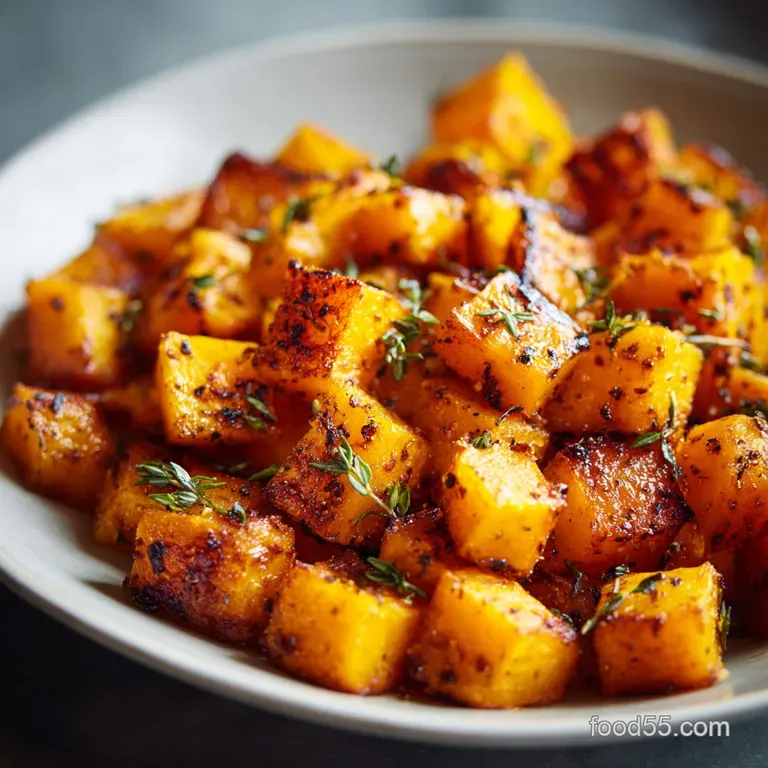
Let’s be honest: cutting a butternut squash can feel like a wrestling match. But I have two tricks that make it surprisingly easy and safe.
Peeling Techniques: The Microwave Softening Trick
To make peeling much easier and safer, pierce the squash skin all over with a fork (like 10 times). Microwave the whole squash on high for 3 minutes. This softens the outer skin just enough that a standard Y-peeler glides right through it.
Trust me, this simple trick changes everything.
Seeding and Removing Fibrous Strands Efficiently
After peeling, slice the squash in half lengthwise. Use a regular metal spoon to scrape out the seeds and the stringy, fibrous strands. Scoop until the cavity looks perfectly smooth. That spoon works so much better than using the sharp point of a knife.
Achieving Uniform Dicing for Even Cooking Times
This is a step you cannot rush. All of your cubes must be the same size aim for about one inch. If you have some tiny slivers and some huge chunks, the small pieces will burn before the big pieces even soften. Uniformity equals guaranteed perfection in your final [roasted butternut squash cubes].
The Importance of Non-Crowding (The Single Layer Rule)
Once tossed, spread the squash onto a large baking sheet lined with parchment paper. This is the most critical instruction in the entire recipe. If the squash cubes are touching, the moisture they release will trap heat, creating steam, and you end up with mush. Use two trays if you need to!
Mixing and Coating the Cubes Evenly in the Glaze
Place the cubes in a large bowl. Drizzle with oil first and toss. Then add salt, pepper, thyme, and maple syrup, and toss again vigorously. This two-step coating ensures the seasoning sticks and the syrup is evenly distributed, not pooled at the bottom.
Setting and Maintaining the Optimal Oven Temperature
Preheat that oven to 400°F (200°C) and let it run for a full 15 minutes after the light says it’s ready. Roasting vegetables needs high, sustained heat to achieve that essential caramelization. Low heat is the enemy of perfect roast veggies.
step-by-step: Achieving the Perfect Caramelized Roasted Butternut Squash
Yields: 4 servings
Prep Time: 15 minutes
Cook Time: 30– 35 minutes
- Prep the Oven and Tray: Preheat your oven to 400°F (200°C). Line a large baking sheet with parchment paper.
- Cut the Squash: Use the microwave trick to soften the skin, then peel, seed, and chop the butternut squash into uniform 1 inch (2.5 cm) cubes.
- Toss with Oil: Place the cubed squash in a large bowl. Drizzle with 2 Tbsp of olive or avocado oil and toss until every piece is coated.
- Glaze and Season: Sprinkle the squash with ¾ tsp salt, ½ tsp pepper, and 1 tsp fresh thyme. Drizzle with 1 Tbsp maple syrup. Toss thoroughly until the squash has a glistening, even glaze.
- Spread and Roast: Spread the seasoned squash onto the prepared baking sheet in a single layer . Roast for 20 minutes.
- Flip and Finish: Remove the tray, flip or stir the squash gently with a spatula to expose new surfaces, and return to the oven for another 10 to 15 minutes. The squash is done when it's fork tender and the edges are deeply golden brown.
Troubleshooting and Chef’s Notes for a Flawless Roast
Preventing Mushy Squash: Controlling Moisture Before Roasting
If your squash seems wet after dicing, pat it dry with a paper towel before tossing it with oil and seasoning. Removing excess surface moisture ensures the Maillard reaction can start immediately when the squash hits the oven. This little step makes a huge difference in achieving crispy edges.
The Biggest Mistake: Underheating the Oven
I once threw a tray of cubed squash into an oven that I thought was preheated but wasn't fully hot yet. The result was a pale, sad mess. If the oven isn't at 400°F, you are braising the squash in its own moisture, not roasting it. We need that fierce, intense heat right away. This applies to all roasted vegetables; if you love deeply browned veggies, check out my tips for Savory Roasted Sweet Potatoes: Crispy Edges Smoky Balsamic Glaze for more temperature science.
Adjusting Seasoning Post Roast (The Acid Touch)
Sometimes, after roasting, the sweetness might feel a bit overpowering. If you taste a finished cube and feel like it’s missing a little pop , stir in a tiny squeeze of fresh lemon juice or a splash of good quality balsamic vinegar. The acid brightens the entire dish instantly.
Chef’s Note: Never add fresh thyme stems. The stems are woody and unpleasant to chew. Make sure you strip the leaves thoroughly before mixing them into the oil.
Extending Freshness: Storing and Reheating Leftover Squash
Roasted butternut squash is a great candidate for meal prep because it holds up well but you must store and reheat it correctly to preserve that texture.
Shelf Life of the Finished Dish
If you keep your [roasted butternut squash recipe] in an airtight container, it will last beautifully in the fridge for 3 to 4 days. It tastes great cold, too, which is perfect for tossing into weekday salads.
How to Safely Freeze Roasted Butternut Squash Cubes
Yes, you can freeze it! Cool the roasted squash completely, then spread it in a single layer on a parchment lined tray and freeze until solid. Transfer the frozen cubes to a heavy duty freezer bag or container. It keeps well for up to 3 months.
Reheating Methods to Retain Texture (Oven vs. Air Fryer)
Do not microwave this unless you want immediate mush. To bring back that lovely caramelized edge, reheat the squash spread out on a baking sheet at 350°F (175°C) for about 8– 10 minutes, or until hot.
If you have an air fryer, 5 minutes at 380°F (195°C) will make it taste freshly roasted.
Elevating the Plate: Creative Serving Ideas for Roasted Butternut Squash
This isn't just a side dish; it’s an ingredient.
For Salads: Let the cubes cool slightly and toss them through a hearty autumn mix. They are the star ingredient in my favorite Autumn Chopped Salad: Roasted Butternut, Maple Vinaigrette , adding weight and sweetness.
As a Base: Mash half of the roasted squash with a splash of cream and a knob of butter for a rustic puree, then fold the remaining roasted cubes into the mash for texture.
In Soups: Roasted squash cubes are incredible stirred into a thick stew right before serving. They also form the delicious, smoky foundation for my very popular Chili Butternut Squash Soup with White Beans Ultra Creamy Vegan Supper . It adds amazing depth.
Recipe FAQs
Do I need to peel the butternut squash before roasting?
Technically, no; the skin is edible and softens considerably during high heat roasting. However, for the best texture and fastest cook time, it is highly recommended to remove the skin first. If left on, the skin can be tough and slightly chewy.
Why is my roasted butternut squash mushy instead of caramelised?
Mushiness usually occurs due to overcrowding the baking sheet, which traps steam instead of allowing the edges to dry out and caramelise. Ensure the squash pieces are spread in a single layer with a little space between them, and use a high enough oven temperature (around 400°F / 200°C).
Can I prepare the squash ahead of time?
Yes, you can peel, seed, and cube the butternut squash up to two days in advance. Store the cut pieces in an airtight container or a large zip-top bag in the refrigerator. Wait to add the maple syrup or seasoning until just before roasting to prevent the squash from weeping moisture.
What are some good variations if I don't like thyme?
Rosemary or sage are fantastic herbaceous substitutes that pair wonderfully with maple and butternut squash. For a spicier kick, try adding a pinch of cayenne pepper or chilli flakes along with the salt and oil. You could also substitute the maple syrup with brown sugar or honey.
How should I store leftovers, and can I freeze roasted squash?
Leftovers should be stored in an airtight container and refrigerated, where they will keep well for 3 to 4 days. While you can technically freeze roasted squash, the texture will be significantly softer and mushier upon thawing, so it’s best used immediately or incorporated into soups.
What is the best way to handle the squash to ensure consistent cooking?
After peeling, scrape out the seeds and stringy guts completely, then cut the remaining flesh into uniform, 1 inch cubes. Uniform pieces are key because they ensure the entire batch cooks at the same rate, preventing some pieces from burning while others remain underdone.
Easy Maple Roasted Butternut Squash
Ingredients:
Instructions:
Nutrition Facts:
| Calories | 221 kcal |
|---|---|
| Protein | 3.7 g |
| Fat | 7.2 g |
| Carbs | 39.2 g |
