Charcuterie Board Mastered: the Low-Stress Guide for Fall Grazing
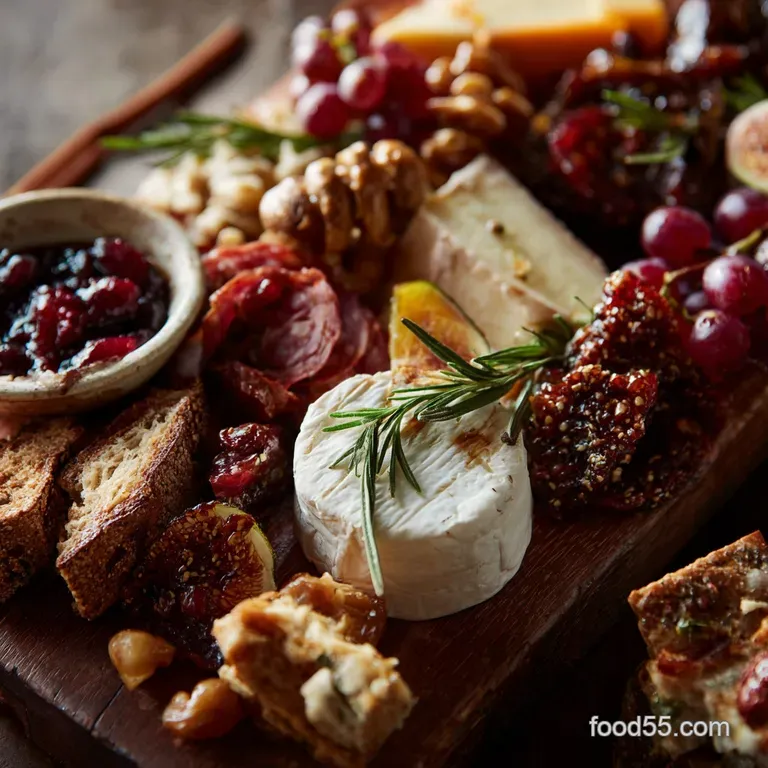
- The Grand Grazing: Crafting the Ultimate Low-Stress Charcuterie Board
- The Science of the Perfect Bite: Flavor and Texture Harmony
- Essential Components for Your Masterful Charcuterie Board
- Assembly Guide: How to Build a Stunning Charcuterie Board
- Expert Plating Secrets and Common Board Building Pitfalls
- Handling Leftovers: Maximizing Freshness and Safety
- Perfect Pairings: Beverages and Dips for Your Grazing Platter
- Recipe FAQs
- 📝 Recipe Card
The Grand Grazing: Crafting the Ultimate Low-Stress Charcuterie Board
There is truly nothing better than the moment you set a loaded charcuterie board down, right? The smell of salty cured meats hitting that sharp tang of cheddar and the sticky sweetness of jam is just irresistible.
You get this instant symphony of textures, from the creamy Brie to the shattering crunch of a water biscuit. It’s pure culinary theater.
Forget spending hours messing around with fussy appetizers. A Charcuterie Board is my ultimate secret weapon for low-effort, high impact entertaining, whether it’s a lazy Sunday afternoon or a big DIY Thanksgiving Charcuterie Board spread.
It literally requires zero cooking, and if you know how to shop smart, it’s one of the most budget friendly ways to feed a crowd beautifully. It’s the easiest way to look like a rock star hostess, honestly.
I used to spend way too much money buying random ingredients that didn't go together, resulting in boards that looked sad and confusing. I learned the hard way that structure and strategy are everything. Today, we are breaking down my tried and true formula for How To Make an Epic Charcuterie Cheese Board My GoTo Guide — the one that guarantees the "perfect bite" every single time.
The Science of the Perfect Bite: Flavor and Texture Harmony
Moving Beyond Basic Platters
Anyone can throw some Cheese And Crackers Charcuterie Board items onto a plate. But an epic board? That requires intention. We aren't aiming for a random assortment; we are building balanced bites.
The goal is that when you pick up one item, you instinctively know which other two items belong with it for total flavor harmony. This is the difference between grazing and feasting.
The Charcuterie Board Rule of Five Explained
This is my holy grail for Charcuterie Boards For Beginners, and it works every time. You need to ensure you hit all five flavor and texture profiles: Meat, Cheese, Crunch, Sweet, and Acid.
If you miss one of these categories, the board falls flat, leaving your guests craving something they can’t quite name. This formula ensures balance, cutting through richness with necessary acidity.
Why Simple Elegance Wins Every Time
Look, I am a huge proponent of not overthinking things. We want variety, but we don't need twelve different kinds of cheese. Sticking to three thoughtfully chosen types (one hard, one soft, one funky) looks elegant, feels intentional, and drastically cuts down on your shopping time and cost.
It’s all about quality over sheer quantity.
Balancing Salty Cured Meats with Sweet Accents
Think about Prosciutto di Parma. It’s intensely salty and fatty, right? That’s where the sweet elements come in, providing a critical counterpoint. Fig jam or a touch of honey offers a sticky, warm sweetness that beautifully mellows the sharp, savory notes of the Charcuterie Board Ingredients.
It's truly magic how well it works.
The Necessity of Acid: Cleansing the Palate
This is where most novice board builders fail! You can only eat so much rich meat and cheese before your palate gets fatigued. We need acid the palate cleanser. Items like cornichons, marinated artichoke hearts, or briny olives provide that necessary sharp, acidic burst to reset your taste buds, encouraging you to keep going back for more.
Achieving the Ideal Crunch Factor
A creamy piece of Brie deserves something structural to sit on. You need multiple sources of crunch: a neutral cracker (so it doesn't fight the cheese), a dense carb like baguette slices, and something smaller and textural, like roasted nuts.
Don’t underestimate the satisfaction of a good audible crunch!
Essential Components for Your Masterful Charcuterie Board
I’ve learned that the best Charcuterie Board Ideas For Fall are those that combine familiar flavors with one or two exciting new things. Use the list below as your blueprint, but always feel free to make swaps based on what you love most.
The Cured Meat Selection: Pâté vs. Prosciutto
For a solid foundation, pick two contrasting meats. Prosciutto is thin, silky, and salty, perfect for wrapping around a piece of melon or olive. Hard Salami (like Calabrese) provides a firmer texture and spice.
If you want something richer, you could definitely add a small, rustic terrine or pâté for spreadable goodness, but stick to the hard/soft contrast.
Curating the Cheese Trio: Hard, Soft, and Crumbly
This trio provides the perfect spectrum of flavor and texture. The Aged Cheddar gives you sharpness and a good crumb. The Creamy Brie melts in your mouth and carries toppings well. The Blue Cheese is your wildcard it's pungent, funky, and glorious when paired with honey.
Chef’s Note: Never pair a delicate, expensive wine with super strong blue cheese; the cheese will murder the wine. Better to serve something light and bubbly, like Prosecco.
Crackers and Carbs: The Foundation of Crunch
You need a neutral base. Water biscuits are my go-to because they won't compete with the complexity of the cheese or jam. Always include slices of crusty baguette because they offer a different kind of satisfying chew. Think of them as strong little edible plates!
Quick Swaps for the Sweet & Acid Elements
If you can’t find specific ingredients, don't panic! The flavor profile is what matters most. If you want to make your own sweet component, I highly recommend my recipe for Sweet and Savory Prune Onion Jam My GoTo Cheese Board Chutney . It's the absolute best.
| Category | If you don't have... | You can use... | Why it works... |
|---|---|---|---|
| Sweet | Fig Jam | Honeycomb or Pear Slices | They cut the saltiness and add natural sugar. |
| Acid | Cornichons | Pickled Onions or Capers | Provides the essential briny, sharp flavour needed for palate cleansing. |
| Meat | Prosciutto | Coppa or Speck | Maintains that thinly sliced, delicate texture. |
| Cheese | Blue Cheese | Aged Goat Cheese Log | Provides necessary pungency and tanginess. |
Assembly Guide: How to Build a Stunning Charcuterie Board
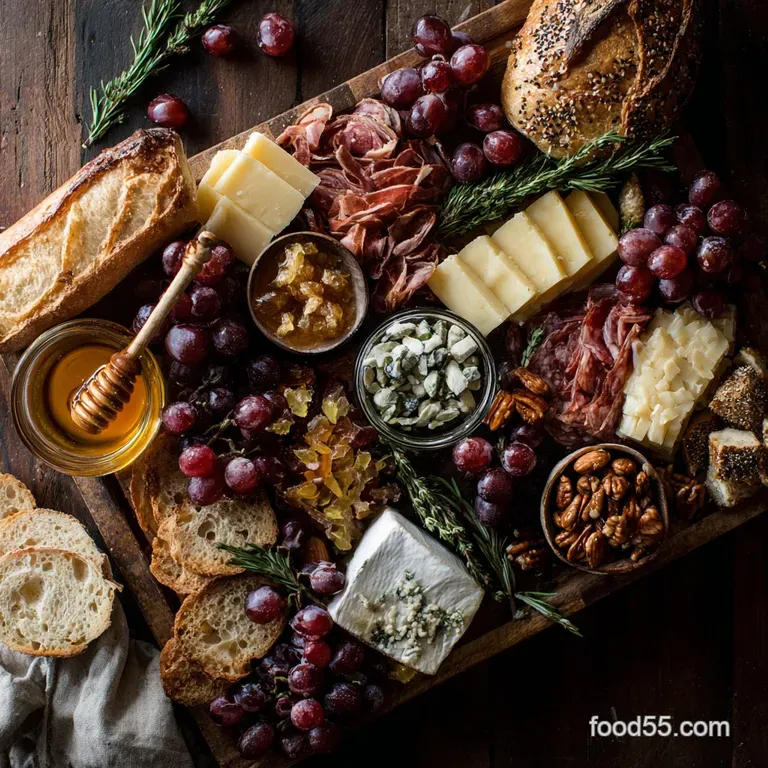
This is where the magic happens! Follow these steps, and you’ll create a Small Fall Charcuterie Board Ideas spread that looks professional, even if you’re a total beginner.
Prep the Vessels: Ramekins and Bowls First
Start by getting your wet, messy ingredients contained. Drain your olives and pickles really well nobody wants olive oil slicking up their crackers. Place your jams, honey, and brined items into small ceramic ramekins and set them on the board first.
These are your anchors, establishing the structure of your DIY Thanksgiving Charcuterie Board.
The Art of the Meat Fold and Cheese Placement
Place your cheeses next, aiming for a nice visual triangle across the board. The easiest way to arrange your cured meats is to make them look effortless. Instead of laying Prosciutto flat, fold it loosely into artful ribbons or rosettes.
For round slices of salami, try folding them into quarters and stacking them in a winding "s" shape it instantly adds height and visual movement.
Filling the Gaps: Fruits, Nuts, and Olives
Now it’s time to fill in the negative space. This is the key to making a board look abundant and lush. Lay long clusters of grapes or strings of cherries into the curves created by the meat and cheese. Pour little piles of almonds or pistachios into the smallest remaining nooks and crannies.
I once made the mistake of leaving too much empty space, and the whole board looked sparse; don’t do that!
The Final Garnishes and Presentation Flourish
Once you've filled every gap (but still left room for guests to grab things!), add your finishing touches. Drizzle a little honey over your blue cheese wheel. Tuck a few fresh sprigs of rosemary or thyme between the items for a beautiful green colour pop and that lovely, woodsy aroma.
You can even use a small pile of dried apricots for a vibrant orange color contrast.
Expert Plating Secrets and Common Board Building Pitfalls
Temperature Control for Optimal Taste
This is non-negotiable: Never serve cheese straight from the fridge. I made this mistake years ago, serving my beautiful Brie cold from the fridge, and it tasted like rubber. Pull your cheeses out at least 30 minutes before serving.
This allows the milk fats to soften, releasing the full, complex aroma and flavor we pay good money for.
Pre-Slicing vs. Whole Presentation
While it’s tempting to slice everything ahead of time, resist cubing all your hard cheese. It dries out faster and loses that lovely rustic look. Cube about half of your hard cheese (Cheddar, Gouda) for ease, but keep soft cheeses (Brie, Goat Cheese) whole, providing dedicated knives nearby.
Guests love the ritual of slicing their own.
Avoiding the Overcrowded Look (White Space Matters)
I know I told you to fill the gaps, but there’s a line. The goal is lushness, not chaos. Ensure there's still room for people to reach in with tongs or a knife without knocking everything over. If your board is completely packed, the visual complexity becomes stressful instead of inviting.
Handling Leftovers: Maximizing Freshness and Safety
Safe Refrigeration Guidelines for Cheese and Meats
Charcuterie Board Ingredients are generally robust, but they need proper storage. As soon as the party is over, separate the components. Wrap cheeses tightly in parchment paper (not plastic wrap, which traps moisture) and refrigerate. Place all cured meats in an airtight container.
Do not leave the board out for more than two hours at room temperature.
Reviving Day-Old Crackers and Breads
Did your baguette slices go soft overnight? Don't toss them! Pop them onto a baking sheet and toast them in a 350°F (175°C) oven for 5- 7 minutes. They'll crisp right back up, tasting fresh and delicious. Stale crackers, however, are usually a lost cause just start fresh.
Can You Freeze Charcuterie Components?
Only the meats, and only if they were purchased frozen or vacuum sealed. Never freeze soft cheeses like Brie or Camembert; they will lose their creamy texture and become grainy upon thawing.
Hard cheeses like Cheddar can be frozen, but they often become crumbly, making them better suited for grating than for snacking on a board.
Perfect Pairings: Beverages and Dips for Your Grazing Platter
When planning your pairings, always aim for contrast. The best beverages cut through the fat and salt. A light, dry white wine, like Sauvignon Blanc, or a slightly fizzy, acidic cider works wonders. If you're looking for other grazing options, check out my guide on building a Global Tapas Board Shop by Category eBay Inspired Grazing .
For non-alcoholic options, try unsweetened sparkling cranberry juice or cold brew tea with mint. That hint of bitterness and acid cleans the palate perfectly. Skip the heavy, sweet sodas; they just weigh down the palate. Trust me, simple elegance rules here too!
Recipe FAQs
How far in advance can I prepare my charcuterie board ingredients?
Most components can be prepped 2-3 days ahead of time, including washing fruit, slicing baguettes, and cubing harder cheeses. Store all prepped items, especially meats and cheeses, separately and tightly covered in the refrigerator until assembly time.
Wait to slice any soft cheeses or assemble the final board until about 30 minutes before serving to ensure peak freshness and texture.
Why is serving temperature important for meat and cheese?
Cured meats and specialty cheeses release their most complex and layered flavors when they are served at room temperature, often referred to as "blooming." Plan to remove the board from refrigeration approximately 30-45 minutes before guests arrive.
However, remember the food safety rule that items should not sit at room temperature for longer than two hours in total.
How much meat and cheese should I calculate per guest?
If the charcuterie board is served as a light appetizer before a main meal, calculate 2 to 3 ounces of total meat and cheese per person. If the board is intended to be the main grazing event, increase this amount to 5 to 6 ounces per person, and ensure you bulk up the accompaniments.
It is always safer to slightly overestimate to avoid empty spaces or disappointed guests.
Can I make this charcuterie board vegetarian or gluten-free?
Absolutely; charcuterie boards are highly adaptable to dietary needs simply by substituting or expanding certain sections. For a vegetarian board, replace the cured meats with robust marinated vegetables like artichoke hearts, high-quality hummus, or specialized cheese dips.
For gluten-free guests, swap out traditional crackers for rice crackers, cucumber slices, or gluten-free pretzels.
What types of "Acid" ingredients work best to balance the richness?
The acidic components are crucial for cutting through the fat of the meats and cheeses and resetting the palate. Excellent choices include cornichons, pickled pearl onions, or thinly sliced pickled peppers.
You can also incorporate certain fruits like tart green apples or dried cranberries for a more subtle acidic tang.
How do I store charcuterie board leftovers safely?
Immediately after the safe serving window, you must dismantle the board completely. Store meats and cheeses tightly wrapped in separate containers in the refrigerator, where they should last 3 to 5 days.
Discard any items that look oily or feel questionable, and store crackers and bread in airtight containers at room temperature.
How can I make an elegant charcuterie board on a tight budget?
Focus on sourcing one high-quality, specialty item (like an artisanal cheddar) and pair it with lower cost staples like basic salami or mozzarella balls. Bulk out the board visually and quickly using inexpensive, high volume items such as grapes, simple pretzel sticks, or bowls of mixed nuts.
Presentation is key; use small serving bowls and simple stacking to make even affordable items look gourmet.
Easy Master Charcuterie Board Recipe
Ingredients:
Instructions:
Nutrition Facts:
| Calories | 824 kcal |
|---|---|
| Protein | 39.0 g |
| Fat | 57.8 g |
| Carbs | 37.1 g |
