Elevated Macaroni and Cheese: Silky and Rich
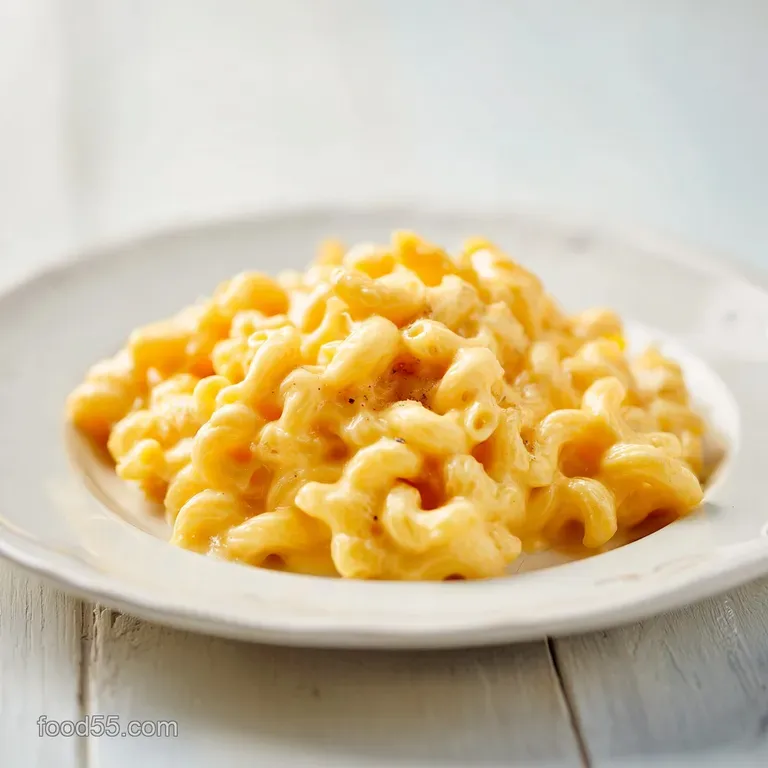
- Time: Active 20 minutes, Passive 30 minutes, Total 50 minutes
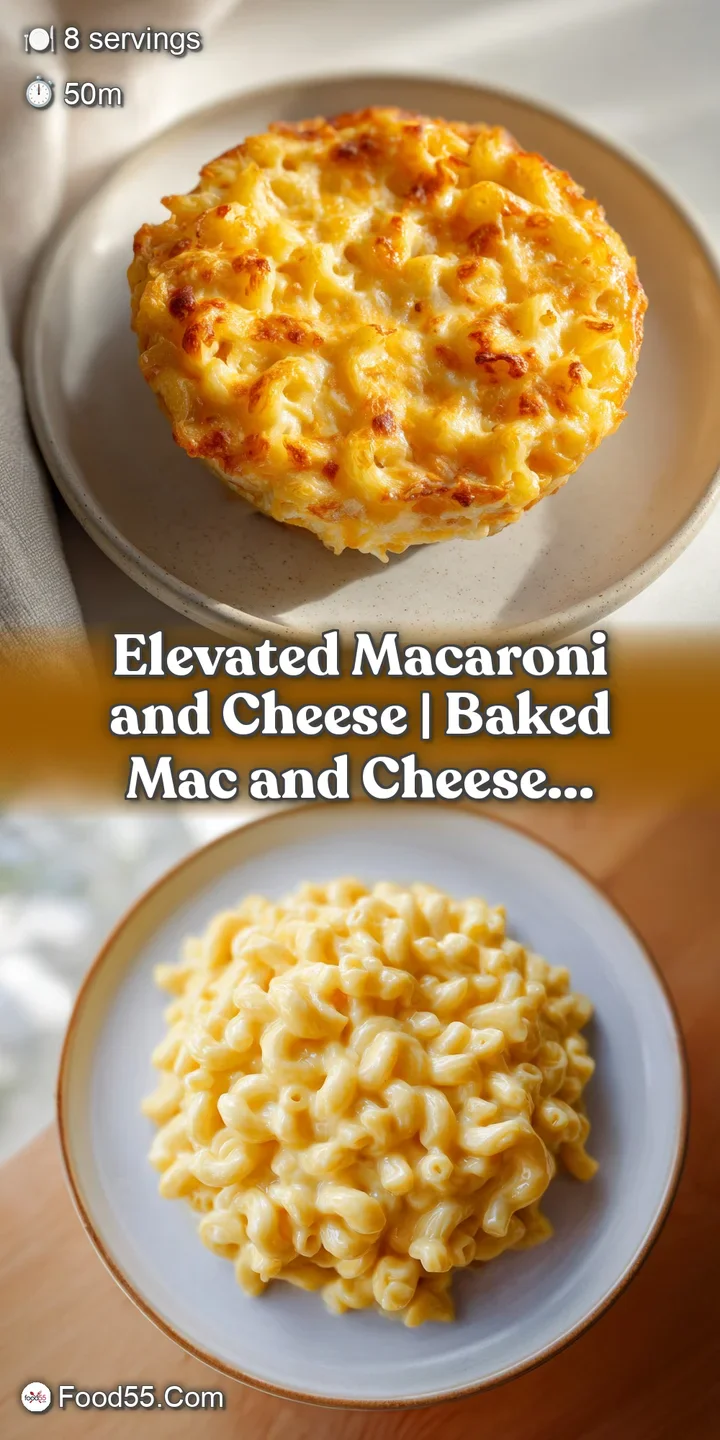
- Flavor/Texture Hook: A shattering mahogany crust giving way to silky, fontina rich pasta.
- Perfect for: Intimate holiday gatherings, Sunday family dinners, or a sophisticated comfort food craving.
- Mastering the Ultimate Elevated Macaroni and Cheese
- Why This Works
- Decisions for Your Perfect Bake
- Component Analysis and Selection
- The Alchemy of the Elements
- Step-by-Step Culinary Process
- Fixing Common Texture Issues
- Adjusting for Different Groups
- Choosing Your Best Method
- Debunking Kitchen Tales
- Storage and Zero Waste
- Bringing it All Together
- Very High in Sodium (⚠️)
- Recipe FAQs
- 📝 Recipe Card
Mastering the Ultimate Elevated Macaroni and Cheese
There is nothing more heartbreaking than pulling a casserole dish out of the oven only to find a pool of yellow oil separating from a grainy, clumpy mess of noodles. I remember one specific Friendsgiving where I tried to get fancy with a pre shredded "Mexican blend" and some random leftover brie.
The result was a rubbery, tasteless disaster that we ended up hiding under a mountain of hot sauce. That night taught me that while mac and cheese is the ultimate comfort, it is also a delicate dance of moisture and fat.
This recipe is the direct result of those failures, designed to give you that velvety, soul hugging texture every single time.
We are moving past the blue box and even past the standard stovetop versions. We want something that feels intentional. We want a sauce that clings to the ridges of the pasta without being gloopy, and a topping that provides a distinct, audible crunch.
When you take that first bite, you should taste the nuttiness of the Gruyère, the sharp bite of the cheddar, and the creamy pull of the Fontina. It is about creating a shared meal that feels like a warm hug but looks like it belongs on a restaurant menu.
This version is built on a foundation of technique. We are using a roux based Mornay sauce, infused with aromatics that wake up the palate. The addition of Dijon mustard and nutmeg might seem small, but they are the secret bridge between the heavy fats and the savory pasta.
You’ll notice we aren't just melting cheese; we are building an emulsion that stays stable even under the heat of the broiler. If you have ever struggled with dry noodles or a sauce that disappears into the pasta, this is the fix you’ve been looking for.
Why This Works
Stability through Emulsion: The roux acts as a physical barrier that prevents the fat in the cheese from separating when exposed to high oven temperatures.
Thermal Gradience: Warming the milk and cream before adding them to the flour prevents the starch from clumping, ensuring a texture that is completely smooth.
The Triple Threat Melt: Combining Gruyère (for flavor), sharp cheddar (for bite), and Fontina (for stretch) creates a complex profile that outclasses any single cheese dish.
Par Baking Protection: Cooking the pasta for 2 minutes less than the package instructions allows it to finish cooking in the cheese sauce, soaking up flavor without becoming soggy.
Decisions for Your Perfect Bake
| Goal | Preparation Step | Finishing Touch | Result |
|---|---|---|---|
| Ultra Creamy | Add 2 extra tbsp of heavy cream | Bake covered for 20 mins | A soft, saucy texture |
| Extra Crunchy | Double the panko and butter | Broil for final 2 mins | A thick, shatter crisp top |
| Sharp and Tangy | Increase Dijon to 1 tbsp | Add extra sharp cheddar on top | A bold, pungent flavor |
Before we jump into the pantry, let's talk about the heart of the dish. A lot of people ask if they can just use whatever cheese is in the drawer. While I'm all for zero waste, the "Elevated Macaroni and Cheese" specifically relies on the chemistry of these three cheeses working in tandem. Fontina is our secret weapon for that gooey, stringy pull, while Gruyère adds a sophisticated earthy note that cheddar alone just can't provide. If you want to try a different spin on cheesy comfort, you might also enjoy this Cheesy Chicken Casserole which uses a similar three cheese philosophy.
Component Analysis and Selection
| Ingredient | Role | Pro Secret |
|---|---|---|
| Cavatappi | Texture | The corkscrew shape and ridges trap the sauce inside and out for maximum flavor. |
| Gruyère | Flavor Profile | Always grate this yourself from a block; pre shredded versions are coated in starch that ruins the melt. |
| Nutmeg | Aromatic Bridge | It doesn't make it taste like dessert; it highlights the sweetness of the cream and the nuttiness of the cheese. |
| Panko | Structural Crunch | Panko has a larger surface area than standard breadcrumbs, leading to a much more dramatic crunch. |
Selecting the right pasta is the first step toward a gourmet result. While elbow macaroni is the classic choice, I find that Cavatappi or Cellentani provides a more substantial "bite." The spirals create little pockets that hold onto the Mornay sauce, ensuring you don't end up with a pile of naked noodles at the bottom of your bowl.
It turns the dish into something that feels more like a deliberate pasta course and less like a side dish.
The Alchemy of the Elements
For this recipe, we need to be precise with our measurements to ensure the sauce to pasta ratio is exactly right. I've found that 1 lb of pasta needs exactly 4 cups of liquid to stay hydrated throughout the baking process.
- 1 lb (454g) Cavatappi: Why this? The ridges and hollow center are designed to hold onto heavy, creamy sauces.
- Substitute: Large Elbow Macaroni. This provides a more traditional look but still holds plenty of sauce.
- 4 tbsp (56g) unsalted butter: Why this? high-quality butter provides the fat base for our roux and a rich mouthfeel.
- Substitute: Salted butter (just reduce the added sea salt by half).
- 1/4 cup (30g) all purpose flour: Why this? This is the thickening agent that stabilizes our cheese emulsion.
- Substitute: 1 to-1 gluten-free flour blend for a celiac friendly version.
- 3 cups (710ml) whole milk: Why this? Whole milk provides the necessary water content to cook the pasta further in the oven.
- Substitute: 2% milk (the sauce will be slightly thinner but still workable).
- 1 cup (240ml) heavy cream: Why this? Adds the luxurious, velvety fat content that defines an "elevated" version.
- Substitute: Half and half (results in a less rich, slightly more liquid sauce).
- 8 oz (225g) Gruyère cheese: Why this? Provides a sophisticated, nutty, and slightly sweet flavor profile.
- Substitute: Emmental or Jarlsberg for a similar Swiss style melt.
- 8 oz (225g) extra sharp white cheddar: Why this? Delivers the classic "tang" and saltiness we expect from mac and cheese.
- Substitute: Sharp Yellow Cheddar (adds a more traditional orange hue).
- 4 oz (115g) Fontina cheese: Why this? It has a low melting point and incredible stretch for that "cheese pull" effect.
- Substitute: Gouda or Havarti for a mild, buttery melting quality.
- 1.5 cups (90g) panko breadcrumbs: Why this? Creates a jagged, light, and airy crust that stays crispy for hours.
- Substitute: Crushed buttery crackers (Ritz style) for a saltier, denser topping.
When you are gathering these ingredients, take a second to smell the Gruyère. It should smell slightly earthy and floral. When you combine that with the warmth of freshly grated nutmeg and the sharp kick of Dijon, you're not just making dinner; you're building a flavor profile that connects the rustic kitchens of Europe with American comfort.
step-by-step Culinary Process
- Preheat and Prep: Set your oven to 375°F (190°C). While that warms up, place your 3 cups of milk and 1 cup of cream in a small saucepan with 1/2 tsp nutmeg and 1/4 tsp cayenne. Warm it over low heat just until you see tiny bubbles at the edges—the air should smell lightly spiced and floral. Note: Heating the milk prevents the roux from "shocking" and clumping.
- Boil the Pasta: Bring a large pot of salted water to a boil. Drop your 1 lb of Cavatappi and cook it for exactly 2 minutes less than the "al dente" instructions on the box. Drain and set aside. Note: The pasta will finish cooking by absorbing the moisture from the sauce in the oven.
- Build the Roux: In a large Dutch oven, melt 4 tbsp of butter over medium heat. Whisk in 1/4 cup of flour and cook for 2 minutes. You are looking for a pale, sandy color and a nutty, toasted aroma.
- Create the Mornay: Slowly pour the warm milk mixture into the roux in a steady stream, whisking vigorously. Simmer for 5-8 minutes until the sauce thickens and coats the back of a wooden spoon smoothly.
- The Cheese Fold: Remove the pot from the heat. This is crucial! Fold in 3/4 of your grated Gruyère, Cheddar, and Fontina blend in small handfuls. Whisk until the sauce looks like liquid silk and smells intensely savory. Stir in 2 tsp Dijon mustard, 1 tsp salt, and 1/2 tsp black pepper.
- Combine and Layer: Toss the par boiled pasta into the cheese sauce until every spiral is filled. Pour half into a 9x13 inch baking dish. Sprinkle half of the remaining cheese over this layer, then pour the rest of the pasta on top. Finish with the final sprinkle of cheese.
- The Herb Crust: In a small bowl, mix 1.5 cups panko, 3 tbsp melted butter, 1/2 cup Parmesan, 2 tbsp parsley, and 1 tsp smoked paprika. The mixture should look like damp sand and smell of smoky herbs.
- The Final Bake: Sprinkle the panko evenly over the dish. Slide it into the oven for 30 minutes. You are waiting until the topping is a deep mahogany color and the cheese sauce is vigorously bubbling at the edges.
- The Rest: Let the dish sit for 5-10 minutes before serving. Note: This allows the sauce to set slightly so it doesn't run all over the plate when sliced.
Fixing Common Texture Issues
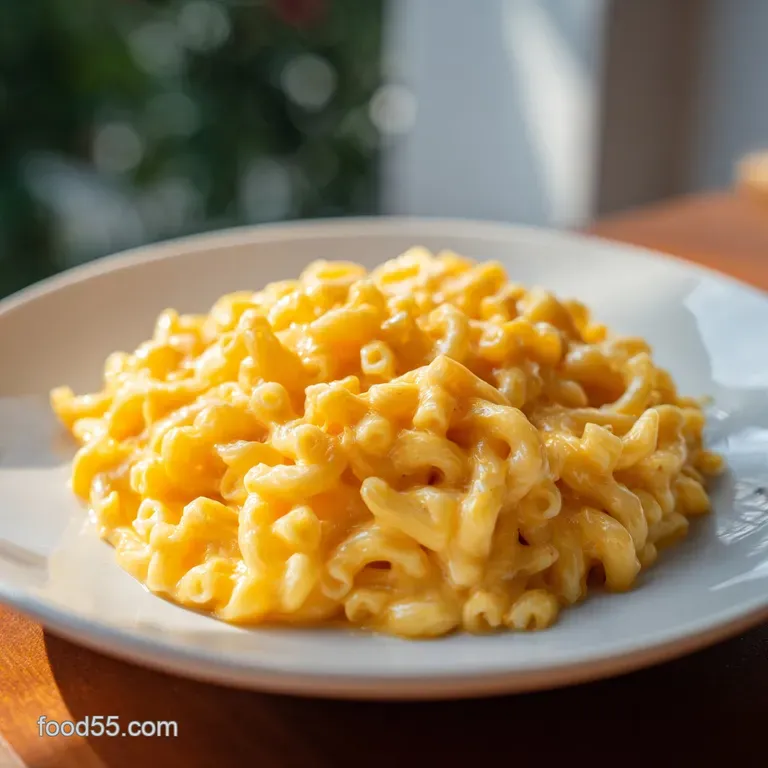
Why Your Sauce is Grainy
A grainy sauce is usually the result of "breaking" the emulsion. This happens if the cheese is added to a boiling liquid or if you use pre shredded cheese containing cellulose. The heat causes the proteins in the cheese to clump together while the fat leaches out.
| Problem | Root Cause | Solution |
|---|---|---|
| Grainy/Gritty Texture | Added cheese while sauce was boiling | Remove from heat before adding cheese and whisk slowly. |
| Oily Separation | Overheating or using low quality cheese | Keep the oven temp at 375°F and use high fat, block cheese. |
| Dry Pasta | Pasta was overcooked before baking | Ensure you par boil for 2 minutes less than al dente. |
If you ever find yourself in a rush and need a faster version, you can look at this stovetop pumpkin version which stays creamy without the oven time. However, for this elevated version, the oven is your best friend for developing that crust.
Common Mistakes Checklist
- ✓ Grate your own cheese from a block (prevents the "gritty" starch mouthfeel).
- ✓ Warm your milk and cream before adding to the roux (ensures a lump free sauce).
- ✓ Don't skip the Dijon mustard (the acidity balances the heavy fats).
- ✓ Use a Dutch oven or heavy bottomed pot (prevents the milk from scorching).
- ✓ Let the finished bake rest for 10 minutes (sets the sauce for the perfect scoop).
Adjusting for Different Groups
When you're cooking for a crowd or just a quiet night in, the math changes slightly. Mac and cheese is notoriously tricky to scale because the evaporation rate of the milk doesn't always stay linear.
- Scaling Down (½ Batch): If you're making this for two, use an 8x8 inch pan. Reduce the baking time to 20-25 minutes. Since you'll need half an egg for some variations, beat a whole egg and measure out 2 tablespoons.
- Scaling Up (Double Batch): Use two separate 9x13 inch dishes rather than one deep one. If you try to bake a "double deep" mac and cheese, the center will be cold while the edges burn. Increase the salt and spices by only 1.5x to avoid over seasoning.
- Baking Large Quantities: When doubling the roux, give the flour and butter an extra minute to cook. Larger volumes of flour take longer to lose that "raw" taste.
Choosing Your Best Method
| Method | Time | Texture | Best For |
|---|---|---|---|
| Oven Baked | 50 mins | Crispy top, firm set | Formal dinners, holidays |
| Stovetop | 20 mins | Ultra saucy, loose | Quick weeknight cravings |
| Slow Cooker | 3 hrs | Very soft, custard like | Potlucks, hands off prep |
The beauty of this recipe is that it brings people together. Whether it's the "Southern style" soul of the dish or the "gourmet" flair of the Gruyère, everyone finds a connection at the table. If you're looking for something with a different flavor profile but the same comfort level, my Cottage Cheese Lasagna offers a tangy twist that guest always rave about.
Debunking Kitchen Tales
A very popular myth is that you need an egg to "set" the mac and cheese. In a traditional southern style, a custard based macaroni and cheese uses eggs for a sliceable, cake like texture.
However, for a truly elevated, creamy version, a properly executed roux and Mornay sauce provide all the structure you need without the risk of the sauce tasting like scrambled eggs.
Another misconception is that "the more cheese, the better." While it sounds good in theory, adding too much cheese can actually overwhelm the sauce's ability to hold the fat. This leads to the "oil pool" at the bottom of the dish. It's about the ratio of cheese to sauce, not just the sheer volume of cheddar.
Finally, some say rinsing pasta helps it not stick. Never rinse your pasta for mac and cheese! The starch on the surface of the noodles is exactly what helps the sauce cling to the cavatappi. If you rinse it, the sauce will just slide right off to the bottom of the pan.
Storage and Zero Waste
Fridge Storage: This dish keeps beautifully in the fridge for up to 4 days. When reheating, the pasta will have absorbed much of the sauce. I recommend adding a splash of whole milk and a sprinkle of extra cheese before popping it in the microwave or a low oven (300°F/150°C) to bring back that creamy life.
Freezing: You can freeze the unbaked casserole! Assemble everything up to the breadcrumb step, wrap tightly in plastic wrap and then foil. It will stay fresh for up to 3 months.
Bake it directly from frozen at 375°F (190°C) for about 1 hour, or thaw in the fridge overnight and bake for the standard 30 minutes.
Zero Waste Tips: Don't throw away those cheese rinds! If you have the hard ends of the Parmesan or Gruyère, toss them into the milk while it's warming (just remember to fish them out before making the roux). It infuses the sauce with an incredible depth of flavor.
Also, any leftover panko mixture can be stored in a jar and used as a topping for roasted broccoli or even as a coating for chicken cutlets later in the week.
Bringing it All Together
Serving this Elevated Macaroni and Cheese is a sensory experience. As you pull it from the oven, the smell of smoked paprika and toasted butter should fill the room. The top should be a deep, golden mahogany that shatters when the spoon breaks the surface.
Beneath that crust, the sauce should be thick, ivory colored, and bubbling with a velvety consistency that coats every single spiral of pasta.
I love to serve this alongside a simple, bright green salad with a sharp lemon vinaigrette. The acidity of the greens cuts through the richness of the Fontina and Gruyère, making every bite of the pasta feel like the first one.
This is more than just a side dish; it's a way to foster genuine connections over a meal that feels both familiar and entirely new. When your friends ask what's in it, just tell them it's a little bit of science and a whole lot of love.
Enjoy the sizzle, the aroma, and most importantly, the shared joy of a perfect meal.
Very High in Sodium (⚠️)
865 mg 865 mg of sodium per serving (38% 38% of daily value)
The American Heart Association recommends limiting sodium intake to no more than 2,300mg per day, with an ideal limit of 1,500mg for most adults.
Tips to Reduce Sodium
-
Choose Lower Sodium Cheeses-25%
Significantly reduce sodium by using lactose free or reduced sodium versions of Gruyère, white cheddar, and Fontina. Many reduced sodium cheeses offer comparable flavor.
-
Halve the Added Salt-15%
Cut the 1 tsp of sea salt in half. You can gradually reduce salt in recipes as your taste buds adjust to less sodium.
-
Opt for Unsalted Breadcrumbs-10%
Use unsalted panko breadcrumbs for the topping. If unsalted are unavailable, simply omit the added salt from the topping mixture.
-
Boost Flavor with Herbs and Spices
Enhance the dish's flavor without adding sodium by using plenty of fresh parsley, smoked paprika, nutmeg, and cayenne pepper. You can also explore other herbs like thyme or rosemary.
-
Go Lighter on Parmesan-10%
Use less grated Parmesan Reggiano in the topping, or opt for a lower sodium variety if available. Parmesan can be very high in sodium.
Recipe FAQs
What can I add to mac and cheese to elevate it?
Use a sophisticated blend of Gruyère, sharp white cheddar, and Fontina. Adding a touch of Dijon mustard and nutmeg to the sauce provides a complex depth that standard recipes lack.
How can I doctor up macaroni and cheese?
Replace powdered cheese with a homemade roux based Mornay sauce. By melting 4 tablespoons of butter, whisking in flour, and slowly adding warm milk and cream, you create a velvety base that elevates the entire dish.
How to fancy up a box of macaroni and cheese?
Top the pasta with a seasoned panko crust. Combine panko breadcrumbs, melted butter, Parmesan Reggiano, parsley, and smoked paprika, then bake at 375°F until the topping turns a deep mahogany.
How to liven up mac n cheese?
Whisk in a pinch of cayenne pepper and freshly grated nutmeg. These aromatics cut through the richness of the heavy cream and butter, brightening the overall flavor profile.
Is it true I should use pre-shredded cheese to save time?
No, this is a common misconception. Pre-shredded cheese is coated in potato starch or cellulose to prevent clumping, which creates a gritty texture; always grate your own cheese from a block for a perfectly smooth sauce.
How to prevent the sauce from becoming lumpy?
Warm your milk and heavy cream before adding them to the roux. If you enjoyed mastering this smooth emulsification technique, you can apply similar logic to our Creamy Salmon Piccata to ensure a stable, silky pan sauce.
Why is my macaroni mushy after baking?
Cook your pasta exactly two minutes less than the al dente instructions. Because the noodles continue to absorb liquid and cook while in the oven for 30 minutes, this ensures the final bite remains firm and intact.
Elevated Macaroni And Cheese

Ingredients:
Instructions:
Nutrition Facts:
| Calories | 818 kcal |
|---|---|
| Protein | 31.6g |
| Fat | 48.1g |
| Carbs | 57.9g |
| Fiber | 2.4g |
| Sugar | 6.2g |
| Sodium | 865mg |
