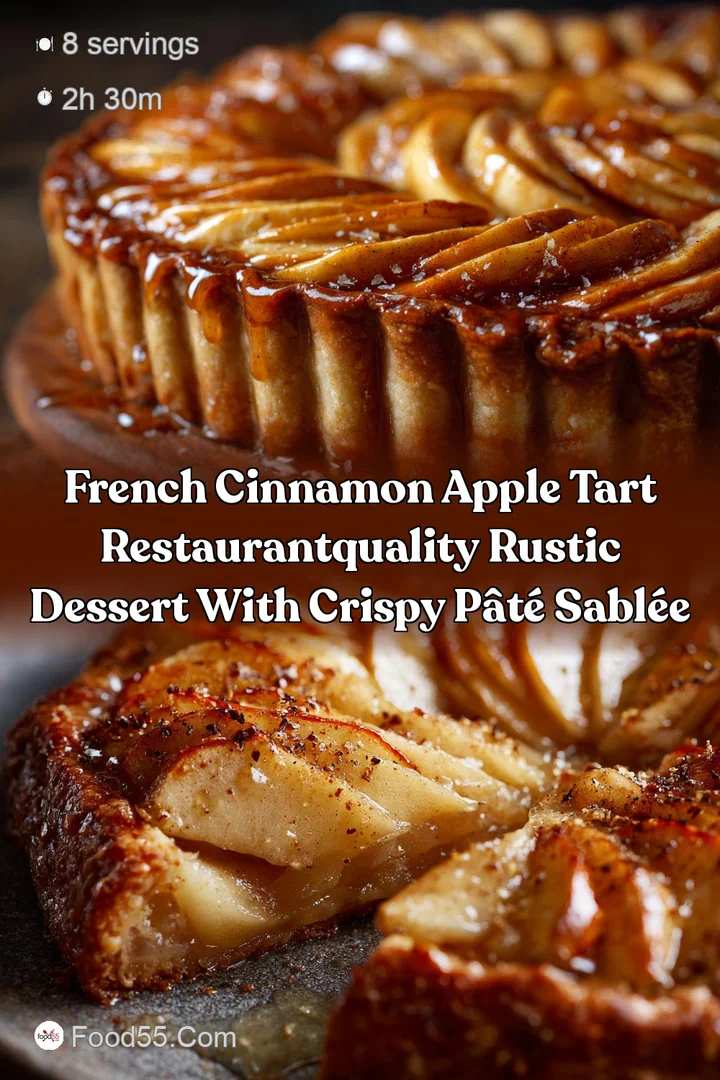
French Cinnamon Apple Tart the Classic Pâtissiers Recipe with Apricot Glaze
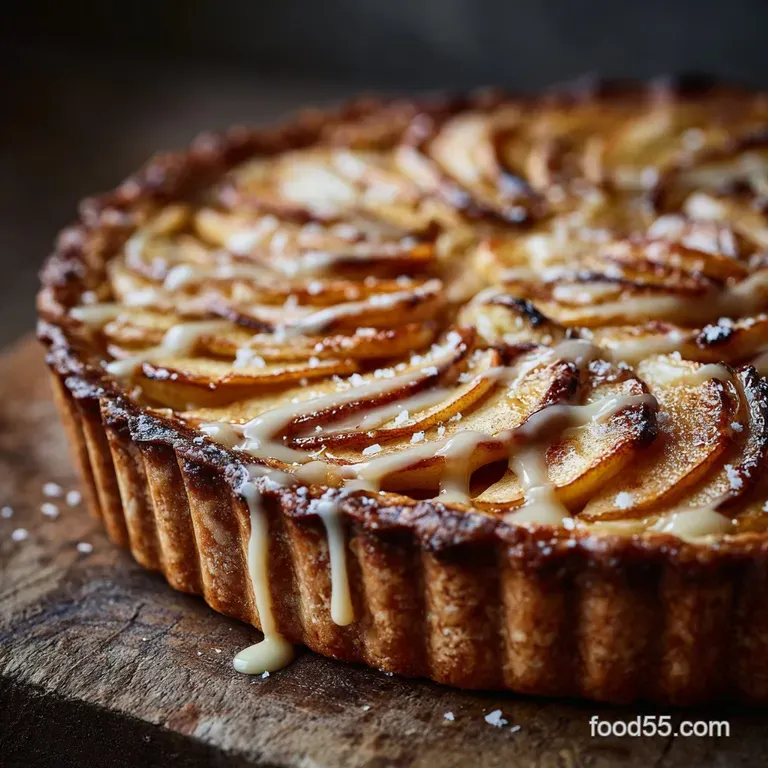
- Elevating the Classic Tarte aux Pommes with Warm Cinnamon Spice
- Essential Supplies for Baking This Exquisite French Cinnamon Apple Tart
- Mastering the Shortcrust Pâte Sablée for a Flaky Foundation
- Assembly Sequence: Building the Tart Structure Like a Pâtissier
- Planning Ahead: Preparation and Storage Tips for Your Pâtisserie
- Recipe FAQs
- 📝 Recipe Card
Elevating the Classic Tarte aux Pommes with Warm Cinnamon Spice
Bonjour, friends! Listen, this isn't just any French apple tart recipe. This is the one that got me through last winter. We're taking the sleek elegance of the Parisian apple tart recipe the one you see glimmering in the pâtisserie windows and giving it a massive, cozy hug with warm cinnamon and just a hint of dark brown sugar.
Because honestly? Sometimes that purely plain, unadulterated Tarte aux Pommes needs a little attitude adjustment. It needs spice.
I promise you, making a sophisticated dessert like this French Cinnamon Apple Tart is completely within your grasp. You just need to respect the process, primarily the temperature of the butter. Right then, let’s crack on.
Why This Tart is the Perfect Balance of Elegance and Comfort
It’s all about the architecture. Unlike a big, deep and dish pie, this rustic French apple tart is built on a shallow, crisp foundation. This means maximum buttery crunch with every single bite.
The apple filling isn't soupy; it’s thinly sliced, slightly caramelized, and just tender enough to melt in your mouth, but not so soft that it turns to mush. That signature apricot glaze we add at the end? That’s the secret sauce that brings the elegance.
It catches the light, keeps the apples moist, and gives a lovely, slight tang that cuts through the richness of the pâte sablée . Perfect balance achieved.
Distinguishing Features: Tarte aux Pommes vs. Tarte Tatin
People get these two mixed up constantly, and while they are both French style apple tart desserts, they couldn’t be more different.
| Feature | Tarte aux Pommes (This Recipe) | Tarte Tatin |
|---|---|---|
| Structure | Open and faced, apples arranged atop the pastry. | Upside and down (inverted), caramelized apples cooked underneath the pastry. |
| Pastry | Pâte Sablée (sweet shortcrust) or Pâte Sucrée. | Usually Puff Pastry (Pâte Feuilletée). |
| Flavor Profile | Delicate, buttery, spiced, glossy. | Deeply caramelized, rich, often boozy. |
I love a Tarte Tatin, don’t get me wrong, but the Tarte aux Pommes is the one you make when you want to show off your knife skills and achieve that crisp, sandy crust texture. It’s also far less likely to result in a sticky, burnt and sugar kitchen emergency. Trust me on that one.
A Sophisticated Dessert Achievable for Any Home Baker
Does the word pâtissier scare you? Don’t let it. The only real technical challenge here is making sure your pastry is happy. Once you master the concept of keeping the butter cold (we will talk about this a lot), the rest is just assembly.
You’re essentially playing Jenga with fruit, but in a very beautiful way. The key to making this look professional is uniformity, so grab your sharpest knife or, if you’re feeling bold, that mandoline slicer, and let's get those apples paper and thin.
Essential Supplies for Baking This Exquisite French Cinnamon Apple Tart
If you try to make this in a regular pie dish, you’ll lose the crisp edges and the high and end look. The equipment matters here, particularly the tin.
The Best Apple Varieties for Structurally Sound Slices
We need apples that can hold their shape during a 45 minute bake. Anything too soft (like a McIntosh) is going to turn into a sad, brown sludge. We are building structures here! I tend to stick to firm, slightly tart varieties.
The best choices for this French Cinnamon Apple Tart are:
- Braeburn: Good balance of tart and sweet, excellent structure.
- Gala: Reliable, sweet, and widely available.
- Honeycrisp or Pink Lady: The crunchiest options, and they look stunning when sliced.
Whatever you pick, make sure they aren’t mealy. They need to be firm to withstand the delicate slicing process.
Detailed Shopping List: Dough, Filling, and Glazing Components
I'm assuming you have flour and salt, but let’s talk about the important stuff. When you shop, invest in good ground cinnamon. That cheap stuff that’s been sitting in the cupboard since 2017? Bin it. The warmth of the spice is 50% of the reason this recipe is so stellar.
Also, make sure your butter is unsalted. That way, you control the final flavor profile. I also love using a mix of granulated and dark brown sugar in the filling; the brown sugar adds a deep, molasses richness that elevates the spice factor beautifully.
Essential Pâtisserie Tools for a Flawless Finish
If you take one thing away from this recipe, it’s this: you need a tart tin with a removable bottom. It is non and negotiable for beautiful presentation. Seriously. How else are you going to get that lovely fluted edge out of the pan without destroying it? You aren't.
- 9 inch (23 cm) round tart tin with removable base. (I repeat, removable base!)
- Mandoline Slicer or Very Sharp Knife. For thin, consistent apple slices.
- Pastry Brush. Crucial for the melted butter drizzle and the final apricot glaze.
Related Recipes Worth Trying
- Fresh Apple Cake The Ultimate Moist Recipe with Brown Sugar Glaze — This Fresh Apple Cake recipe delivers an incredibly moist Britishinspired dessert Learn how to make this fresh apple cake recipe from scratch with a rich...
- Cinnamon Roll Cheesecake The Ultimate Creamy Swirl Recipe — Cinnamon Roll Cheesecake is the spectacular baked dessert blending spiced bun warmth with creamy sophistication Master this Easy Cheesecake Recipes...
- Royal Cranberry Brie Tarts Easy Elegant Thanksgiving Appetizers — These elegant Royal Tarts are the best Thanksgiving Appetizers Flaky puff pastry surrounds melting Brie and tart cranberry jam Theyre quick easy to make...
Mastering the Shortcrust Pâte Sablée for a Flaky Foundation
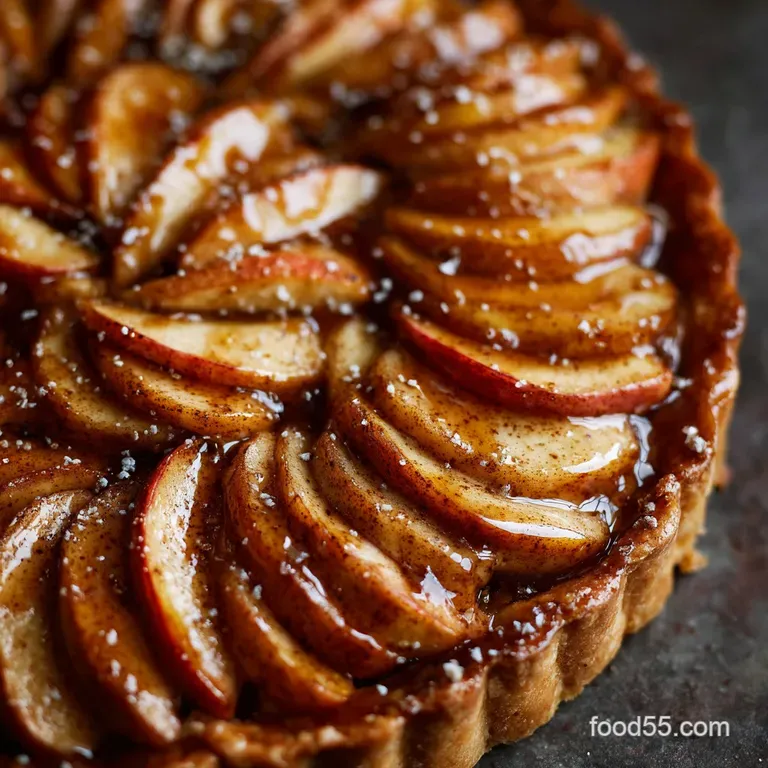
This sweet shortcrust pastry is everything. It’s sandy, buttery, and the absolute perfect vehicle for the apples. This is where I made every mistake in my early baking life. I’d overwork the dough, and it would end up tough.
I’d use room and temp butter because I was impatient, and it would spread like crazy in the oven.
The rule is simple: COLD. COLD. COLD.
If you’re using a food processor (which I recommend, it keeps your warm hands off the butter), you pulse the flour, sugar, and salt together, then pulse in the cold, cubed butter until it looks like coarse sand mixed with little peas.
Then add the egg yolk and the ice water, one tablespoon at a time, until it just starts to come together. Do not let it form a smooth ball in the processor. We’re aiming for shaggy.
Form it into a disc, wrap it up tight, and go stick your feet up for 45 minutes while it chills. The chilling time is mandatory. It lets the gluten relax and solidifies the butter, guaranteeing a tender, flaky crust when baked.
Assembly Sequence: Building the Tart Structure Like a Pâtissier
Right, dough is chilled, oven is preheating to 375°F (190°C). Let’s make magic.
Achieving the Perfect Roll and Blind Baking Preparation
Lightly flour your surface, take that cold dough, and roll it out into a circle about 12 inches across, slightly thicker than a coin (about 5 mm). If the dough cracks, just use your fingers to patch it up. It’s rustic, remember?
Carefully transfer it to the greased tart tin. Gently press the dough into the fluted sides and corners don't stretch it, or it will shrink back violently when baked. Trim the excess, but ensure the rim is nice and clean. Prick the base all over with a fork (that’s called docking).
CRITICAL WARNING: To guarantee your French Apple Tart Recipe does not suffer from the dreaded soggy bottom, I highly recommend blind baking the crust for 10 minutes with baking weights. This sets the pastry and creates a moisture barrier.
Remove the weights, and then proceed with the filling.
Expert Trick: Pre and Mixing the Cinnamon Sugar Blend
Before you peel a single apple, get your dry filling ingredients mixed: the two sugars and the heavy dose of ground cinnamon. Peel, core, and slice your apples super thin (2 3 mm). Toss those slices immediately with the lemon juice (to prevent browning) and then coat them thoroughly in your cinnamon and sugar mix.
This ensures every slice has the spice baked right into it, rather than just sprinkling it over the top. It’s brilliant.
Arranging the Apple Slices into an Aesthetic Rosette Pattern
This is the artistic bit that makes this Parisian apple tart recipe shine. Start on the outer edge, laying the slices down so they overlap significantly (about half of the previous slice). Work your way around, creating concentric circles that look like roof tiles or petals.
Make sure the curved top edge of each slice is facing up. As you get closer to the center, the angle will become tighter. For the absolute center, fan out 3 4 tiny slices to create the final focal point. Don’t panic if it’s not perfect; it will look glorious once baked.
The Final Bake and Applying the Signature French Apricot Glaze
Once the rosette is built, melt your two tablespoons of butter and gently brush it all over the apple arrangement. This butter helps the edges of the apples caramelize and brown nicely in the oven.
Bake for 45– 50 minutes. You want the crust to be deep golden brown and the apples to feel soft when poked with a knife.
Once out of the oven, let it sit on a rack. Now for the gloss. Heat that apricot jam with a splash of water (or, if you’re feeling fancy, Calvados apple brandy). Push it through a fine sieve yes, this is an extra step, but trust me, it removes the little chunks and gives you a clear, professional shine.
Brush that beautiful, clear glaze generously over the warm apples. That high and shine finish makes all the effort worthwhile.
Planning Ahead: Preparation and Storage Tips for Your Pâtisserie
I love a recipe that plays well with a busy schedule. Luckily, the French Cinnamon Apple Tart is very forgiving.
Freezing and Reheating Instructions for Leftover Tart Slices
This tart is really best eaten within 2 days of baking. But if you have leftovers, they store well.
- Storage: Keep slices in an airtight container at room temperature for up to 3 days, or in the fridge for 5 days.
- Reheating: To bring back that glorious crispness, place individual slices on a baking sheet and heat in a 300°F (150°C) oven for about 5 to 8 minutes until warm and the crust sounds crunchy again.
I wouldn’t recommend freezing a baked tart whole. The pastry texture suffers too much. However, you can freeze the unbaked pâte sablée dough for up to 3 months. Just thaw it overnight in the fridge before rolling it out.
Troubleshooting Common Issues: Soggy Bottoms and Cracked Pastry
The biggest enemies of this tart are moisture and impatience.
- Soggy Bottom: This is usually due to the apples releasing too much juice, or skipping the blind bake. Make sure you dock the crust properly, and don't soak the apples in lemon juice for too long. The blind bake is your insurance policy.
- Cracked Pastry: If the dough cracks when you roll it, it means it’s too cold, or you didn't chill it long enough. Let it sit out for 5 minutes, or patch the cracks gently with a tiny bit of the excess dough. Remember, stretching dough is the enemy of flaky pastry.
Adapting the Recipe: Flavor Variations and Gluten and Free Alternatives
This basic structure pâte sablée base, thin fruit slices, apricot glaze is the perfect canvas for variations.
- Spice Swap: Try using cardamom and brown butter instead of cinnamon for a Middle Eastern twist.
- Boozy Apples: Before arranging, splash the apples with 2 tablespoons of good dark rum or Calvados. Bake off the alcohol, and you’re left with incredible depth of flavor.
- Nutty Layer: For an incredibly creamy base that also acts as a moisture barrier, spread a thin layer of almond frangipane over the blind and baked crust before arranging the apples.
- Gluten and Free Pastry: Replace the all and purpose flour in the pâte sablée with a good quality 1:1 gluten and free baking blend that contains xanthan gum. You might need slightly less ice water.
Serving Suggestions: Pairing the Tart with Crème Fraîche or Vanilla Bean Ice Cream
Do you serve it warm or cool? I say slightly warm, so the buttery crust still holds its integrity but the cinnamon notes are vibrant.
My top picks for accompaniment:
- Crème Fraîche: This is the traditional, sophisticated choice. It's less sweet and less dense than whipped cream, offering a lovely, tangy contrast.
- Vanilla Bean Ice Cream: For pure, unadulterated comfort. Make sure it's good quality. Those vanilla flecks make a difference.
- Clotted Cream: If you want to lean into the richness, go full English tea room with a spoonful of clotted cream. Divine.
How to Calculate Nutritional Facts for Your Specific Ingredient Choices
I’ve given a ballpark estimate for a 1/8th serving, but please remember this is a homemade rustic tart, not a pre and packaged snack. If you’re tracking macros, you’ll need to input the exact ingredients and brand weights you used (especially butter and sugar) into a reliable online calculator.
Substituting a gluten and free flour blend or adding frangipane will completely change the caloric and carbohydrate counts, so do your own quick calculation if precision is a must.
Frequently Asked Questions about Baking the French Cinnamon Apple Tart
Q: Can I use store and bought pastry? A: Absolutely! If you’re short on time, use a good quality store and bought shortcrust pastry. Just ensure you still dock it and blind bake it slightly to keep it crisp.
Q: Why did my apples shrink so much? A: They needed to be sliced thinner, or you didn't overlap them enough. The shrinking is natural as the water evaporates; heavy overlapping compensates for this.
Q: Can I use brown sugar in the pastry dough? A: I wouldn't. Brown sugar contains more moisture and will result in a softer, less 'sandy' pâte sablée texture, which is not what we want for this traditional recipe. Stick to granulated sugar for the crust.
Recipe FAQs
Crikey, how do I avoid a dreaded soggy bottom on my French Cinnamon Apple Tart crust?
Ensuring your pâte sablée is made with very cold ingredients, docking the base well, and using a removable bottom tart tin are all essential; for absolute insurance, give the crust a quick 10-minute blind bake (with weights) before adding the filling.
I'm heading to the greengrocer what are the best apples for baking this kind of French tart?
You need firm, crisp varieties like Braeburn, Gala, or Cox’s; they hold their structure beautifully during the long bake and won't turn into apple mush, which is key for maintaining the elegant rosette arrangement.
The rosette pattern looks fancy! Do I really need a mandoline for the apples, or can I just use a knife?
While a sharp knife works, the crucial element is uniformity (around 2-3mm thickness) so that they cook evenly; a careful hand or a mandoline (safety first, mind your fingertips!) will help achieve the professional, impressive petal design.
Can I make this tart ahead of time for a dinner party, and how should I store leftovers?
You can prepare the dough up to two days ahead and chill it; once baked, store the finished tart covered at cool room temperature for up to three days, but warm it gently (10 minutes at 150°C) before serving for the best texture.
Is the apricot glaze just for looks, or does it actually serve a purpose beyond presentation?
It is definitely more than just a lovely sheen the glaze provides that stunning, high shine pâtissier finish, and crucially, the sugar base acts as a sealant to lock in moisture and prevent the exposed apples from drying out.
French Cinnamon Apple Tart Recipe
Ingredients:
Instructions:
Nutrition Facts:
| Calories | 392 kcal |
|---|---|
| Protein | 4.0 g |
| Fat | 21.0 g |
| Carbs | 49.0 g |
