Cranberry Relish: Our Easy, Zesty Recipe with Fresh Orange Spice

- Why The Chef's Spiced Cranberry Relish is the Ultimate Holiday Side
- Essential Components for Your Homemade Cranberry Relish
- Easy-to-Follow Method: Cooking Your Relish to Perfection
- Flavor Dynamics: Achieving the Perfect Balance of Tart, Sweet, and Spice
- Troubleshooting and Advanced Techniques from the Kitchen
- make-ahead Strategy: Storing Your Spiced Cranberry Relish
- Elevating the Meal: Creative Ways to Serve Cranberry Relish
- Recipe FAQs
- 📝 Recipe Card
Why The Chef's Spiced Cranberry Relish is the Ultimate Holiday Side
Oh my goodness, you absolutely must make this. When that first batch of spiced cranberry relish starts simmering, the whole kitchen smells like Christmas, seriously. That incredible mix of sharp, bright orange zest and tart cranberries, warming up with a hint of ginger, is just magical.
The vibrant crimson color alone demands attention on any table.
Now, let's be real about the store-bought stuff; that wobbly, cylindrical jelly is fine, but this fresh cranberry relish is genuinely in a different league. It is astonishingly simple to make, requiring minimal active time, and uses incredibly inexpensive ingredients.
Why settle for canned when you can create this showstopper in under 30 minutes? It's the ultimate low-effort, high impact holiday side dish, trust me.
We aren't just boiling fruit here; we are creating a layered flavour experience that perfectly cuts through rich holiday meats and heavy sides. We'll use specific techniques to ensure it’s not too thin, not too sweet, and packed with zing. Get ready to ditch the can opener forever, because this is the Simple Cranberry Relish: The quick, easy, and vibrant homemade recipe. you’ve been searching for.
Moving Beyond the Canned Jelly: Fresh Texture vs. Sauce
The difference between a "relish" and a "sauce" is almost entirely down to texture and cooking time. We are aiming for a rustic texture where about half of the cranberries have burst and thickened the liquid, while the rest remain whole or partially intact. This gives you that satisfying pop and chew when you eat it.
A sauce, conversely, is usually cooked longer and mashed down until it’s perfectly smooth.
The Festive Trio: Cranberry, Orange, and Warming Ginger
This recipe leans into the classic orange and cranberry pairing, but the fresh ginger is the real secret weapon. Ginger adds a wonderful background heat that prevents the relish from tasting flat or overly sweet.
It’s subtle, warming the back of your throat just slightly, balancing the intense tartness of the berries beautifully. Don't use dried ginger here; only fresh will give you this vibrant flavour.
Recipe Overview: Difficulty, Prep Time, and Yield
This is genuinely an easy recipe, perfect for beginners who want maximum flavour payoff without the stress. Prep time is largely dedicated to zesting the orange and rinsing the cranberries about 15 minutes max.
The simmering only takes 20 minutes, then the fridge does the rest of the heavy lifting. You will get about three cups of the best cranberry relish recipe out of this batch, which is usually enough for a gathering of 10 to 12 people.
Essential Components for Your Homemade Cranberry Relish
The brilliance of this recipe relies on just a handful of good quality ingredients. I am super specific about my cranberries and my citrus because they are the stars of the show!
Fresh vs. Frozen Cranberries: What to Buy and How to Prepare
You should absolutely feel free to use frozen cranberries if fresh are out of season or too expensive. There is almost no difference in the final product. If using frozen, do not thaw them first; just dump the entire bag directly into the simmering syrup.
Fresh berries must be rinsed well and picked through, just to make sure you didn't accidentally snag any tiny stems or bad ones.
Choosing the Right Orange: Seedless Varieties for Zest and Juice
A good navel orange is perfect because it's usually seedless and offers tons of aromatic zest. When you zest, always use a microplane and only skim the bright orange outer layer, avoiding the bitter white pith entirely. This little tip is crucial for a bright, clean flavour.
Adjusting Sweetness: Sugar Alternatives and Measurements
I use standard granulated sugar because it keeps the colour wonderfully clear and vibrant. However, if you need a substitute, you have options.
| Ingredient | Standard | Substitution | Note |
|---|---|---|---|
| Granulated Sugar | 1 cup | 3/4 cup Maple Syrup | Will slightly darken the colour and add a richer flavour. |
| Orange Juice | 1/2 cup | Apple Cider or Water | Apple cider adds lovely autumn notes; water keeps it simple. |
| Fresh Ginger | 1 tsp minced | 1/4 tsp Ground Ginger | Add dried ginger toward the end of the cooking process. |
Fresh Ginger Focus: Grating for Maximum Pungency
I peel the ginger and grate it on a microplane, just like the zest. Finely mincing it with a knife works too, but you want maximum surface area for maximum flavour infusion. If you hate the idea of little pieces of ginger in the relish, tie the grated ginger up in a tiny piece of cheesecloth and remove it before cooling.
That’s a pro trick!
Easy-to-Follow Method: Cooking Your Relish to Perfection
This method is about controlled heat and proper timing, which means you shouldn't just walk away from the pot!
Blooming the Aromatics: Starting with Ginger and Zest
We add the orange zest and minced ginger right at the beginning with the sugar and liquid. This step is called "blooming," and it uses the heat and moisture to draw out the essential oils. The house already smells incredible after five minutes of simmering the syrup.
The Initial Boil: Dissolving the Sugar Base
Combine your sugar, water, and orange juice in a non-reactive saucepan (stainless steel or enameled cast iron work great). Bring this mixture to a boil over medium high heat, stirring until the mixture looks completely clear.
This ensures the sugar is fully dissolved before the cranberries go in, preventing a grainy texture later.
Chef's Note: I once got distracted and let the sugar boil too long before adding the liquid; it started turning into amber candy! Stir frequently at this stage, or you risk burning the base.
The Simmer: Listening for the Cranberries to Pop and Soften
Once the syrup is clear, toss in the cranberries, the cinnamon stick, and that tiny pinch of salt. Reduce the heat immediately to a gentle simmer. You need enough heat for the cranberries to burst, but not so much that the liquid reduces too quickly.
As the berries heat up, you'll hear audible little "pops" as they break open and release their tart juices and pectin.
Cooling and Setting: Achieving Optimal Thickness
Simmer for about 15 to 20 minutes. Remember, we want some whole berries left, so don't mash them aggressively. Once the liquid lightly coats the back of a spoon, turn off the heat and discard the cinnamon stick.
Transfer the relish to a clean container and let it cool completely on the counter before chilling. Chilling is non-negotiable; this is where the magic thickness happens.
Flavor Dynamics: Achieving the Perfect Balance of Tart, Sweet, and Spice
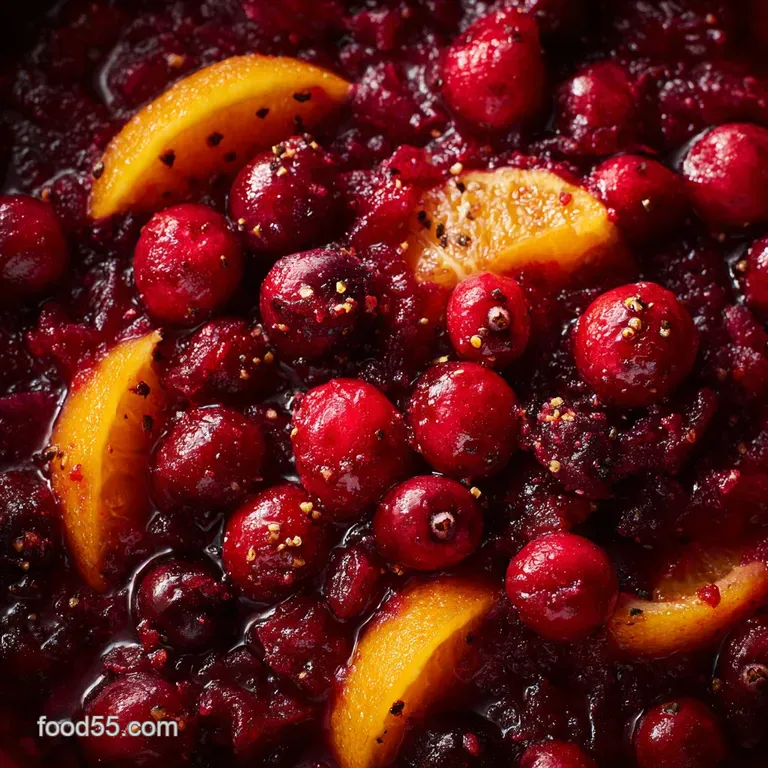
Getting the cranberry relish just right is simpler than you think. It's all about balancing those three main flavour groups.
Pectin Activation: Why Simmering Creates the 'Relish' Texture
Cranberries are naturally high in pectin, which is a structural carbohydrate that acts as a gelling agent. When heated in the presence of sugar and acid (the orange juice), the pectin molecules are released and then bond together upon cooling.
This is why the relish always looks thin when hot but sets up beautifully into a spreadable, slightly jiggly texture once chilled. That's the pectin doing its job!
The Role of Zest: Extracting Essential Citrus Oils for Brightness
We add the zest at the very start to allow the gentle heat to extract the citrus oils, resulting in a deeper, more infused orange flavour. If you add the zest at the end, it tastes overwhelmingly "raw" and bright. This method integrates the flavour so it's a seamless part of the profile.
Sugar Ratios: Preventing Overly Syrupy or Bitter Results
Using one full cup of sugar (200g) perfectly offsets the natural bitterness and tartness of the 12 ounce bag of cranberries. If you use significantly less sugar, the final result will be aggressively tart, almost mouth puckering.
If you use too much, it will taste like candy and overwhelm the delicate ginger and orange notes. Stick to the ratio for the best results!
Troubleshooting and Advanced Techniques from the Kitchen
Even simple recipes can go wrong, but usually, the fix is easy. Here are the things people mess up most often.
Fixes for Relish That Is Too Runny or Watery
The most common mistake is impatience! People assume it must be thick before it goes into the fridge. It must chill for at least three hours to set. If you chill it overnight and it’s still too runny, transfer it back to the saucepan and simmer uncovered for another 5 to 8 minutes to reduce the liquid further.
Correcting Overly Tart Flavor After Cooling
Did you skip the exact sugar measurement? No problem. If, after cooling, the relish is too tart, stir in one tablespoon of powdered sugar at a time until the taste is mellowed. If you use granulated sugar, you will need to heat it gently to dissolve the crystals, which is extra work.
Maximizing the Spice Profile (Infusion Timing)
If you find the ginger and cinnamon too subtle, you can try two advanced techniques. First, try lightly crushing the cinnamon stick before adding it. Second, if you really want that vibrant warmth, stir in a quarter teaspoon of vanilla extract after removing the relish from the heat (Step 7).
This somehow amplifies the spice notes beautifully.
make-ahead Strategy: Storing Your Spiced Cranberry Relish
This spiced cranberry relish is an absolute make-ahead champion. You should plan to make it at least one day before you need it.
You can store the fully cooled relish in an airtight container in the refrigerator for up to 10 days. The flavours actually improve after a couple of days as they meld together.
But does it freeze well? You bet. Transfer the cooled relish into a freezer safe container, leaving about half an inch of headspace, and freeze for up to 3 months. To serve, thaw it slowly overnight in the refrigerator. I wouldn't recommend reheating it once thawed; it is always best served icy cold, just like our Cranberry Jello Salad: The Ultimate Layered Holiday Classic .
Elevating the Meal: Creative Ways to Serve Cranberry Relish
While this relish is mandatory next to turkey, you should not limit its brilliance to just one holiday meal.
For a sophisticated appetizer, mix a spoonful of the relish with goat cheese or cream cheese and use it as a filling for tartlets. It’s also killer spooned over baked brie. If you are having people over for dessert, don't forget it's a fantastic topping for ice cream or a substitute for jam in our Thanksgiving Desserts: Effortless Cranberry Crumble (make-ahead) . Honestly, you’ll find yourself just eating it with a spoon!

Recipe FAQs
How long will this fresh cranberry relish last, and how should I store it?
When stored in an airtight container in the refrigerator, this relish remains fresh and vibrant for up to 10 to 14 days. The high sugar and acid content acts as a natural preservative, but the flavors are best within the first week.
Ensure the relish is fully cooled before sealing the container to prevent condensation and potential spoilage.
My relish seems too runny right after cooking. Will it thicken up?
Yes, fresh cranberries contain high levels of natural pectin, which requires time and cold temperatures to set properly. The relish is designed to thicken considerably once it cools completely, usually after 4 to 6 hours in the refrigerator.
If it remains too liquid after being fully chilled, simmer it again briefly to reduce the volume slightly.
Can I use frozen cranberries instead of fresh ones for this recipe?
Absolutely. Frozen cranberries work perfectly well in this recipe and do not require thawing beforehand, which can make them mushy. Simply add the frozen berries directly to the pot, increasing the initial cooking time by about five minutes to account for the lower temperature.
Can I adjust the level of sweetness if I prefer a less tart relish?
You certainly can, but adjust carefully, as the acid balance is crucial for flavor and texture. If you want it sweeter, add an additional 1/4 cup of sugar toward the end of the cooking process, tasting as you go until the desired balance is achieved.
Alternatively, using a sweeter orange variety or adding a touch of maple syrup can help mute the sharpness.
Is this cranberry relish suitable for freezing?
Yes, cranberry relish freezes exceptionally well, making it ideal for holiday meal preparation far in advance. Cool the relish completely, then transfer it to freezer safe containers, leaving about 1/2 inch of headspace for expansion.
It will keep well for up to three months; simply thaw overnight in the refrigerator before serving.
What other spices or flavors can I add to vary the taste profile?
To deepen the winter flavor, consider adding a pinch of ground cloves or a small cinnamon stick during the simmering process, removing the stick before chilling. For a subtle complexity, a splash of dark rum or Grand Marnier added off-heat at the end introduces a nice warming note.
Beyond serving with roasted turkey, what are some creative uses for leftover relish?
This relish is wonderfully versatile and moves beyond the holiday plate. Try swirling it into plain yogurt or cottage cheese for a tart breakfast, or use it as a filling for thumbprint cookies or sweet pastries.
It also makes an excellent glaze when brushed onto baked ham or pork tenderloin near the end of the cooking time.
Fresh Orange Cranberry Relish Recipe
Ingredients:
Instructions:
Nutrition Facts:
| Calories | 249 kcal |
|---|---|
| Protein | 0.8 g |
| Fat | 0.2 g |
| Carbs | 65.5 g |
