Garlic Parmesan Sauce: Creamy and Velvety
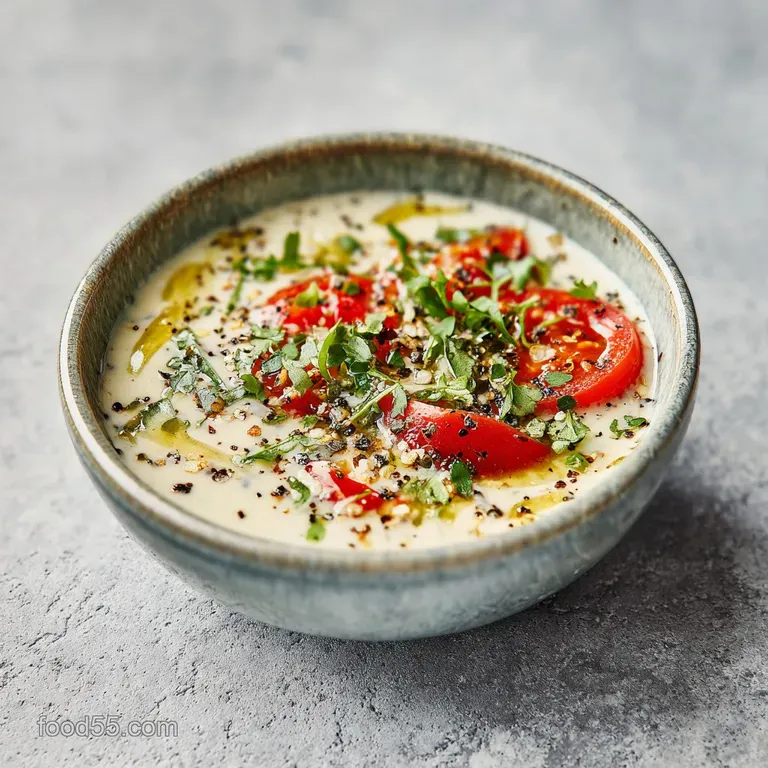
- Time: 5 min active + 5 min cook = Total 10 mins
- Flavor/Texture Hook: Velvety, salty, and pungent
- Perfect for: Game day wings, weeknight pasta, or a quick veggie dip
Quick Summary and Specs
The beauty of this sauce is how quickly it comes together. We aren't simmering this for hours or using a dozen different pots. It's a one pan wonder that transforms basic pantry staples into something that tastes like it took way more effort than it actually did.
Since it's so fast, you can practically make it on demand.
Because it uses a small amount of flour and butter, it's incredibly stable. You don't have to worry about it breaking or separating as long as you keep the heat low when the cheese goes in. It's the kind of reliable recipe that you can trust when you're hosting a crowd and need something that works every single time.
The Secret to Silky Texture
To get that specific mouthfeel, we have to manage how the fats and proteins interact. It's not just about melting things together, but about creating a structure that holds the liquid.
- The Flour Bond: The flour coats the fat molecules in the butter, which prevents the milk from separating and keeps the sauce smooth.
- Temperature Control: Adding cheese at a low heat prevents the proteins from tightening up, which stops the sauce from becoming grainy.
- Slow Integration: Whisking the milk in gradually allows the roux to absorb the liquid evenly, avoiding those annoying little flour lumps.
- Fresh Cheese Melt: Freshly grated Parmesan has less anti clumping starch than pre shredded versions, allowing for a glossier finish.
If you're looking for something even lighter, you might enjoy a creamy garlic sauce which handles the dairy a bit differently.
| Method | Time | Texture | Best For |
|---|---|---|---|
| Stovetop | 10 min | Velvety/Glossy | Immediate serving |
| Slow Simmer | 30 min | Thicker/Intense | Large batches |
| Raw Blend | 5 min | Thin/Sharp | Cold dips |
Essential Ingredient Breakdown
When you're making a sauce with so few components, the quality of each one really stands out. I always suggest using unsalted butter because it gives you total control over the salt level, especially since Parmesan is already quite salty.
| Ingredient | Science Role | Pro Secret |
|---|---|---|
| Unsalted Butter | Fat Base | Use European style for more richness |
| Fresh Garlic | Aromatic | Mince by hand for a punchier flavor |
| Parmesan | Thickener/Salt | Grate it yourself to avoid clumps |
| Whole Milk | Liquid Body | Room temp milk prevents roux shocks |
The Ingredient Lineup
Gather everything before you turn on the heat. Since this cooks in five minutes, you don't want to be grating cheese while your garlic is turning brown in the pan.
- 2 tbsp unsalted butter Why this? Provides the rich, fatty base for the roux
- 4 cloves fresh garlic, minced Why this? Fresh garlic has a sharper, more authentic bite
- 1 tbsp all purpose flour Why this? Stabilizes the sauce and adds thickness
- 1 cup whole milk Why this? Higher fat content ensures a velvety finish
- 1/2 cup freshly grated parmesan cheese Why this? Melts smoothly without the grit of pre shredded
- 1/4 tsp kosher salt Why this? Enhances the natural umami of the cheese
- 1/4 tsp black pepper Why this? Adds a subtle warmth to balance the fat
- 1 tbsp fresh parsley, finely chopped Why this? Cuts through the richness with a fresh note
| Original Ingredient | Substitute | Why It Works |
|---|---|---|
| Whole Milk (1 cup) | Heavy Cream (1 cup) | Higher fat content. Note: Makes the sauce much thicker and richer |
| Parmesan (1/2 cup) | Pecorino Romano | Similar salty profile. Note: Tangier and sharper taste |
| All purpose Flour | Cornstarch (2 tsp) | Thickens effectively. Note: Result is more translucent and less "creamy" |
| Fresh Parsley | Dried Parsley (1 tsp) | Adds color. Note: Lacks the fresh, grassy brightness |
Necessary Kitchen Gear
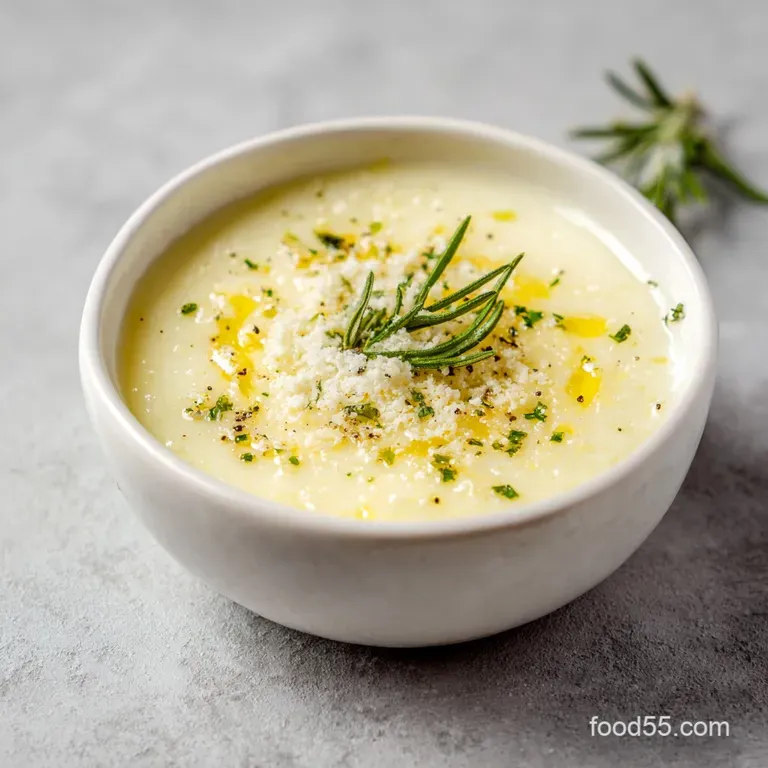
You don't need a professional kitchen to nail this. A few basic tools will do the trick, but the whisk is non negotiable. If you try to stir this with a spoon, you're asking for lumps, and we've all been there.
A small saucepan is the best choice here. If the pan is too wide, the butter spreads too thin and the garlic can burn quickly. A narrower pot keeps the ingredients concentrated, which helps the roux cook more evenly.
For the garlic, a sharp chef's knife or a microplane works best. I prefer mincing by hand because it releases the oils in a way that feels more natural, but a press is fine if you're in a rush.
step-by-step Cooking Guide
Right then, let's get into it. Keep your heat consistent and stay close to the stove. This sauce moves fast, so your focus should be on the pan.
- Melt the unsalted butter in a small saucepan over medium heat. Note: Wait until it just starts to bubble
- Add the minced garlic and sauté for 60-90 seconds until pale gold and fragrant, ensuring it does not brown. Note: Brown garlic tastes bitter
- Whisk in the all purpose flour and cook for 1 minute to remove the raw flour taste. Note: It should look like a thick paste
- Slowly pour in the milk while whisking constantly; simmer until the liquid bubbles gently and thickens into a smooth cream consistency. Note: Don't let it boil over
- Reduce heat to low and stir in the grated Parmesan cheese, salt, and black pepper until the sauce is velvety and glossy. Note: Low heat is key to avoid clumping
- Stir in the finely chopped fresh parsley just before removing from heat. Note: Adding it last keeps the color vibrant
Chef's Tip: If you want a deeper, more roasted flavor, try grating your garlic on a microplane instead of mincing. It creates a puree that incorporates into the butter more seamlessly, giving you a more uniform garlic taste in every bite.
Fixing Common Sauce Issues
Even with a simple recipe, things can go sideways. Usually, it comes down to temperature or the type of cheese you used. If your sauce looks a bit off, don't panic, most of it is fixable.
The Cheese Clumps
This usually happens if the sauce is too hot when the Parmesan goes in. The proteins in the cheese seize up and form little balls of rubber instead of melting. To fix this, whisk in a splash of warm milk and lower the heat significantly.
The Sauce is Too Thick
If the sauce feels more like a paste than a drizzle, you've likely reduced the milk too much. Simply whisk in an extra tablespoon of milk or water at a time until it reaches the desired consistency.
The Garlic Taste is Bitter
This is a sign that the garlic browned too much during the sauté phase. Unfortunately, you can't "un burn" garlic. To mask it, add a tiny pinch of sugar or an extra splash of cream to mellow out the bitterness.
| Problem | Root Cause | Solution |
|---|---|---|
| Grainy Texture | Heat too high | Lower heat and whisk vigorously |
| Too Salty | Over seasoned | Add a teaspoon of lemon juice or more milk |
| Flour Lumps | Poured milk too fast | Use a whisk or strain through a sieve |
Mistakes to Avoid - ✓ Don't use pre shredded cheese (the cellulose coating prevents a smooth melt) - ✓ Don't walk away from the garlic (it goes from gold to burnt in seconds) - ✓ Don't boil the sauce once the cheese is added - ✓ Don't skip the flour (without it, the sauce
may separate as it cools) - ✓ Don't use a over high heat burner for the final cheese melt
Creative Flavor Twists
Once you've mastered the base, you can really start to play around with the profile. This recipe is like a blank canvas for savory flavors. If you're feeling adventurous, try adding a teaspoon of Dijon mustard for a sharp, tangy kick that cuts through the richness.
For a more "game day" vibe, a pinch of cayenne pepper or some red chili flakes added with the garlic will give the sauce a slow burn. This is especially great if you're using this as a garlic parmesan sauce for wings, as the heat balances the heavy cream and cheese.
If you want something more earthy, a pinch of nutmeg is a classic addition to cream sauces. It doesn't make it taste like a dessert, but it adds a depth that makes the sauce taste "professional." You can also swap the parsley for fresh chives or basil depending on what you're serving it with.
Storage and Waste Tips
If you happen to have leftovers, store them in an airtight container in the fridge for up to 4 days. When you go to use it again, the sauce will have thickened significantly this is normal. Just reheat it on low heat and whisk in a tiny bit of milk to bring back that velvety texture.
For freezing, I'd actually suggest skipping it. The dairy in this sauce can break during the freezing and thawing process, leaving you with a grainy mess. It's just too fast to make from scratch to justify the risk of freezing it.
To avoid waste, use your leftover parsley stems by blending them into a pesto or tossing them into a vegetable stock. If you have a small amount of Parmesan rind left over, don't throw it away! Toss the rind into a simmering pot of soup or pasta sauce to add a massive boost of umami flavor.
Perfect Food Pairings
This sauce is incredibly versatile. While it's a classic for wings, it's equally brilliant on a pile of roasted broccoli or cauliflower. The saltiness of the Parmesan brings out the sweetness of roasted vegetables in a way that's just addictive.
For a full meal, this is an amazing companion for creamy garlic chicken, where the sauce doubles as a glaze. If you're in the mood for something simpler, just toss it with some fettuccine and a handful of peas for a quick dinner.
It also works surprisingly well as a dip for toasted sourdough or garlic bread. Just warm it up, pour it into a small bowl, and let everyone dive in. Because it's so rich, it pairs well with something acidic on the side, like a crisp arugula salad with a lemon vinaigrette, to cleanse the palate.
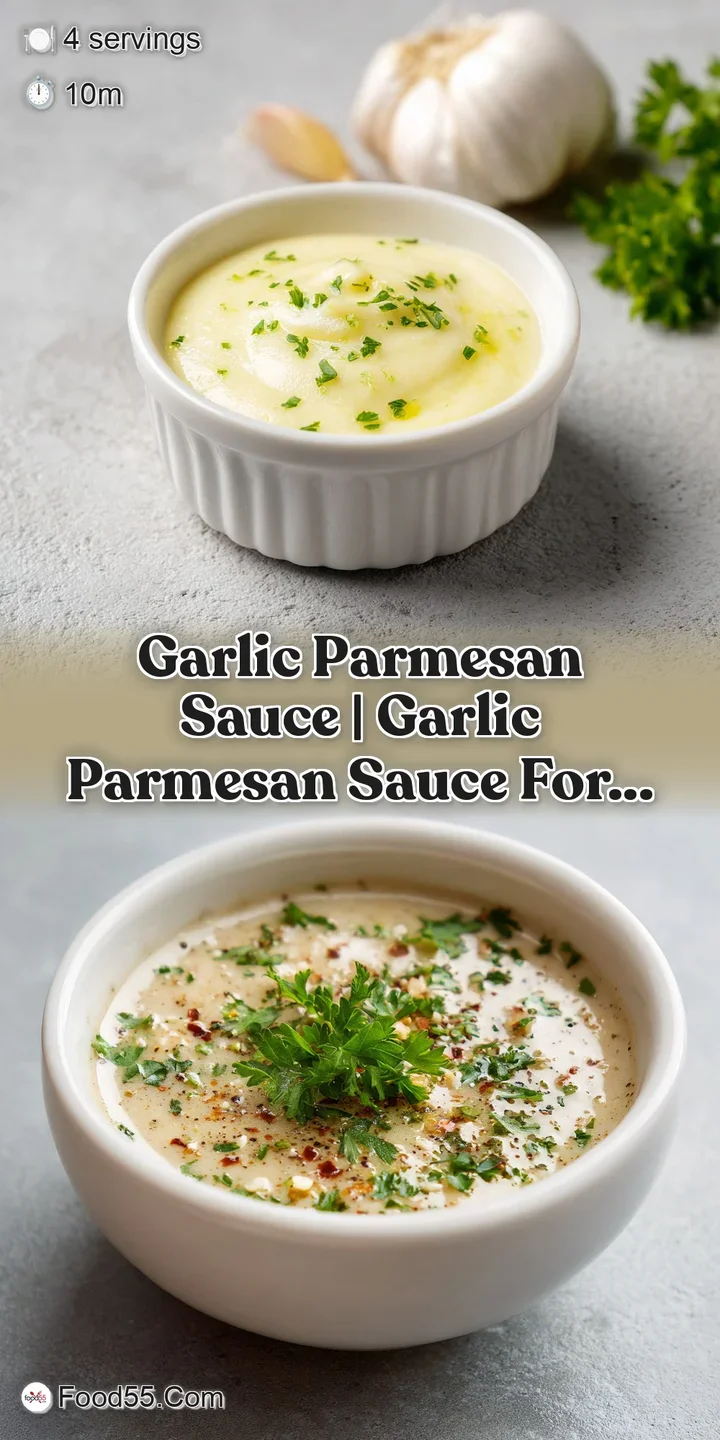
Recipe FAQs
Is garlic parmesan sauce the same as alfredo sauce?
No, they are different. Alfredo typically relies on heavy cream and butter, whereas this version uses a flour based roux and milk for a lighter but velvety consistency.
What ingredients are in garlic parmesan sauce?
It uses basic pantry staples. The sauce consists of unsalted butter, fresh minced garlic, all-purpose flour, whole milk, grated parmesan cheese, salt, black pepper, and fresh parsley.
What's the secret to a creamy garlic parmesan?
Whisking a roux and adding cheese on low heat. Cooking the flour for one minute before slowly adding milk prevents lumps; if you enjoyed mastering this emulsion, see how the same principle works in our Cowboy Butter Sauce.
What is the best garlic parmesan sauce?
A homemade version using fresh garlic. Using fresh cloves instead of pre-minced garlic and freshly grated parmesan creates a superior, glossy flavor that store-bought options cannot match.
How to prevent lumps in the sauce?
Whisk constantly while pouring in the milk. Slowly adding the liquid into the butter flour mixture ensures the flour hydrates evenly for a smooth finish.
Is it true you can freeze garlic parmesan sauce?
No, this is a common misconception. The dairy components often break during the freezing and thawing process, which results in a grainy texture.
How to store and reheat leftover sauce?
Keep it in an airtight container in the fridge for 4 days. Reheat over low heat and whisk in a small amount of milk to restore the original velvety consistency.
Garlic Parmesan Sauce
Ingredients:
Instructions:
Nutrition Facts:
| Calories | 158 kcal |
|---|---|
| Protein | 7.1 g |
| Fat | 11.3 g |
| Carbs | 6.3 g |
| Sodium | 294 mg |
