Gluten Free Pasta: Silky and Tender
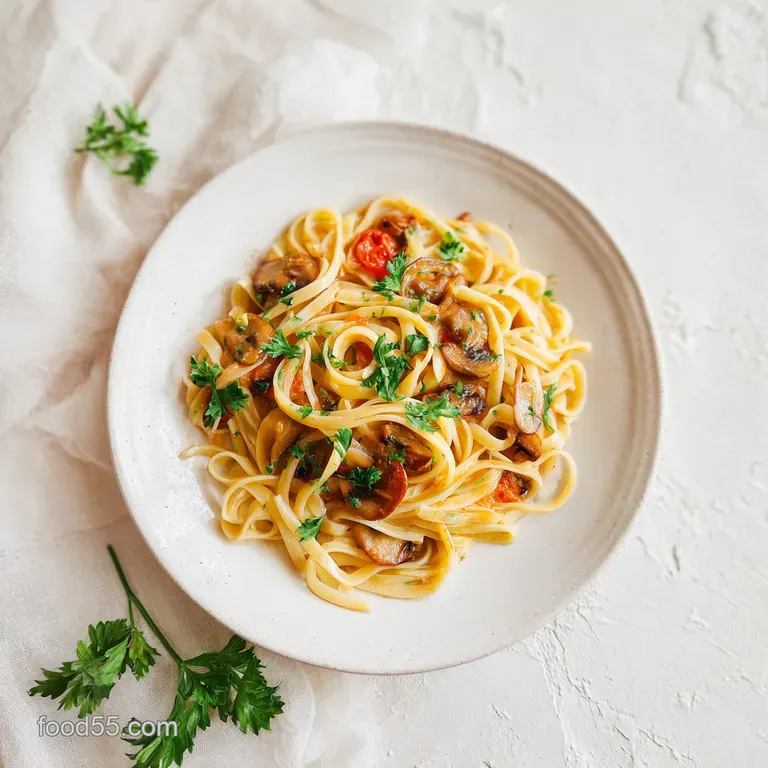
- Time: Active 35 mins, Passive 3 mins, Total 38 mins
- Flavor/Texture Hook: Silky, tender, and holds sauce beautifully
- Perfect for: Seasonal family lunches or a cozy weekend treat
- Creating a Silky Gluten Free Pasta
- The Secrets Behind the Texture
- Essential Components for the Dough
- The Necessary Kitchen Gear
- Step by Step Pasta Process
- Fixing Common Texture Issues
- Customizing Your Pasta Flavor
- Preserving and Reusing Pasta
- Ideal Sides and Pairings
- Common Kitchen Beliefs
- Recipe FAQs
- 📝 Recipe Card
Creating a Silky gluten-free Pasta
Imagine the sound of a heavy pot of water hitting a rolling boil and the scent of fresh, local eggs filling your kitchen on a sunny Saturday. I remember the first time I tried this for a spring gathering.
I wanted something that felt light and vibrant, pairing with the early asparagus from the farmer's market, but I didn't want my guests with sensitivities to feel like they were eating "cardboard" noodles.
The secret is in the feel of the dough. When it finally transforms from a shaggy mess into a silky, cohesive disk, you know you've got it. It's a bit of a ritual, really. There is something so satisfying about the rhythmic pulse of the processor and the way the dough glides through the rollers.
Trust me on this, once you move past the store-bought boxes, there is no going back. We are aiming for a texture that is tender but has enough bite to feel authentic. Let's crack on and get this sorted.
The Secrets Behind the Texture
- bold;">Egg Binding: Since we don't have gluten, eggs act as the primary glue to hold the flour together.
- bold;">Hydration Rest: A 15 minute break lets the flour fully absorb the liquid, which stops the final pasta from feeling gritty.
- bold;">Starch Barrier: Using rice flour on the surface prevents the dough from sticking to the machine without adding too much bulk.
- bold;">Fat Integration: Olive oil adds a velvety mouthfeel and keeps the dough supple during rolling.
| Method | Time | Texture | Best For |
|---|---|---|---|
| Fresh (This) | 38 mins | Silky, tender | Special lunches |
| Dried GF | 10 mins | Firmer, denser | Fast weeknights |
Essential Components for the Dough
| Ingredient | Science Role | Pro Secret |
|---|---|---|
| GF Flour Blend | Structural Base | Use a blend with xanthan gum for better stretch |
| Large Eggs | Protein Binder | Use room temperature eggs for smoother mixing |
| Olive Oil | Lubricant | high-quality extra virgin adds a subtle peppery note |
The Core Elements
- 300g gluten-free Flour Blend (Caputo or Bob's Red Mill 1 to-1) Why this? Balanced blends prevent the "beany" taste of single flours
- 3 large eggs Why this? Provides the essential protein for structure
- 15ml Extra Virgin Olive Oil Why this? Keeps the pasta supple and velvety
- 5g Fine Sea Salt Why this? Enhances the natural flavor of the grains
- 15-30ml Warm Water Why this? Adjusts hydration for different flour brands
- 30g White Rice Flour Why this? Perfect for dusting without altering the taste
Smart Ingredient Swaps
| Original Ingredient | Substitute | Why It Works |
|---|---|---|
| Extra Virgin Olive Oil | Melted Butter | Same fat content. Note: Adds a richer, nuttier flavor |
| Warm Water | Room Temp Vegetable Broth | Adds depth. Note: Watch the salt levels in the broth |
| White Rice Flour | Cornstarch | Similar non stick properties. Note: Can leave a slight sheen |
The Necessary Kitchen Gear
You don't need a professional studio, but a few specific tools make this way easier. A food processor is a lifesaver here because it hydrates the flour much faster than hand mixing. If you don't have one, you can use a pastry cutter, but it's a bit more of a workout.
A pasta machine is the gold standard for getting that consistent, thin sheet. If you're working without one, a heavy rolling pin and a bit of patience will get you there, though your noodles might be a bit more "rustic" in thickness.
Finally,, a large pot is a must. gluten-free dough needs room to dance in the water; if the pot is too small, they'll clump together and turn into a gummy mass.
step-by-step Pasta Process
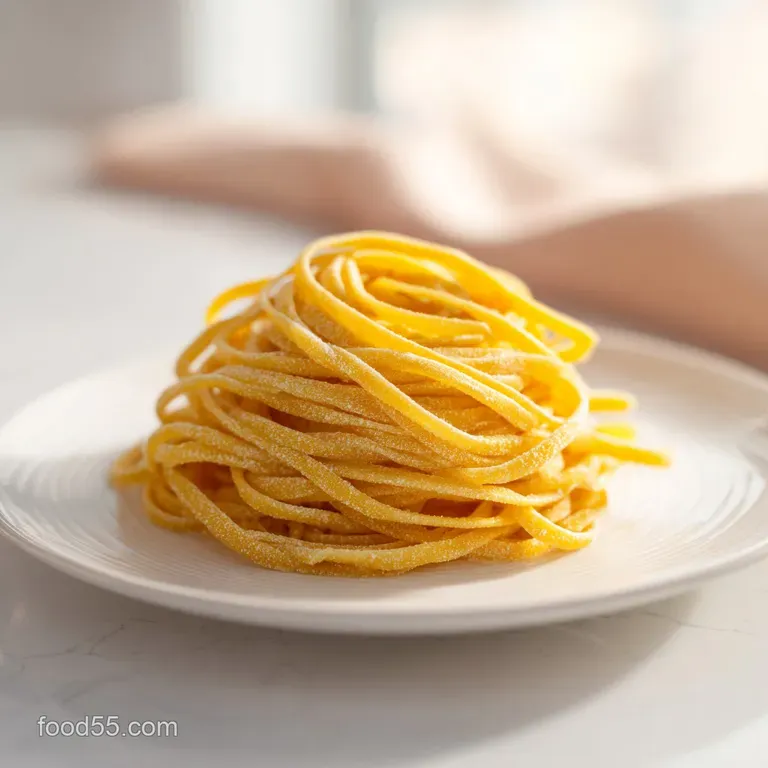
- Combine 300g flour, 5g salt, and 3 eggs in a food processor. Pulse until the mixture resembles coarse sand.
- Add 15ml olive oil and pulse again. Note: This integrates the fat for a silkier texture.
- Add warm water 1 tablespoon at a time (up to 30ml) until a shaggy ball forms.
- Shape the dough into a disk and wrap it tightly in plastic wrap.
- Let the dough sit at room temperature for 15 minutes. Note: This is the critical hydration window.
- Divide the dough into four equal pieces.
- Run each piece through a pasta machine, starting at the widest setting and graduating to the desired thickness. Dust generously with 30g rice flour between passes.
- Cut the rolled dough into fettuccine or pappardelle.
- Drop pasta into heavily salted, boiling water.
- Cook 2-4 minutes until the pasta floats to the surface and is al dente.
Fixing Common Texture Issues
Why Your Pasta Is Gummy
This usually happens when the pasta is overcooked or the flour blend has too much starch and not enough binder. The key is to watch the clock and pull the noodles out the second they float.
Why Your Dough Is Crumbly
If the dough won't come together, it's almost always a hydration issue. gluten-free flours can be thirsty, especially depending on the humidity in your kitchen.
| Problem | Root Cause | Solution |
|---|---|---|
| Dough cracks when rolling | Not enough moisture | Add 1 tsp of warm water at a time |
| Pasta sticks together | Under dusted surface | Use more rice flour between rollers |
| Mushy texture | Overcooked in water | Reduce boil time by 30 seconds |
Common Mistakes Checklist
- ✓ Pat your work surface with rice flour before rolling to prevent sticking.
- ✓ Don't skip the 15 minute rest, or the pasta will be grainy.
- ✓ Use a large volume of water to prevent the noodles from clumping.
- ✓ Avoid over processing the dough; stop as soon as it forms a ball.
- ✓ Use a timer for the boil GF pasta goes from al dente to mush in seconds.
Customizing Your Pasta Flavor
You can easily tweak this recipe to fit your mood. If you want a more vibrant look, try adding a handful of blended spinach or a teaspoon of beet powder to the flour before adding the eggs. It makes the dish look stunning on the plate, especially with some seasonal herbs.
If you're craving something rich, this is a great base for a creamy garlic pasta. The egg based dough holds up much better to heavy sauces than the store-bought corn based versions.
For those looking for a lighter approach, this is an excellent foundation for a Tomato Basil Pasta recipe. Just undercook the noodles by 30 seconds so they stay firm after being chilled.
Adjustment Guidelines
If you're feeding a crowd, don't just double the salt. For a 2x batch, increase the salt and spices to 1.5x only to avoid over seasoning. Liquids should be reduced by about 10% since the larger mass of dough retains moisture more efficiently.
If you're making a half batch, beat one egg in a small bowl first and then use half of it.
| Version | Adjustment | Note |
|---|---|---|
| Half Batch | ½ flour, 1.5 eggs | Use a smaller rolling area |
| Double Batch | 2x flour, 1.5x salt | Work in smaller batches to avoid drying |
| High Protein | Add 20g almond flour | Slightly denser crumb, nuttier flavor |
Preserving and Reusing Pasta
Storage and Freezing
Fresh pasta doesn't last forever. Keep it in the fridge for up to 2 days, wrapped tightly in plastic. For longer storage, freeze the noodles in "nests" on a baking tray first, then transfer them to a freezer bag for up to 2 months.
When you're ready to eat, drop them frozen directly into boiling water no need to thaw.
Zero Waste Tips
Don't throw away the dough scraps from the edges of your sheets! Gather them up, knead them back into a ball, and run them through the machine again. If you have leftover rice flour, use it to dust your baking sheets for other GF treats.
Ideal Sides and Pairings
This pasta is a canvas. I love pairing it with a vibrant tomato basil pasta style sauce, using local vine ripened tomatoes and a handful of fresh basil. The acidity of the tomatoes cuts through the richness of the egg yolks beautifully.
If you want something more earthy, a simple sauté of garlic greens or wild mushrooms works wonders. Just a bit of butter, some cracked black pepper, and a squeeze of lemon to keep things bright.
Plating Your Creation
Depending on the occasion, you can change how you present this dish.
| Level | Technique | Detail |
|---|---|---|
| Simple | Bowl Toss | Toss in olive oil, serve in a rustic ceramic bowl |
| Polished | Fork Twirl | Twirl into a neat cylinder, topped with parsley |
| Restaurant | High Nest | Pile high in the center, drizzle emulsion, add micro greens |
Common Kitchen Beliefs
Some people think that gluten-free pasta is always destined to be mushy. That's simply not true if you use a protein heavy binder like eggs and avoid overboiling. The "mush" usually comes from low quality starches in commercial boxes.
Another myth is that you need a professional extruder to get a good shape. While they're great, a simple rolling pin and a knife can create beautiful pappardelle that tastes just as good and feels more homemade.

Recipe FAQs
What are gluten-free pastas made of?
They are typically made from rice, corn, chickpeas, or quinoa. This specific recipe uses a gluten-free flour blend, eggs, and olive oil to mimic traditional wheat pasta.
Which pasta is naturally gluten-free?
None made from wheat, barley, or rye. Only pastas made from 100% corn, rice, or legume flours are naturally gluten-free.
How to prevent the dough from sticking during rolling?
Dust the work surface and the dough generously with rice flour. This creates a barrier that prevents the dough from clinging to the pasta machine rollers.
Is it true that gluten-free pasta can't be made from scratch?
No, this is a common misconception. You can achieve a great texture by using a food processor and allowing the dough to hydrate for 15 minutes.
How to cook the pasta to avoid a mushy texture?
Use a timer and boil for only 2 4 minutes. Remove the pasta as soon as it floats to the surface to ensure it remains al dente.
Can I freeze this pasta for later?
Yes, freeze them in "nests" on a tray. Once frozen, move them to a bag for up to 2 months and drop them directly into boiling water without thawing. For a hearty meal, these work great in a baked ziti style dish.
How to fix dough that isn't clumping together?
Add warm water one tablespoon at a time. Pulse the mixture in the food processor until a shaggy ball forms.
gluten-free Pasta
Ingredients:
Instructions:
Nutrition Facts:
| Calories | 381 kcal |
|---|---|
| Fat | 7g |
| Carbs | 62g |
