How to Roast Peanuts: Earthy Warmth
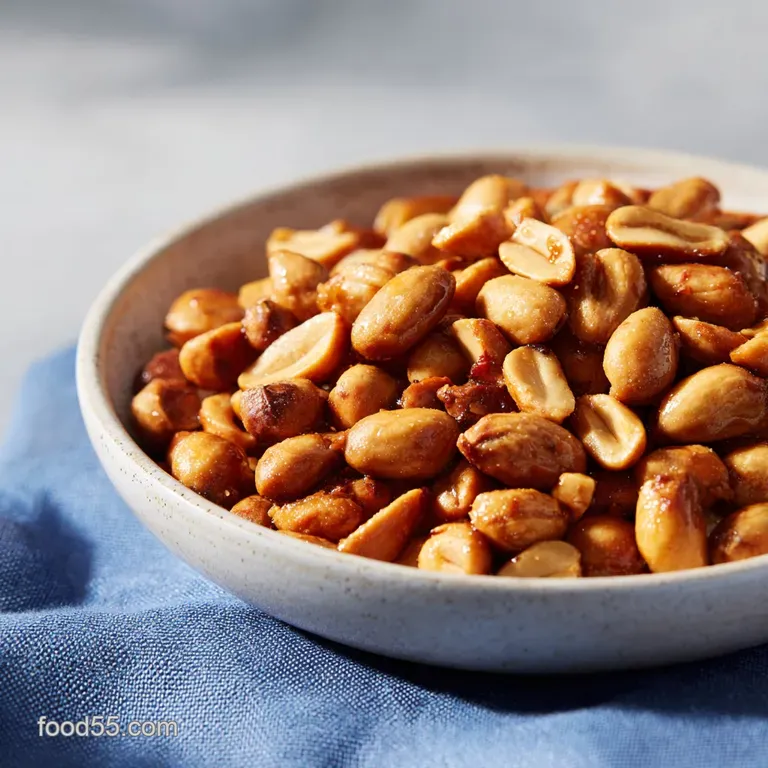
- Time: Active 5 minutes, Passive 25 minutes, Total 30 minutes
- Flavor/Texture Hook: Earthy warmth with a brittle, glass like shatter
- Perfect for: Game night snacking or topping fresh salads
- Discover Exactly How To Roast Peanuts
- Science Behind the Perfect Snap
- Essential Ingredient Deep Dive
- Best Tools for the Job
- Steps for Golden Roasted Results
- Solutions for Common Roasting Issues
- Adjusting the Total Batch Size
- Storage and Long Term Freshness
- Creative Ideas for Serving Nuts
- Peanut Roasting Myths
- Recipe FAQs
- 📝 Recipe Card
Discover Exactly How To Roast Peanuts
The first time I tried roasting my own snacks, the kitchen smelled like a campfire gone wrong. I’d cranked the heat to 400°F, thinking I could rush that golden glow, only to end up with charred, bitter pebbles that were raw in the middle. It was a disaster, honestly.
But when you get it right, the aroma is completely different. It is a deep, toasted perfume that fills every corner of your home, signaling that something warm and savory is about to hit the table.
There is a genuine joy in pulling a tray of hot nuts out of the oven and hearing that faint, musical crackle as they hit the cool air. It is about more than just a snack, it is about that cultural exchange of sharing a bowl of something handmade while catching up with friends.
We often forget that the best flavors don't come from a plastic tub, they come from a little bit of patience and a hot sheet pan.
Right then, let's get into the specifics of how to turn a bag of raw legumes into the most addictive treat in your pantry. We are looking for a specific texture not just "crunchy," but a delicate shatter that gives way to a creamy finish.
Trust me on this, once you smell that first batch browning, you will never go back to the pre packaged stuff.
Science Behind the Perfect Snap
over Low heat Thermal Diffusion: Slow roasting at 350°F allows moisture to evaporate from the core without scorching the delicate surface oils. This even heat distribution ensures the internal cell walls become brittle enough to shatter when you bite down.
| Method | Time | Texture | Best For |
|---|---|---|---|
| Oven Roast | 25 minutes | Even shatter | Large batches |
| Air Fryer | 15 minutes | Extra crispy | Quick cravings |
| Stovetop | 12 minutes | Toasted skin | Small garnishes |
Roasting is essentially a controlled dehydration process. If we go too fast, the outside seals shut, trapping steam inside and leaving you with a "bendy" or soft nut. By giving it 25 minutes, we ensure that every molecule of water escapes, leaving behind nothing but concentrated flavor and essential fats.
Essential Ingredient Deep Dive
Before we start, we need to talk about the quality of your raw materials. Not all peanuts are created equal, and your choice here determines the final snap. We are using 1 lb raw peanuts, specifically looking for Valencia or Virginia varieties if you can find them.
Valencia peanuts are smaller and sweeter, while Virginia peanuts are the classic "ballpark" nut with a massive crunch.
| Ingredient | Science Role | Pro Secret |
|---|---|---|
| Raw Peanuts | Protein structure | Store in the freezer before roasting to keep oils stable |
| Peanut Oil | Heat conductor | Using peanut oil specifically reinforces the natural nuttiness |
| Sea Salt | Flavor enhancer | Fine grain salt sticks better to the curved surfaces |
I always suggest using a fine sea salt rather than thick kosher flakes for this. The tiny grains find their way into every little crevice of the nut, ensuring you don't get a mouthful of salt followed by a bland bite. It is all about that even distribution.
Best Tools for the Job
You don't need a professional kitchen to pull this off, but a few specific items make the process much smoother. A heavy duty rimmed baking sheet is non negotiable. If you use a thin, flimsy pan, the heat will fluctuate, and you’ll end up with "hot spots" where some nuts burn while others stay pale.
- Rimmed Baking Sheet: Prevents the nuts from sliding off into the abyss of your oven.
- Large Mixing Bowl: You need space to toss the nuts with the oil and spices without making a mess.
- Airtight Glass Jar: For storing the finished product plastic can sometimes impart a weird scent to the oils.
If you are planning a full spread, these roasted nuts are a fantastic precursor to a heavier meal, much like how a warm basket of rolls sets the stage for dinner. For a truly impressive bread course, you might want to try this Homemade Dinner Rolls recipe to serve alongside your snacks.
Steps for Golden Roasted Results
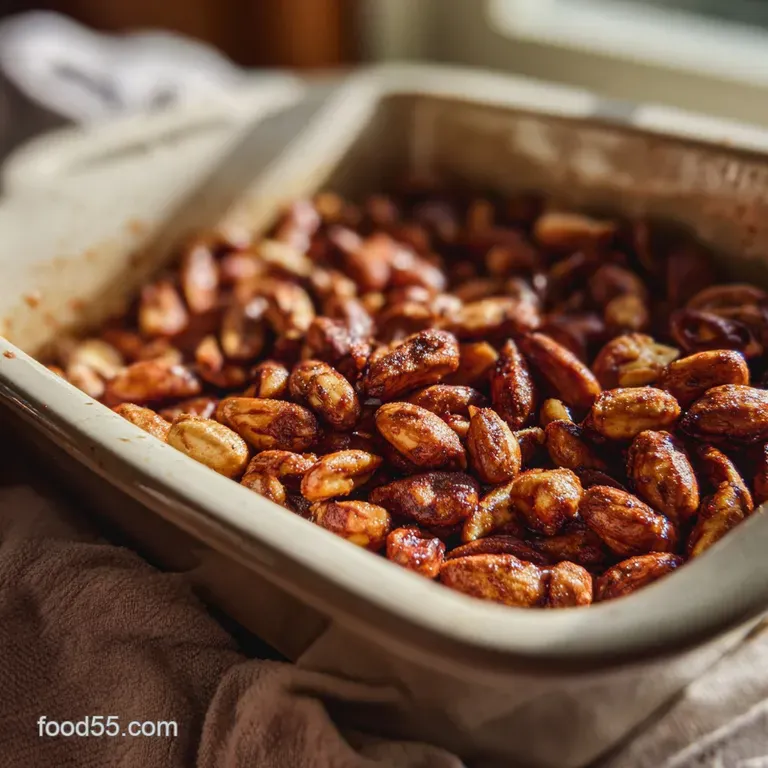
- Preheat the oven. Set your rack to the middle position and heat to 350°F. Note: The middle rack ensures even airflow around the pan.
- Clean and prep. Inspect your 1 lb raw peanuts for any shriveled or damaged ones and discard them. Wait until the oven is fully ready before moving to the next step.
- Coat with oil. Place the peanuts in a bowl and drizzle with 1 tsp peanut oil. Note: This acts as a glue for your seasonings.
- Season the batch. Sprinkle 1.5 tsp fine sea salt and 0.25 tsp smoked paprika over the nuts.
- Toss thoroughly. Use your hands or a spatula to ensure every single nut is shimmering with oil and spices.
- Spread them out. Pour the nuts onto the baking sheet in a single layer. Until you see no overlapping peanuts, keep spreading them out.
- Roast with care. Slide the pan into the oven for 25 minutes. Until the aroma turns from "green" to deeply toasted, keep an eye on them.
- Shake the pan. Halfway through, give the tray a good rattle to rotate the nuts.
- Cooling period. Remove from the oven and let them sit on the tray for 10 minutes. Until you hear a faint crackling sound, do not touch them.
- Final Set. Move the cooled peanuts to a bowl to finish setting.
Chef Tip: Never skip the cooling phase. Peanuts actually finish cooking and crisping up as they sit on the hot pan. If you eat them right away, they will feel soft and disappointing.
Solutions for Common Roasting Issues
The biggest hurdle for most home cooks is the deceptive nature of a hot peanut. When they come out of the oven, they don't feel crunchy. This leads many people to overcook them, thinking they aren't done yet. By the time they look "done" in the oven, they are usually burnt.
Why Your Peanuts Are Bitter
If your peanuts have a sharp, acrid aftertaste, they have likely spent too long in the heat or the oven temp was too high. The skins contain tannins that turn very bitter once scorched. Always pull them out when they are just a shade lighter than your desired final color.
| Problem | Root Cause | Solution |
|---|---|---|
| Soft/Soggy Nuts | Trapped moisture | Ensure a single layer and don't crowd the pan |
| Uneven Browning | Poor airflow | Shake the pan every 10 minutes during roasting |
| Salt Won't Stick | Dry surface | Add the oil first and season while the nuts are raw |
Common Mistakes Checklist
- ✓ Check your oven thermometer; many ovens run 25 degrees hot.
- ✓ Don't use a silicone mat it can insulate the nuts too much and prevent a crisp bottom.
- ✓ Avoid pre salted nuts for this; always start with raw to control the sodium.
- ✓ Never leave the kitchen during the last 5 minutes of roasting they turn fast!
Adjusting the Total Batch Size
If you are hosting a large crowd, you might be tempted to just throw two pounds on one tray. Don't do it! Crowding the pan creates steam, which is the enemy of the crunch. If you want to double the recipe, you must use two separate baking sheets and swap their positions in the oven halfway through.
When scaling down for a solo snack session, reduce the cooking time by about 20% and keep a very close eye on the color. For spices, you don't need to be quite as precise; if you're doing a half batch, using about 60% of the spices usually tastes better than a strict 50% split.
| Original Ingredient | Substitute | Why It Works |
|---|---|---|
| Peanut Oil (1 tsp) | Grapeseed Oil (1 tsp) | High smoke point and neutral flavor profile |
| Smoked Paprika | Cayenne Pepper | Adds a sharp heat instead of a smoky depth |
| Sea Salt | Celery Salt | Adds a savory, herbal note great for Bloody Marys |
Storage and Long Term Freshness
Roasted peanuts have a surprisingly long shelf life if you treat them right. The natural oils can go rancid if exposed to too much heat or light. Once they are completely cool and I mean room temperature transfer them to a glass jar with a tight lid.
They will stay perfectly crisp for up to 2 weeks in the pantry.
If you've made a massive batch, you can actually freeze them! Frozen roasted peanuts stay fresh for up to 6 months. You can eat them straight from the freezer for a chilly, crunchy treat, or toss them back in a warm oven for 2 minutes to revive that "just roasted" feel. For zero waste, save any leftover peanut "dust" or broken bits at the bottom of the jar; they make an incredible crust for a Beef Burger Recipe or a crunchy topping for noodles.
Creative Ideas for Serving Nuts
While a bowl of plain roasted peanuts is a classic, you can use these as a base for so much more. Try tossing them into a spicy Asian style slaw or crushing them to garnish a decadent chocolate tart. The smoked paprika in this recipe gives them a subtle barbecue vibe that pairs beautifully with a cold beverage.
If you are putting together a charcuterie board, place these in a small ceramic dish next to some sharp cheddar and sliced apples. The saltiness of the nuts cuts through the richness of the cheese perfectly.
You can also vary the spice level try a pinch of cinnamon and sugar for a sweet and savory version that the kids will love.
Peanut Roasting Myths
One of the biggest myths is that you need to soak peanuts in brine before roasting to get them salty. While that works for "in the-shell" nuts, it is totally unnecessary for shelled peanuts and often leads to a rubbery texture.
The oil and salt method we used here provides plenty of flavor without compromising the structural integrity of the nut.
Another misconception is that you should roast them until they are dark brown. In reality, the "carryover" heat continues to cook the center of the peanut for several minutes after it leaves the oven. If they look perfectly dark in the oven, they will taste burnt by the time they cool down.
Aim for a light golden tan, and let the residual heat do the rest of the work.
Recipe FAQs
What is the best way to roast peanuts?
Use the oven at 350°F for 20-25 minutes. This method provides the most even, consistent heat, allowing the internal moisture to evaporate slowly without scorching the exterior oils.
Do I need to soak peanuts before roasting?
No, never soak shelled peanuts before dry roasting. Soaking adds unnecessary moisture, which will steam the nut internally, resulting in a soft or rubbery texture rather than a brittle crunch.
How to roast peanuts in a frying pan?
Heat a dry, heavy bottomed pan over medium low heat and add the nuts in a single layer. Toss them frequently for about 10 12 minutes until they smell deeply fragrant. Be careful, as stovetop roasting requires constant attention to prevent burning.
What is the difference between toasted and roasted peanuts?
Roasting implies a higher, longer dry heat meant to cook the center thoroughly, while toasting often refers to a quicker application of dry heat just to brown the surface. For peanuts, the terms are often used interchangeably, but achieving a true, crisp internal structure requires the longer oven
roasting time.
Why do my roasted peanuts still taste soft or bendy?
They were removed from the heat too soon or were crowded on the pan. Softness means trapped moisture; ensure your nuts are in a single, uncrowded layer so the steam can escape completely. If you are interested in texture mastery, understanding heat control here is similar to how we master heat application in sauces for perfect consistency.
How much oil should I use when roasting?
Use just enough oil to lightly coat the surface of the nuts. A good rule is about 1 teaspoon of high heat oil per pound of raw peanuts. This acts as a conductor to distribute the heat evenly and helps the salt adhere.
Is it necessary to use specific varieties like Valencia or Virginia peanuts?
No, you can use any shelled raw peanut, but certain types yield better results. Virginia peanuts offer the best classic snap due to their size and oil content, which is what we aim for when achieving that brittle texture we discussed. If you enjoy building complex flavor profiles, this attention to ingredient base is also key when developing a rich condiment like our Smoky Chipotle Ketchup recipe.
How To Roast Peanuts
Ingredients:
Instructions:
Nutrition Facts:
| Calories | 163 kcal |
|---|---|
| Protein | 7.3 g |
| Fat | 14.2 g |
| Carbs | 4.6 g |
| Fiber | 2.4 g |
| Sugar | 1.3 g |
| Sodium | 218 mg |
