Italian Rice Balls: Velvety Saffron
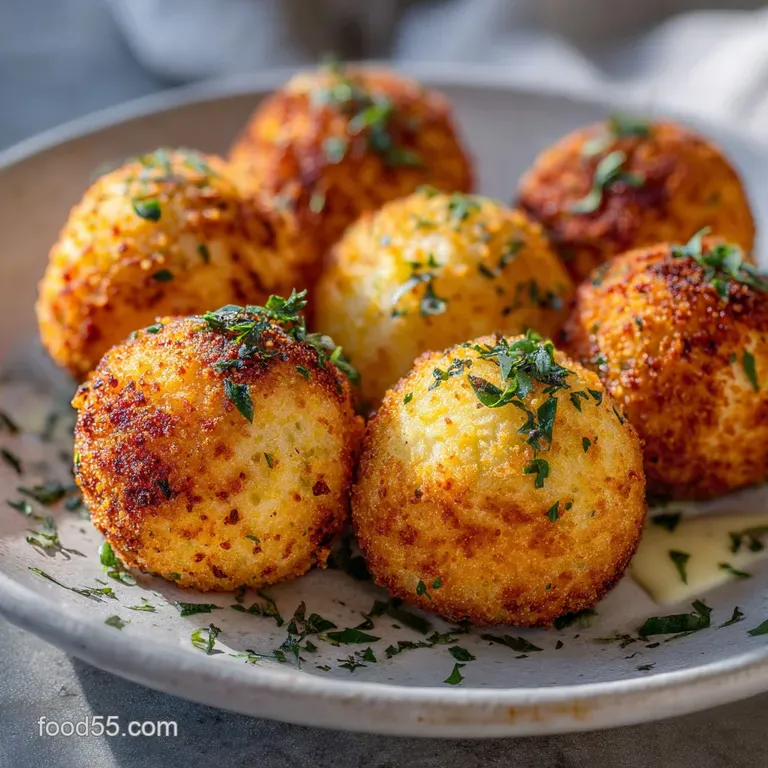
- Time: Active 45 minutes, Passive 20 minutes, Total 1 hour 5 minutes
- Flavor/Texture Hook: A crisp, savory crust hiding a rich, creamy, and bright interior.
- Perfect for: Shared weekend projects, dinner parties, or an authentic Italian street food experience at home.
- Crafting Truly Authentic Crispy Italian Rice Balls
- Starch Science for Structural Integrity
- Key Metrics for Arancini Success
- Sourcing Your Mediterranean Components
- Essential Tools for Golden Frying
- Step-by-Step Guide to Perfection
- Troubleshooting Frequent Arancini Mistakes
- Creative Swaps for Diverse Flavors
- Preservation and Waste Reduction Strategies
- Elevating the Shared Table Experience
- Recipe FAQs
- 📝 Recipe Card
Crafting Truly Authentic Crispy Italian Rice Balls
The first time I stood in a humid Sicilian kitchen, the air was thick with the scent of simmering saffron and the sharp, salty tang of aged Parmigiano Reggiano. I watched as hands that had made thousands of these moved with a rhythmic precision, tucking cubes of mozzarella into cooling mounds of bright yellow rice.
The contrast was startling: the cool, sticky grain against the hot, rich meat ragu, all waiting to meet the intense heat of the frying oil.
When that first ball hit the oil, the sizzle was immediate and fierce. A few minutes later, I took a bite. The "shatter" of the crust was audible, followed by the velvety smoothness of the rice and the literal "telephone wire" stretch of the melting cheese. It was a sensory explosion that redefined comfort food for me.
This isn't just a snack; it's a labor of love that brings people together over the shared joy of that first, messy, molten bite.
We aren't just making dinner here; we are building a bridge to a tradition of cultural exchange and conviviality. Whether you're feeding a crowd or looking for a meditative afternoon in the kitchen, these Italian Rice Balls are the ultimate prize.
It takes a bit of patience to get the rice just right, but once you master the technique, you'll never look back at store-bought versions again. Trust me on this, the effort pays off the moment you hear that golden crust crack.
Starch Science for Structural Integrity
- Amylopectin Gelatinization: Using Arborio rice is non negotiable because its high amylopectin content creates a natural, sticky glue that binds the sphere together without needing extra binders.
- Thermal Shock Resistance: The flour and water "batter" creates a protective barrier that prevents the rice from absorbing excess oil, ensuring a clean sizzle rather than a greasy soak.
- Protein Coagulation: The egg free breading relies on the rapid dehydration of the surface starch, which creates that signature shattering texture upon contact with 180°C oil.
| Frying Method | Prep Time | Resulting Texture | Best For |
|---|---|---|---|
| Deep Fry (Traditional) | 20 minutes | Shattering, uniform gold | Maximum authenticity |
| Air Fryer | 15 minutes | Firm, slightly drier crust | Health conscious prep |
| Shallow Pan Fry | 25 minutes | Patchy gold, very crispy | Small batches |
Understanding the rice is the most important part of this process. Much like the technique used for a standard How to Cook recipe, the goal is to control moisture, though here we want a much stickier result to ensure the balls don't disintegrate.
Key Metrics for Arancini Success
To get these right every single time, you need to watch your numbers. Guesswork is the enemy of a crisp crust and a molten center. I've ruined enough batches to know that a thermometer is your best friend in the kitchen.
- Oil Temperature: Maintain a steady 175°C to 180°C. Anything lower and the rice balls will turn into oil soaked sponges; anything higher and the outside burns before the mozzarella even thinks about melting.
- Rice Weight: Each ball should be approximately 50g to 60g of rice before filling. This ensures a consistent cook time and a manageable size for hand shaping.
- Internal Resting Temp: Allow the rice to cool to at least 25°C before attempting to shape. If the rice is too warm, the mozzarella cubes will melt prematurely, ruining the "surprise" center.
Chef Tip: Freeze your butter for 10 minutes before grating it into the hot rice. The cold fat creates tiny steam pockets as it melts, which contributes to a lighter, less dense rice texture.
Sourcing Your Mediterranean Components
| Ingredient | Science Role | Pro Secret |
|---|---|---|
| Arborio Rice | Structural starch | Do not rinse; you need every bit of that surface starch for binding. |
| Saffron Threads | Flavor & Color | Rub threads between your fingers before steeping to release the oils. |
| Parmigiano Reggiano | Umami & Grip | Use freshly grated; pre shredded cheese has cellulose that prevents sticking. |
| Low moisture Mozzarella | The "Melt" | Avoid fresh buffalo mozzarella here; it releases too much water and causes explosions. |
Buying the right ingredients is half the battle. If you've ever tried to make a Rice Pudding recipe, you know how starch behaves when it's pampered. For these Italian Rice Balls, we want that same creamy logic but with a structural twist.
- 400g Arborio or Carnaroli rice:Why this? High starch content ensures the balls hold their shape.
- 1 liter chicken stock:Why this? Provides the base savory depth for the rice.
- 50g grated Parmigiano Reggiano:Why this? Adds salty umami and acts as a binder.
- 28g unsalted butter:Why this? Creates a velvety mouthfeel in the rice base.
- 1 pinch saffron threads:Why this? The signature floral aroma and golden hue.
- 125g cooked meat ragu:Why this? The traditional savory core.
- 70g frozen peas, thawed:Why this? Adds a pop of sweetness and bright color.
- 115g low moisture mozzarella:Why this? Essential for the stringy, molten center.
- 125g all purpose flour:Why this? Creates the "glue" for the breadcrumbs.
- 180ml water:Why this? Thins the flour into a dipping batter.
- 200g fine breadcrumbs:Why this? Provides the final shattering crunch.
- 1 liter neutral frying oil:Why this? High smoke point for safe deep frying.
Essential Tools for Golden Frying
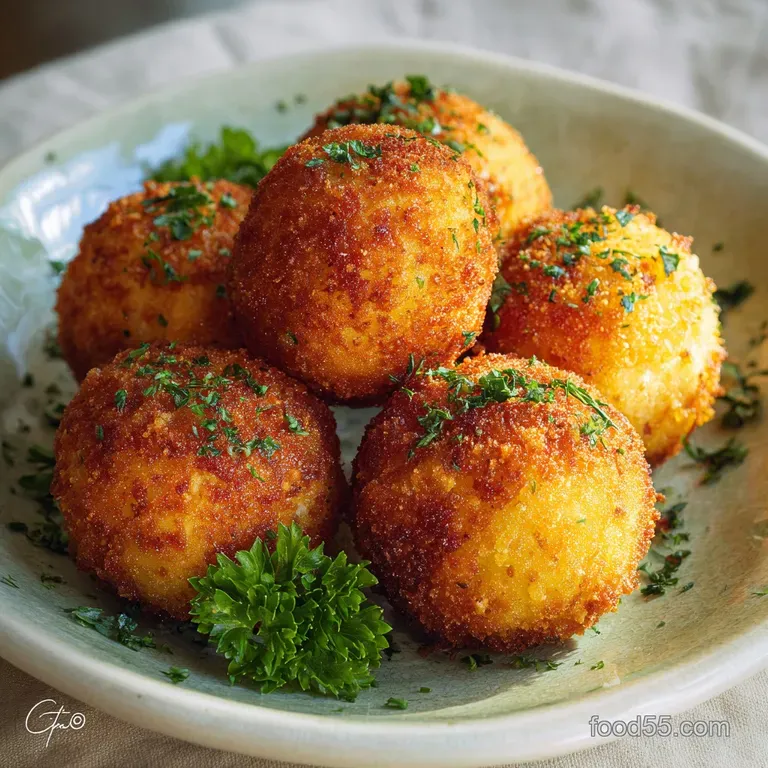
You don't need a professional kitchen, but a few specific items will make your life significantly easier. I used to try and shape these with just my hands, but I found that a small ice cream scoop keeps the portions identical, which is vital for even cooking.
A heavy bottomed pot, like a Dutch oven, is best for frying because it holds heat steadily. When you drop cold rice balls into the oil, the temperature naturally dips. A thin pot will struggle to recover, leading to soggy crusts.
You also want a spider strainer to lift the balls out gently tongs are too aggressive and might crack the delicate shell.
Right then, let's talk about the rice cooling. I like to spread mine out on a large baking sheet. Increasing the surface area helps the steam escape quickly, preventing the rice from becoming overcooked and mushy while it sits.
step-by-step Guide to Perfection
- Simmer the stock. Heat the 1 liter of chicken stock until it reaches a gentle bubble. Note: Using hot stock prevents the rice from seizing up.
- Toast the rice. Add the 400g of rice to a dry pan for 2 minutes until the edges look translucent and smell nutty.
- Hydrate with saffron. Gradually add the stock and the pinch of saffron, stirring until the liquid is fully absorbed and the rice is tender.
- Enrich the base. Fold in the 28g of butter and 50g of Parmigiano Reggiano. Note: This creates the velvety texture we're after.
- Cool the rice. Spread the mixture onto a tray and let it sit for 30 minutes until it is cool to the touch.
- Prepare the filling. Mix the 125g of ragu with the 70g of peas in a small bowl.
- Shape the spheres. Take a handful of rice, make an indentation, and stuff with a spoonful of ragu and a mozzarella cube. Squeeze firmly until a solid ball forms.
- Batter and bread. Whisk the 125g flour and 180ml water into a slurry, dip the ball, then roll in the 200g of breadcrumbs until fully and evenly coated.
- Fry to gold. Submerge the balls in the 1 liter of oil at 180°C for 4 minutes until the exterior is deeply bronzed and crackling.
- Drain and rest. Place on a wire rack for 2 minutes. Note: Resting allows the internal heat to finish melting the cheese.
Troubleshooting Frequent Arancini Mistakes
Why Your Italian Rice Balls Fall Apart
If your rice balls are disintegrating the moment they hit the oil, it’s usually a moisture or starch issue. Either the rice was too wet (too much stock) or you used a low starch grain like Jasmine.
| Problem | Root Cause | Solution |
|---|---|---|
| Ball collapses in oil | Rice was too warm or wet | Chill the formed balls for 30 mins before frying. |
| Cheese isn't melted | Center was too cold | Ensure ragu is room temp and fry at a lower 170°C for longer. |
| Coating falls off | Slurry was too thin | Add a tablespoon more flour to the batter for a glue like grip. |
If you're looking for a different rice texture entirely for another night, you might enjoy a Japanese Fried Rice recipe, which uses a completely different logic for grain separation.
Common Mistakes Checklist ✓ Never rinse your Arborio rice; the surface starch is your only "glue." ✓ Don't skip the flour water slurry; it’s the secret to a professional crust. ✓ Avoid over filling; if the walls of the rice ball are too thin, they will leak.
✓ Check your oil temp between every batch to prevent greasiness. ✓ Use a wire rack for draining, not paper towels, to keep the bottom from steaming and softening.
Rescuing Overly Dry Rice
If you overcooked the rice and it feels like a brick, don't toss it. You can gently fold in a tablespoon of warm stock or even a beaten egg to help re bind the mixture. It won't be "traditional" arancini, but it will save the meal.
| Feature | Fresh Arancini | Shortcut (Leftover Risotto) |
|---|---|---|
| Texture | Firm, structural | Softer, creamier |
| Effort | High (Specific prep) | Low (Uses what you have) |
| Best For | Authentic dinner parties | Quick weeknight snacks |
Creative Swaps for Diverse Flavors
| Original Ingredient | Substitute | Why It Works |
|---|---|---|
| Meat Ragu | Mushroom Duxelles | Provides the same savory "meatiness" for a vegetarian version. |
| Parmigiano | Pecorino Romano | Adds a sharper, funkier kick to the rice base. |
| Breadcrumbs | Panko | Creates an even more exaggerated, jagged crunch. |
If you want a different vibe, try these tweaks: If you want a Roman twist, use tomato based rice instead of saffron (this is called Supplì). If you want it spicy, add finely chopped calabrian chilis to your meat ragu.
If you want it lighter, skip the ragu and use a center of pesto and goat cheese.
Preservation and Waste Reduction Strategies
Storage: You can keep fried rice balls in the fridge for up to 3 days. To reheat, avoid the microwave at all costs it will turn the crust into a soggy mess. Use an oven or air fryer at 180°C for 8 minutes to bring back the "shatter."
Freezing: These are incredible for meal prep. Freeze the shaped, breaded, but unfried balls on a tray, then transfer to a bag. They will stay perfect for up to 2 months. Fry them straight from frozen, adding 2-3 minutes to the cook time.
Zero Waste: If you have leftover rice that wasn't enough to form a ball, press it into a small pan, fry it flat, and top with a fried egg for a "risotto pancake" breakfast. Any leftover breadcrumbs can be toasted with garlic and used as a crunchy topping for pasta the next day.
Elevating the Shared Table Experience
The Flavor Map of Arancini
- Bright: The floral notes of saffron and a squeeze of fresh lemon on top.
- Rich: The buttery rice and the fatty, savory ragu.
- Earthy: Sweet peas and the nutty crust.
- Salty: Aged Parmigiano and the seasoned breading.
Serving these is all about the "reveal." I love to serve them on a large wooden board in the center of the table with a simple, spicy marinara dipping sauce. It fosters a genuine connection when everyone is reaching for the same plate, passing the napkins as the molten cheese starts to stretch.
Dispelling Frying Myths
Many people think you need a dedicated deep fryer for this. That’s a myth. A standard pot with about 3-4 inches of oil is more than enough. Another misconception is that you need eggs in the breading.
While some use them, the flour water slurry actually creates a crisper, more professional shell that doesn't get "bready" or cakey. The starch on-starch bond between the rice and the batter is far superior for achieving that specific Italian street food texture.
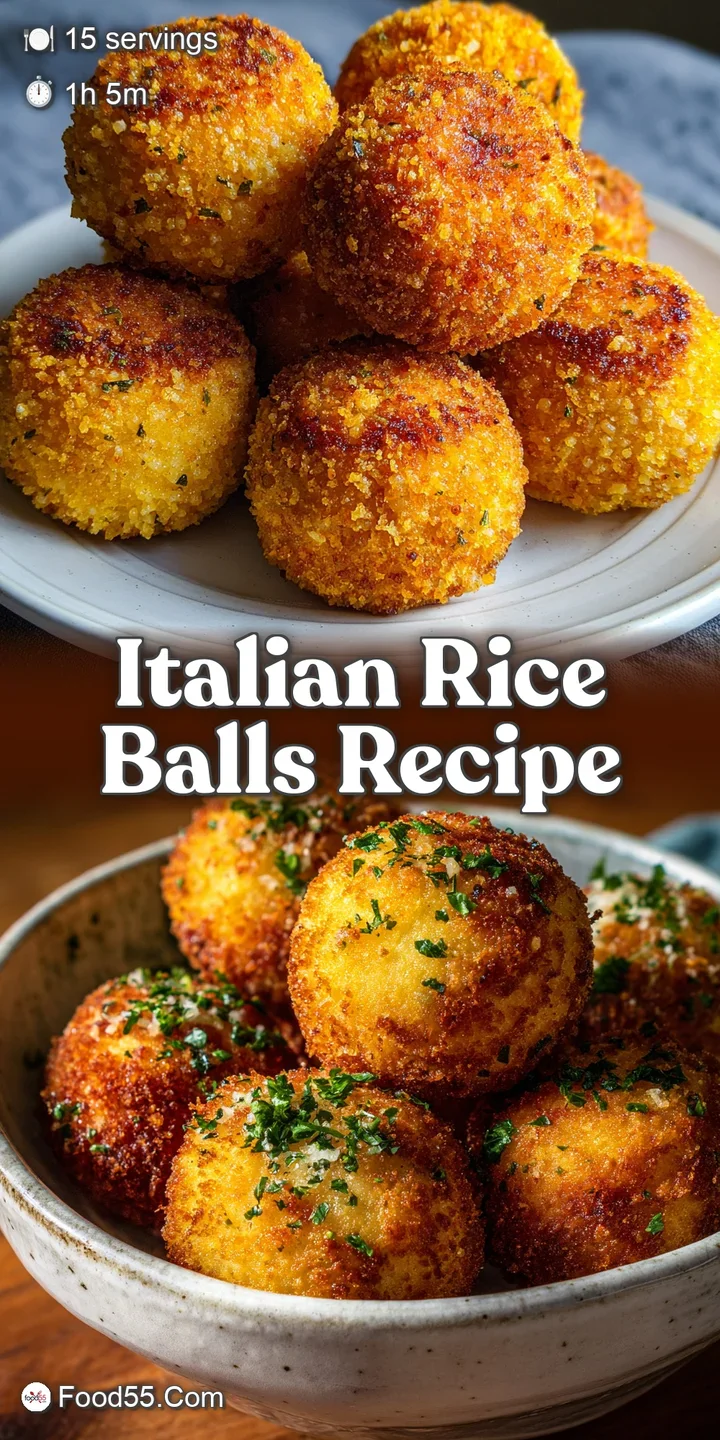
Recipe FAQs
What are Italian rice balls called?
They are most famously called arancini. This term is widely used across Italy and internationally to refer to these fried rice balls, though regional variations exist.
What is the difference between rice balls and arancini?
Arancini are a specific type of Italian rice ball. While all arancini are Italian rice balls, not all Italian rice balls are technically arancini; the term usually implies a specific preparation method and often includes a filling.
What are arancini balls made of?
Arancini are primarily made of cooked risotto rice. This is typically mixed with cheese like Parmigiano Reggiano, and often includes a savory filling such as ragu, peas, or mozzarella, then breaded and deep fried.
What do Sicilians call arancini?
Sicilians traditionally call them arancini or arancine. The name varies by region within Sicily; some areas use the masculine "arancino" (little orange) and others the feminine "arancina," both referring to the golden, orange like appearance after frying.
Can I use leftover risotto to make arancini?
Yes, leftover risotto is an excellent base for arancini. The starch in the cooled risotto binds the mixture together, making it perfect for shaping. If you enjoyed mastering the texture of risotto here, see how the same starch principles apply in our Classic OvenBaked Stuffed Bell Peppers My Familys Favorite.
What is the best rice for making Italian rice balls?
Arborio or Carnaroli rice is best for authentic Italian rice balls. These short grain Italian rices have a high starch content, which creates the creamy, sticky texture needed for the rice balls to hold their shape when fried.
What are common fillings for arancini?
Classic fillings include ragu (meat sauce), mozzarella, peas, and ham. You can also get creative with options like mushrooms, pesto, or even different cheeses. If you're looking for flavor inspiration beyond rice, consider exploring our Master 3 Essential Stir Fry Sauces From Scratch Today to see how diverse flavor profiles can transform simple ingredients.
Italian Rice Balls
Ingredients:
Instructions:
Nutrition Facts:
| Calories | 318 calories |
|---|---|
| Protein | 10.4 g |
| Fat | 14.2 g |
| Carbs | 37.5 g |
| Fiber | 1.8 g |
| Sugar | 1.4 g |
| Sodium | 472 mg |
