Low Carb Recipe Using Chicken with Garlic and Herbs
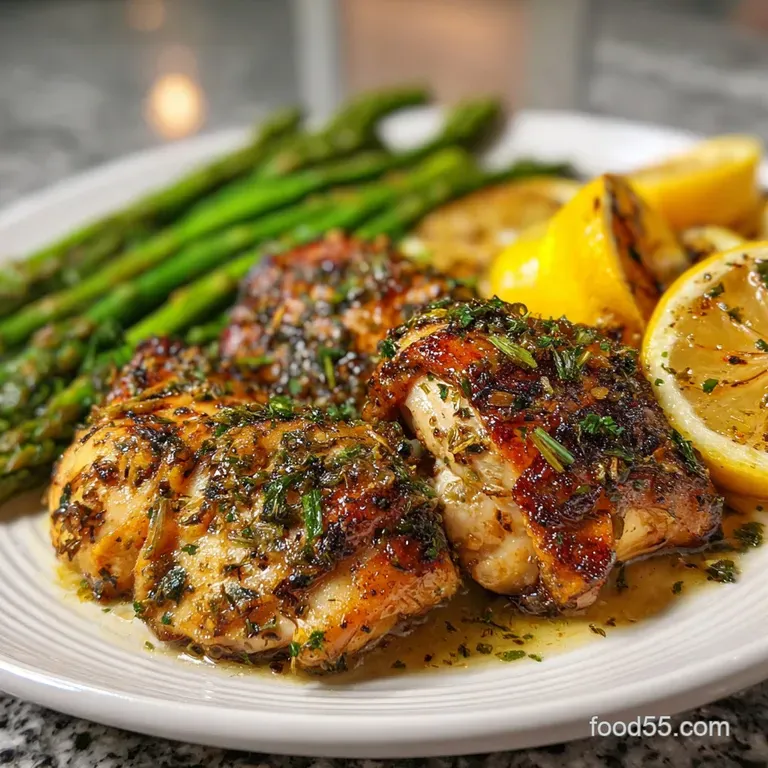
- Time: Active 15 minutes, Passive 5 minutes, Total 20 minutes
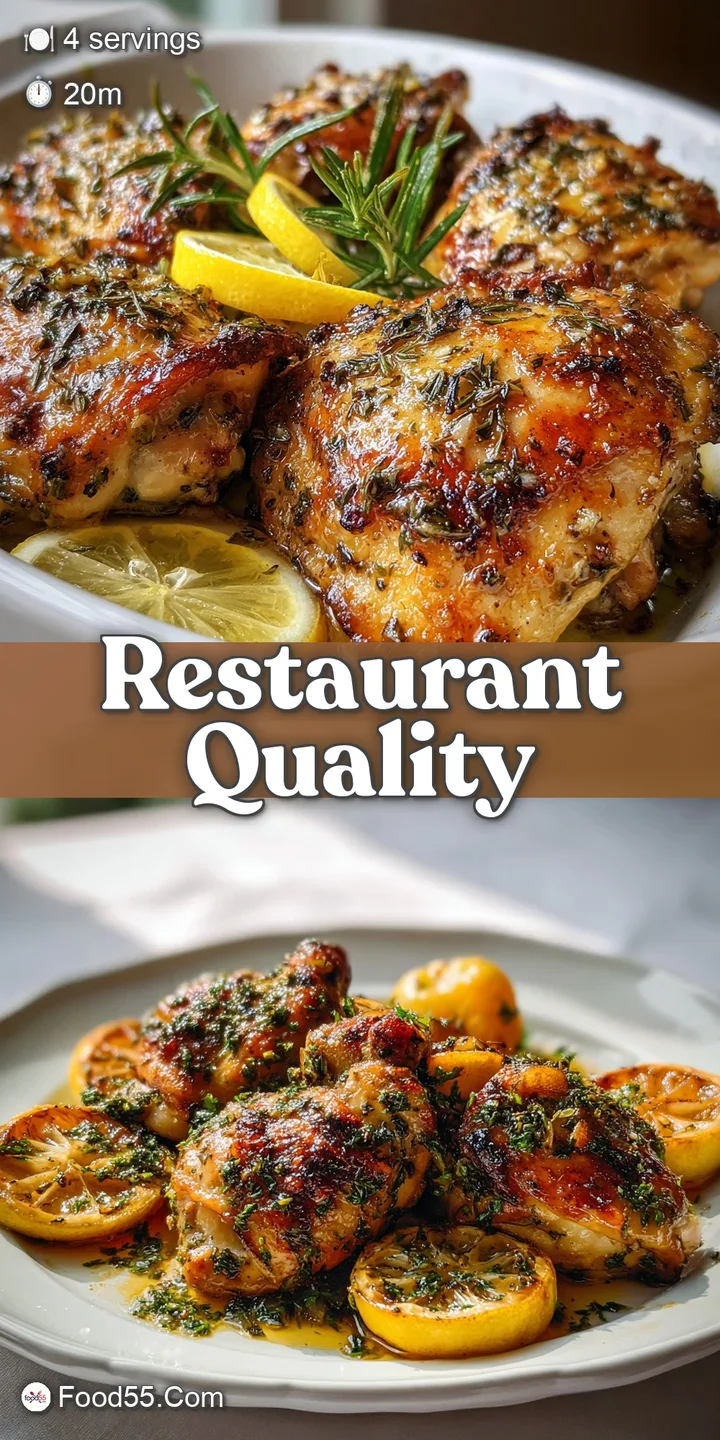
- Flavor/Texture Hook: Golden seared exterior with a velvety garlic butter glaze
- Perfect for: Busy weeknight dinners, high protein meal prep, or beginner friendly keto cooking
- Low Carb Recipe using Chicken with Garlic and Herbs
- Scientific Secrets of the Pan
- Component Analysis for Flavor
- Essential Ingredients for Flavor
- Necessary Tools for the Kitchen
- Mastering the Cooking Process
- Avoiding Common Cooking Mistakes
- Customizing the Herb Profile
- Myths About Pan Searing
- Storage and Waste Tips
- Ideal Pairings for Serving
- Recipe FAQs
- 📝 Recipe Card
Low Carb Recipe using Chicken with Garlic and Herbs
I still remember the first time I tried to make a meal like this after a long day at work. I was exhausted, the kitchen was a mess, and I just wanted something that didn't taste like "diet food." I tossed some chicken in a cold pan with way too much garlic and ended up with something grey and bitter.
It was a disaster, but it taught me everything I know now about the importance of pan temperature and the timing of aromatics. This low carb recipe using chicken with garlic and herbs will become your new favorite weeknight dinner because it finally solves the "boring chicken" problem.
We’ve all been there, staring at a pack of chicken breasts wondering how to make them exciting without adding a ton of heavy sauces or sugar laden marinades. The magic isn't in a long list of ingredients, but in how you treat the ones you have.
By focusing on the sizzle and the scent of fresh herbs hitting hot fat, we create layers of flavor that feel incredibly indulgent while keeping the carb count almost at zero.
You can expect a dish that brings people together around the table, sparking conversation as the aroma of rosemary and thyme fills the room. It’s a conviviality booster, proving that eating well doesn't mean sacrificing the joy of a shared meal.
Trust me, once you see that golden crust and smell the garlic hitting the butter, you'll never go back to plain baked chicken again.
Scientific Secrets of the Pan
The Maillard Reaction: High heat causes a chemical reaction between amino acids and reducing sugars, creating that brown, savory crust that provides deep umami notes without extra calories.
Carryover Cooking: Chicken continues to rise in temperature by about 3°C to 5°C after being removed from the heat, which is why we stop just before the target to ensure the meat stays juicy.
Fat Soluble Aromatics: The essential oils in rosemary and thyme are fat soluble, meaning they need the 45 g of grass fed butter to fully release their flavor profile into the sauce.
Emulsification Stability: Using 60 ml of chicken bone broth to deglaze the pan helps pick up the "fond" (brown bits) and creates a thin, velvety pan sauce that clings to the protein.
| Chicken Thickness | Internal Temp | Rest Time | Visual Cue |
|---|---|---|---|
| 1.5 cm (Pounded) | 74°C | 5 minutes | Juices run clear |
| 2.5 cm (Standard) | 74°C | 7 minutes | No pink in center |
| 3.0 cm (Thick) | 74°C | 10 minutes | Firm to the touch |
Selecting the right thickness is the first step toward success. If your chicken breasts are uneven, use a meat mallet to ensure they are consistent, otherwise, the thin ends will dry out before the thick center is safe to eat. This simple physics trick ensures every bite is as succulent as the last.
Component Analysis for Flavor
| Ingredient | Science Role | Pro Secret |
|---|---|---|
| Avocado Oil | High Smoke Point | Unlike olive oil, this won't smoke or turn bitter during the over high heat searing phase. |
| Grass fed Butter | Flavor Carrier | Contains milk solids that brown beautifully, adding a nutty, toasted scent to the finish. |
| Fresh Rosemary | Heat Stability | This woody herb can stand up to high heat without losing its structural integrity or flavor. |
Essential Ingredients for Flavor
- 680 g Chicken Breasts: Boneless and skinless for the fastest cooking. Why this? Lean protein that absorbs the garlic herb butter perfectly without excess fat.
- Substitute: Chicken thighs (increase cook time by 4 minutes).
- 1 tsp Sea salt: For drawing out moisture and seasoning.
- Substitute: Kosher salt (use 1.5 tsp).
- 0.5 tsp Cracked black pepper: Adds a subtle heat.
- Substitute: White pepper for a milder, floral note.
- 30 ml Avocado oil: For the initial sear. Why this? Essential for the Maillard reaction without burning the oil.
- Substitute: Ghee or refined coconut oil.
- 6 cloves Fresh garlic: Minced finely.
- Substitute: 1.5 tsp Garlic powder (add to the dry seasoning instead of the butter).
- 1 tbsp Fresh rosemary: Chopped fine.
- Substitute: 1 tsp Dried rosemary (crush it in your palm first).
- 1 tbsp Fresh thyme: Leaves stripped from the stem.
- Substitute: 1 tsp Dried thyme.
- 2 tbsp Fresh Italian parsley: For a bright finish.
- Substitute: Fresh cilantro for a different herb profile.
- 45 g Grass fed butter: The base of our velvety sauce.
- Substitute: Vegan butter or extra avocado oil for dairy-free.
- 0.5 unit Fresh lemon: Juiced for acidity. Why this? Cuts through the richness of the butter and brightens the herbs.
- Substitute: 1 tsp Apple cider vinegar.
- 60 ml Low sodium chicken bone broth: To deglaze.
- Substitute: Dry white wine (like Sauvignon Blanc).
When I’m looking for a deeper, more comforting flavor profile, I often think back to How My Grandmother's recipe used simple pantry staples to create a glaze that felt like a hug. While this recipe is much lower in carbs, the principle of building a sauce from the pan drippings remains the same.
Necessary Tools for the Kitchen
To get that restaurant style finish, you need a heavy bottomed pan. A cast iron skillet (like a Lodge) or a heavy stainless steel pan is your best friend here. These materials hold heat better than thin aluminum, which prevents the pan temperature from dropping when you add the cold meat.
You'll also want a set of sturdy tongs to flip the chicken without piercing the meat and losing those precious juices. A digital meat thermometer is non negotiable for beginners; it takes the guesswork out of doneness and prevents the tragedy of overcooked, rubbery poultry.
Mastering the Cooking Process
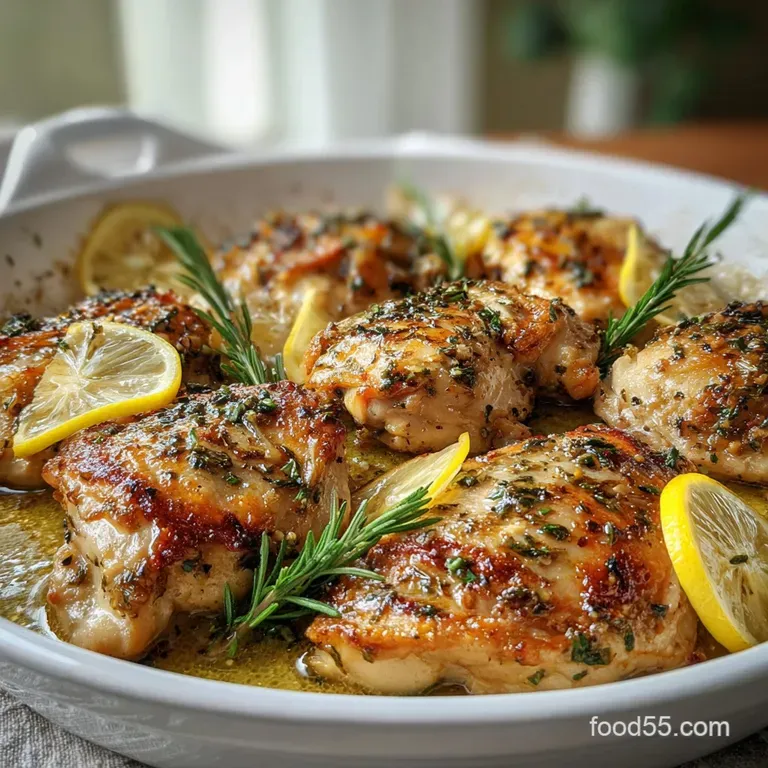
1. The Precision Prep
Pat the 680 g of chicken breasts completely dry with paper towels. Note: Moisture on the surface creates steam, which prevents the golden crust from forming. Season both sides generously with sea salt and cracked black pepper.
2. The over High heat Sear
Heat 30 ml of avocado oil in your skillet over medium high heat until it shimmers. Place the chicken in the pan. Cook for 4-5 minutes without moving them until a deep golden crust forms and the meat releases easily from the pan.
3. The Balanced Flip
Flip the chicken and cook for another 4 minutes. If you find yourself wanting a more hands off approach on other nights, you might enjoy a Slow Cooker Chicken recipe, but for today, we want that crispy exterior.
4. The Herb Infusion
Reduce heat to medium. Move the chicken to one side of the pan and add the 45 g of butter, minced garlic, rosemary, and thyme to the empty space. Sizzle for 1 minute until the garlic is fragrant and the butter begins to foam.
5. The Velvety Basting
Tilt the pan slightly so the herb butter pools. Use a large spoon to continuously pour the hot butter over the chicken for 2 minutes. This "arroser" technique cooks the top of the meat and infuses it with flavor.
6. The Fragrant Deglaze
Pour in the 60 ml of chicken bone broth and the lemon juice. Use a wooden spoon to scrape up the brown bits from the bottom of the pan. Simmer for 2 minutes until the liquid reduces by half and looks silky.
7. The Final Check
Ensure the internal temperature has reached 74°C. Remove the skillet from the heat. Note: Resting is vital for the fibers to relax and reabsorb the juices.
8. The Finishing Touch
Garnish with fresh Italian parsley and an extra squeeze of lemon if you like it tangy. Serve immediately while the sauce is still shimmering and warm.
Avoiding Common Cooking Mistakes
Why Your Chicken Is Dry
If your chicken feels like sawdust, it's usually a matter of temperature. Chicken breast is very lean, so once it passes that 74°C mark, the proteins tighten and squeeze out all the moisture. Using a thermometer is the only way to be 100% sure every time.
Another culprit is skipping the rest period. If you cut into the meat the second it leaves the pan, all the juices will run out onto the cutting board instead of staying in the meat. Give it five minutes; it makes a world of difference.
| Problem | Root Cause | Solution |
|---|---|---|
| Bitter Flavor | Burnt Garlic | Add garlic only in the last 3 minutes of cooking. |
| No Crust | Wet Chicken or Cold Pan | Pat dry and wait for oil to shimmer before adding meat. |
| Grey Meat | Overcrowded Pan | Cook in batches so the temperature doesn't drop. |
Common Mistakes Checklist
- ✓ Always pat the chicken dry before seasoning to ensure a crisp sear.
- ✓ Preheat the pan for at least 3 minutes; a cold pan leads to sticking.
- ✓ Use fresh garlic instead of the jarred version for a cleaner, sharper flavor.
- ✓ Don't move the chicken once it hits the pan; let the crust develop.
- ✓ Rest the meat for at least 5 minutes before slicing.
| Problem | Cause | Fix |
|---|---|---|
| Garlic turned black | Heat was too high | Lower heat before adding butter and garlic. |
| Sauce is too thin | Not enough reduction | Simmer for another 2 minutes on high heat. |
| Chicken is rubbery | Overcooked | Pull at 71°C and let carryover cooking finish it. |
Customizing the Herb Profile
If you want to scale this down for a solo lunch, simply use one large breast and cut the butter and herbs by half. Use a smaller 20 cm skillet to keep the sauce from spreading too thin and evaporating.
When scaling up for a dinner party, do not double the salt immediately. Start with 1.5x the salt and taste the sauce at the end. Use two large skillets or work in batches to avoid crowding, which would steam the meat rather than sear it. If you're feeding a crowd and want something even richer, you might consider The Creamy Garlic recipe which uses a similar base but adds heavy cream for a more decadent finish.
Mediterranean Twist
Swap the rosemary for dried oregano and add 30 g of capers and 50 g of halved cherry tomatoes during the deglazing step. This adds a salty, acidic punch that pairs beautifully with the garlic.
The "Lazy Keto" Version
If you're in a hurry, you can use a pre mixed "Poultry Seasoning" blend, but ensure it doesn't contain added starches or sugars. Add a splash of heavy cream at the end to make it a one pan creamy delight.
Myths About Pan Searing
"Searing seals in the juices." This is actually a myth! Searing is strictly for flavor and texture via the Maillard reaction. In fact, seared meat loses slightly more moisture than poached meat, but the flavor trade off is worth it every single time.
"Fresh and dried herbs are interchangeable." While you can substitute them, the timing changes. Dried herbs need to be added earlier to rehydrate in the fat, whereas fresh herbs (especially parsley) should be added at the end to preserve their bright, green notes and volatile oils.
Storage and Waste Tips
Storage: Keep leftovers in an airtight container in the fridge for up to 3 days. When reheating, do it gently in a pan with a splash of broth to prevent the chicken from becoming rubbery in the microwave.
Freezing: You can freeze the cooked chicken in its sauce for up to 2 months. Thaw overnight in the fridge before reheating. Note: The sauce may separate slightly, but a quick whisk in the pan will bring it back together.
Zero Waste: Don't throw away those herb stems! The woody stems of rosemary and thyme are packed with flavor. Throw them into a freezer bag with your chicken bones to make a rich, aromatic bone broth for your next recipe.
Ideal Pairings for Serving
This dish is quite versatile. Since it's a low carb recipe using chicken with garlic and herbs, I usually serve it alongside roasted cauliflower or a simple arugula salad with a lemon vinaigrette. The peppery greens cut right through the buttery sauce.
If you aren't strictly low carb, a side of garlic mashed potatoes or some crusty sourdough bread is the best way to soak up every last drop of that herb butter sauce. It’s all about creating a meal that feels complete and satisfying.
| Feature | Fresh Garlic | Jarred Shortcut |
|---|---|---|
| Flavor | Sharp, pungent, sweet | Mellow, slightly acidic |
| Texture | Firm bits | Soft, mushy |
| Aroma | Intense | Faint |
Decision Shortcut
- If you want a crispier skin, leave the skin on the chicken and sear skin side down first for 7 minutes.
- If you want a thicker sauce, whisk in 0.5 tsp of xanthan gum during the deglazing phase.
- If you want more heat, add a pinch of red pepper flakes to the butter while it's foaming.
Recipe FAQs
What to do with garlic and herb chicken breast?
Sear and baste with herb butter. Pan-sear chicken breasts until golden brown, then reduce heat and baste with butter, garlic, and fresh herbs like rosemary and thyme until cooked through and juicy.
What can I eat with chicken that isn't carbs?
Focus on non-starchy vegetables and healthy fats. Great low-carb sides include roasted broccoli, sautéed spinach, cauliflower rice, or a fresh green salad with a vinaigrette. You can also enjoy avocado or a dollop of sour cream.
What is the best herb combination for chicken?
Rosemary, thyme, and garlic is classic and hard to beat. These robust herbs stand up well to cooking and complement chicken beautifully, creating a fragrant and savory profile. Parsley is excellent for a fresh finish.
What seasonings are good for keto chicken breast?
Salt, pepper, garlic powder, onion powder, paprika, and dried herbs work well. For this specific recipe, fresh garlic, rosemary, and thyme are highlighted. Just ensure any pre-made blends are carb free.
Can I use dried herbs instead of fresh?
Yes, but adjust the amount and timing. Use about one-third the amount of dried herbs compared to fresh, and add them earlier in the cooking process to allow them to rehydrate and release their flavor, unlike fresh herbs added at the end.
How do I prevent my chicken breast from drying out?
Don't overcook it and let it rest. Use an instant read thermometer to cook chicken to an internal temperature of 74°C, and always let it rest for 5-10 minutes after cooking. This allows the juices to redistribute, resulting in a more tender and moist piece of chicken.
How to make a flavorful pan sauce for chicken?
Deglaze the pan with broth and butter. After searing the chicken, add butter, garlic, and herbs to the pan, then deglaze with chicken bone broth and a squeeze of lemon juice, scraping up any browned bits (fond) for maximum flavor. If you enjoyed mastering the emulsification in this sauce, see how we use a similar whisking method to create a stable emulsion in our Espagnole Sauce for Chicken: Traditional Recipe in 65 Minutes.
Low Carb Chicken Garlic Herb
Ingredients:
Instructions:
Nutrition Facts:
| Calories | 430 calories |
|---|---|
| Protein | 54 g |
| Fat | 22 g |
| Carbs | 2 g |
| Fiber | 0.5 g |
| Sugar | 0.5 g |
| Sodium | 615 mg |
