Sodium Restricted Diet Recipe with Lemon and Garlic
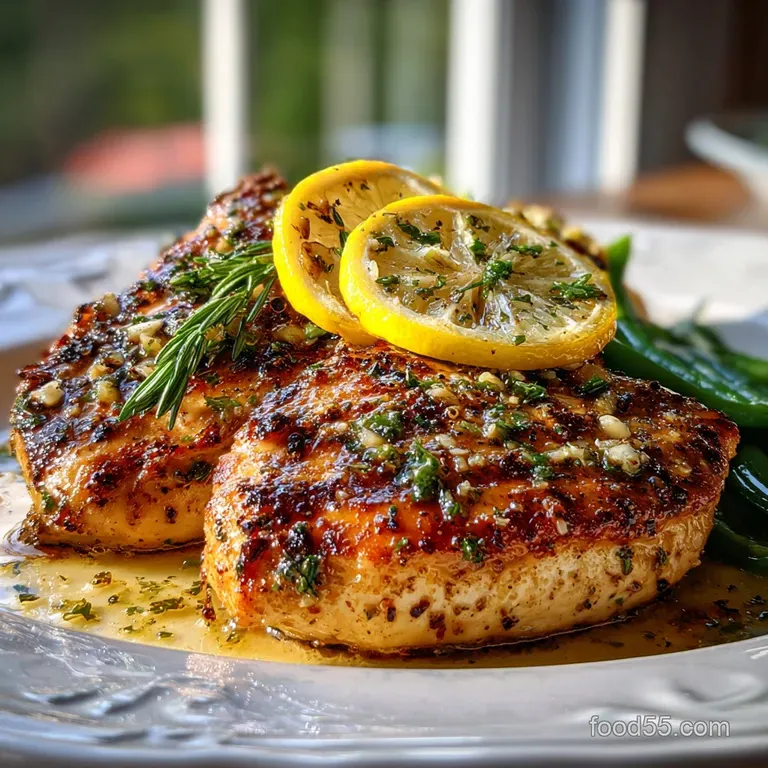
- Time: Active 15 minutes, Passive 25 minutes, Total 40 minutes
- Flavor/Texture Hook: Succulent citrus infused chicken with a velvety garlic pan sauce
- Perfect for: Health conscious weeknight dinners and meal prep enthusiasts
- Vibrant Sodium Restricted Diet Recipe with Lemon and Garlic
- Key Flavor Techniques Explained
- Recipe Specs and Details
- Quality Ingredients and Substitutes
- Essential Equipment Needed
- Step-by-Step Prep to Plate
- Fixing Common Cooking Errors
- Mix Up the Flavors
- Storage and Reheating Guide
- Perfect Complements and Sides
- Myths About Sodium Cooking
- Recipe FAQs
- 📝 Recipe Card
Vibrant Sodium Restricted Diet Recipe with Lemon and Garlic
The second that chicken hits the hot oil, the sizzle tells you everything you need to know. There is a specific aroma that fills the kitchen when garlic meets fresh lemon zest it's sharp, bright, and immediately makes everyone wander into the room asking, "When do we eat?" I remember the first time I cooked this for a friend who had to cut back on salt; they were convinced I'd cheated because the flavor was so intense and satisfying.
This Sodium Restricted Diet Recipe with Lemon and Garlic provides a flavorful and healthy dish perfect for a delicious, low sodium meal. We are leaning heavily on the "acid trick" here, using the brightness of the lemon to wake up your taste buds in the exact way salt usually does.
It's a total shift in how you think about seasoning, focusing on the layers of aromatics rather than the salt shaker.
You can expect a dish that feels light but tastes incredibly deep. The garlic doesn't just sit there; it mellows and sweetens as it roasts, creating a savory base that carries the zing of the lemon juice perfectly.
Trust me, once you see how the juices mingle with the dried oregano and black pepper to create a natural sauce in the pan, you'll never look at "diet food" the same way again.
Key Flavor Techniques Explained
The Acid Salt Synergy: Citric acid mimics the tongue's reaction to sodium, tricking the brain into perceiving fullness of flavor without the blood pressure spike.
Aromatic Layering: Using both fresh zest and juice provides two different dimensions of citrus the zest offers essential oils while the juice provides the sharp finishing bite.
Maillard Enhancement: Searing the chicken at a high temperature creates a golden crust that provides the savory "umami" depth usually supplemented by salt.
| Thickness | Internal Temp | Rest Time | Visual Cue |
|---|---|---|---|
| 0.5 inch | 165°F | 3 minutes | Juices run clear, no pink |
| 0.75 inch | 165°F | 5 minutes | Firm to the touch |
| 1 inch | 165°F | 7 minutes | Opaque throughout |
When you're working with lean cuts like chicken breast, the resting period is non negotiable. If you cut into it the moment it leaves the heat, all that velvety moisture you worked so hard to keep inside will just flood the plate, leaving you with dry meat.
Recipe Specs and Details
Leveraging Acid for Perceived Saltiness
When we remove salt, we have to find other ways to make the mouth water. Acid is the most effective tool in our kit. By adding the lemon juice at the very end of the cooking process, we keep those bright notes intact. If you cook the juice too long, it loses its "punch" and becomes dull.
The zest, however, is added early to infuse the oil and the meat with those floral, citrus oils that won't evaporate.
Maximizing Umami through Aromatics
Garlic and onion powder are the "heavy lifters" for savory notes here. Since we aren't using salt to pull moisture and flavor out of the meat, we rely on these dried aromatics to create a concentrated crust. If you love this punchy profile, you'll definitely want to see How to Craft recipe for your next prep day to have a stash of flavor ready to go.
| Component | Science Role | Pro Secret |
|---|---|---|
| Lemon Zest | Essential Oil Delivery | Grate it directly over the oil to catch every drop of spray |
| Black Pepper | Heat and Depth | Use freshly cracked kernels for a woody, floral bite |
| Garlic Cloves | Savory Base | Slicing thin provides sweetness; mincing provides intensity |
The interaction between the black pepper and the lemon juice creates a "false heat" that keeps the palate interested. It's a technique often used in Mediterranean cooking to bring people together over fresh, vibrant ingredients without the need for heavy processing or excessive sodium.
Quality Ingredients and Substitutes
To make this recipe pop, you'll need the following ingredients. Remember, since there's no salt to hide behind, the quality of your lemon and garlic makes a huge difference.
- 4 boneless, skinless chicken breasts (approx. 6 oz each)
- Substitute: Boneless turkey cutlets for a similar lean profile.
- 3 tbsp extra virgin olive oilWhy this? Provides the healthy fats needed to carry the fat soluble garlic flavors.
- Substitute: Avocado oil if you prefer a higher smoke point.
- 2 tbsp fresh lemon juice
- Substitute: Lime juice (adds a more tropical, sharp note).
- 1 tbsp lemon zest, finely grated
- Substitute: Dried lemon peel (use half the amount).
- 6 cloves garlic, mincedWhy this? The primary source of savory umami in this sodium restricted dish.
- Substitute: 2 tsp garlic powder (less vibrant, more earthy).
- 1 tsp cracked black pepper
- 1 tsp onion powder
- 1 tsp dried oregano
- 1 whole lemon, thinly sliced into rounds
- 1/4 cup low sodium chicken broth
- Substitute: Dry white wine (adds acidity and floral notes).
- 2 tbsp fresh parsley, chopped
| Original Ingredient | Substitute | Why It Works |
|---|---|---|
| Extra Virgin Olive Oil | Ghee | Adds a buttery richness without the sodium of salted butter. |
| Chicken Broth | Vegetable Stock | Keeps the dish lighter. Note: Check for "no salt added" labels. |
| Dried Oregano | Dried Thyme | Thyme offers a more lemony, earthy aroma that pairs well. |
For nights when you want something richer but still want that aromatic hit, The Creamy Garlic recipe is a total crowd pleaser that uses similar base flavors.
Essential Equipment Needed
You don't need a professional kitchen, but a few specific tools will make the texture of this dish much better. A heavy bottomed skillet is your best friend here because it holds heat evenly, ensuring you get that golden sear without burning the garlic.
- Cast iron or heavy stainless steel skillet: This is vital for the Maillard reaction. A thin pan will hot spot and burn the lemon slices.
- Microplane or fine grater: For the zest. You want it fine so it melts into the marinade rather than leaving bitter chunks.
- Meat thermometer: The only way to ensure the chicken is succulent and safe without overcooking it into rubber.
- Tongs: To flip the chicken gently without piercing the meat and losing those precious internal juices.
Chef's Tip: Freeze your lemon for 10 minutes before zesting. It makes the peel firmer and much easier to grate without hitting the bitter white pith.
step-by-step Prep to Plate
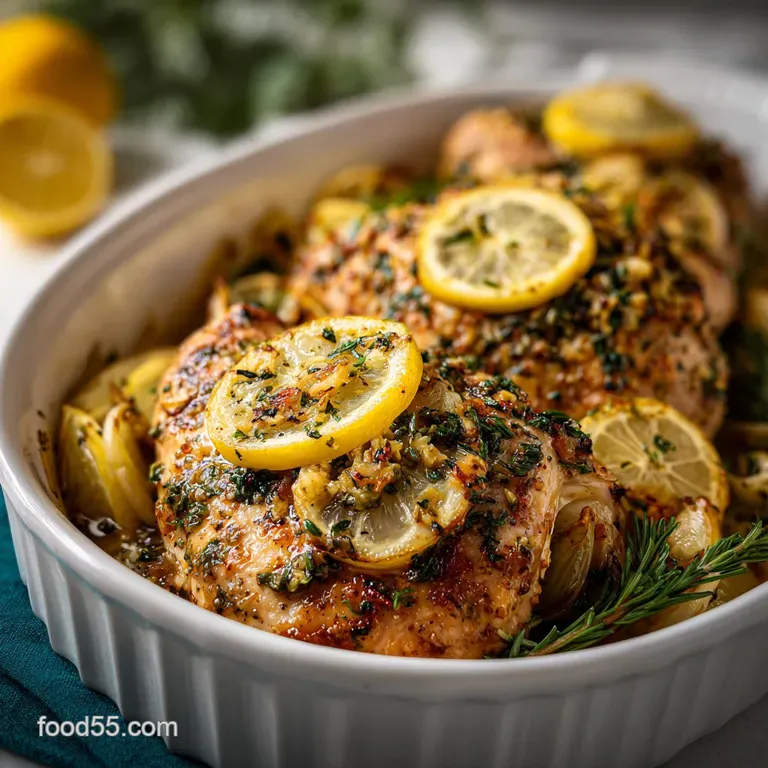
Infusing the Aromatics
- Prep the chicken. Pat the 4 chicken breasts dry with paper towels. Note: Dry meat sears; wet meat steams.
- Create the rub. In a small bowl, whisk 2 tbsp of olive oil, the lemon zest, onion powder, oregano, and black pepper.
- Coat the meat. Rub the mixture thoroughly over all sides of the chicken. Let it sit for 10 minutes at room temperature.
- Prepare the pan. Heat the remaining 1 tbsp of olive oil in your skillet over medium high heat until the oil shimmers.
Achieving the Golden Sear
- Sear the protein. Place chicken in the skillet. Cook for 5-6 minutes per side until a deep golden crust forms.
- Add the garlic. Toss in the 6 minced garlic cloves during the last 2 minutes of searing. Note: Adding garlic too early makes it bitter and acrid.
- Deglaze the skillet. Pour in the 1/4 cup low sodium chicken broth and the 2 tbsp lemon juice. Use a wooden spoon to scrape up the browned bits.
Finalizing the Roast
- Lemon infusion. Layer the lemon rounds over and around the chicken.
- Simmer and finish. Reduce heat to low, cover, and cook for 3-5 minutes until the internal temperature hits 165°F.
- Rest and garnish. Move the chicken to a plate. Pour the pan juices over the top, sprinkle with 2 tbsp fresh parsley, and rest for 5 minutes.
| Method | Time | Texture | Best For |
|---|---|---|---|
| Skillet Only | 15 mins | Extra crispy crust | Quick meals |
| Skillet to Oven | 20 mins | Most even doneness | Thicker breasts |
| Air Fryer | 12 mins | Very dry exterior | Maximum crunch |
Fixing Common Cooking Errors
Preventing Acrid Garlic Bitterness
One of the biggest mistakes is adding the garlic at the start with the chicken. Because garlic has a high sugar content and very little water, it burns quickly. By the time the chicken is cooked, the garlic will be black and bitter. Always wait until the chicken is nearly done before letting the garlic hit the hot oil.
Managing a Soggy Exterior
If your chicken looks grey instead of golden, your pan wasn't hot enough or you overcrowded it. If the meat is too close together, the moisture escaping creates steam. Work in batches if your skillet isn't large enough to keep an inch of space between each breast.
| Problem | Root Cause | Solution |
|---|---|---|
| Chicken is tough | Overcooked past 165°F | Use a thermometer and pull at 160°F; carryover heat does the rest. |
| Sauce is too thin | Not enough reduction | Remove chicken and simmer the sauce on high for 2 minutes before serving. |
| Flavor is flat | Lemon juice was old | Always use fresh squeezed juice; bottled versions lack the necessary brightness. |
Common Mistakes Checklist
- ✓ Skipping the "dry rub" phase - the oil and spices need time to adhere.
- ✓ Using a non stick pan at high heat - you won't get the same golden sear.
- ✓ Forgetting to zest before juicing - it's nearly impossible to zest a squeezed lemon.
- ✓ Cutting the chicken immediately - the juices will vanish, leaving it stringy.
- ✓ Not scraping the pan - the "fond" (brown bits) is where the salt free flavor lives.
Mix Up the Flavors
Making it Vegetarian
You can easily swap the chicken for thick slabs of cauliflower or extra firm tofu. If using tofu, press it for at least 30 minutes first to ensure it can absorb the lemon garlic infusion. The cooking time will be shorter, roughly 4 minutes per side.
The Mediterranean Twist
Add a handful of salt free sundried tomatoes and a sprinkle of toasted pine nuts at the end. The tomatoes provide a natural glutamic acid (umami) that mimics the savory quality of salt, while the nuts add a buttery shatter to every bite.
- If you want more heat, add a pinch of red pepper flakes to the oil.
- If you want it creamier, whisk in 1 tbsp of unsalted tahini into the pan sauce at the very end.
- If you want it earthier, swap the oregano for fresh rosemary sprigs while searing.
Storage and Reheating Guide
This dish keeps beautifully in the fridge for up to 4 days. Store it in an airtight glass container to prevent the lemon acid from reacting with plastic. When you're ready to eat, don't just zap it in the microwave on high power; that's the fastest way to turn chicken into leather.
Instead, reheat it in a covered skillet over low heat with a splash of water or extra broth to create steam.
For freezing, the chicken will stay fresh for up to 3 months. I recommend freezing the chicken and the sauce together in a freezer bag with all the air squeezed out. To use scraps, don't throw away those lemon rinds or the ends of the garlic!
Toss them into a pot of water with some peppercorns to make a quick, aromatic steam for fish or vegetables later in the week.
Perfect Complements and Sides
Grain Pairings
Since this dish has a beautiful, light pan sauce, you want something that can soak it up. A bed of quinoa or farro works perfectly. If you want something more traditional, a simple brown rice pilaf with toasted almonds adds a necessary crunch that contrasts with the velvety sauce.
Green Power
I love serving this alongside roasted asparagus or sautéed kale. The bitterness of the greens balances the sharp acidity of the lemon. If you're looking for a starchier side, a baked sweet potato with a dollop of Greek yogurt (check for low sodium brands!) provides a creamy, sweet counterpoint to the garlic punch.
- 15 minutes: The time it takes for the garlic flavors to fully mellow in the pan sauce.
- 165°F: The absolute target for juicy, safe chicken.
- 5 minutes: The rest time required to keep the interior succulent.
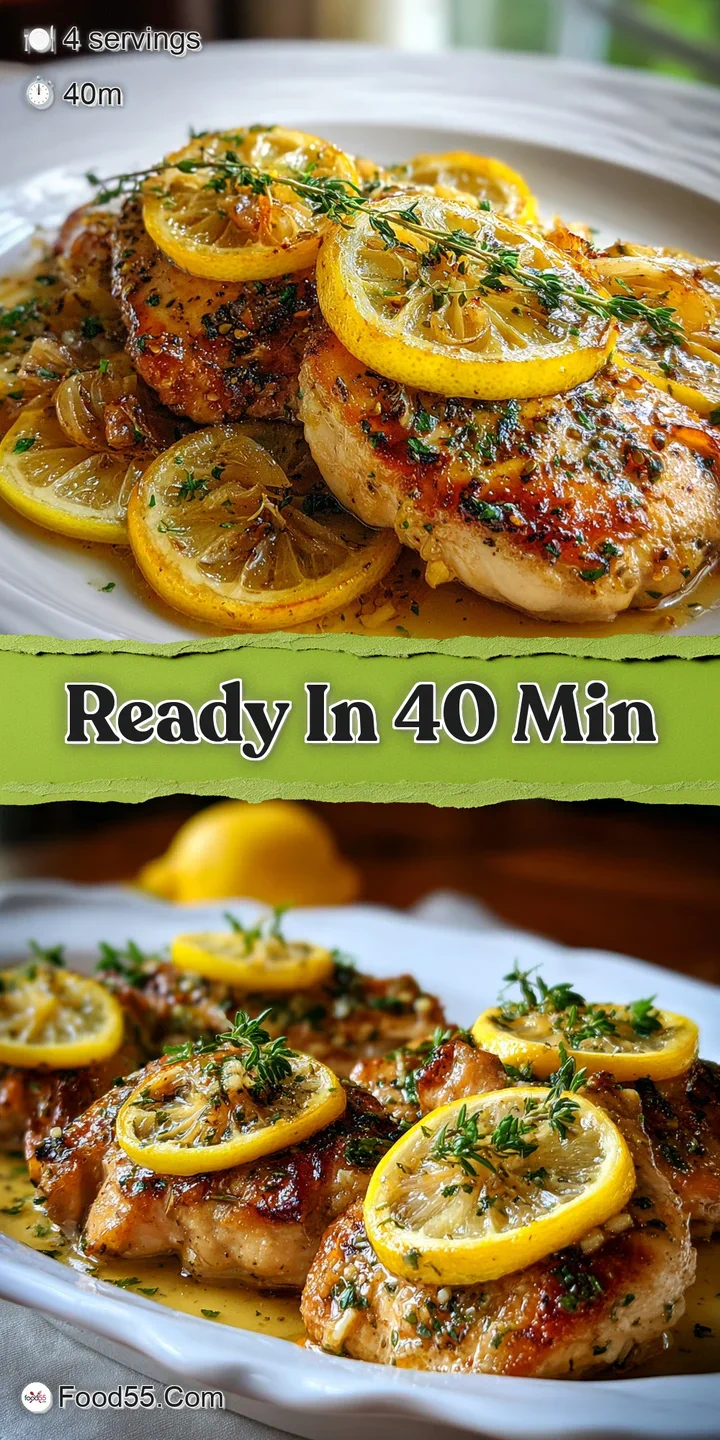
Don't be afraid to get messy with the lemon slices! They become slightly caramelized in the pan and are actually quite delicious to eat alongside the chicken. It's all about finding joy in the fresh ingredients and building connections through a shared, healthy meal that doesn't feel like a sacrifice.
Myths About Sodium Cooking
One common misconception is that food without salt is naturally bland. This is only true if you don't replace the salt with other flavor enhancing molecules like acids, aromatics, and heat. Another myth is that "low sodium" broth is the same as "no salt added" broth.
Always check the label, as "low sodium" can still contain a significant amount of salt compared to the "no salt" versions. Finally,, many people think you can't get a good sear without salt. While salt helps draw out moisture, a hot pan and dry meat will produce a beautiful Maillard reaction every single time.
Recipe FAQs
What does drinking lemon and garlic do?
It can support digestion and circulation. While not a miracle cure, consuming lemon and garlic may help stimulate digestive enzymes and provide antioxidant benefits to the body.
What are some good low sodium dinners?
Focus on fresh aromatics and acid for flavor replacement. Dishes heavy on herbs, lemon, black pepper, and fresh garlic, like this chicken recipe, are excellent foundations for a low sodium diet.
How do you clean your arteries with lemon and garlic?
No, home remedies cannot physically "clean" hardened arteries. This is a common misconception, but incorporating fresh, heart healthy ingredients like lemon and garlic into a balanced diet supports overall cardiovascular wellness.
What is the appropriate menu for patients on a low sodium diet?
The menu should emphasize fresh ingredients seasoned heavily with non-sodium flavor boosters. Focus on lean proteins, fresh vegetables, whole grains, and utilize techniques like searing and acid balancing, similar to how we built flavor in our Cajun Steak Tips recipe.
How do I get a good sear on the chicken without relying on salt?
Heat your skillet until the oil shimmers before adding the meat. Salt helps draw moisture out, so you must ensure your meat is completely dry and your pan is screaming hot to achieve the Maillard reaction without it.
Can I substitute bottled lemon juice for fresh in this recipe?
No, stick to fresh squeezed juice for the best outcome. Bottled juice lacks the volatile oils and sharp brightness needed to mimic the flavor impact salt usually provides in savory dishes.
How do I build deep flavor in a low sodium sauce?
Deglaze the pan aggressively using broth or wine to lift the fond. The browned bits left after searing are pure, concentrated flavor, and scraping them up forms the base of your sauce if you master this technique here, you'll nail the flavor base for any pan sauce, like in the Chicken Francese Lightened recipe.
Low Sodium Lemon Garlic Recipe
Ingredients:
Instructions:
Nutrition Facts:
| Calories | 304 kcal |
|---|---|
| Protein | 39.2 g |
| Fat | 14.5 g |
| Carbs | 3.2 g |
| Fiber | 0.8 g |
| Sugar | 0.6 g |
| Sodium | 88 mg |
