Makeahead Thanksgiving Dressing: the Ultimate Stress-Free Sage and Thyme Recipe
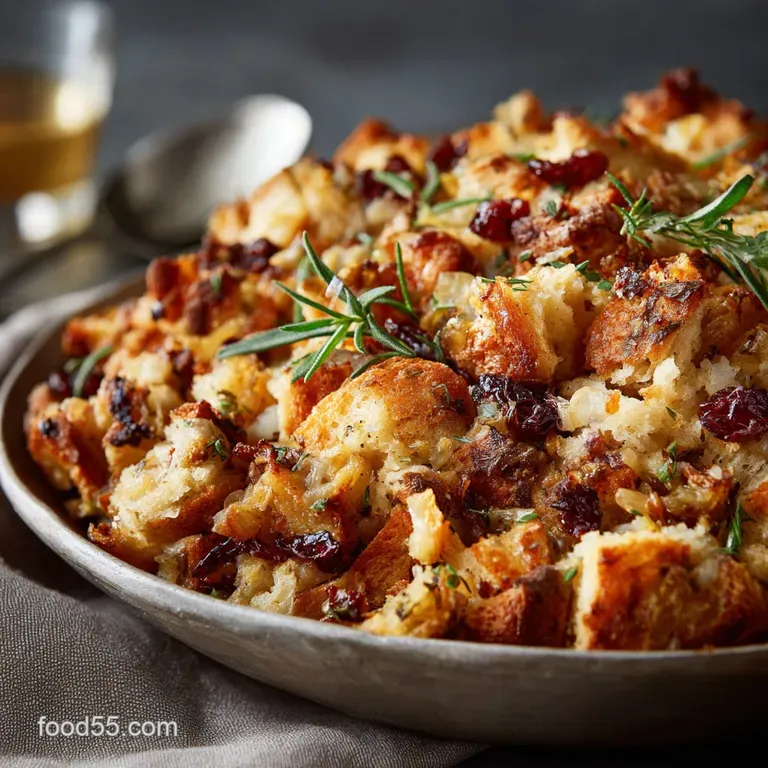
- The Ultimate Stress-Free MakeAhead Thanksgiving Dressing
- Artisan Components: Ingredients for the Perfect Sage Dressing
- Mastering Texture and Infusion: The Science of Make-Ahead Success
- Preparing the MakeAhead Thanksgiving Dressing: A 3 Stage Method
- Expert Advice: Troubleshooting Common Dressing Disasters
- Maximizing Shelf Life: Storage and Reheating Protocols
- The Final Plating: Serving Suggestions for Your Holiday Feast
- Recipe FAQs
- 📝 Recipe Card
The Ultimate Stress Free MakeAhead Thanksgiving Dressing
That smell. You know the one. It’s the deep, earthy comfort of toasted bread, sizzling butter, and enough sage to signal the start of the holiday season. We are talking about the MakeAhead Thanksgiving Dressing , the dish everyone secretly piles highest on their plate.
Thanksgiving is chaos, frankly, and the oven space is always a battlefield. This recipe is the ultimate strategic weapon against holiday stress; you assemble the entire thing up to 48 hours early, stash it in the fridge, and then just bake it on the day.
It’s simple, cheap, and ensures you aren't wrestling with stock and stale bread while guests are arriving.
Forget fiddly stovetop steps or last minute panic. I’m sharing the definitive method for a deeply savory dressing that locks in moisture while guaranteeing those glorious crispy edges. Let’s make the best homemade dressing recipes Thanksgiving has ever seen.
Reclaiming Your Holiday: The Convenience Factor
Seriously, I once tried to do everything fresh on Thanksgiving morning and ended up crying over a pan of burnt gravy. Never again. The biggest advantage of MakeAhead Thanksgiving Dressing is purely logistical.
By mixing the wet ingredients with the dried bread and letting it sit overnight, you give the flavors time to deeply marry and meld. This process actually develops a richer, more complex taste than if you baked it immediately.
Plus, it frees up valuable time for things that actually need last minute attention, like whipping the potatoes or remembering where you stored the gravy boat.
Defining Dressing: Why We Keep It Outside the Bird
We call it dressing because we are baking it outside the turkey cavity, which is the safest and, frankly, the tastiest way to prepare it. Stuffing the bird requires careful temperature monitoring, usually leading to either dry breast meat or dangerously undercooked stuffing a high stakes game I refuse to play.
make-ahead Turkey Dressing guarantees a moist interior and a perfect crispy crust, which you simply cannot achieve when it’s stuffed inside the bird. If you want the authentic taste of the turkey, use some of the drippings in your stock mixture; that’s the professional trick.
The Star Flavor Profile: Sage, Thyme, and Sweet Butternut
The classic flavor base here is the triumvirate of Thanksgiving herbs: sage, thyme, and celery. We are using fresh herbs because they release their oils beautifully when sautéed in butter, creating an intensely fragrant base.
I love adding a little cubed, roasted butternut squash (or sweet potato) if I have time, as it adds a subtle sweetness and textural contrast against the hearty bread. This old fashioned stuffing recipe profile hits all the right comfort notes while still tasting elevated.
Artisan Components: Ingredients for the Perfect Sage Dressing
You don’t need fancy ingredients for excellent dressing, but you need the right kind of ingredients. Stale bread is absolutely mandatory.
| Ingredient | Role | Viable Substitute |
|---|---|---|
| Sourdough/Baguette | The structure, the sponge | gluten-free sandwich bread, good quality brioche (reduce butter slightly). |
| Unsalted Butter | Fat, flavor, crispness | high-quality olive oil or vegan butter for a dairy-free version. |
| Aromatics (Onion/Celery) | Depth, savoury base | Leeks or fennel bulbs for a slight twist in flavor profile. |
| Fresh Sage & Thyme | Essential flavor base | 1 tsp dried rubbed sage + ½ tsp dried thyme (use less, they are potent!). |
| Low-Sodium Stock | Moisture, flavor infusion | Water mixed with 1 tsp Better Than Bouillon base. |
| Eggs | The binder, structural integrity | Omit for a vegan dish; results will be slightly more crumbly. |
Mastering Texture and Infusion: The Science of make-ahead Success
Choosing Your Foundation: Bread Varieties Ranked
Listen, the bread selection is everything. It needs to be sturdy, porous, and flavor neutral enough to soak up all that sage butter goodness.
- Sourdough or Rustic Loaf (Best): Fantastic texture, excellent crust, holds its shape perfectly.
- French or Italian Baguette: Reliable, dries out quickly, but the crust can be very tough if you don't remove it.
- Basic Sandwich Bread (Acceptable but be careful): Can become dense and mushy easily. You MUST dry it thoroughly.
Elevating Flavor with Fresh vs. Dried Herbs
This is not the time to be shy with herbs. Using fresh sage, thyme, and parsley is what separates good dressing from great. Dried herbs are fine in a pinch, but they lack that vibrant, almost piney aroma that fresh herbs release when they hit melted butter.
I chop my herbs coarsely so they stand out in the final texture; no one wants pulverized, muddy looking dressing.
Seamless Swaps: Butternut and Stock Substitutions
While my recipe outline focused on the basics, I often sneak in some roasted butternut squash cubes for sweetness. If you want a more complex savory profile for your Homemade Dressing Recipes Thanksgiving, ditch the chicken stock entirely and opt for a high-quality vegetable stock.
If you're feeling ambitious, make a small batch of concentrated turkey or duck stock a week ahead of time and freeze it; that richness is truly unmatched.
Why Pre-Drying the Bread is Non-Negotiable
This is the key to perfectly textured dressing. Fresh bread, no matter how good, turns into sad, gummy mush when drenched in hot stock. You must dry the bread completely. This process creates a structural sponge that can absorb the liquid without collapsing.
I usually cut the cubes the day before, spread them on a sheet, and let them air dry overnight on the counter. If time is short, a low, slow bake (as described in the recipe card) gets the job done quickly.
Preparing the MakeAhead Thanksgiving Dressing: A 3 Stage Method

This is how we break the process down over two days, minimizing day-of effort.
Stage One: Toasting the Bread and Roasting the Butternut
Cut your chosen bread into generous 1 inch cubes. Toss them lightly with oil or melted butter this helps them toast beautifully and creates better pockets for absorption. Baking them for about 15 minutes at 300°F (150°C) until they feel dry and slightly brittle is essential.
While the bread cools, you can roast any optional additions like butternut squash cubes, which need about 20 minutes at a higher temperature.
Stage Two: Building the Aromatics and Liquid Base
Melt an entire stick of butter (yes, the full stick) in your largest skillet. Gently sauté the diced celery and onion until they are completely translucent this takes patience, usually 8 to 10 minutes.
When they are soft, stir in your garlic, fresh sage, and thyme until the mixture smells intensely fragrant and nutty. This is where your Dressing Stuffing Recipes base gets all its depth.
Chef’s Note: Do not rush the sautéing stage. If the onions are still crunchy, they won't fully meld into the dressing. Soft, buttery vegetables are key to a moist, unified texture.
Stage Three: Combining, Assembling, and Holding (The Chill Point)
Pour the buttery aromatic mix over your cooled, dried bread cubes. Toss gently so every piece gets kissed by the melted butter. Next, mix your warm stock and beaten eggs, adding salt and pepper to taste. Start by pouring in three quarters of the liquid, tossing slowly, and then letting it rest for two minutes.
This waiting period is crucial for the bread to hydrate. Add the remaining stock only if the mixture still looks dusty or crumbles when squeezed. The resulting mix should be uniformly moist, heavy, but not sitting in a puddle of liquid. Transfer the whole thing to your greased casserole dish, cover tightly, and chill.
This is your MakeAhead Thanksgiving Dressing, ready for its big day!
Expert Advice: Troubleshooting Common Dressing Disasters
We've all been there. That dry dressing that tastes like sadness, or the soggy mess that needs a spoon.
Avoiding the Cardinal Sin: The Soggy Center
This is the number one failure point, usually caused by either using fresh bread or adding too much liquid initially. The fix: If your assembled dressing looks too wet before chilling, you can attempt to rescue it by mixing in a handful of plain, extra dried bread cubes right before you cover it.
They will absorb excess moisture overnight. If it’s soggy after baking, you didn't cook it long enough uncovered.
Achieving Maximum Crispy Edges
The secret to a dark, crispy top is fat and heat. Right before you place the dish in the oven for the uncovered baking time, melt a tablespoon of butter and gently brush the exposed surface. The added fat will fry the top layer of bread cubes, giving you that irresistible crunch.
Also, make sure the surface of your make-ahead Turkey Dressing is relatively flat, maximizing surface area.
Maximizing Shelf Life: Storage and Reheating Protocols
The 48 Hour Chill: Safely Storing the Unbaked Dish
This dressing can be assembled entirely and safely held in the refrigerator for up to 48 hours before baking. Make sure it is completely sealed with heavy duty foil to prevent it from drying out or picking up rogue fridge odors (like those Thanksgiving Appetizer Deviled Eggs: Autumn Harvest Recipe you might have chilling nearby). Do not assemble more than two days in advance.
Day-Of Baking: Adjusting Time for a Cold Dish
Because you are baking this dressing cold straight from the fridge, you must add extra baking time. The 30 minutes covered bake is absolutely necessary to bring the internal temperature up safely and evenly before you remove the foil for crisping.
Always check the center; it should register 165°F (74°C).
Repurposing Leftovers: Dressing Waffles and Casseroles
Leftover dressing is a gift! My favorite trick is turning it into "dressing waffles." Just spray your waffle iron, press the cold dressing into the mold, and cook until deeply golden and crispy. These are incredible topped with leftover gravy and a fried egg the next morning.
You can also turn any untouched portions of your homemade dressing recipes Thanksgiving into a simple layered casserole with shredded turkey and gravy.
The Final Plating: Serving Suggestions for Your Holiday Feast
Must Have Accompaniments: Gravy and Cranberry Pairings
Dressing loves moisture. Serve plenty of pan gravy on the side, rather than drowning the entire pan before serving (which ruins the crisp crust we worked so hard for). The deep, earthy sage needs a punch of acid and sweetness, so a tart cranberry sauce is mandatory for balance.
I always pair this savory dish with something bright and green, like my recipe for Thanksgiving Side Dishes: Crispy Maple Glazed Sprouts with Pancetta . For a richer pairing, try a spoonful alongside a big scoop of my velvety Thanksgiving Side Dishes: Ultimate Creamy Potato Gratin with Gruyère . It’s pure comfort food synergy!

Recipe FAQs
How far in advance can I assemble this make-ahead dressing?
You can assemble the entire dressing, placing it in the casserole dish, up to 48 hours before baking. Ensure it is tightly covered with plastic wrap or foil and refrigerated immediately after mixing. Allow the dish to sit at room temperature for about 30 minutes before baking to ensure even cooking.
My dressing always comes out dry. How do I guarantee a moist interior?
The key to moisture is making sure the bread cubes are fully saturated with the stock mixture before they go into the oven. Additionally, always bake the dressing covered with foil for the first two-thirds of the cooking time; this traps steam and allows the bread to hydrate without drying out the edges.
Only uncover it for the last 15-20 minutes to achieve a golden, crispy topping.
Can I freeze this dressing, and should I do it before or after baking?
Freezing the completely cooled and baked dressing is generally preferred for the best texture upon reheating. Wrap the pan tightly with multiple layers of plastic wrap and foil, and it will keep well for up to three months. To serve, thaw overnight and bake covered at 350°F (175°C) until hot throughout.
I dislike butternut squash. What is a good savory substitute?
You can easily substitute the butternut squash with finely diced sweet potato or parsnips for a similar earthy sweetness. Alternatively, you can omit the squash entirely and double the amount of sautéed mushrooms for an umami depth.
If skipping the squash, make sure you maintain the moisture level provided by the root vegetable.
What adjustments are needed to make this recipe completely vegan or dairy-free?
This recipe is easily adapted by substituting the standard butter with a high-quality plant based butter substitute or olive oil for sautéing. Ensure you use a robust vegetable broth instead of chicken broth, and verify that your artisan bread does not contain eggs or dairy.
These simple swaps will maintain the rich flavor profile.
What is the best way to reheat leftovers without drying them out?
Reheat individual servings in the microwave or place the leftover dressing in an oven safe dish, adding 1-2 tablespoons of extra chicken stock or melted butter over the top. Cover tightly with foil and heat in a 325°F (160°C) oven for about 20 minutes until piping hot.
The added liquid helps restore the moisture lost during initial cooling.
Can I use soft sandwich bread instead of dried artisan bread cubes?
While you can, soft sandwich bread is not recommended as it results in a mushy consistency due to its low density and high moisture content. Artisan bread (like sourdough or challah) that has been thoroughly dried out provides the necessary structure to absorb the liquid without collapsing.
If you must use sandwich bread, ensure it is extremely stale and reduce the amount of liquid slightly.
Makeahead Thanksgiving Dressing Recipe

Ingredients:
Instructions:
Nutrition Facts:
| Calories | 604 kcal |
|---|---|
| Protein | 16.9 g |
| Fat | 33.3 g |
| Carbs | 61.1 g |
