Melt-In-Your-Mouth Chicken Breast
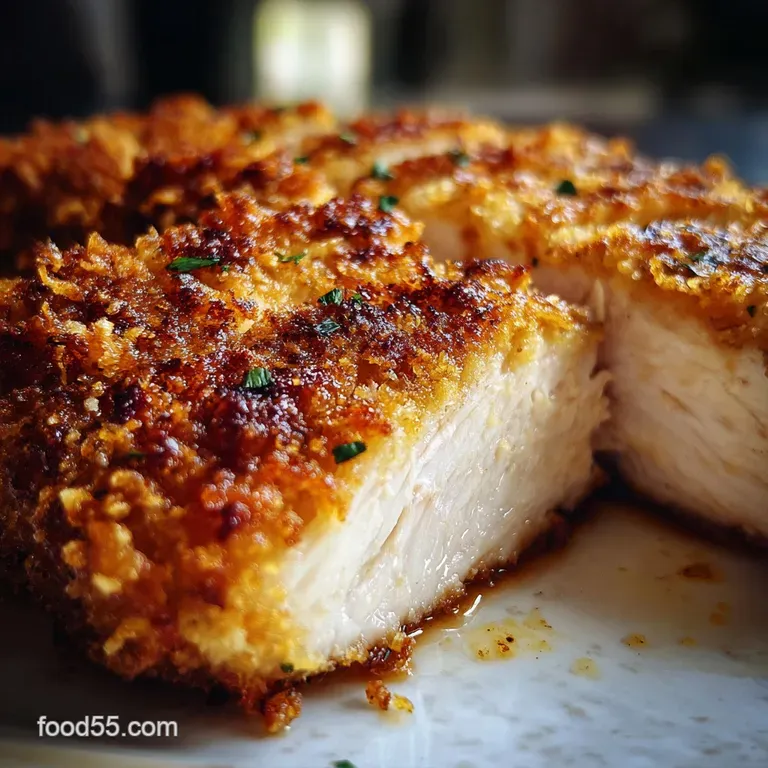
- Time: Active 10 minutes, Passive 25 minutes, Total 35 minutes
- Flavor/Texture Hook: Golden, velvety parmesan crust over succulent meat
- Perfect for: Busy weeknight dinners or simple family gatherings
- Mastering the Ultimate Melt In-Your Mouth Chicken Breast
- Science Behind This Velvety Texture
- Essential Elements for Juicy Chicken
- Selecting Ingredients and Smart Swaps
- Key Kitchen Tools for Success
- Guide for Succulent Baked Chicken
- Fixes for Common Cooking Errors
- Adjusting Portions for Every Gathering
- Debunking Misconceptions About Poultry Prep
- Storing Leftovers and Reducing Waste
- Professional Plating and Serving Ideas
- Recipe FAQs
- 📝 Recipe Card
Mastering the Ultimate Melt In-Your Mouth Chicken Breast
We've all been there staring at a plate of chicken that looks more like a desert landscape than a meal. I spent years overcooking poultry because I was terrified of it being underdone, but then I realized the secret isn't just about the timer.
It’s about creating an environment where the meat simply cannot dry out, no matter how much heat you throw at it.
This melt in-your mouth chicken breast recipe is guaranteed to become a new favorite. It uses a combination of sour cream and mayonnaise to create a protective seal, ensuring the meat stays moist while the outside develops a beautiful, savory crust.
It's the kind of dish that makes people ask for the recipe before they've even finished their first serving.
The beauty of this method lies in its simplicity. We aren't doing anything overly technical, just using basic pantry staples to achieve a result that feels high end. Trust me on this: once you see how the Parmesan melts into that creamy base, you'll never go back to plain seasoned breasts again.
Right then, let's get into the details so you can get dinner on the table.
Science Behind This Velvety Texture
The Science of Why it Works: The lactic acid in sour cream gently weakens protein fibers, while the high fat content of the mayonnaise acts as an insulator against dry oven air. This prevents moisture evaporation, keeping the internal structure hydrated and soft.
- Enzymatic Tenderization: Sour cream contains natural acids that slowly break down tough connective tissues in the meat.
- Lipid Insulation: The fats in the coating create a moisture proof barrier that stops steam from escaping.
- Maillard Enhancement: Parmesan cheese provides the necessary proteins and sugars to create a golden, savory crust even at lower temperatures.
- Carryover Heating: Resting the meat allows the internal temperature to stabilize, ensuring the juices stay within the muscle fibers rather than spilling out.
Much like the technique used in The Creamy Garlic recipe, this method relies on a stable emulsion to provide both flavor and protection. By coating the chicken in a thick, fat rich layer, we are essentially "braising" it inside its own topping. This prevents the edges from becoming stringy or tough.
Essential Elements for Juicy Chicken
Choosing the right components makes the difference between a good meal and one that people talk about for weeks. I always suggest using full fat versions of the dairy because the chemistry relies on those lipids to protect the protein.
| Ingredient | Science Role | Pro Secret |
|---|---|---|
| Sour Cream (0.5 cup) | Acidic tenderizer | Use full fat for a richer, more stable emulsion. |
| Parmesan (0.75 cup) | Crust formation | Grate it fresh for better melting and flavor. |
| Garlic Powder (1 tsp) | Flavor depth | Distributes more evenly than fresh garlic in coatings. |
This specific combination creates a flavor map that balances the tangy notes of the sour cream with the salty, nutty punch of the Parmesan. You get a tender, juicy interior contrasted with a golden, toasty crust that provides a satisfying bite without being overly crunchy.
Selecting Ingredients and Smart Swaps
For this Melt In-Your Mouth Chicken Breast, quality matters. I prefer using Kosher salt because the larger grains make it harder to over season. If you're looking for a Breast Recipe You'll Love, focus on getting chicken breasts that are uniform in size, roughly 7 oz each, so they cook at the same rate.
- 4 boneless, skinless chicken breasts Why this? Standard size ensures even cooking across the baking sheet.
- 0.5 tsp Kosher salt Why this? Flaky texture allows for better surface coverage.
- 0.5 tsp cracked black pepper Why this? Freshly cracked provides a more aromatic heat.
- 0.5 cup full fat sour cream Why this? Provides the acidity needed to soften the meat.
- 0.25 cup mayonnaise Why this? High fat content insulates the chicken from dry heat.
- 0.75 cup finely grated Parmesan cheese Why this? Creates the signature savory, golden crust.
- 1 tsp garlic powder Why this? Adds a concentrated savory punch without burning.
- 0.5 tsp onion powder Why this? Balances the garlic with a subtle sweetness.
- 1 tsp dried parsley Why this? Adds color and a light herbal finish.
| Original Ingredient | Substitute | Why It Works |
|---|---|---|
| Sour Cream | Greek Yogurt (Plain) | Similar acidity but slightly tangier and higher in protein. |
| Parmesan | Pecorino Romano | Hard sheep's milk cheese that adds a sharper, saltier kick. |
| Mayonnaise | Avocado Oil Mayo | Provides the same fat barrier with a more neutral flavor profile. |
If you find yourself missing an ingredient, don't panic. This Recipe You'll Love is very forgiving. The main goal is maintaining that fat to acid ratio to keep things moist. If you want a thicker crust, you can always increase the cheese by a few tablespoons.
Key Kitchen Tools for Success
You don't need a professional kitchen, but a few specific tools will make this much easier. A reliable meat thermometer is the most important item here. Pulling the chicken at exactly 165°F ensures it never hits that "dry" phase.
Chef's Tip: Freeze your Parmesan block for 10 minutes before grating. It makes the cheese much firmer and easier to grate into a micro fine snow that incorporates perfectly into the creamy base.
I also recommend using a shallow baking dish or a rimmed baking sheet lined with parchment paper. This prevents the chicken from sitting in a pool of liquid while still catching any delicious juices that escape.
A small whisk is helpful for getting the sour cream and mayo mixture completely smooth before you add the spices.
Guide for Succulent Baked Chicken
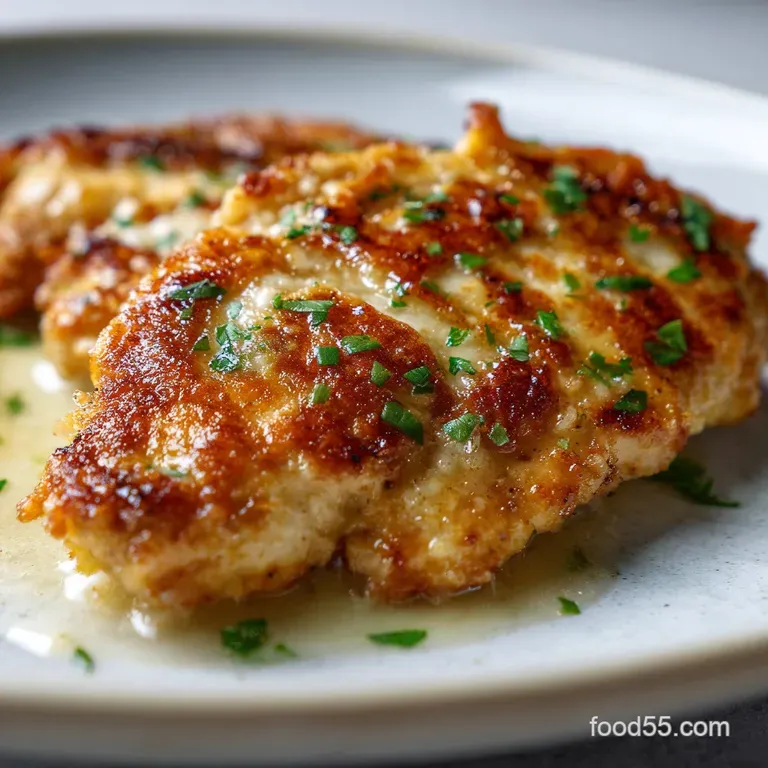
Now it's time to get cooking. This Chicken Breast Recipe You'll Love follows a very logical flow, but the small details matter like patting the meat dry before you start.
- Preheat your oven to 400°F (200°C). Note: A hot oven ensures the topping browns before the meat overcooks.
- Pat the 4 chicken breasts dry with paper towels. Note: Removing surface moisture helps the coating stick better.
- Season both sides of the meat with Kosher salt and cracked black pepper.
- Whisk together the sour cream, mayonnaise, garlic powder, and onion powder in a small bowl.
- Fold in 0.5 cup of the Parmesan cheese into the wet mixture.
- Arrange the chicken in a single layer on a parchment lined baking sheet.
- Spread the creamy mixture evenly over the top of each breast. until fully coated and thick.
- Sprinkle the remaining 0.25 cup of Parmesan and the dried parsley over the top.
- Bake for 25 minutes until the topping is golden and the center is 165°F.
- Rest the meat for 5 minutes until the juices redistribute throughout the breast.
Preparing the Chicken and Oven
Make sure your oven is fully preheated before the chicken goes in. If the oven is too cold, the topping will melt and run off the sides rather than setting into a beautiful crust. I usually give my oven an extra 10 minutes after it says it's ready just to be safe.
Applying the Moisture Barrier
When you apply the sour cream mixture, don't be shy. You want a thick layer on top that drapes slightly over the sides. This creates a dome of flavor that protects the thickest part of the meat. It’s this specific step that makes it a true Melt In-Your Mouth Chicken Breast.
The Importance of Resting
I know you're hungry, but please don't skip the rest. If you cut into the chicken immediately, all that trapped moisture will pour out onto the plate, leaving the meat dry. Five minutes is all it takes for the fibers to relax and hold onto that juice.
Fixes for Common Cooking Errors
Even the simplest Breast Recipe You'll Love can have its hiccups. Most issues come down to temperature or moisture control. Let's look at how to save a batch if things look a bit off.
Correcting a Watery Topping
If you notice liquid pooling around the chicken, it’s usually because the meat released too much moisture too quickly. This often happens with "plumped" chicken that has added salt water. Simply drain the excess liquid from the pan halfway through cooking to keep the bottom from getting soggy.
Handling Exceptionally Thick Breasts
Sometimes you get a monster chicken breast that’s twice as thick as the others. If that’s the case, use a meat mallet to gently pound it to a uniform thickness. This ensures the entire piece cooks at the same rate, preventing the thin tail from drying out while the center is still raw.
Frozen Chicken Performance Notes
You can use frozen chicken, but it must be completely thawed and dried. If there is ice inside the meat, it will steam from the inside out, which ruins the texture of the coating. Thaw it overnight in the fridge for the best results.
| Problem | Root Cause | Solution |
|---|---|---|
| Rubbery Texture | Overcooking | Pull the chicken at exactly 165°F internal temperature. |
| Topping Won't Brown | Oven too cool | Increase heat to 400°F or broil for the last 2 minutes. |
| Coating Slips Off | Meat was wet | Always pat the chicken bone dry before applying the cream. |
Adjusting Portions for Every Gathering
This Recipe You'll Love is easy to scale up for a dinner party or down for a solo meal. If you're doubling the recipe for eight people, use two separate baking sheets rather than crowding one. Crowding leads to steaming, which means you won't get that beautiful golden color.
- Down (½ portion): Use 2 breasts. Reduce the topping ingredients by half but keep the baking time the same.
- Up (2x portion): Use 8 breasts. Use 1.5x the salt and spices to avoid over seasoning.
- Batch Cooking: If making a large amount, bake in batches to maintain oven temperature stability.
For larger gatherings, this pairs beautifully with a Juicy roasted turkey recipe if you're serving a mix of poultry styles. When scaling up, always check the internal temperature of the thickest piece of meat to ensure safety.
Debunking Misconceptions About Poultry Prep
Many people believe that "searing meat seals in the juices," but that’s a complete myth. Moisture loss happens regardless of searing; the real benefit of searing is the flavor from the Maillard reaction. In this recipe, the creamy coating does the job of protecting the moisture far better than a sear ever could.
Another common mistake is washing the chicken. Modern food safety experts agree that washing poultry just spreads bacteria around your sink and counters. A paper towel is all you need to prep the surface. Finally, don't think that "low-fat" substitutions will give you the same result.
You need the fat in the mayo and sour cream to create that velvety finish.
Storing Leftovers and Reducing Waste
If you have leftovers from this Melt In-Your Mouth Chicken Breast, they are actually quite versatile. Store them in an airtight container in the fridge for up to 3 days. To reheat, I suggest using an air fryer or a toaster oven to help the topping regain some of its texture.
- Fridge: 3 days in a sealed container.
- Freezer: 2 months. Note: The creamy topping may change texture slightly upon thawing.
- Zero Waste Tip: If you have leftover topping, it makes a fantastic spread for a turkey sandwich or a dip for roasted potatoes. Don't throw away the juices on the pan drizzle them over some steamed rice for a massive flavor boost.
Professional Plating and Serving Ideas
To make this look like it came from a bistro, don't just plop it on the plate. Slice the breast on a bias (at an angle) to show off the juicy interior. Fan the slices out and top with a fresh sprinkle of parsley or some finely grated lemon zest to brighten the flavors.
| Fast Method | Classic Method | Outcome |
|---|---|---|
| 400°F Bake (25 mins) | 350°F Roast (45 mins) | Hotter bake yields a better crust/juicier center. |
| Creamy Barrier | Plain Seasoning | The barrier prevents the "stringy" chicken texture. |
Decision Shortcut: - If you want extra crunch, add 0.25 cup of Panko breadcrumbs to the topping. - If you want a Mediterranean vibe, add dried oregano and feta to the mix. - If you want it spicy, whisk in a teaspoon of sriracha or red pepper flakes.
This dish is all about connection bringing people together over a meal that feels special but didn't take all day to prepare. Whether it's a quiet Tuesday or a Sunday lunch, these flavors are designed to foster genuine moments at the table. Enjoy every velvety, savory bite!

Recipe FAQs
Can I use chicken thighs instead of breasts?
Yes, but adjust cooking time. Chicken thighs have more fat and can withstand longer cooking, making them inherently more forgiving. For a similar tender result, consider our Slow Cooker Chicken Thighs with Lemon.
What is the secret to the "melt-in-your mouth" texture?
It's the high fat coating. The combination of sour cream and mayonnaise acts as a moisture barrier, insulating the chicken from dry heat and preventing it from drying out. This technique is similar to how a stable emulsion protects ingredients in sauces, as seen in The Creamy Garlic recipe.
How do I prevent the topping from becoming soggy?
Pat the chicken dry and use a hot oven. Removing surface moisture from the chicken ensures the coating adheres well. A preheated oven at 400°F caramelizes the Parmesan quickly, forming a protective crust before the chicken releases too much liquid.
Can I use Greek yogurt instead of sour cream?
Yes, plain full fat Greek yogurt is a good substitute. It offers similar acidity for tenderizing the meat, though it might be slightly tangier. For a different flavorful poultry preparation, explore our Classic Chicken Adobo My Familys Pinoy Cuisine Recipe.
Why is resting the chicken important?
Resting allows juices to redistribute. Cutting into the chicken immediately after baking causes the trapped moisture to spill out. A short 5-minute rest lets the muscle fibers relax, holding onto those precious juices for a more succulent bite.
Can I make this recipe ahead of time?
Yes, the topping can be made 24 hours in advance. Store it in an airtight container in the refrigerator. Apply it to the chicken just before baking to ensure the best texture and browning.
Is it true that searing meat seals in juices?
No, this is a common misconception. Searing primarily enhances flavor through the Maillard reaction. The "sealing" effect is minimal; a high fat coating, like the one used here, is far more effective at retaining moisture.
Melt In Your Mouth Chicken Breast
Ingredients:
Instructions:
Nutrition Facts:
| Calories | 468 kcal |
|---|---|
| Protein | 52.4 g |
| Fat | 26.8 g |
| Carbs | 3.2 g |
| Fiber | 0.2 g |
| Sugar | 1.1 g |
| Sodium | 785 mg |
