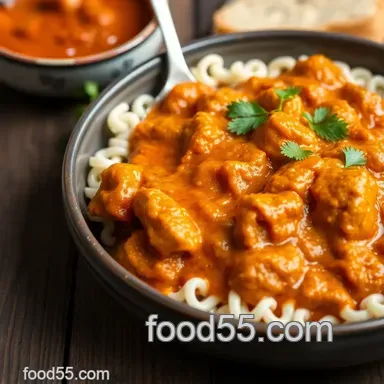
No Cook Tikka Masala Paste in 10 Minutes
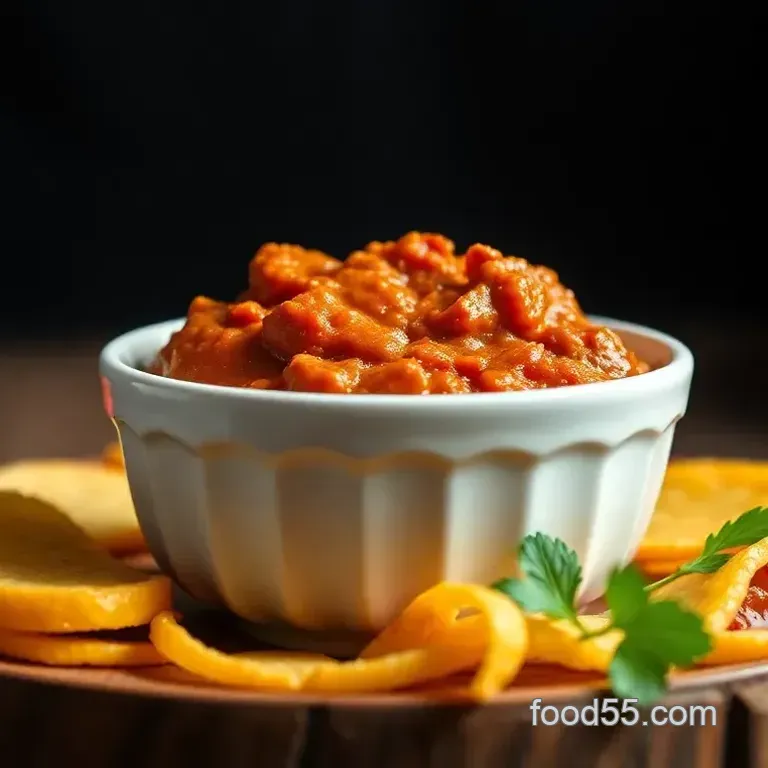
- Time: 10 min active
- Flavor/Texture Hook: Mahogany colored, thick, and zesty
- Perfect for: Fast meal prep or busy weeknights
The scent of toasted cumin and pungent garlic always reminds me of those bustling street markets where the air feels heavy with spice. Tikka Masala is a fascinating bit of history, born from a fusion of Indian tradition and British preferences, evolving from dry tandoori chicken into the creamy, saucy comfort we love today.
It represents a bridge between cultures, blending the heat of the East with a richness that appeals to everyone.
Discover how to make this Quick and Flavorful No Cook Tikka Masala Paste for an effortless meal. Instead of spending an hour browning onions, we're blending everything raw to keep the flavors sharp and vibrant.
You can expect a thick, spreadable concentrate that works as a marinade or a sauce base. It's all about intensity here, so a little goes a long way in your pan.
Quick and Flavorful No Cook Tikka Masala Paste
Raw Aromatics: Blending ginger and garlic raw preserves the volatile oils that usually evaporate during frying. This keeps the taste punchy.
Acid Balance: The lemon juice and tomato paste cut through the heavy spices, brightening the overall profile.
Oil Integration: Including neutral oil directly in the blender helps the spices disperse evenly. If you want a thinner sauce later, adding a splash of Chicken Stock recipe creates a rich, pourable consistency.
| Method | Prep Time | Texture | Best For |
|---|---|---|---|
| Fast (No Cook) | 10 mins | Smooth Paste | Weeknights |
| Classic | 60 mins | Layered Gravy | Sunday Dinner |
Ingredient Deep Dive
I like to think of this paste as a color palette. The deep mahogany of the tomato and spices provides the foundation, which we'll later contrast with a white cream swirl and bright green cilantro.
| Component | Purpose | Substitute Notes |
|---|---|---|
| Onion | Bulk and sweetness | Shallots: More refined, slightly sweeter |
| Ginger/Garlic | Sharp, pungent heat | Garlic powder: Lacks the fresh zest |
| Tomato Paste | Umami and color | Pureed tomatoes: Thinner, requires more reduction |
| Garam Masala | Warm, complex spice | Cumin + Cinnamon mix: Lacks depth |
Recipe Specs
Here are the details. This creates about 1.5 cups of concentrate not a finished sauce, but the base for one.
- Prep time: 10 minutes
- Cook time: 0 minutes
- Total time: 10 minutes
- Yield: 1.5 cups
Gear You Will Need
A basic setup works fine, though a quality processor is essential.
- Food Processor or High Power Blender: To achieve a silky, consistent texture.
- Measuring Spoons/Cups: To ensure the spices are accurate.
- Glass Jar: For keeping the final paste.
- Rubber Spatula: To clear the sides of the blender.
Making the Paste
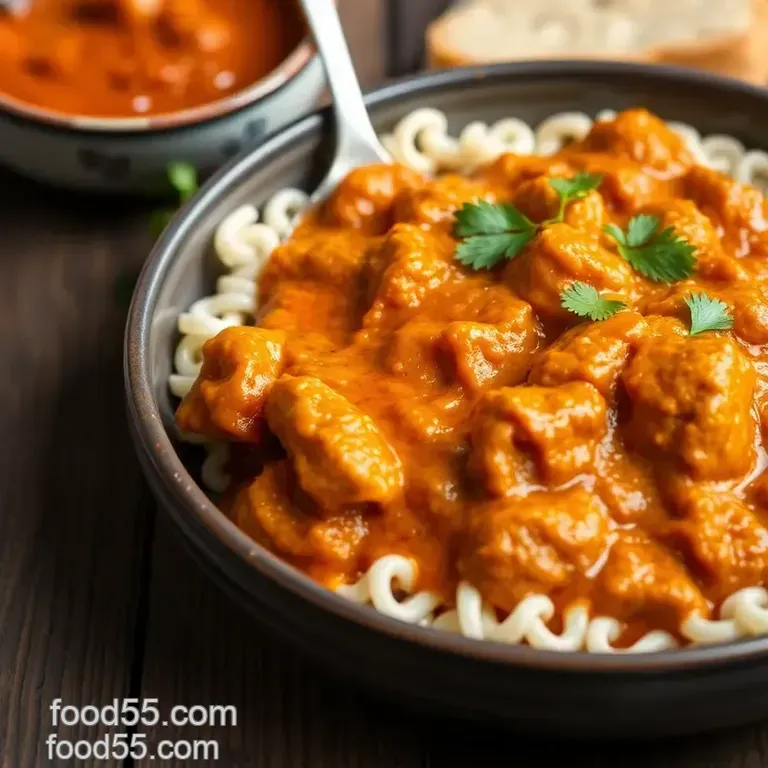
Time to start putting everything together. You are aiming for a thick, spreadable texture that doesn't splash around in the blender.
- Coarsely chop the onion. Note: Using small pieces prevents the blades from jamming.
- Finely mince the garlic and ginger.
- Place the onions, ginger, and garlic in the food processor.
- Add the sugar and tomato paste.
- Stir in the garam masala, turmeric, cumin, coriander, and Kashmiri red chili powder.
- Pour in the neutral oil and lemon juice.
- Pulse on high for 60-90 seconds until the mixture is a smooth, mahogany colored paste.
- Sample the raw mixture. Note: It will taste sharp and acidic at this stage.
- If it is too stiff to blend, add water one teaspoon at a time until it reaches a thick, spreadable consistency.
Fixing Common Issues
Even with a simple blend, things can occasionally go wrong. I've certainly had my fair share of kitchen mishaps.
Preventing a Bitter Taste
Freshness is essential. Old turmeric can end up tasting like dusty cardboard. To remedy this, stir in a tiny pinch more sugar or a drop of maple syrup; sweetness helps neutralize that alkaline bitterness.
Fixing Separation
If you notice oil pooling on top, don't worry. This often occurs when the oil fails to fully emulsify during the pulsing process. Simply blend on high speed for another 10 seconds or stir it vigorously by hand before using.
Managing Heat Levels
Kashmiri chili is prized for its color over its heat, but spice tolerance varies. If it tastes too hot, stir in a tablespoon of Greek yogurt or coconut cream when you cook the sauce.
Dealing with Chunks
Visible bits of onion mean the mixture hasn't blended long enough. Keep pulsing until the texture is uniform. If your blender is struggling, add a teaspoon of water to help the blades catch the solids.
Adjusting the Batch Size
Sometimes you just need a little, other times you're feeding a crowd.
Scaling Down (Half Batch) Use a smaller food processor if you have one. If using a full size blender, you might need to add an extra teaspoon of water since the blades have more room to spin and the ingredients won't clump as easily.
Scaling Up (Double or Triple) Don't just triple the salt and chili. Increase those to about 2x or 2.5x first, then taste. Spices can become overwhelming when scaled linearly. Work in batches to avoid overworking your motor.
Chef's Tip: For a deeper, smoky vibe, add half a teaspoon of smoked paprika or a drop of liquid smoke to the blender. It mimics the tandoor oven's char.
Keeping it Fresh
Because this is a no-cook paste, preservation depends on the salt and the acidity of the lemon.
Keep the mixture chilled in a glass jar for 7 days. Use a piece of parchment paper to press down the surface and block air contact, which helps the colors stay vibrant.
For extended storage, freeze the paste in ice cube trays. Once solid, move the cubes into a freezer bag for a 3-month shelf life. To start your meal, simply melt one cube in a skillet with a touch of oil.
To minimize waste, use the remaining onion skins and ginger peels to create a vegetable scrap broth for other soups.
What to Serve it With
This paste is a powerhouse. For a classic meal, sauté some chicken breast or thighs, stir in two tablespoons of the paste, and finish with a splash of heavy cream.
For a plant based option, this is fantastic with Cooked Chickpeas recipe. Just simmer the chickpeas in the paste and a bit of water for 10 minutes.
- - White
- A swirl of heavy cream or coconut milk added at the very end.
- - Green
- Freshly chopped cilantro leaves sprinkled on top.
- - Ruby
- A few pomegranate seeds or thin slivers of red onion for a pop of contrast.
Tasty New Twists
You can customize this base in several ways depending on your preference.
- For a creamier texture: Stir in 2 tablespoons of cashew butter while blending.
- For a zesty pop: Increase the lemon juice and add a pinch of citrus zest.
- For a mild profile: Skip the Kashmiri chili and use a pinch of paprika to maintain the color.
- For a smoky dimension: Mix in a teaspoon of oven-roasted tomato concentrate.
- - For a thicker marinade
- Use the paste exactly as is.
- - For a pourable sauce
- Whisk in 1/2 cup of stock or water.
- - For a richer flavor
- Stir in a knob of cold butter at the end of cooking.
This Quick and Flavorful No Cook Tikka Masala Paste is designed to make meal prep effortless. It's a modern take on a classic flavor profile, delivering that bold, restaurant quality taste without a three hour time commitment. Now you can enjoy these deep, aromatic Indian flavors on any random Tuesday night.
Recipe FAQs
How to make tikka masala more flavorful?
Increase the ratio of fresh ginger and garlic.
Tip: Use Kashmiri red chili powder for a deeper red color and mild heat.
Get that takeaway taste?
Blend the ingredients until the mixture reaches a smooth, uniform mahogany color.
Tip: Add a pinch more sugar to balance the acidity of the tomato paste.
What do I do with tikka masala paste?
Use it as a concentrated marinade for proteins or whisk it into cream for a fast sauce.
Tip: If you enjoyed the fast flavor profile here, see how the same efficiency works in ground beef and rice.
Is there a difference between tikka paste and tikka masala paste?
Tikka paste usually focuses on marination, while masala paste includes sauce base ingredients like tomato paste and sugar.
Tip: This recipe serves both purposes due to its highly concentrated nature.
Can I make this without a food processor?
Actually, no. A processor is required to emulsify the raw onion and garlic into a smooth concentrate.
Tip: Pulse on high for 60-90 seconds to ensure no large chunks remain.
Is it true that Indian pastes must be cooked?
That's a myth. Blending raw aromatics preserves volatile oils that usually evaporate during frying, resulting in a punchier taste.
Tip: Let the paste rest for a few minutes before using to allow the spices to bloom.
What if the mixture is too thick to blend?
Add water one teaspoon at a time while the processor is running.
Tip: Stop immediately once it is spreadable to keep the flavor intensity high.
No Cook Tikka Masala Paste Quick Flavorful