Caprese Chicken Skillet: the Tuscan Tango Pan-Sear with Balsamic Reduction
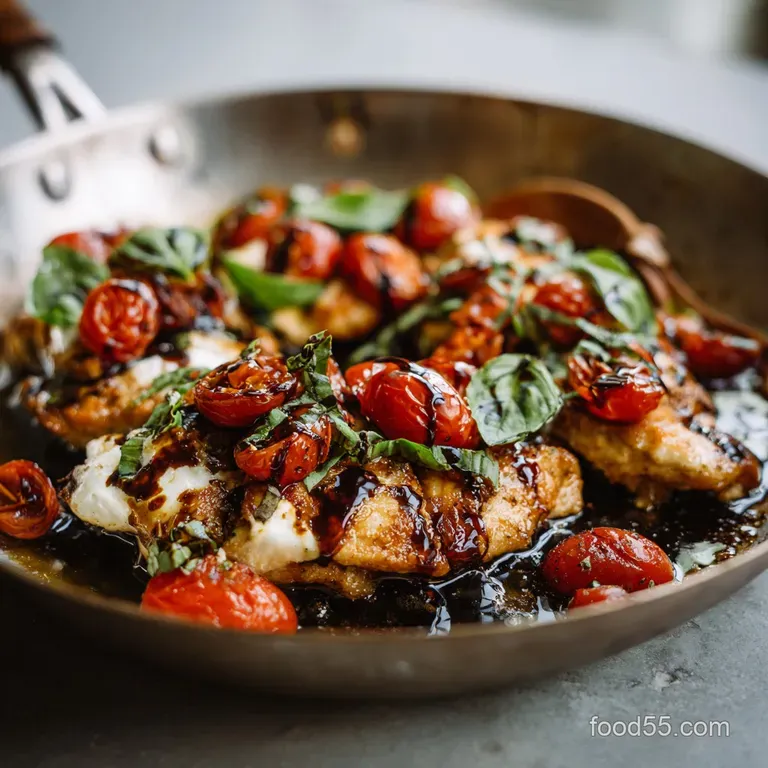
- Introducing Pan-Seared Caprese Chicken: The Tuscan Tango
- Flavor Dynamics: Why This Caprese Chicken Method Works
- high-quality Components: Ingredients and Smart Substitutions
- Pan-Seared Perfection: Step-by-Step Instructions
- Elevating Your Dish: Chef’s Tips and Troubleshooting Mistakes
- Practical Planning: Storage, Freezing, and Reheating Caprese Chicken
- Perfect Pairings: What to Serve Alongside Caprese Chicken
- Recipe FAQs
- 📝 Recipe Card
Introducing Pan-Seared Caprese Chicken: The Tuscan Tango
Okay, friend, listen up. The smell of this dish cooking is pure Italian summer vacation magic. That sharp, sweet scent of reducing balsamic vinegar mingling with hot basil and searing meat? It is absolutely intoxicating, a powerful sign that dinner is going to be spectacular.
We need weeknight wins that still feel impressive enough for company. This Caprese Chicken recipe is genuinely fast, clocking in under 40 minutes, and the flavor complexity absolutely fools everyone into thinking you spent hours slaving away. It uses the simplest, most vibrant ingredients.
We're skipping those dried out, purely baked versions you see plastered all over Pinterest and going for a high impact, pan-seared finish instead. Get your favorite oven safe skillet ready because the golden crust we’re about to create changes everything about this classic Italian combination.
Flavor Dynamics: Why This Caprese Chicken Method Works
The Role of Fresh, Seasonal Ingredients
This recipe shines because we let the ingredients do the heavy lifting. You can’t hide weak flavors when you only use four main components, so choosing ripe tomatoes and fresh basil is absolutely non-negotiable.
Quality over quantity is the mantra here, ensuring a vibrant, sun-drenched taste in every single bite.
Quick vs. Impressive: Versatility of This Dish
The secret to making this feel so refined is the use of two cooking methods searing and then baking. Pan-searing locks in moisture and builds incredible flavor on the outside quickly, while the brief oven time finishes the cooking and perfectly melts the mozzarella.
It’s a technique that provides restaurant level results without needing a fancy culinary degree.
Decoding the Balsamic Reduction
We aren't just splashing raw vinegar on the plate; we are reducing it. Simmering balsamic vinegar concentrates the sugars and creates a thick, syrupy glaze that balances the savory, fatty richness of the cheese and the sharp acidity of the tomatoes. This little bit of effort adds huge depth of flavor.
The Maillard Reaction for Maximum Flavor
Searing the chicken over high heat creates the Maillard reaction, which is a fancy term for browning and caramelizing the proteins. That deep, crusty, golden brown exterior is where 80% of the flavor comes from. If you skip this step, the dish tastes flat and boiled, and nobody wants that.
Maximizing Freshness Through Minimal Cook Time
Since the chicken is pounded flat and the oven finishes quickly, the tomatoes and basil don't cook down into a dull sauce. They retain their bright color, their fresh texture, and their signature sharp, summer flavor. This short cook time keeps everything vibrant, which is key for any Caprese recipe.
Texture Contrast: Crispy Skin Meets Creamy Cheese
You get that beautiful shatteringly crisp crust on the chicken from the sear. That is immediately followed by the yielding, soft texture of the hot tomatoes and the creamy, gooey fresh mozzarella. We finish it off with the chewy, sweet balsamic glaze it is just a delightful sensory experience.
high-quality Components: Ingredients and Smart Substitutions
This recipe is simple, but we must use high-quality components. Here is what you need and what you can swap out in a pinch.
Prioritizing Fresh Mozzarella and Basil
You absolutely must use fresh mozzarella packed in water or brine. Do not use pre-shredded mozzarella ; it has anti caking agents that ruin the melt and give it a weird, rubbery texture. Fresh basil is mandatory here, too; dried basil simply doesn't cut it.
Choosing the Right Cut of Chicken
We are using boneless, skinless chicken breasts pounded thin for quick cooking. If you need a more economical or richer cut, boneless thighs work beautifully but need slightly longer in the oven, maybe an extra five to ten minutes.
Essential Seasoning and Acid Components
Garlic powder, salt, and pepper are our basic flavor building blocks. We rely on the natural acidity of the tomatoes and the balsamic glaze to balance the fat from the oil and cheese.
Ingredient Swaps for Dietary Needs
| Ingredient | Standard | Substitution Idea | Why it Works |
|---|---|---|---|
| Fresh Mozzarella | Packed in brine | Cashew based vegan cheese alternative | Maintains the rich, creamy texture without dairy. |
| Chicken Breast | Pounded thin | Boneless, skinless chicken thighs | Thighs stay moister but need longer cook time. |
| Fresh Tomatoes | Roma or Campari | Jarred roasted red peppers (sliced) | Offers a sweeter, smokier depth if fresh are out of season. |
| Balsamic Glaze | Homemade Reduction | Fig jam mixed with a splash of water | Provides instant sweetness and thickness similar to the glaze. |
Chef's Note: I once tried this using dried mozzarella (the low-moisture kind) and the result was terrible. It barely melted and turned into a weird, hard disc. Fresh, wet mozzarella is the only way to go for that beautiful creamy finish.
Pan-Seared Perfection: step-by-step Instructions

This method requires an oven safe skillet, preferably cast iron. Get your oven preheated to 400°F (200°C) before you even start slicing.
Step 1: Prepping and Seasoning the Chicken
First, take those chicken breasts and place them between two sheets of plastic wrap or parchment paper. Gently pound them to an even thickness of about 3/4 inch; this is essential for even cooking. Now, season both sides generously with the salt, pepper, and garlic powder.
While you are doing this, start your balsamic reduction in a separate small saucepan over low heat; it needs to bubble gently and thicken while you cook.
Step 2: Achieving the Flawless Pan-Sear
Place your skillet over medium high heat and add the olive oil; wait until it is shimmering and nearly smoking it needs to be hot! Carefully lay the seasoned chicken in the pan, making sure not to crowd it (we will discuss crowding later).
Sear for 3– 4 minutes per side without touching or moving the chicken until a deep golden brown, nutty crust forms and the chicken releases easily from the pan.
Step 3: Oven Finishing and Melting the Topping
Remove the pan from the heat, keeping the seared chicken inside. Top each piece immediately with two or three slices of ripe tomato, adding a quick pinch of salt over the tomatoes for flavor. Now, layer the patted dry fresh mozzarella slices over the tomatoes.
Transfer the entire skillet to the preheated oven for 6– 10 minutes, or until the cheese is beautifully melted and bubbly and the internal temperature hits 165°F (74°C).
Step 4: Crafting the Quick Balsamic Reduction
While the chicken is resting, check your reduction. It should coat the back of a spoon slightly and look syrupy, not watery. If it got too thick, just whisk in a teaspoon of hot water. Once the chicken is out of the oven, let it rest in the pan for five minutes before transferring it to serving plates.
Scatter the fresh basil leaves over the top and drizzle that spectacular balsamic reduction over everything.
Elevating Your Dish: Chef’s Tips and Troubleshooting Mistakes
Temperature Control: Avoiding a Dry Interior
Most people fail because they cook the chicken all the way through on the stovetop and then bake it, resulting in cardboard. The goal of the pan-sear is color and crust, not cooking the meat completely.
Aim for an internal temperature of about 140°F (60°C) after the sear, and let the oven bring it up to the safe 165°F (74°C) standard. Pounding the meat thin helps dramatically with this step.
The Golden Rule: Do Not Crowd the Pan
If you put too many pieces of chicken in the skillet at once, the temperature of the oil drops drastically, and the moisture released from the meat steams the chicken instead of searing it. You will end up with gray, rubbery meat instead of a crisp, golden crust.
If necessary, cook the chicken in batches and wipe out the pan between rounds.
Pre-Slicing Tomatoes for Optimal Melt
Don't use whole cherry tomatoes; they will roll off and take forever to heat. Slicing the tomatoes thinly and seasoning them helps them soften beautifully beneath the mozzarella and allows their moisture to steam the bottom of the cheese slightly, aiding the perfect melt.
How to Fix an Over Reduced Balsamic Glaze
Did your balsamic reduction get too thick and look like tar? Don't panic! Simply remove it from the heat and whisk in a tablespoon of hot water or even a splash of red wine until it reaches your desired drizzly consistency.
If you let it burn, however, you have to start over that bitterness is impossible to hide.
Practical Planning: Storage, Freezing, and Reheating Caprese Chicken
Best Practices for Refrigerated Leftovers
This Caprese Chicken is fantastic leftover, maybe even better the next day when the flavors have time to marry. Store leftovers in an airtight container for up to 3 days. When you reheat it, I suggest removing the basil first, reheating the chicken gently in the microwave or a low oven, and then adding fresh basil and a quick fresh drizzle of balsamic glaze before serving.
The Challenges of Freezing Fresh Mozzarella
While you can technically freeze the cooked Caprese Chicken, I don't recommend it. Fresh mozzarella has a high water content, and freezing it tends to change its beautiful creamy texture into something crumbly and weird upon thawing.
If you absolutely must freeze it, store the cooked, plain chicken, and then add fresh mozzarella, basil, and tomatoes upon reheating for the best result.
Perfect Pairings: What to Serve Alongside Caprese Chicken
This dish is bright and rich, so it needs simple, absorbent sides or a peppery green to balance it out.
I often serve this Caprese Chicken over a simple, creamy polenta or with a side of perfectly al dente orzo pasta tossed with lemon zest and butter. If you’re looking for a heavier, creamier weeknight option instead, you might really love my Slow Cooker Chicken Alfredo with Broccoli: Easy, Creamy, Foolproof .
For a fast, easy green, a simple side salad of peppery arugula (rocket) tossed with a light vinaigrette and shaved Parmesan is perfect. If you need another speedy weeknight plan that’s less Italian, you should definitely check out my recipe for Instant Pot Teriyaki Chicken and Rice: Easy One-Pot Weeknight Dinner sometime. Either way, enjoy the Caprese magic!
Recipe FAQs
Why is my pan-seared chicken tough or dry?
This common issue usually results from overcooking the delicate breast meat. To ensure optimal juiciness, use an instant read thermometer and remove the chicken once it reaches 160°F (71°C), as residual heat will carry it to the safe 165°F (74°C).
A very hot pan for the initial sear is also crucial to rapidly form a crust and lock the moisture inside.
Can I use pre-shredded mozzarella instead of fresh balls or ciliegine?
While you can, it is highly discouraged if you want the authentic Caprese texture. Pre-shredded cheeses contain anti caking agents which prevent a smooth, creamy melt, resulting in an oily or granular topping. For the best outcome, stick to fresh, whole milk mozzarella, which melts beautifully and retains moisture.
How should I store and reheat leftover Caprese Chicken?
Store leftovers in an airtight container in the refrigerator for up to 3 days. To reheat without drying out the chicken, the oven is the superior method: place the chicken in a foil covered baking dish and warm it at 300°F (150°C) until heated through.
Avoid the microwave if possible, as it will make the chicken tough and the tomatoes watery.
The balsamic reduction isn't thickening. What am I doing wrong?
Patience is the secret to a good reduction; it needs time over a consistent, low-medium heat. Ensure you are simmering, not boiling aggressively, and allow the volume to visibly reduce by at least half.
Remember that the reduction will thicken considerably more as it cools, achieving that desirable syrup like consistency.
Can I prepare the chicken ahead of time for a dinner party?
Yes, you can certainly prep the components in advance. The balsamic reduction can be made days ahead and stored in the fridge, and the chicken breasts can be pounded and seasoned beforehand.
However, wait to add the fresh tomatoes, mozzarella, and basil until just before the final baking step, as the moisture from the tomatoes will soak into the crust if added too early.
What is the best alternative if I want to use dark meat instead of chicken breasts?
Chicken thighs are an excellent alternative, offering a richer flavor and a more forgiving texture that resists drying out. If using thighs, increase the searing time by a minute or two per side, and finish cooking until the internal temperature reaches 175°F (80°C) for optimal tenderness in dark meat.
How can I make this dish suitable for a dairy-free diet?
To easily adapt this recipe for a dairy-free lifestyle, substitute the fresh mozzarella with a high-quality, plant based mozzarella alternative, often available in soft ball form. Alternatively, you can omit the cheese entirely and focus on generously topping the chicken with the fresh tomatoes, basil, and balsamic reduction for a vibrant, flavorful dish.
Pan Seared Caprese Chicken Skillet

Ingredients:
Instructions:
Nutrition Facts:
| Calories | 317 kcal |
|---|---|
| Protein | 13.2 g |
| Fat | 25.0 g |
| Carbs | 10.9 g |
