Flash-Roasted Christmas Salad with Pomegranate
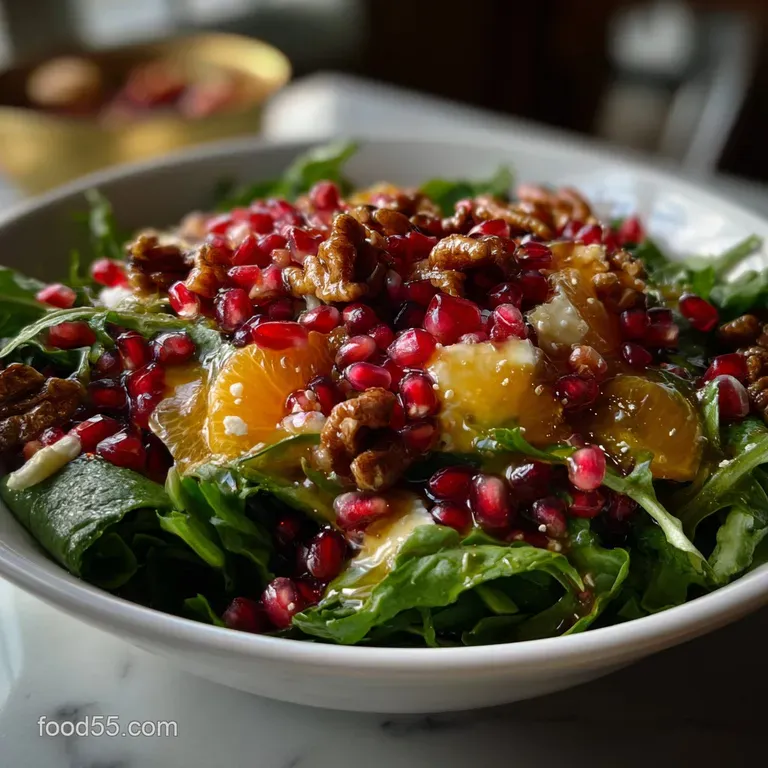
- Time: Active 10 minutes, Passive 10 minutes, Total 20 minutes
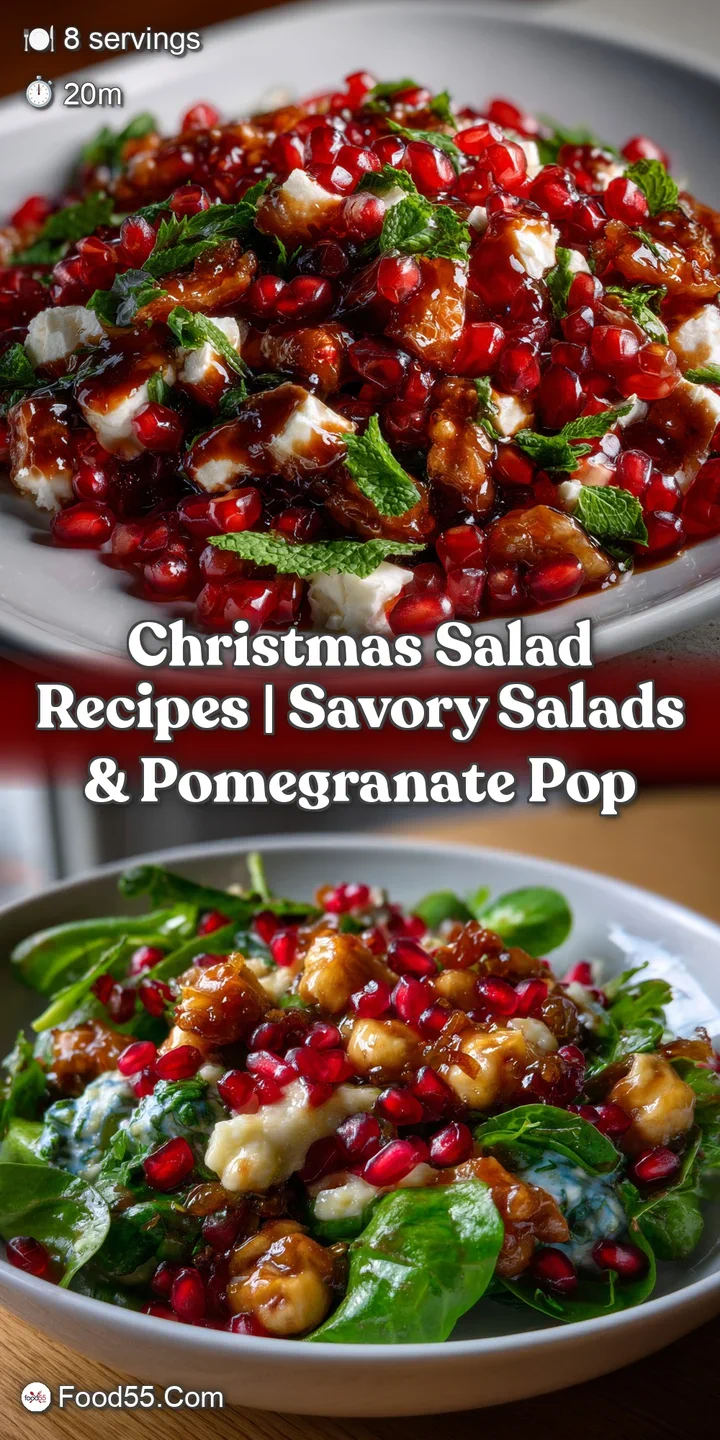
- Flavor/Texture Hook: Smoky charred brassicas meet the bright pop of tart pomegranate seeds.
- Perfect for: Festive dinner parties where you need a centerpiece dish that holds its crunch.
- A Vibrant and Refreshing Christmas Salad
- The Science of Flavorful Roasting
- Analyzing the Core Festive Elements
- Essential Elements and Smart Swaps
- Professional Tools for Success
- Crafting Your Salad with Precision Steps
- Solving Common Texture Issues
- Adjusting Quantities for Larger Crowds
- Debunking Traditional Vegetable Prep Methods
- Keeping Freshness and Using Every Scrap
- Creative Twists for Every Palate
- Plating and Pairing for Festive Impact
- Clear Answers for Your Holiday Cooking
- Recipe FAQs
- 📝 Recipe Card
Have you ever noticed how the most beautiful holiday tables often feature a sad, wilted bowl of greens that nobody touches? It is a tragedy, really. We spend hours on the turkey or the ham, yet the vegetables are treated like an afterthought, left to go soggy under a blanket of heavy dressing.
I decided years ago that my holiday spread deserved something better than a limp leaf.
This is the dish that actually gets finished. It is a vibrant, textured assembly that plays with temperature and taste, moving away from the "fruit and marshmallow" salads of the past. We are talking about deep, smoky flavors from the oven clashing against the cool, salty bite of feta and the sharp zing of mint.
It is a conversation starter, honestly.
Right then, let's get into why this works so well. We aren't just tossing things in a bowl and hoping for the best. We are using specific techniques to ensure every forkful has a bit of crunch, a bit of creaminess, and a whole lot of zing. If you are tired of boring sides, trust me on this one.
A Vibrant and Refreshing Christmas Salad
The secret to a memorable holiday meal isn't just about the main course; it is about the high contrast sides that keep your palate excited. By using a Christmas Salad that focuses on texture rather than just volume, you create a dish that stands up to heavy gravies and rich meats.
It is about creating a balance that feels both indulgent and light at the same time.
The Science of Flavorful Roasting
Maillard Reaction: High heat (220°C) triggers a chemical reaction between amino acids and reducing sugars, creating that savory brown crust on the cauliflower and broccoli. This transforms bitter raw brassicas into nutty, caramelized components that anchor the dish.
Hygroscopic Balancing: The sea salt draws moisture out of the vegetable cells through osmosis, allowing the surface to dehydrate quickly. This ensures the florets sizzle and crisp rather than steaming in their own internal juices.
Emulsification Stability: Using Dijon mustard in the dressing acts as a bridge between the pomegranate molasses and the olive oil. The mucilage in the mustard coats the oil droplets, preventing the vinaigrette from breaking and ensuring it clings to the vegetables.
Acidic Brightening: The apple cider vinegar doesn't just add sourness; it physically softens the tough cellulose fibers in the fresh mint and shallots. This makes the aromatic flavors more accessible to your taste buds immediately upon impact.
Analyzing the Core Festive Elements
| Ingredient | Science Role | Pro Secret |
|---|---|---|
| Pomegranate Molasses | High acidity/sugar concentrate | Reduces into a glaze that mimics balsamic but with deeper tannins |
| Cauliflower/Broccoli | Structural fiber base | Cut into "flat edged" florets to maximize pan contact and browning |
| Walnuts | Lipid rich crunch | Toast them until they smell like popcorn to release volatile oils |
| Feta Cheese | High sodium fat source | Use sheep's milk feta for a creamier melt in-the mouth texture |
Essential Elements and Smart Swaps
Getting the right ingredients is half the battle. I always reach for a bottle of Colavita Extra Virgin Olive Oil because it has that peppery finish that works so well with the smoky paprika. For the salt, use Maldon Sea Salt flakes if you can; the way they shatter on the tongue is much better than fine table salt.
- 500g cauliflower, small florets: Why this? Provides the meaty, nutty base once roasted.
- 400g broccoli, small florets: Why this? The "trees" catch the dressing perfectly.
- 30ml extra virgin olive oil: Why this? Carries the heat and the paprika flavor.
- 5g smoked paprika: Why this? Adds a "bacon like" depth without the meat.
- 3g sea salt: Why this? Essential for moisture removal during roasting.
- 150g fresh pomegranate seeds: Why this? Provides the "jeweled" look and tart pops.
- 60g toasted walnut halves: Why this? Adds an earthy, bitter sweet crunch.
- 100g feta cheese, crumbled: Why this? Delivers the necessary salt and creamy fat.
- 30g fresh mint leaves, torn: Why this? Cuts through the richness with cooling menthol.
- 45ml pomegranate molasses: Why this? The "secret sauce" for sweetness and tang.
- 15ml apple cider vinegar: Why this? Sharpens the molasses and thins the oil.
- 10g Dijon mustard: Why this? Acts as the emulsifier for the dressing.
- 60ml extra virgin olive oil: Why this? The base of the silken vinaigrette.
- 1 small shallot, finely minced: Why this? Adds a mild, savory onion bite.
- 2g freshly cracked black pepper: Why this? Adds a subtle, woody heat.
Substitution Table
| Original Ingredient | Substitute | Why It Works |
|---|---|---|
| Pomegranate Molasses | Balsamic Glaze | Similar thick consistency, though less fruity. |
| Walnuts | Toasted Hazelnuts | Same fat content with a more buttery, rounder flavor profile. |
| Feta Cheese | Goat Cheese | Much softer and tangier. Note: Will coat the veg rather than stay in chunks. |
| Smoked Paprika | Cumin & Chili | Moves the flavor profile toward a Mediterranean vibe. |
Professional Tools for Success
You don't need a professional kitchen, but a few specific items make this much easier. A heavy duty Lodge Cast Iron Sheet Pan is my go to because it holds heat so much better than thin aluminum trays, which means better browning.
I also use a Microplane for the shallot if I'm feeling lazy about mincing with a knife; it turns the shallot into a paste that melts into the dressing.
For the walnuts, a small 8 inch skillet works best for toasting. Don't even think about using the microwave; you need the direct contact of the pan to get that golden hue.
Crafting Your Salad with Precision Steps
Preparing the Vegetable Base
Preheat your oven to 220°C. This high temperature is non negotiable if you want a sizzle rather than a wilt.
Roasting the Signature Vegetables
- Toss florets. Place the 500g cauliflower and 400g broccoli into a large bowl. Note: Mixing in a bowl ensures every nook is coated.
- Season well. Drizzle with 30ml olive oil, 5g smoked paprika, and 3g sea salt.
- Spread out. Arrange the vegetables on a baking sheet in a single layer. Cook 10 minutes until edges are charred and stems are tender crisp.
- Cool slightly. Let them sit on the pan for 5 minutes. Note: This prevents the feta from melting instantly upon contact.
Emulsifying the Dressing
- Combine aromatics. In a small jar, whisk together 45ml pomegranate molasses, 15ml apple cider vinegar, 10g Dijon mustard, and the minced shallot.
- Emulsify oil. Slowly whisk in the 60ml olive oil and 2g black pepper until the mixture is velvety and thick.
Assembling for Visual Impact
- Build the layers. Place the roasted vegetables in a wide serving bowl.
- Add textures. Scatter 150g pomegranate seeds, 60g toasted walnuts, and 100g crumbled feta over the top.
- Final touch. Pour the dressing over the salad and toss gently.
- Garnish. Scatter the 30g torn mint leaves over the top right before bringing it to the table. Serve immediately while the vegetables are still warm.
Solving Common Texture Issues
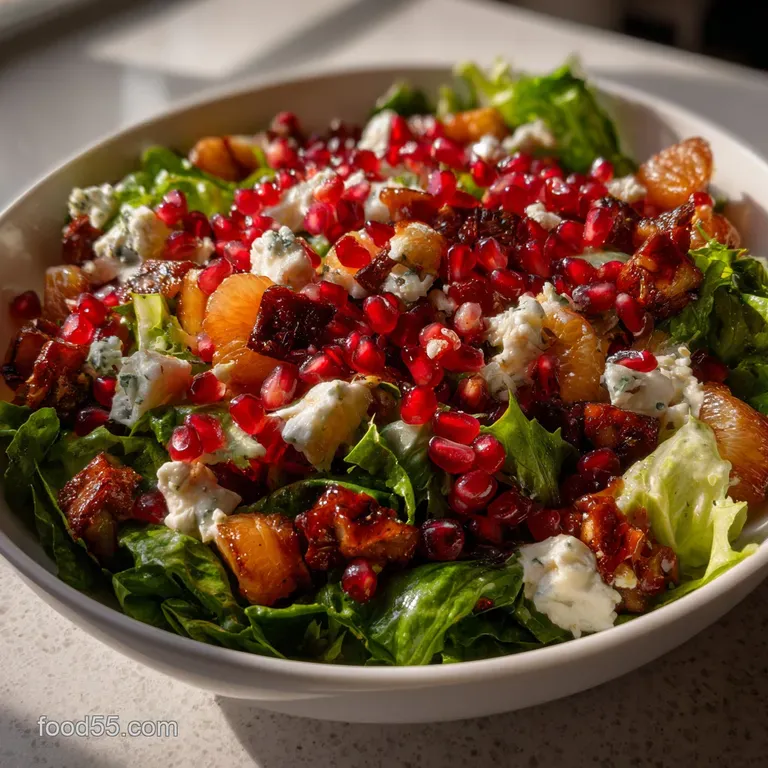
The most common mistake I see is people overcrowding the pan. If the florets are touching each other too much, they trap steam. You end up with a gray, mushy mess instead of those beautiful charred edges. If your oven is small, just do it in two batches. It's worth the extra ten minutes.
Why Your Vegetables Turn Mushy
This usually happens because the oven wasn't hot enough or the vegetables were still wet from washing. Always pat them dry with a kitchen towel before tossing them in oil. Just like the technique in The Creamy Classic recipe, moisture control is the key to the final texture.
| Problem | Cause | Fix | Pro Tip |
|---|---|---|---|
| Soggy florets | Overcrowded pan | Use two trays | Roast at 220°C exactly |
| Bitter walnuts | Over toasting | Watch for the "popcorn" smell | Remove from pan immediately |
| Broken dressing | Added oil too fast | Whisk in a teaspoon of warm water | Use a jar and shake vigorously |
Adjusting Quantities for Larger Crowds
If you are hosting a massive family gathering, scaling this up is easy, but keep an eye on the spice ratios.
- Scaling DOWN (½ size): Use a smaller toaster oven pan and reduce the roasting time by about 2 minutes. Beat one small shallot and use only half the paste.
- Scaling UP (2x-4x): Do not double the salt immediately; start with 1.5x and taste. Work in batches for the roasting never pile the vegetables high on one tray.
- Holiday Prep: You can chop the broccoli and cauliflower 2 days early. Keep them in a sealed bag with a paper towel to absorb any excess moisture.
Debunking Traditional Vegetable Prep Methods
Searing does not seal in juices. Many think roasting "seals" the vegetable. In reality, the heat is actually removing moisture to concentrate the flavor. The goal isn't to keep it "juicy" inside; it's to create a contrast between the tender interior and the crisp exterior.
Don't soak your broccoli. Some old recipes suggest soaking vegetables in salt water. For this Christmas Salad, that is a disaster. It introduces too much internal hydration, making it impossible to get a good char in the oven.
Keeping Freshness and Using Every Scrap
Storage: This salad is best eaten fresh. However, you can keep leftovers in the fridge for up to 2 days. The mint will darken, but the flavors will actually deepen.
Freezing: Do not freeze the assembled salad. The textures will be destroyed.
Zero Waste: Don't throw away those broccoli and cauliflower stems! Peel the woody outer layer, dice the tender core, and roast them right along with the florets. They have a wonderful sweetness. The leftover pomegranate molasses dressing is also incredible over a Classic Southern Potato recipe if you want a tangy variation the next day.
Creative Twists for Every Palate
If you want to change the vibe of this Christmas Salad, it’s all about the small tweaks.
- For a Smoky Profile: Add 50g of crispy pancetta or bacon bits at the very end.
- For a Vegan Version: Swap the feta for a handful of capers or some silken tofu cubes marinated in lemon juice and salt.
- The "Crunch" Factor: If you don't like walnuts, toasted pumpkin seeds (pepitas) add a beautiful green hue and a lighter crunch.
If you are looking for more festive sides, this pairs beautifully with a Cranberry Jello Salad recipe for a table that hits every color of the holiday spectrum.
Plating and Pairing for Festive Impact
When serving this, go for a wide, shallow bowl rather than a deep one. This allows the "jewels" (the pomegranate seeds) to stay on top where people can see them. If they all sink to the bottom, the visual impact is lost.
Chef's Note: To get the most "pop" from your pomegranate, hold the halved fruit over the bowl and whack the back of it with a wooden spoon. The seeds will come flying out without all the messy white pith.
- If you want more sweetness, add a drizzle of honey to the dressing.
- If you want more heat, toss the vegetables with a pinch of red chili flakes before roasting.
- If you want a meal, serve this over a bed of warm quinoa or farro.
Clear Answers for Your Holiday Cooking
The Difference Between Fast and Classic Methods
| Feature | Fast (This Recipe) | Classic (Steamed/Boiled) |
|---|---|---|
| Texture | Crispy and charred | Soft and uniform |
| Flavor | Nutty and complex | Mild and grassy |
| Prep Time | 20 minutes | 15 minutes |
How do I prevent the mint from turning black? The acid in the vinegar and the heat from the vegetables will eventually oxidize the mint. The trick is to tear the leaves by hand (don't chop with a knife) and add them at the absolute last second before the bowl hits the table.
Can I use frozen vegetables? Honestly, don't even bother with frozen broccoli or cauliflower for this specific dish. Frozen vegetables have had their cell walls damaged by ice crystals, meaning they will release too much water in the oven.
You will end up with a soggy Christmas Salad instead of a crisp one.
Is there a substitute for pomegranate molasses? If you can't find it, a reduction of balsamic vinegar with a teaspoon of honey is your best bet. It won't have the same floral note, but it provides the necessary "sticky tart" coating that makes this recipe sing. For another bright option, you could try the citrus notes found in a Classic LemonDill Crab recipe if you're leaning towards a seafood themed Christmas.
Sharing a meal is about more than just the food; it's about the connections we make around the table. This salad, with its bright colors and bold flavors, is designed to bring people together. It’s a dish that invites questions and second helpings.
Enjoy the process, and may your holiday table be full of joy and great flavor!
Recipe FAQs
How to make christmas salad?
Yes, by roasting the primary vegetables. This specific recipe requires high heat roasting (220°C) of cauliflower and broccoli to achieve a charred, non-soggy texture that balances the sweet pomegranate dressing.
How to make christmas fruit salad?
No, this is a vegetable forward salad with fruit accents. While it contains pomegranate seeds, the base relies on smoky roasted brassicas, not primarily on soft, sweet fruits typical of a traditional fruit salad.
How to cook christmas ham?
This recipe does not cover ham preparation. This salad is designed as a vibrant side dish that pairs well with rich meats; for pairing suggestions, you could reference side recipes.
How do you make christmas salad?
You must roast the vegetables first and emulsify the dressing separately. The key is high heat roasting for charring, followed by gently folding in the crunchy nuts, creamy feta, and fresh mint right before serving.
How to make homemade christmas balls?
No, this recipe is not for edible or decorative balls. This refers to a savory salad featuring roasted vegetables, which stands in contrast to traditional heavy holiday sides.
Can I substitute the pomegranate molasses?
Yes, a reduction of balsamic vinegar mixed with honey works as a substitute. If you enjoyed controlling the sweet tart balance in this dressing, see how the same acid principle is applied to balance richness in our Classic tomato mozzarella salad A Taste of Italy.
Can I use frozen vegetables for this salad?
No, stick with fresh produce for the best texture. Frozen vegetables release excessive moisture during the high heat roasting step, resulting in a soggy texture instead of the desired char.
Pomegranate Christmas Salad Recipe
Ingredients:
Instructions:
Nutrition Facts:
| Calories | 244 kcal |
|---|---|
| Protein | 6.0 g |
| Fat | 18.2 g |
| Carbs | 17.3 g |
| Fiber | 4.4 g |
| Sugar | 9.4 g |
| Sodium | 225 mg |
