Pork Ramen Stir Fry: Quick, Crispy Unctuous
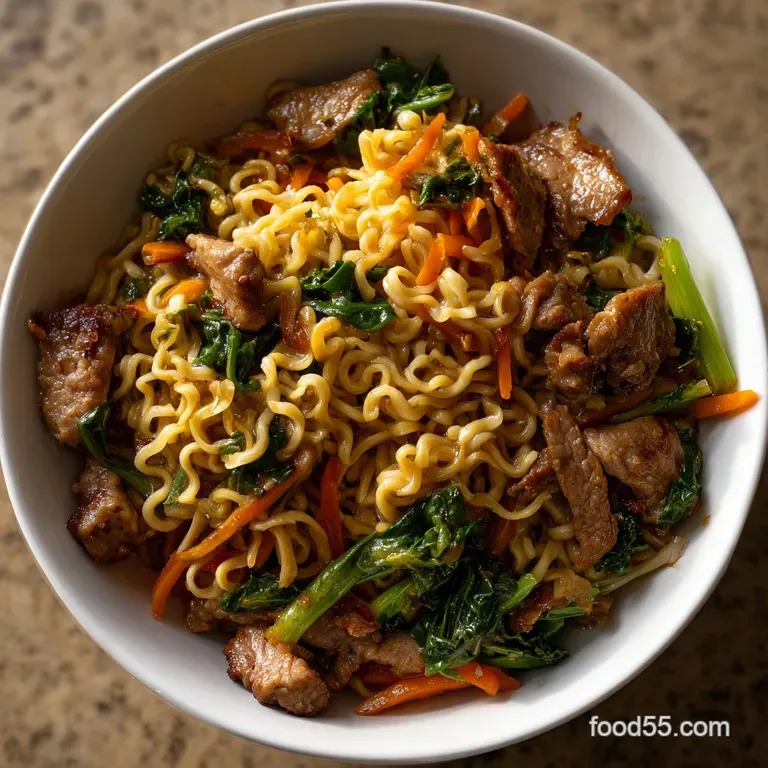
- The Ultimate Pork & Ramen Stir Fry: Quick, Crispy, and Unctuous
- The Science of Stir-Fry: Why This Pork Ramen Dish Hits Different
- Essential Ingredients for a Perfect Ramen Noodle Stir Fry
- over High heat Mastery: Making Your Best Pork Stir Fry Step-by-Step
- Avoiding the Soggy Noodle Trap: Pro Tips and Common Fixes
- Keeping the Crisp: Storing and Reheating Leftovers
- Beyond the Bowl: Perfect Pairings and Garnish Ideas
- Recipe FAQs
- 📝 Recipe Card
The Ultimate Pork & Ramen Stir Fry: Quick, Crispy, and Unctuous
You know that exact smell the moment finely minced garlic and ginger hit screaming hot oil? That’s the aroma that tells you dinner is going to be spectacular, and that’s precisely what kicks off this incredible Pork Ramen Stir Fry .
It delivers maximum umami, satisfying chew, and wonderfully crispy edges on the pork, all in about the time it takes the delivery driver to get halfway to your house.
Seriously, this recipe is a weeknight lifesaver. It transforms cheap instant noodles into restaurant quality cuisine, meaning you get incredible flavour without breaking the bank or dedicating an hour to the stove.
We are ditching the flavour packets, of course, because we are making a proper Ramen Stir Fry sauce that is salty, sweet, and perfectly glossy.
Ready to ditch the soggy takeout and master the art of the 20 minute meal? I promise you, once you learn the over high heat tricks for this Pork Ramen Stir Fry , you won't look back. Let's crack on.
The Science of Stir Fry: Why This Pork Ramen Dish Hits Different
This isn't just a basic noodle toss; it’s a focused technique aimed at achieving maximum textural contrast and deep, caramelized flavour. The structure of this particular Pork Ramen Stir Fry recipe guarantees success because we treat each ingredient stage individually.
What Makes This Recipe So Fast?
Speed comes down to the thin cut of the pork and the preparation of the sauce beforehand. Since the pork is sliced very thinly, it sears in under three minutes, allowing us to move quickly into the vegetables.
Crucially, preparing the complete sauce in a separate bowl (mise en place!) means the second it hits the wok, the cook time stops you’re just tossing, not adjusting seasoning.
Why Instant Ramen Works Best Here
We use standard instant ramen because those noodles are specially designed to cook fast and absorb liquids aggressively. They achieve that signature bouncy, slightly springy texture that dried egg noodles sometimes lack.
The trick is to undercook them severely ; they should be stiffly al dente because they will soak up the sauce and finish cooking in the final minute of high heat.
Key Tools for Successful Stir Frying
While a proper carbon steel wok over a gas burner is the absolute dream for any serious Pork Noodle Stir Fry , a large, heavy bottomed stainless steel frying pan or cast iron skillet works beautifully too.
The main goal is excellent heat retention and plenty of surface area so you don't overcrowd the ingredients. If your pan is too small, you're not stir frying; you're steaming.
Achieving the Maillard Reaction on Pork
The beautiful brown crust on the pork comes from high heat and the tiny addition of cornflour in the marinade. The cornflour not only tenderizes the meat but also acts as a coating that crisps up instantly when it hits the oil.
This is why we sear the pork first and remove it —it ensures that rich, savory char, or Maillard reaction, before the vegetables release their moisture.
The Secret to the Unctuous Sauce Base
The glossiness and cling factor of this sauce relies entirely on two components: Oyster Sauce (or Hoisin) and the residual cornflour from the pork marinade. The oyster sauce provides immediate body and deep umami.
When the sauce hits the searing hot pan, the cornflour still clinging to the pork strips activates, thickening the liquid into a beautiful, glossy glaze that coats every single strand of the ramen.
Textural Contrast: Chewy Noodles vs. Crispy Pork
A boring stir fry is uniform and soft. A brilliant Pork Ramen Stir Fry is defined by contrast. We aim for pork that is slightly browned and chewy, noodles that are springy and bouncy, and vegetables (like the carrots and peppers) that retain a delightful, snappy crunch.
This requires quick cooking and the discipline of adding ingredients in stages.
Essential Ingredients for a Perfect Ramen Noodle Stir Fry
This recipe utilizes simple pantry staples, but the quality of your base sauces makes a huge difference. Don't cheap out on the oyster sauce; it's the backbone of the entire dish.
Selecting the Right Cut of Pork (And How to Slice It)
I swear by pork tenderloin or thinly sliced shoulder for this recipe. Tenderloin is lean and cooks unbelievably fast, while shoulder has a little more fat for flavour. The crucial part? Slicing. Slice the meat against the grain into strips about ⅛-inch thick.
This keeps the meat incredibly tender and ensures it cooks evenly under high heat. If you slice with the grain, the pork will be tough and stringy.
Building the Umami Base: Soy, Oyster, and Rice Vinegar
The sauce blend hits the perfect trifecta: salty (Soy Sauce), savory/sweet (Oyster Sauce and Brown Sugar), and acidic (Rice Vinegar). The rice vinegar is non-negotiable; it cuts through the richness of the pork and prevents the dish from tasting flat and overly heavy. It gives the sauce that essential brightness.
Simple Substitutions for the Marinade
I know that sometimes you open the fridge and realize you are missing that one key item. Don't panic! This is what I've learned over countless kitchen crises:
| Ingredient Missing | Recommended Substitute | Notes |
|---|---|---|
| Pork Tenderloin | Chicken Thigh or Tempeh | Thigh meat holds up better than breast in high heat. |
| Oyster Sauce | Hoisin Sauce or Vegetarian Stir Fry Sauce | Hoisin is thicker, so you may need an extra splash of water. |
| Rice Vinegar | Apple Cider Vinegar | Use slightly less ACV, as the flavour is more robust. |
| Cornflour (Marinade) | Baking Soda (pinch only) | Baking soda is a great Asian technique for tenderizing the pork (velveting), but use sparingly. |
over High heat Mastery: Making Your Best Pork Stir Fry step-by-step
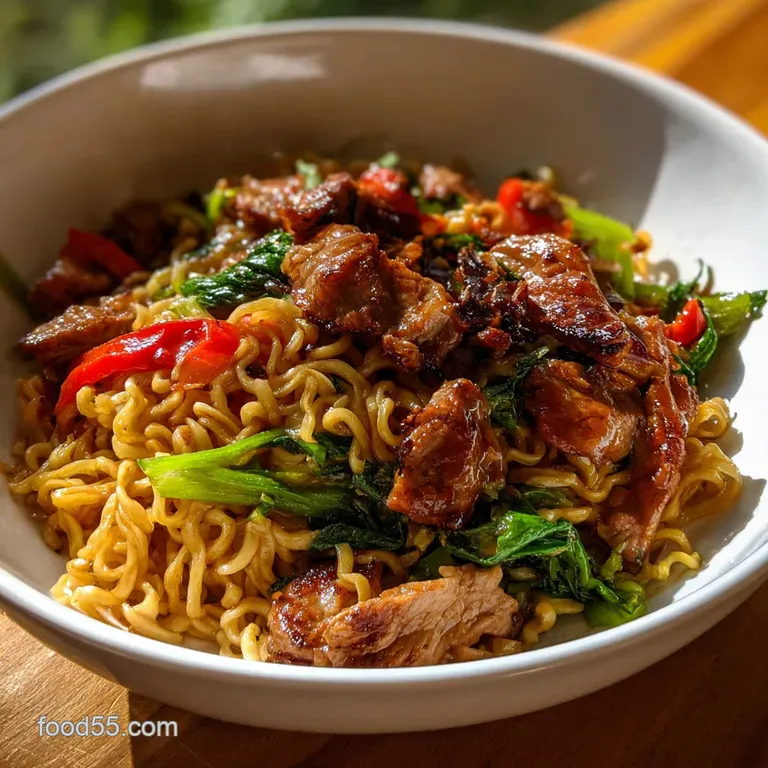
Remember my earlier mistake? I once dumped all the pork in the pan at once, dropped the temperature, and basically steamed a bowl of gray meat. Don't be me! We cook fast, we cook hot, and we work in manageable batches.
Prepping the Noodles (The Non-Sticky Method)
Cook your ramen packets (without the flavouring, please!) for one minute less than the package instructions suggest. Drain them immediately into a colander. Don't skip this: Rinse them briefly under cool water to stop them cooking, then immediately toss the noodles with a tablespoon of oil.
This thin oil coating is the secret barrier that prevents the starch from gluing together when you introduce the sauce.
Marinating and Searing the Pork (In Two Quick Batches)
While the pork only needs 15 minutes to marinate with the cornflour, make sure your wok is screaming hot when the meat goes in. You should hear a dramatic, immediate sizzle.
Cook half the pork strips until they are beautifully browned this is the glorious moment the kitchen smells like savory nutty heaven. Remove that batch quickly to a clean plate, add a little more oil if needed, and repeat with the second half.
Setting the pork aside prevents it from overcooking while we tackle the veg.
Combining the Flavours: The Final Toss
The moment everything comes together is intense and fast. Once the garlic, ginger, and hard vegetables (carrots, peppers) are fragrant and tender crisp, return the seared pork to the wok. Pour the Pork Ramen Stir Fry Sauce over everything simultaneously.
Use tongs and toss vigorously, lifting the noodles and folding the ingredients from the bottom. You are listening for a sizzling sound, not a stewing sound. When the sauce visibly thickens and turns glossy that’s your cue to serve.
Estimated Timing: How Long Does the Actual Cook Take?
The true stir frying starts after all the prep is done. You’ll be shocked how fast this moves:
- Pork Searing (2 batches): 5 minutes total
- Aromatics & Hard Veg: 3 minutes
- Soft Veg: 1 minute
- Sauce/Noodle Toss: 2 minutes
- Total Wok Time: ~ 11 minutes.
Avoiding the Soggy Noodle Trap: Pro Tips and Common Fixes
The difference between amazing Pork Ramen Noodle Recipes and sloppy ones always comes down to the noodles. We want bouncy, individual strands, not a starchy blob.
Wok Hei: Maximizing over High heat Flavour
"Wok hei" is the coveted smoky flavour achieved by cooking food at extremely high temperatures. If you’re cooking on an electric stove, try to use a heavy cast iron pan and give it extra time to heat up until it’s lightly smoking before adding the oil.
Only use oils with a high smoke point like peanut or grapeseed oil; don't use olive oil here. You want to hear that powerful, continuous sizzle throughout the process.
Dealing with Overcooked Noodles
If your noodles end up softer than you’d like, there’s no perfect fix once they are cooked, but you can improve the texture slightly. When you add the sauce, cook it down faster than usual, allowing the excess moisture to evaporate quickly.
This concentrates the sauce and reduces the time the noodles spend sitting in liquid. Next time, cut that boiling time down by 30 seconds!
Adjusting Saltiness After the Stir Fry
Taste before seasoning! Because soy sauce and oyster sauce are both salty, adding extra salt often leads to over seasoning. If the Pork Ramen Stir Fry tastes slightly bland, add a teaspoon more soy sauce mixed with a teaspoon of brown sugar .
This balance of sweet, salty, and umami is what truly elevates the dish.
Keeping the Crisp: Storing and Reheating Leftovers
Yes, you can absolutely enjoy this later! Storing and reheating stir fry requires a little foresight, but it’s totally worth it because these leftovers taste amazing.
Refrigeration Guidelines for Pork and Noodles
Once cooled, leftovers should be transferred to an airtight container and refrigerated immediately. This specific Pork Ramen Stir Fry stores beautifully for up to 3 days. Past that, the noodles start to break down and absorb too much moisture from the vegetables.
The Best Way to Reheat Without a Wok
Do not microwave this if you want the pork to retain any texture. The best method is to use a standard frying pan over medium high heat with a tiny splash of oil. Spread the noodles and pork in a thin layer and allow them to heat quickly and evaporate the moisture.
This technique helps crisp up the leftover pork edges slightly, mimicking the original over high heat sear.
Is Freezing Recommended?
Honestly? No. I’ve tried freezing many a noodle dish, and the ramen noodles become spongy and brittle when thawed and reheated. While the pork and sauce hold up fine, the texture of the main vehicle the noodles is ruined. Save yourself the disappointment and enjoy the leftovers within three days!
If you need freezer friendly comfort food, try my [Green Chile Stew: Ultimate Pork Hatch Comfort Bowl].
Beyond the Bowl: Perfect Pairings and Garnish Ideas
We've got the main dish sorted, but great cooking is all about presentation and adding those little final touches.
For a little contrast, I love serving this savory dish alongside something light and acidic. A quick Asian cucumber salad dressed in sesame oil and rice vinegar is the ideal foil for the rich sauce of this Pork Ramen Stir Fry Recipe .
And don’t forget the heat a drizzle of chilli oil or a sprinkle of fermented chili flakes takes the depth up a notch.
If you love Asian inspired meals, you might also want to try my recipe for [Moo goo gai pan Easy RestaurantStyle Chinese Chicken Stirfry], but for pure speed and punchy flavour, nothing beats this easy Pork Ramen Stir Fry . It truly is the weeknight winner, every single time.
Recipe FAQs
Why are my ramen noodles mushy or sticking together after stir frying?
The main cause of mushy noodles is overcooking them during the initial par-boil; they should be taken out while still slightly al dente. Additionally, ensure you rinse and toss the cooked noodles with a teaspoon of oil immediately after draining to stop the cooking process and prevent clumping before they hit the wok.
Can I substitute the pork, or make this a vegetarian dish?
Absolutely. You can substitute the pork with thinly sliced chicken breast, beef sirloin, or large shrimp, adjusting the cooking time slightly. For a vegetarian version, use firm or extra firm tofu that has been pressed and seared until crispy, or a generous portion of thick cut shiitake mushrooms.
My stir fry tastes dry and the noodles didn't absorb the sauce. What went wrong?
This issue often stems from cooking at too low a temperature or adding the sauce too early, allowing it to evaporate before coating the ingredients. Ensure your pan is screaming hot and the sauce is added right at the end, allowing it to quickly reduce and cling to the noodles.
If necessary, use a small cornstarch slurry to help bind the sauce effectively.
What is the best way to store leftovers, and how long will they last?
Store any leftover stir fry in an airtight container in the refrigerator for up to three days. For the best texture when reheating, use a hot skillet or wok for a minute or two, rather than the microwave, which tends to make the noodles overly soft.
Why does the recipe specify using instant ramen noodles instead of fresh ones?
Instant ramen noodles (without the seasoning packet) have a specific texture that holds up exceptionally well under the intense, quick heat of a stir fry, resisting breakage and sogginess. While fresh noodles can be used, they require much shorter prep time and are generally more prone to clumping.
Do I really need to cook this over very high heat?
Yes, high heat is crucial for achieving that authentic "wok hei" flavour and texture, ensuring the pork sears quickly and the vegetables stay crisp tender. If the heat is too low, the ingredients will release moisture and end up stewing, resulting in a dull, less flavorful dish.
How can I easily adjust the heat level of this stir fry?
To increase the heat, incorporate finely minced bird's eye chilies or chili oil directly into the final sauce mixture. If you prefer a milder flavour, simply omit the white pepper from the marinade and replace any chili flakes with sweet bell pepper flakes instead.
Pork Ramen Stir Fry In 30 Minutes

Ingredients:
Instructions:
Nutrition Facts:
| Calories | 258 kcal |
|---|---|
| Protein | 24.4 g |
| Fat | 6.4 g |
| Carbs | 23.2 g |
