Quick Pickled Radishes: the Scarlet Crunch, Ready in Under 30 Minutes
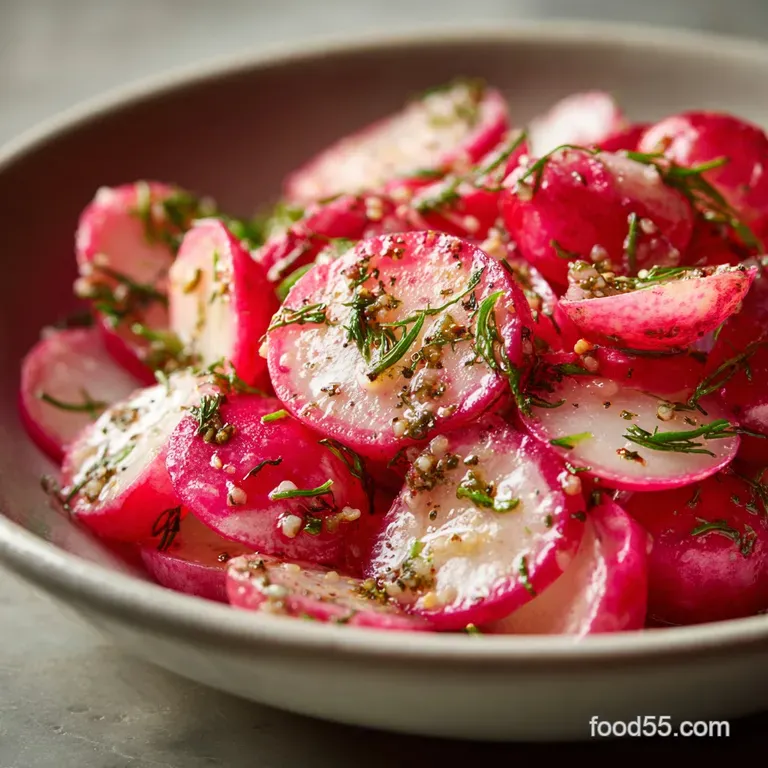
- The Scarlet Crunch: Why This Quick Pickled Radish Recipe Works
- The Science of Scarlet: Achieving Perfect Brine Balance
- Essential Ingredients for the Best Quick Pickled Radishes
- Ingredient Notes and Substitution Swaps
- Precision Pickling: Step-by-Step Directions
- Troubleshooting Your Quick Pickled Radishes: Chef’s Tips and Common Errors
- Creative Ways to Use Your Zesty Quick Pickled Radishes
- Storing the Scarlet Crunch: Maximizing Shelf Life
- Recipe FAQs
- 📝 Recipe Card
The Scarlet Crunch: Why This Quick Pickled Radish Recipe Works
Seriously, the color alone stops you in your tracks. When they hit the hot, acidic brine, these humble, sometimes dull, radishes transform into electric, vibrant pink and scarlet jewels. The incredible, satisfying crunch they keep is absolutely everything, providing a brilliant texture contrast you crave.
This isn't your grandma's 6 week canning project, thank goodness. This is 30 minute magic, making them the ultimate kitchen cheat for when you need a bright, tangy element right now to balance a rich meal.
They are fast, incredibly cheap, and impossibly easy to make, instantly upgrading simple dishes like tacos or leftover roast chicken sandwiches.
I’ve messed up plenty of batches over the years (usually by getting the vinegar ratio wrong or slicing them unevenly), but I finally cracked the code for perpetually crunchy Quick Pickled Radishes .
Let’s dive straight into the science behind the brine and get these stunning little flavour bombs made today.
The Science of Scarlet: Achieving Perfect Brine Balance
The Magic of 30 Minute Transformation (Speed and Efficiency)
We are intentionally skipping the months long fermentation required for traditional pickles. Why wait? The hot brine is the true engine of this recipe. The heat immediately starts the osmosis process, drawing moisture out of the radishes while forcing the seasoned, acidic liquid in.
This rapid exchange allows the brine flavour to penetrate super fast. It means you get that wonderful, zesty tang in less than an hour. The quick transformation preserves that fantastic, raw crunch we’re aiming for.
Radish Renaissance: Transforming Raw Texture and Heat
Raw red radishes can sometimes be a little too aggressive and peppery, right? Pickling them softens that sharp, almost spicy edge while still retaining a wonderful, zesty bite. They become the perfect, bright counterpoint to rich dishes, like a hefty pulled pork sandwich or even alongside sharp cheddar on a cheese board.
These radishes are a non-negotiable condiment in my house.
What Does Quick Pickling Actually Mean?
Quick pickling, or "refrigerator pickling," is fundamentally different from traditional canning. It means we are soaking sliced vegetables in a heated, highly acidic solution, then storing them immediately in the fridge. There are no complex pressure canners or boiling water baths needed here.
It’s all about immediate gratification and a three week shelf life, not long term storage.
The Essential Ratio for Quick Pickles: Salt, Sugar, and Acidity
The secret to perfectly balanced brine is getting the salt sugar-acid ratio right every single time. You need enough sugar to mellow out the sharpness of the vinegar, which prevents the brine from tasting acrid.
Salt is essential, not just for seasoning, but because it draws moisture out of the radishes, which is the key reason they stay so wonderfully crunchy. We need to strike that perfect harmony between sharp, sweet, and savory.
Maximizing Crunch: Why Uniform Slicing Matters
Forget thick, chunky, hand cut slices; they simply won't pickle evenly. Slicing uniformity is non-negotiable if you want truly crunchy and evenly pickled radishes. Using a mandoline ensures every slice is paper thin (about 1/8 inch thick) and absorbs the hot brine at the exact same speed.
This consistency guarantees a consistent, satisfying crunch with every bite.
The Role of Aromatic Spices in Flavor Infusion
The spices might seem like a small detail, but they provide critical depth to the simple brine. Mustard seeds and peppercorns aren't just for texture; they slowly release earthy, warm oils into the acidic mixture.
This tiny addition takes your Quick Pickled Radishes from being merely good to truly spectacular.
Essential Ingredients for the Best Quick Pickled Radishes
Here is exactly what you need to create the perfect jar of zesty pickles.
- Radishes: 1 large bunch (about 8 oz / 225 g)
- Garlic: 2 small cloves, lightly smashed
- Vinegar: 1 cup White Wine Vinegar
- Water: ¾ cup Filtered Water
- Sweetener: 2 Tbsp Granulated Sugar
- Salt: 1 tsp Kosher Salt or Fine Sea Salt
- Aromatics: 1 tsp Yellow Mustard Seeds, ½ tsp Black Peppercorns
Ingredient Notes and Substitution Swaps
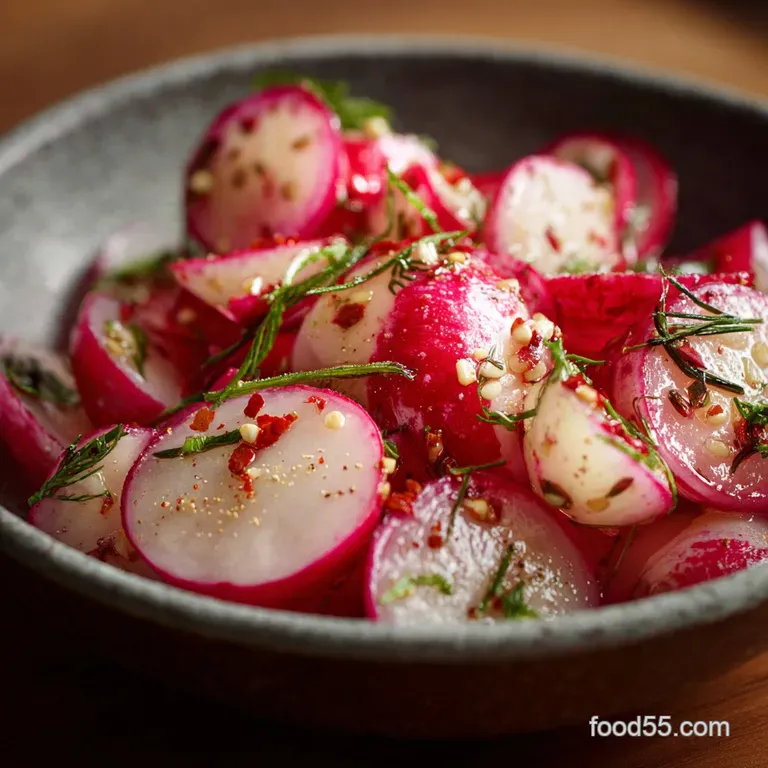
Choosing Your Radishes: Standard Red Globe vs. French Breakfast
Standard red globe radishes are easy to find, inexpensive, and they hold their shape beautifully in the brine. If you happen to spot delicate, elongated French Breakfast radishes, snap them up. They are slightly milder and look absolutely stunning when sliced and pickled, offering a gourmet look.
Vinegar Variations: Apple Cider vs. White Distilled (Flavor Profiles)
I prefer white wine vinegar here because it’s clean, bright, and slightly softer than standard distilled white vinegar. However, if you want that subtle, fruity depth that pairs perfectly with something like our Velvety Shrimp Corn Chowder Recipe The Flavour Secret is Quick Stock , go for Apple Cider Vinegar . Distilled white vinegar works, but its flavour is much sharper and more neutral.
Elevating the Brine: Must Have Aromatic Add-Ins
Do not skip the mustard seeds and peppercorns! If you want to kick the flavour up a notch, consider adding a thin slice of fresh ginger or a bay leaf for an earthy note. For a bit of heat, toss in ½ teaspoon of dried red pepper flakes for spicy Quick Pickled Radishes .
Salt Matters: Selecting the Right Type for Brine Integrity
Always use Kosher salt or fine sea salt for pickling. Why? Avoid using iodized table salt at all costs. The anti caking agents and iodine found in table salt can make your beautiful brine cloudy and can sometimes give the final product a slightly metallic or bitter taste. Stick to the good stuff.
| Ingredient | My Recommendation | Substitution Swap |
|---|---|---|
| Vinegar | White Wine Vinegar | Apple Cider Vinegar (fruitier), White Distilled (sharper) |
| Radish | Red Globe | Thinly sliced Red Onion or Cucumber |
| Sweetener | Granulated Sugar | Honey or Maple Syrup (use slightly less) |
Precision Pickling: step-by-step Directions
Prepping the Radishes: Washing, Trimming, and Mandoline Uniformity
First, trim the root and leafy ends off all your radishes and wash them thoroughly. Seriously, nobody wants gritty pickles! Now, slice them: if you don't own a mandoline, this recipe is a perfect excuse to buy one.
Aim for slices that are thin about 1/8 inch thick for maximum crunch and quick brine absorption.
Building the Brine: Heating Until Dissolved
Combine the vinegar, water, sugar, and salt in a small, non-reactive saucepan. Heat this mixture over medium high heat, stirring constantly until the liquid is perfectly clear and both the salt and sugar are completely dissolved. Do not let it boil violently; a gentle simmer is totally enough.
Immediately remove the pan from the heat once dissolved.
The Crucial Pour: Combining Radishes and Hot Brine
Pack your thinly sliced radishes, the smashed garlic, and all your aromatics (mustard seeds, peppercorns) snugly into a clean, heat proof pint jar. Now, carefully pour the hot brine over the packed radishes until they are completely submerged. Be extremely careful when handling the hot liquid!
The Waiting Game: When Are They Ready to Serve?
Wipe the jar rim clean and loosely place the lid on top. Let the jar sit out on the counter until it cools completely to room temperature, which usually takes about 45 to 60 minutes.
They are technically ready to eat after cooling, but the flavour will be much deeper and better after a few hours in the fridge.
Chef’s Note: Tap the jar gently on the counter before sealing it. This releases any air pockets trapped between the radish slices, ensuring the brine reaches every single piece.
Troubleshooting Your Quick Pickled Radishes: Chef’s Tips and Common Errors
Mistake 1: Why Your Radishes Turned Floppy (Temperature Control)
The number one mistake people make is not pouring the brine when it is hot enough or slicing the radishes too thick. The initial heat is necessary to "shock" the vegetable cell walls, ensuring they stay crisp as they pickle. If they feel soft or rubbery, either your brine wasn't hot enough, or your slicing was uneven.
Next time, aim for a true simmer and pour immediately.
Tip: Intensifying Flavor Overnight (Beyond the 30 Minute Minimum)
Yes, you can eat these after just 30 minutes, but trust me, 24 hours in the fridge is the sweet spot for flavor maturation. The brine flavor really penetrates and the stunning scarlet color deepens to a perfect pink.
Plan ahead if you are making this for a weekend taco feast.
Creative Ways to Use Your Zesty Quick Pickled Radishes
The Perfect Taco Topping and Sandwich Companion
I put these on everything, honestly. They are absolutely non-negotiable for authentic Mexican food, offering that necessary blast of acid to cut through rich fillings. These Quick Pickled Radishes for Tacos elevate fish, pork, or even chicken dishes, just like our recipe for Chicken Cabbage Stir Fry The Quick WokFired Weeknight Hero needs a bright element.
Elevating Charcuterie Boards and Summer Salads
Ditch the boring cocktail onions for a second and pile these scarlet gems onto your cheese board. The bright crunch provides a necessary palate cleanser between rich cheeses, spicy salami, and cured ham. They are also gorgeous scattered over any robust summer green salad.
Using the Leftover Brine (A Secret Ingredient Base)
Don't throw away that flavorful brine once the radishes are gone! It's loaded with flavor. Use it in place of standard vinegar in a simple vinaigrette dressing. You can also splash a teaspoon or two into a bowl of black bean soup for a surprising zesty kick.
Storing the Scarlet Crunch: Maximizing Shelf Life
Refrigeration Requirements: Optimal Temperatures for Pickles
Quick pickles MUST be stored in the refrigerator, plain and simple. Since they aren't sterilized or vacuum sealed, keep them below 40°F (4°C) at all times. They will maintain peak crunch and flavour for about three weeks, maybe even four if you're lucky.
Understanding Brine Cloudiness: When Is It Safe?
If your brine looks slightly cloudy immediately after pouring and cooling, don't worry that's often just starch leaching from the radishes or the slight cloudiness of the mustard seeds.
If the brine becomes thick, slimy, or smells distinctly sour or yeasty after a week, it’s best to discard the batch just to be safe.
Why You Should Never Freeze Quick Pickles
Do not even think about freezing these amazing pickles. The high water content in the radishes, combined with the acid, means they will turn into mushy, watery disasters upon thawing. Just make a smaller batch if you think you won't finish them within a month. Fresh is best!

Recipe FAQs
Why aren't my radishes as crunchy as I expected?
The loss of crunch often occurs if the radishes are sliced too thinly or if the brine is aggressively boiling when poured over them. Ensure your radishes are sliced about 1/8 inch thick and that the brine has just come off the heat before being added to the jar.
Chilling the radishes completely is key; they will firm up significantly after 24 hours in the refrigerator.
Can I use different vegetables with this quick pickle brine?
Absolutely. This balanced brine is versatile and works beautifully with various hard vegetables like sliced carrots, cucumbers (Kirby or English), red onions, or even cauliflower florets. Ensure all vegetables are sliced to a uniform thickness so they pickle evenly and reach the desired texture simultaneously.
How long will the quick pickled radishes last in the refrigerator?
When stored properly in an airtight, sterilized jar submerged in the brine, these radishes will maintain their quality for 2 to 3 weeks. While they remain safe to eat longer, the texture will soften slightly after the two-week mark. Always use clean utensils when removing them to avoid contamination.
What is the best alternative vinegar if I don't have white distilled vinegar?
You have excellent options depending on your desired flavor profile. Apple cider vinegar provides a subtle, fruity complexity, while rice vinegar offers a milder, slightly sweeter pickling environment. Maintain the 5% acidity level found in most standard vinegars for the best preservation results.
Can I use a sugar substitute instead of granulated sugar?
The sugar is crucial not just for sweetness but also for balancing the intense acidity of the vinegar and lending a slight body to the brine. While liquid stevia or erythritol can substitute for the sweetness, the overall texture of the brine might feel slightly thinner.
Adjust your sweetener dosage carefully, tasting as you go.
How can I make these radishes spicier?
To introduce heat, we recommend adding a teaspoon of red pepper flakes directly into the jar before pouring in the brine, or including a small sliced jalapeño or serrano pepper. For a deeper, smoky heat, consider using a pinch of dried chipotle powder in the liquid.
Be mindful that the heat intensifies significantly as the radishes sit.
How quickly can I eat them, or how long do they need to sit?
They are technically "quick" pickled, meaning they are safe to eat immediately after cooling. However, for the flavor to properly infuse into the dense radish and for optimal crunch, allow them to chill for at least 6 hours. The peak flavor and texture are generally achieved after a full 24 hours.
Quick Pickled Radishes 30 Minute Recipe
Ingredients:
Instructions:
Nutrition Facts:
| Calories | 52 kcal |
|---|---|
| Protein | 0.6 g |
| Fat | 0.5 g |
| Carbs | 11.5 g |
