Homemade Mac and Cheese with Velvety Sauce
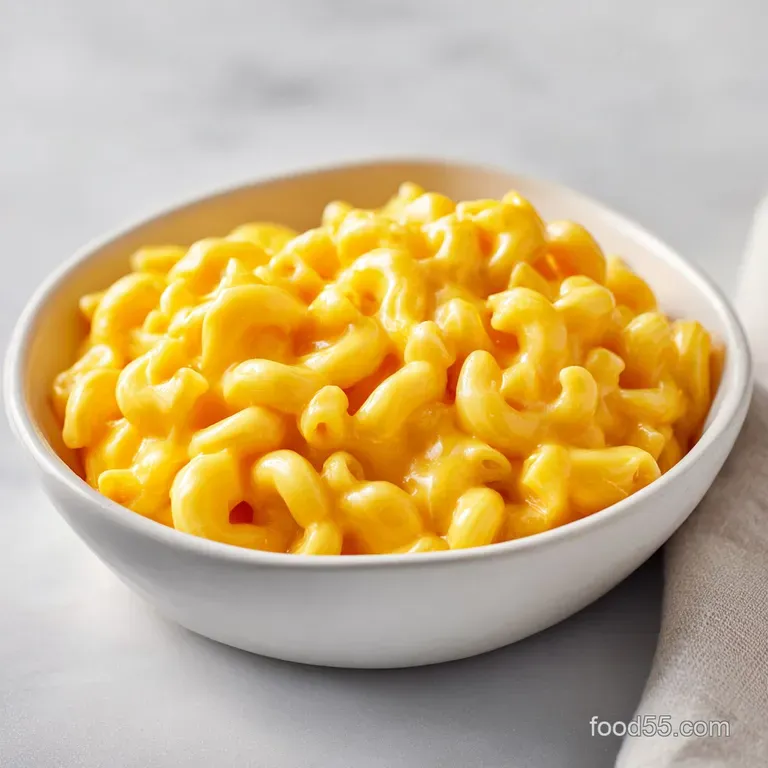
- Time: Active 15 minutes, Passive 20 minutes, Total 35 minutes
- Flavor/Texture Hook: Velvety cheese sauce with a shatter crisp panko crust
- Perfect for: Family gatherings, comfort food cravings, or beginner cooks looking to impress
- Achieving the Creamiest Homemade Mac and Cheese
- Master the Science of Smoothness
- Serving Sizes and Cooking Times
- Chemical Breakdown of the Pan
- Choosing the Highest Quality Ingredients
- Essential Tools for Success
- A Guide to Culinary Assembly
- Solving Common Texture Failures
- Adjusting Batch Sizes Safely
- Modern Flavor and Diet Adaptations
- Correcting Common Cooking Myths
- Preserving and Reheating Leftovers
- Perfect Pairings for Your Meal
- High in Sodium
- Recipe FAQs
- 📝 Recipe Card
Achieving the Creamiest Homemade Mac and Cheese
The kitchen was quiet except for the rhythmic whish whish of my whisk against the heavy bottomed pot. I remember the first time I tried making this for a group of friends. I was so confident, but I made the rookie mistake of using pre shredded cheese from a bag.
As the heat rose, the sauce didn't become a silky river; it turned into a gritty, oily mess that looked more like wet sand than dinner. I stood there, heart sinking, as the sharp, almost plastic like aroma of overheated preservatives filled the room.
That failure was the best thing that ever happened to my cooking. It forced me to actually look at what happens when fat meets flour and milk. I spent the next few weekends experimenting with temperatures and cheese types until I found the sweet spot.
Now, when I pull this dish out of the oven, the smell of toasted Gruyère and bubbling cheddar is enough to bring everyone running to the table. It is the ultimate shared meal that builds real connections over every cheesy bite.
We are going for a texture that is purely velvety. No lumps, no graininess, just a smooth coat that clings to every single curve of the pasta. You can expect a deep, complex flavor thanks to the mix of sharp white cheddar and nutty Gruyère, topped with a crust that provides a satisfying shatter with every spoonful.
Trust me, once you see how the sauce coats the back of a wooden spoon, you'll never go back to the boxed stuff.
Master the Science of Smoothness
Starch Suspension: The all purpose flour in the roux acts as a thickening agent by trapping milk molecules in a mesh like structure, preventing them from thinning out.
Emulsion Stability: Casein proteins in the milk and cheese bond with the fats when introduced slowly, creating a uniform liquid that stays together instead of separating into oil.
Thermal Control: Adding cheese off the heat prevents the proteins from tightening up and becoming rubbery or "broken."
Surface Area Physics: Hand grating the cheese creates irregular edges that melt faster and more evenly than factory cut cubes or shreds.
| Method | Time | Texture | Best For |
|---|---|---|---|
| Stovetop | 20 minutes | Ultra creamy and liquid | Immediate eating |
| Oven Baked | 35 minutes | Set sauce with crispy top | Crowd pleasing texture |
| Slow Cooker | 3 hours | Soft pasta, deeply infused | Hands off prep |
If you want a seasonal twist that adds a lovely earthiness, our Stovetop Creamy Pumpkin recipe uses a similar base technique but swaps in some autumn flavors. It is a fantastic variation if you have leftover puree in the pantry.
Serving Sizes and Cooking Times
| Servings | Ingredient Adjustments | Pan Size | Cook Time |
|---|---|---|---|
| 4 people | 8 oz pasta, 2 cups milk | 8x8 inch square | 25 minutes |
| 8 people | 16 oz pasta, 4 cups milk | 9x13 inch pan | 35 minutes |
| 12 people | 24 oz pasta, 6 cups milk | Deep lasagna dish | 45 minutes |
This chart helps you scale the recipe for anything from a quiet date night to a massive family reunion. Keep in mind that as you increase the volume, the time it takes for the milk to reach a simmer will also increase, so don't rush the roux phase.
Chemical Breakdown of the Pan
| Ingredient | Science Role | Pro Secret |
|---|---|---|
| Whole Milk | Primary liquid for the bechamel emulsion | Use room temp milk to prevent the roux from clumping |
| Sharp White Cheddar | Provides fat and "tangy" acidity | Aged cheddar has less moisture and melts with more flavor |
| Gruyère | Adds elasticity and nutty depth | High oil content ensures the sauce stays silky when cooled |
| All Purpose Flour | Structural thickener for the sauce | Cook for exactly 120 seconds to remove the raw flour taste |
Choosing the Highest Quality Ingredients
- 16 oz dried elbow macaroni: The classic shape for catching sauce. Why this? The hollow center acts like a straw, pulling the velvety sauce inside every bite.
- Substitute: Cavatappi or shells.
- 4 cups whole milk: Provides the creamy base for the bechamel. Why this? Lower fat milks won't create a stable enough emulsion for a rich mouthfeel.
- Substitute: 2% milk with 1/2 cup heavy cream.
- 1 tsp sea salt: Enhances the natural saltiness of the cheeses.
- Substitute: Kosher salt (use 1.5 tsp).
- 4 tbsp unsalted butter: The fat base for the roux.
- Substitute: Salted butter (reduce added sea salt).
- 1/4 cup all purpose flour: Thickens the milk into a sauce.
- Substitute: 1 to-1 gluten-free flour blend.
- 12 oz sharp white cheddar: Grated by hand for the best melt.
- Substitute: Sharp yellow cheddar.
- 4 oz Gruyère or Fontina: Adds a sophisticated, nutty aroma.
- Substitute: Monterey Jack for a milder, stretchier finish.
- 1/2 tsp dry mustard powder: Cuts through the heavy fat of the cheese.
- Substitute: 1 tsp Dijon mustard.
- 1/4 tsp smoked paprika: Adds a subtle depth and color.
- Substitute: Regular sweet paprika.
- 1/4 tsp cayenne pepper: Provides a tiny back of-the throat warmth.
- Substitute: White pepper.
- 1 cup panko breadcrumbs: For the signature shatter crunch top.
- Substitute: Crushed Ritz crackers.
- 2 tbsp melted butter: To toast the panko.
- 1/2 cup freshly grated parmesan: Adds a salty, umami kick to the crust.
Essential Tools for Success
Two Must Have Tools
You don't need a professional kitchen, but a heavy bottomed saucepan or Dutch oven is vital. It distributes heat evenly, so you don't scorch the milk at the bottom. A balloon whisk is also your best friend here. It incorporates air and breaks up flour clumps much better than a fork or a wooden spoon ever could.
A Guide to Culinary Assembly

- Par boil the pasta. Boil 16 oz dried elbow macaroni in salted water for 2 minutes less than the package directions. Stop when the center still has a firm bite.
- Melt the fat. In a large pot, melt 4 tbsp unsalted butter over medium heat until it begins to foam and sizzle.
- Create the roux. Whisk in 1/4 cup all purpose flour. Cook for 120 seconds until it smells nutty and looks like wet sand. Note: This removes the raw flour taste.
- Whisk the milk. Slowly pour in 4 cups whole milk, a little at a time, whisking constantly. Continue until the liquid is smooth and thick enough to coat a spoon.
- Simmer and season. Add 1 tsp sea salt, 1/2 tsp dry mustard, 1/4 tsp smoked paprika, and 1/4 tsp cayenne. Wait for tiny bubbles to break the surface.
- The off heat melt. Remove the pot from the heat. Stir in 12 oz sharp white cheddar and 4 oz Gruyère until the sauce is glossy and velvety.
- Combine the elements. Fold the par boiled macaroni into the cheese sauce until every noodle is completely submerged.
- Prepare the topping. In a small bowl, mix 1 cup panko breadcrumbs, 2 tbsp melted butter, and 1/2 cup parmesan.
- Assemble and broil. Transfer to a baking dish, sprinkle the panko mixture over the top, and bake at 200°C for 20 minutes until the edges are bubbling and the top is golden.
Chef's Tip: If the sauce looks too thick before adding the cheese, whisk in a splash of the starchy pasta water. It helps bind the fats to the noodles.
Sometimes I even dollop in some Boursin Cheese Recipe during the melting phase for an extra herbal kick. It adds a layer of garlic and fine herbs that makes the whole dish feel much more expensive than it actually is.
Solving Common Texture Failures
Sauce is Too Thick
If your sauce looks more like paste than silk, you've likely cooked it too long or used too much flour. This usually happens if you aren't whisking enough during the milk phase.
The Cheese is Clumping
This is the classic "grainy" Mac and Cheese problem. It happens when the cheese is added to boiling liquid. The high heat causes the proteins to seize up and squeeze out the fat.
Lack of Flavor
If it tastes bland, you likely didn't season the pasta water or the bechamel enough. Cheese loses some of its punch when diluted in four cups of milk.
| Problem | Root Cause | Solution |
|---|---|---|
| Oily Separation | Heat was too high when adding cheese | Remove from heat completely before stirring in cheese |
| Grit/Graininess | Used pre shredded bagged cheese | Always grate blocks of cheese by hand to avoid cellulose |
| Mushy Pasta | Pasta was overcooked in the water | Boil for 2 minutes less than the box suggests |
Common Mistakes Checklist
- ✓ Grate your own cheese from a block (prevents the grainy coating found in bags).
- ✓ Let the roux cook for at least 2 minutes to eliminate the floury flavor.
- ✓ Warm your milk slightly before adding it to the butter and flour.
- ✓ Don't skip the dry mustard; it provides essential acidity.
- ✓ Use a heavy pot to prevent the bottom from scorching.
Adjusting Batch Sizes Safely
When you are scaling down to a half recipe, use a smaller saucepan and reduce the baking time by about 5 minutes. The sauce will thicken faster because there is less volume, so watch it closely. For doubling the recipe, don't just double the salt. Start with 1.5 times the salt and taste as you go.
You also want to work in batches if your pot isn't large enough to allow for vigorous whisking.
Modern Flavor and Diet Adaptations
Truffle and Mushroom Variation
Sauté 200g of cremini mushrooms in butter before making your roux. Once the sauce is finished, stir in a teaspoon of white truffle oil. This creates an earthy, sophisticated aroma that brings people together for a fancy dinner feel.
The gluten-free Swap
Use a high-quality gluten-free elbow pasta and swap the all purpose flour for a 1 to-1 GF baking blend. Since GF pasta releases more starch, you might need an extra 1/4 cup of milk to keep the sauce from getting too tight.
The Heat Seeker Twist
Double the cayenne and add 1 tbsp of chopped pickled jalapeños into the sauce. The vinegar from the peppers cuts through the richness of the Gruyère and adds a bright pop of flavor.
Correcting Common Cooking Myths
Many people believe that rinsing pasta after boiling is a good idea. In reality, you are washing away the precious starches that help the cheese sauce cling to the noodles. Keep that starch on the pasta! Another myth is that you need a huge variety of cheeses.
While 5 cheese blends sound impressive, using two high-quality, high fat cheeses like sharp cheddar and Gruyère yields a much more balanced and velvety result. Finally,, searing or boiling the milk won't make the sauce thicker; it just risks breaking the emulsion. Low and slow is always the way to go.
Preserving and Reheating Leftovers
Storage: Keep leftovers in an airtight container in the fridge for up to 4 days. You can freeze it for up to 2 months, but be aware that the sauce may slightly lose its creamy texture upon thawing.
Reheating: To bring back that silky feel, add 1 tbsp of milk per cup of pasta before microwaving or heating on the stove. This replenishes the moisture absorbed by the noodles while sitting.
Zero Waste: Don't throw away the cheese rinds! If you have the hard end of the Parmesan or Gruyère, toss it into a soup or a stock. It adds an incredible umami depth. Also, any leftover crispy panko can be stored in a jar and used as a topping for roasted vegetables the next day.
Perfect Pairings for Your Meal
This dish is heavy, so I always recommend serving it with something bright and acidic. A simple green salad with a lemon vinaigrette works wonders. If you want something heartier, roasted broccoli or charred Brussels sprouts provide a bitter contrast that cleanses the palate between bites of rich cheese.
For a full comfort meal, serve it alongside a smoky pulled pork or a simple roast chicken. The way the smoky juices mix with the creamy sauce on the plate is something truly special. It's the kind of meal that turns a regular Tuesday into a celebration of simple, good food.

High in Sodium
845 mg mg of sodium per serving (37% % of daily value)
The American Heart Association recommends limiting sodium intake to about 2,300mg per day for most adults.
Tips to Reduce Sodium in Your Mac & Cheese
-
Reduce Cheese Sodium-15%
Sharp cheddar, Gruyère/Fontina, and Parmesan all contribute to the sodium. Substitute 4 oz of the sharp cheddar with a low-sodium cheddar and completely omit the Parmesan for an estimated sodium reduction. It will also affect flavor, so taste accordingly!
-
Cut Back on Salt-15%
Reduce the added sea salt by half, from 1 tsp to 1/2 tsp. Taste the dish after cooking and add more salt only if absolutely necessary. Consider eliminating the salt entirely!
-
Unsalted Topping-10%
Eliminate the parmesan topping to reduce the overall sodium content. Use a little more panko and melted unsalted butter to add to the crunch.
-
Spice It Up!
Enhance the flavor with herbs and spices instead of salt. Consider adding a pinch of garlic powder, onion powder, or freshly ground black pepper for a more complex flavor profile without increasing sodium.
Recipe FAQs
What is the best cheese to use for mac and cheese?
A combination of sharp white cheddar and Gruyère is optimal. Sharp cheddar delivers the necessary tang, while Gruyère contributes superior melting qualities and a nutty complexity. Always grate the cheese yourself for the smoothest sauce.
What ingredients do I need for mac and cheese?
You primarily need dried pasta, whole milk, butter, flour, sharp cheddar, and Gruyère. Essential supporting ingredients include salt, dry mustard powder, paprika, and panko breadcrumbs for the topping. The dry mustard acts as an emulsifier stabilizer.
What are the three ingredients in mac and cheese?
Pasta, cheese, and milk are the foundational trio. These three components form the body and flavor core of the dish, though flour and butter are required to stabilize the sauce structure.
Is it better to use evaporated milk or heavy cream for mac and cheese?
Whole milk balanced with a splash of heavy cream offers the best texture. Evaporated milk is too dense and can easily lead to a greasy or grainy sauce when combined with high fat cheese. If you master the emulsion technique here, you'll see how precise ingredient ratios control texture, similar to how we manage fat levels in our Old Fashioned Peanut recipe.
How do I prevent my mac and cheese sauce from becoming grainy?
Remove the sauce from the heat completely before adding the grated cheese. High, direct heat causes the milk proteins to tighten up and push out the fat, resulting in separation and grit. Stir gently until the cheese is just melted and glossy.
How do I make the topping extra crispy?
Toss panko breadcrumbs with melted butter and freshly grated Parmesan cheese. Bake the casserole until the sauce is bubbling, then place it under the broiler for 1 2 minutes, watching constantly to achieve a deep golden brown shatter.
What temperature should I bake the mac and cheese at?
Bake at 200°C (400°F) for about 20 minutes. This moderate heat ensures the sauce heats through completely without burning the edges or causing the cheese emulsion to break. The goal is a bubbling center and a golden crust, not a hard set casserole.
Silky Homemade Mac And Cheese

Ingredients:
Instructions:
Nutrition Facts:
| Calories | 651 kcal |
|---|---|
| Protein | 29.2 g |
| Fat | 33.4 g |
| Carbs | 58.3 g |
| Fiber | 2.1 g |
| Sugar | 6.8 g |
| Sodium | 845 mg |
