Thanksgiving Stuffing: Our Crispy Sourdough Sage Homemade Dressing
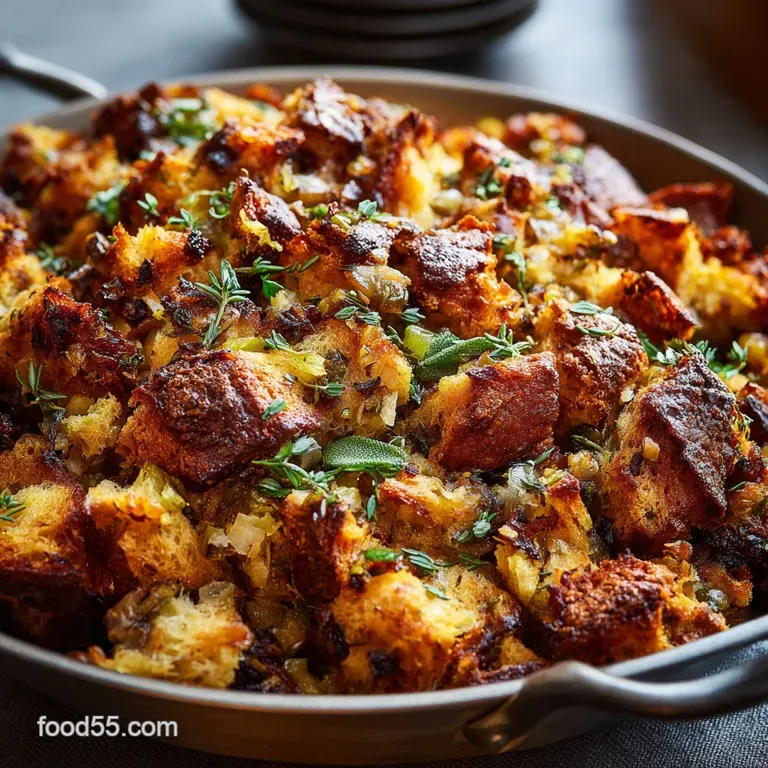
- The Ultimate Sourdough and Sage Thanksgiving Stuffing Recipe
- The Science of Perfect Stuffing: Why Sourdough Beats Standard White Bread
- Essential Ingredients for Superior Thanksgiving Stuffing (and How to Substitute)
- Step-by-Step Guide: Building Depth of Flavor for Your Holiday Stuffing
- Mastering Moisture and Crispness: Expert Tips and Troubleshooting
- Preparing Ahead: Safe Storage and Freezing Instructions
- Serving Your Stuffing: Ideal Pairings for the Thanksgiving Plate
- Recipe FAQs
- 📝 Recipe Card
The Ultimate Sourdough and Sage Thanksgiving Stuffing Recipe
You know that deep, savoury aroma that instantly signals the start of the holidays? That complex mix of roasted sage, caramelized onion, and butter is pure, unadulterated comfort. This is the Thanksgiving stuffing recipe that delivers that exact feeling, giving you those coveted crunchy edges while keeping the centre perfectly moist and impossibly flavorful.
I used to stress about making enough sides, but honestly, homemade stuffing is the ultimate lifesaver for the big meal. It’s incredibly cheap to make, and you can prep almost everything the day before. Plus, cooking the dressing outside the turkey is non-negotiable for superior texture and safety, seriously.
So ditch the boxed mix and let’s talk technique. We are leveraging the structure of sourdough bread and absolutely drowning it in butter and fresh herbs. Trust me on this one; this classic method guarantees the best texture you will ever experience.
The Science of Perfect Stuffing: Why Sourdough Beats Standard White Bread
We aren't just throwing things in a pan here; we are building architecture. The perfect stuffing is a delicate balance between crunch, moisture, and intense aromatic flavor. It’s actually simple kitchen chemistry.
Stuffing vs. Dressing: Settling the Culinary Debate
Okay, pedantic chef hat on for a second: technically, this is dressing . When the mixture is cooked inside the turkey cavity, it's called stuffing. When you cook it separately in a casserole dish, it’s dressing, which is infinitely superior because you get maximum surface area for those crispy, butter soaked edges.
I still call it Homemade Thanksgiving Dressing , but whatever you call it, make it outside the bird!
The Anatomy of a Perfect Bite: Crisp Top, Moist Center
The secret to avoiding the dreaded dry brick (or worse, the soggy mess) is understanding steam and fat. The high fat content (butter) ensures delicious flavor and helps crisp the outside. Baking it covered first steams the interior, locking in that critical moisture.
Why Sourdough is the Only Bread You Need for This Dish
Sourdough is a miracle ingredient for Moist Stuffing Recipes For Thanksgiving . Its sturdy crust and tighter crumb structure absorb the liquid without collapsing immediately.
Unlike soft white bread, sourdough maintains its shape, meaning you get distinct, tender cubes in the final bake, not just a flavour paste.
Achieving Maximum Crunch: The Importance of Fully Dried Cubes
This is the single biggest failure point, and I made this mistake for years. If the bread isn't bone dry, it immediately turns into slop when the stock hits it. You need completely stale, hard cubes so they act like sponges, absorbing the stock slowly and evenly.
This step is non-negotiable for that crispy, golden finish.
The Crucial Ratio: Ensuring Optimal Fat, Stock, and Herb Measurement
We use a large amount of butter because fat carries flavor and promotes browning. The ratio of aromatics (celery/onion) to bread is important too; too many veggies, and your dish tastes vegetal, but too few, and it's boring.
You need that perfect balance of bread bulk, aromatic punch, and just enough warm stock to moisten, but not saturate.
Binder Breakdown: Eggs or No Eggs for Ideal Texture?
A couple of lightly whisked eggs are essential in this classic stuffing recipe . They act as a subtle binder, holding the stuffing together so it doesn't completely crumble when served.
However, be wary: too many eggs, and you end up with a dense, heavy casserole, closer to savory bread pudding than light, fluffy dressing.
Essential Ingredients for Superior Thanksgiving Stuffing (and How to Substitute)
You don’t need a huge list, but you do need quality ingredients, especially fresh herbs. If you're looking for an easy Thanksgiving Stuffing recipe , focusing on good butter and stock is half the battle.
| Ingredient | Why it Matters | Substitution Option |
|---|---|---|
| Sourdough Bread | Holds shape against liquid and adds tang. | Rustic Italian loaf or French bread. |
| Unsalted Butter | Fat for browning and rich flavor vehicle. | high-quality olive oil (dairy-free). |
| Fresh Sage/Thyme | The quintessential holiday flavor profile. | Reduce to 1/3 the amount if using dried herbs. |
| Chicken Stock | Flavour and moisture delivery. | Turkey stock, low-sodium vegetable stock, or mushroom broth. |
Preparing the Sourdough Cubes: Staling Versus Oven Drying
I always buy my bread two days early and cube it up right away. Letting it sit out overnight allows natural staling. If you forget (I’ve been there!), tossing the cubes with a tablespoon of olive oil and baking them at 300°F for 40 minutes until hard is the fastest way to get perfect dry bread.
Selecting Your Aromatics: Celery, Onion, and Quality Sage
Dice the onions and celery finely and evenly. Consistency matters! Use fresh sage and thyme, absolutely. Dried herbs lack the complex oils, and this dish relies entirely on their fragrant flavor.
Getting Richness Right: Butter Quality and Quantity
Seriously, use the whole stick of butter. It sounds like a lot, but this is Thanksgiving! The butter is key to sautéing the aromatics and coating the bread cubes, ensuring a golden brown crust.
Choosing the Best Stock: store-bought Versus Homemade Broth
I prefer low-sodium chicken stock because it gives a good baseline flavor without overpowering the herbs. If you have time to make homemade turkey stock after boiling the turkey neck, that's even better, but keep it low-sodium so you can control the final seasoning.
step-by-step Guide: Building Depth of Flavor for Your Holiday Stuffing
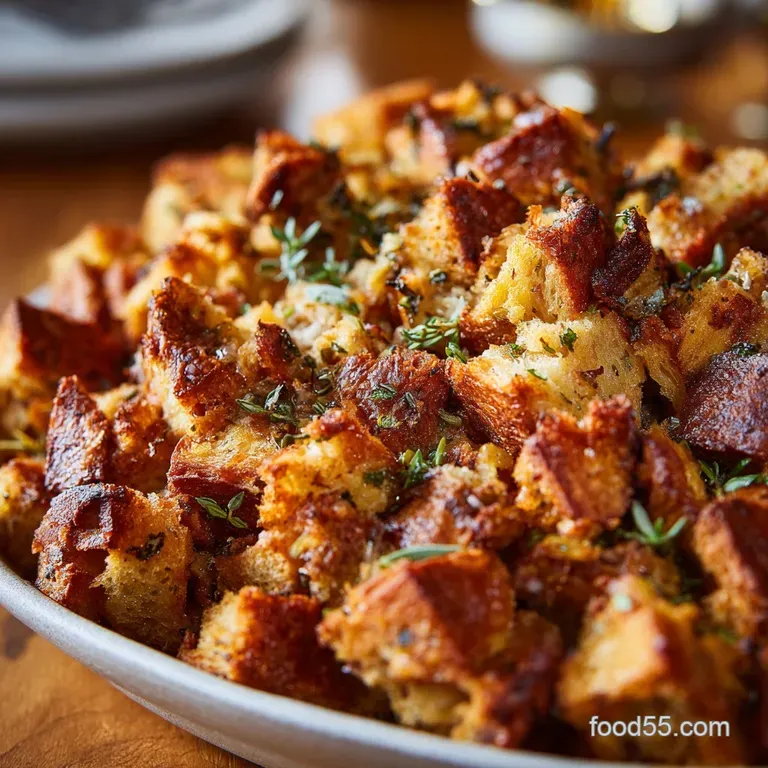
Sautéing the Mirepoix (Aromatics) Until Translucent and Sweet
Melting the butter slowly over medium heat is key. Add the diced celery and onion, then cook them for a solid 8 to 10 minutes. We aren't frying them; we are softening them until they are beautifully translucent and sweet.
Adding the garlic and fresh herbs only in the final minute prevents them from burning and keeps their flavour potent.
Tossing and Mixing: Gently Combining Dry Bread and Wet Ingredients
Put those dry cubes in your biggest mixing bowl. Add the butter/aromatic mixture first, coating the cubes with fat. Then, pour the whisked egg over everything. Finally, ladle in the warm stock very gradually, tossing gently. Handle the bread like glass —we are coating, not mashing.
The Perfect Pan Prep: Ensuring a Golden, Non-Stick Bottom
Grease your baking dish generously with softened butter. That base layer of butter is going to caramelize the bottom most layer of stuffing, giving you a beautiful, crispy bottom edge that won’t stick to the glass. Do not skip this step!
Two-Stage Baking: Covering for Moisture, Uncovering for Color
Transfer the mixture to the pan, keeping it lofty and loose (don't pack it down!). Bake it covered tightly with foil for the first 25 minutes. This steaming action ensures the centre heats through and stays moist.
Pull the foil off for the last 20 minutes to achieve that coveted golden brown, crispy top layer.
Chef's Note: If you want an even crispier surface, brush the top lightly with a tablespoon of melted butter right before the final uncovered bake. It’s worth the extra few calories.
Mastering Moisture and Crispness: Expert Tips and Troubleshooting
Mistake 1: Over Saturating the Bread (The Mushy Stuffing Fix)
Did you accidentally add too much stock? Don't panic! The easiest fix is to quickly bake another half batch of dried bread cubes (about 2 cups worth) and gently fold them into the saturated mixture. These fresh, dry cubes will soak up the excess liquid and restore the texture.
You can see how this technique is essential, especially if you are working on a larger batch, like the one in my [Homemade Stuffing: Classic Stuffing Recipe with Crispy Edges].
How to Fix Stuffing That Looks Too Dry Midway Through Baking
If you peek 15 minutes into the covered bake and the edges look like they are shriveling, your mixture was too dry initially. Take a moment to gently lift the foil, pour about half a cup of warm stock evenly over the top, and quickly replace the foil.
The steam will redistribute the moisture, saving your stuffing from ruin.
Achieving Deep Caramelization: The Key to Savory Flavor
The key flavor components here come from two places: the deeply sautéed onions and the golden brown crust. If your aromatics aren't cooked long enough, the flavor is harsh and sharp. Cook them until they almost melt, and you get that deep, sweet savoriness we are looking for.
Temperature Check: Knowing When Your Stuffing is Truly Done
Since this stuffing contains egg, we need to ensure it reaches a safe internal temperature. Using a probe thermometer, check the center; it should hit 165°F (74°C). This ensures safety and guarantees the eggs have set, preventing a runny center.
Preparing Ahead: Safe Storage and Freezing Instructions
Making stuffing the day before is the ultimate holiday move; it saves precious oven space and reduces stress dramatically. If you want a deep dive into the technique, check out my guide on [MakeAhead Thanksgiving Dressing for a Stress Free Holiday Feast].
make-ahead Method: Assembling the Mixture 24 Hours Prior
You can assemble the mixture completely (Steps 1 through 3, including the stock) and place it into the greased baking dish. Cover it tightly with plastic wrap and refrigerate for up to 24 hours.
Pull it out of the fridge about 45 minutes before baking to take the chill off, then proceed with the two-stage baking process as written.
Safe Handling Temperatures for Reheating Leftover Stuffing
Leftovers are amazing, but handle them safely. Store cooled stuffing in an airtight container in the fridge for up to 4 days. To reheat, bake uncovered at 325°F (160°C) until the internal temperature reaches 165°F (74°C). If it looks dry, sprinkle a little water or stock over the top before reheating.
Serving Your Stuffing: Ideal Pairings for the Thanksgiving Plate
Stuffing is the perfect counterbalance to roasted meat and tart sauces. It needs components that cut through all that rich butter and savory herb flavor.
- Classic Turkey Gravy: Absolutely mandatory. This savory dressing is meant to soak up a generous ladle of thick, glossy gravy.
- Tangy Cranberry Sauce: The sweet tart punch of homemade cranberry sauce is essential. It’s brilliant how the tartness contrasts with the richness of the sourdough dressing.
- Green Bean Almondine: You need something fresh and green. The lightness of a simply prepared green vegetable is the perfect textural break.
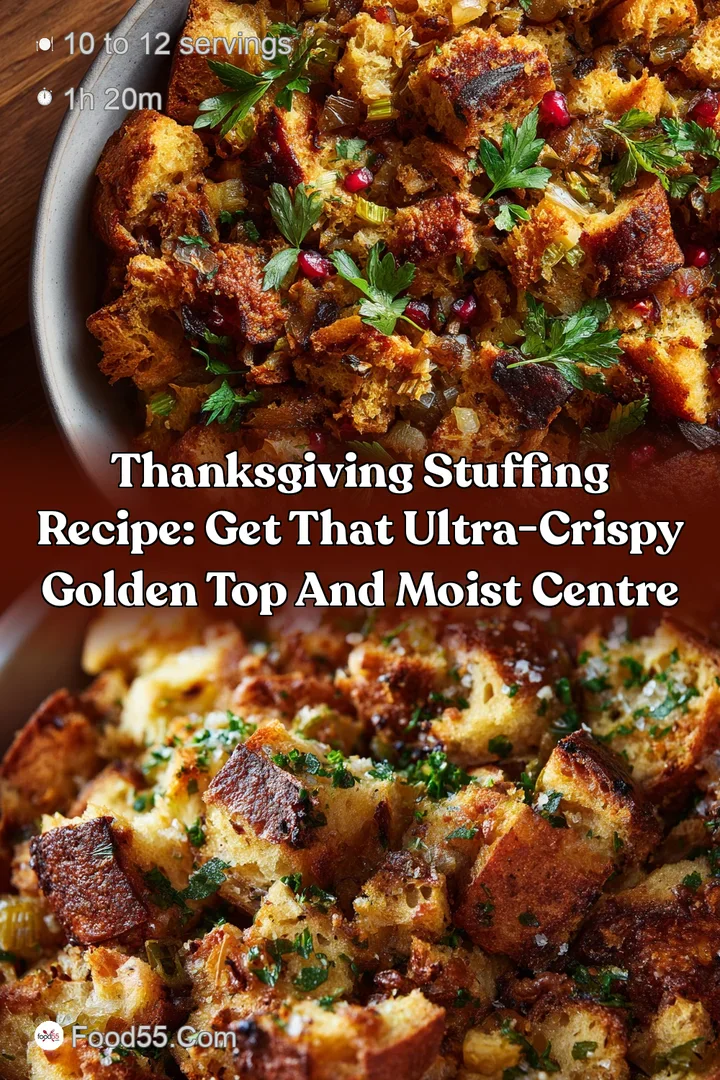
Recipe FAQs
Why is my stuffing dry and crumbly instead of moist?
Dryness typically results from insufficient liquid absorption or baking the mixture uncovered for too long. Ensure you measure your stock and eggs accurately, and try covering the stuffing with foil for the first 30 minutes of baking to trap moisture.
If it appears dry before baking, incorporate an extra splash of warm stock mixed with a beaten egg.
Can I prepare the stuffing mix the day before Thanksgiving?
Absolutely; assembling the stuffing 12 to 24 hours in advance is a great time saver. Combine all ingredients, transfer them to the baking dish, cover tightly, and refrigerate. When ready to bake, allow the dish to sit at room temperature for about 30 minutes before placing it in the oven, and add 5 to 10 minutes to the total baking time.
How can I make this recipe vegan or vegetarian?
To make the stuffing vegetarian, simply use a high-quality vegetable broth instead of chicken or turkey stock. For a completely vegan version, substitute the butter with a good plant based butter alternative and skip the egg binder, increasing the stock slightly to achieve the necessary moisture.
Ensure your sourdough bread does not contain dairy products.
My stuffing seems too soggy or mushy before baking how do I fix it?
Sogginess usually means the bread was not dried out sufficiently before mixing, or the liquid ratio is too high. To correct this, gently fold in a handful or two of extra, very dry, toasted sourdough cubes until the mixture holds its shape without being saturated.
If it’s already baking, remove the foil and increase the oven temperature slightly for 10 minutes to help evaporate surface moisture.
Is it safe to cook this stuffing inside the turkey?
While historically done, culinary experts strongly recommend cooking stuffing outside the bird (calling it "dressing"). Stuffing inside the turkey must reach 165°F (74°C) for food safety, which often leads to the turkey breast drying out while you wait for the center of the stuffing to cook.
Cooking it separately guarantees a perfect texture and golden crust.
Can I use other bread besides sourdough for this recipe?
Yes, you can substitute the sourdough with crusty French bread, rustic Italian loaf, or even hearty cornbread. The key is ensuring the chosen bread is properly dried out either by toasting it in the oven or leaving the cubes out overnight to prevent it from dissolving when the hot stock is added.
What is the best way to store and reheat leftover stuffing?
Leftover stuffing should be cooled quickly and stored in an airtight container in the refrigerator for up to four days. It also freezes well; wrap tightly and freeze for up to two months, reheating it covered in the oven to maintain moisture.
For reheating, cover it with foil and bake at 350°F (175°C) until piping hot.
Sourdough Sage Thanksgiving Stuffing
Ingredients:
Instructions:
Nutrition Facts:
| Calories | 375 kcal |
|---|---|
| Fat | 20 g |
| Fiber | 3.5 g |
