Linguine with Clams: the Classic Seaside Supper
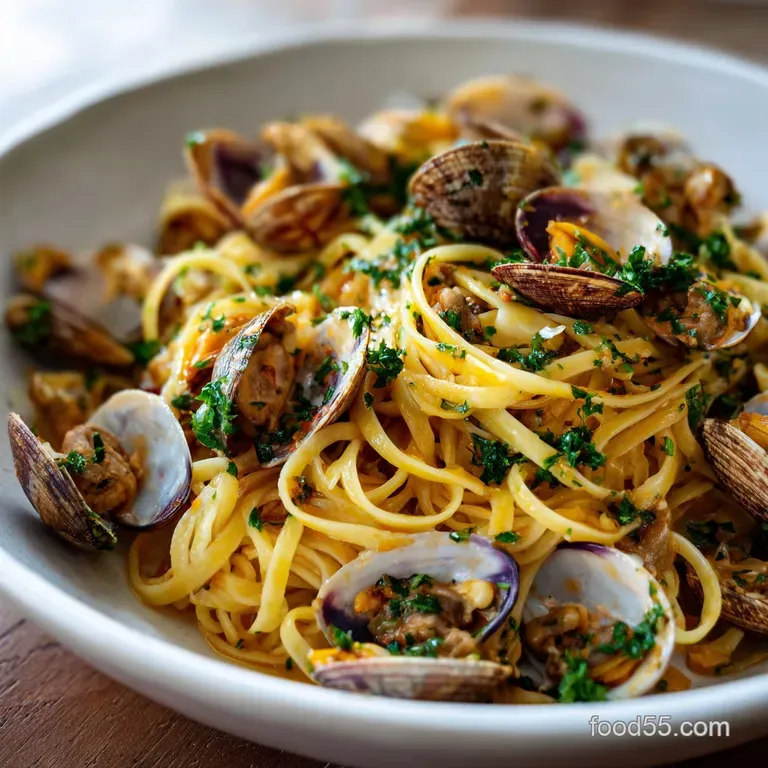
- The Joy of Linguine alle Vongole: A Taste of the Italian Coast
- Mastering the Vongole Sauce: Flavor Science Explained
- Essential Components for Authentic Clam Pasta
- The Method: Cooking Perfect Linguine with Clams
- Expert Troubleshooting and Chef’s Secrets
- Storing Leftovers and Reheating Safely
- Pairing Your Seaside Meal: What to Serve Alongside
- Recipe FAQs
- 📝 Recipe Card
The Joy of Linguine alle Vongole: A Taste of the Italian Coast
Close your eyes and imagine the perfect summer evening. You hear the waves, maybe smell a hint of salt spray, and definitely, definitely, you smell the rich, garlicky aroma rising from a shimmering bowl of pasta. That, my friends, is the magic of authentic Linguine with Clams .
It’s bright, it’s garlicky, and it transports you immediately to the sun-drenched coast of Naples, no airline ticket required.
Seriously, this recipe for Linguine with Clams is a lifesaver. It looks incredibly elegant, demanding oohs and aahs from anyone you serve it to, but it takes less than 35 minutes of actual hands-on cooking.
Forget heavy cream sauces or massive grocery lists; this is all about simplicity, letting the fresh, briny flavor of the clams do all the heavy lifting.
I spent years trying to recreate the beautiful, clinging sauce I first had in Sorrento. I messed it up plenty burnt garlic, watery broth, chewy clams but I finally cracked the code.
Now I'm sharing the absolute, no-fail method for making the most stunning Linguine with Clams you will ever taste. Let’s crack on.
Mastering the Vongole Sauce: Flavor Science Explained
What Makes the In Bianco Method Superior?
The in bianco method (literally, "in white") relies on just four fundamental components: good olive oil, garlic, white wine, and the natural clam liquid. Why is this superior for Linguine with Clams ? Because you aren't masking the delicate seafood flavor.
Many Americanized recipes drown the clams in heavy cream or thick tomato sauce, but here, the focus is pure, oceanic depth. You get the clam, unadulterated, wrapped in a shimmering, garlicky hug.
Why This Dish Deserves Prime Spot in Your Rotation
It’s fast. That’s the primary reason. If you’ve properly purged your clams ahead of time, the entire cook time for a generous serving of Linguine with Clams is about 20 minutes.
It uses minimal heat and fuss, making it perfect for summer cooking, yet it feels completely luxurious and sophisticated. It proves that some of the very best food requires the least effort, provided you respect the ingredients.
The History of Spaghetti (or Linguine) with Clams
While many versions use spaghetti, Linguine alle Vongole is perhaps the most famous iteration, and it has roots firmly planted in the Southern Italian region of Campania, particularly Naples. The poor coastal communities needed hearty, accessible food, and clams were plentiful.
They combined them with inexpensive dry pasta, creating a dish that has since become a global favorite. It’s proof that necessity truly is the mother of delicious invention, and it tastes incredible when paired with fresh, briny clams.
The Magic of Emulsification: Starchy Pasta Water Meets Olive Oil
Listen up, this is the single most important lesson for achieving a truly phenomenal Linguine with Clams white sauce . You cannot just drain the pasta and dump it into the clam broth.
When you reserve that starchy pasta water and then vigorously toss the par-cooked linguine in the clam liquid and olive oil, the starch acts as a binder. It fuses the fat (oil/butter) and the liquid (clam broth/wine) into a glossy, thick, cohesive sauce that coats every single strand.
If you skip this, your sauce will be watery and sad.
The Role of White Wine in Extracting Briny Depth
A splash of dry white wine does two key things: First, it deglazes the pan, lifting all those caramelized garlic and chili flavors off the bottom. Second, and crucially, the acidity helps the clams open more readily and enhances the savory depth of their natural brine.
It’s not just for flavor; it’s for function. Don't use anything sweet; a crisp Pinot Grigio or Sauvignon Blanc is perfect for the best Linguine with Clams .
Achieving Perfectly Al Dente Linguine Texture
Since we are finishing the Linguine with Clams in the sauce, you absolutely must pull the pasta out of the boiling water 2– 3 minutes before it is fully cooked (the al dente stage).
This means the pasta finishes absorbing the liquid right in the flavorful clam sauce, soaking up all that incredible garlic and wine flavor. The goal is to avoid soggy pasta at all costs.
Essential Components for Authentic Clam Pasta
Choosing the Best Vongole (or Substitute Clams)
I usually go for Littleneck or Manila clams. They are accessible, plump, and have that sweet, distinctive brine. You must make sure they are alive; if they are sitting in the seafood case, they should smell fresh like the ocean, not fishy.
If you absolutely cannot find them, good quality mussels can be substituted, but adjust the steaming time down slightly.
| Ingredient | My Recommendation | Viable Substitute |
|---|---|---|
| Clams | Fresh Littlenecks or Manilas | Mussels or Cockles (adjust cook time) |
| Linguine | high-quality Italian bronze die | Spaghetti or Fettuccine |
| White Wine | Dry Pinot Grigio or Vermentino | Low-sodium chicken broth |
| Chilli | Red Pepper Flakes | Dash of Calabrian chili oil (at the end) |
The Right Olive Oil, Garlic, and Chilli Ratio
This is where many home cooks fail the Linguine with Clams recipe . You need a lot of good quality olive oil almost half a cup. This creates the richness and necessary fat for the emulsification.
You also need an unapologetic amount of garlic (I use 6 big cloves, sliced thin). The chilli is critical; it provides a necessary spike of heat that cuts through the richness of the oil and brine. This isn’t a subtle dish; it needs bold aromatics.
Should You Use Dried or Fresh Parsley?
NEVER use dried parsley in this dish. Seriously, don’t even think about it. Fresh flat leaf parsley is mandatory for Linguine with Clams . It provides essential color, a fresh, herbaceous note, and a lightness that keeps the rich sauce from feeling heavy.
We stir it in right at the end to maximize its vibrancy.
Selecting the Ideal Pasta Shape (Why Linguine Works Best)
Linguine, meaning "little tongues," is perfect because its slightly flattened, elongated shape grabs the sauce beautifully. Spaghetti works fine, but linguine provides a better surface area to hold that thin, shimmering Linguine with Clams sauce .
The little ridges help hug the liquid, preventing it from pooling at the bottom of the bowl.
The Method: Cooking Perfect Linguine with Clams
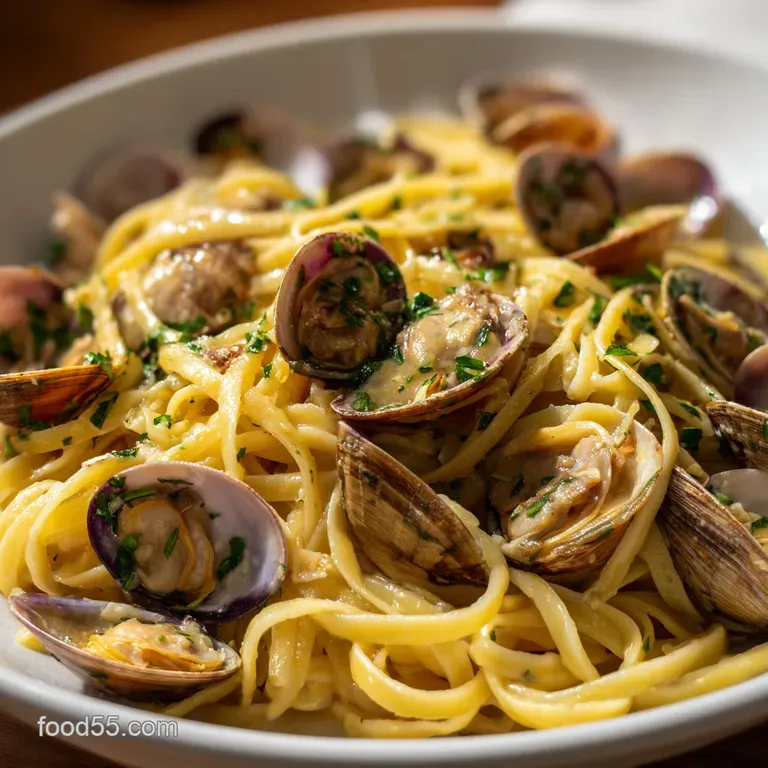
Preparing the Clams: Purging and Inspection
This is the most important prep step, and yes, it requires patience. Put your clams in cold, salty water for at least 30 minutes. This gives them time to spit out any sand and grit that they are holding onto.
Pro Tip: If you skip this, your beautiful Linguine with Clams will have a gritty texture, and there is nothing worse than that. Scrub the shells and then tap any clams that are open. If they don’t close immediately, they were dead; throw them out.
Building the Flavor Base: Sautéing Aromatics
Heat the half cup of olive oil over medium low heat. Add the sliced garlic and chilli flakes. Your goal here is to cook the garlic very, very slowly until it’s fragrant and translucent about 3 to 4 minutes. Do not let the garlic brown.
If it turns golden, it’s releasing bitter compounds, and your delicate seafood pasta is ruined. Low and slow, always.
The Critical Step: Steaming the Clams Open
Once the garlic is fragrant, crank the heat to medium high and pour in the white wine. Let it bubble furiously and reduce for about two minutes. Then, dump in the cleaned clams and immediately clap a lid on the pan. The wine and heat will steam them open in about 5– 7 minutes.
Shake the pan occasionally to help them along. When they open, they release their precious, salty liquid.
Chef’s Note: Once 90% of your clams are open, turn off the heat immediately. Overcooked clams are rubbery and tough, making your beautiful Linguine with Clams chewy. Remove the lid and immediately discard any clams that stubbornly refused to open.
Tossing and Finishing: Achieving the Silky Sauce
Remember that par-cooked linguine? Toss it directly into the skillet with the clam broth. Now, here comes the magic: ladle in about half a cup of your reserved starchy pasta water. With tongs, toss the pasta aggressively over high heat. Lift, swirl, lift, swirl.
You will see the thin liquid transform right before your eyes, turning into a creamy, luscious sauce that sticks to the pasta. This is how you achieve the professional grade texture for your Linguine with Clams . If it looks too dry, add another splash of the starchy water.
Finally, remove it from the heat and stir in the fresh parsley and black pepper.
Expert Troubleshooting and Chef’s Secrets
How to Save a Broken Clam Sauce Emulsion
If you added your pasta water but the sauce still looks oily and separated, don’t panic! This happens if your pan was too cold or you didn’t toss vigorously enough. The fix? Add one tablespoon of cold unsalted butter right into the pan and toss rapidly.
The butter acts as a strong binder and re-emulsifier, instantly bringing the sauce back together into a smooth, glossy finish for your Linguine with Clams .
Dealing with Clams That Refuse to Open
You had a few stubborn clams? It happens. As long as you vigorously purged them, the un-opened ones should be discarded. A closed clam usually indicates it was dead before cooking, and we don’t mess with potentially bad shellfish. It's better to lose a few than risk the whole dish.
Maximizing Brine Flavor Without Adding Extra Salt
The clams provide all the salt you need! But if you want a deeper oceanic flavor without adding table salt (which can make the dish taste sharp), use a high-quality fish sauce (just half a teaspoon) when you deglaze with the wine. Trust me on this. It adds an incredible depth of umami to the final Linguine with Clams white sauce . If you are looking for other intensely flavored dishes, you might love my spring meals: Creamy Risotto with Scallops Wild Garlic — it uses similar briny techniques.
The Importance of Tossing Off the Heat
Always finish the last layer of flavor the fresh parsley and butter— off the heat. If you keep cooking, the heat will dull the bright color and flavor of the parsley and break the delicate emulsion you just worked so hard to create.
Linguine with Clams needs that final burst of freshness.
Storing Leftovers and Reheating Safely
Best Practices for Refrigerating Clam Dishes
Leftover Linguine with Clams will keep beautifully in the fridge for up to 2 days. Store it in an airtight container immediately after cooling. The shells can be left in, but sometimes I remove them just to save space.
Remember that seafood pasta is sensitive, so strictly observe that 48 hour limit.
Freezing Vongole: Is It Recommended?
No. Just absolutely not. While the cooked clams themselves could technically be frozen, the delicate sauce and the pasta texture will suffer horribly. The emulsification will break completely upon thawing, leaving you with dry pasta and oily, watery sauce. This is a dish meant to be eaten immediately. If you need a dish that freezes better, try my recipe for Date Palm Recipe: Ultimate Sticky Date Loaf with Whisky Sauce — it's designed to withstand freezing! This Linguine with Clams is not.
Pairing Your Seaside Meal: What to Serve Alongside
The inherent lightness of a great Linguine with Clams means you don't need heavy sides. A simple, crisp green salad tossed with a bright vinaigrette is perfect. Don't forget that crusty bread for soaking up the sauce.
That leftover clam liquid mixed with garlic, olive oil, and wine is pure gold; it deserves to be mopped up completely. This truly is the ultimate, elegant, and speedy Linguine with Clams preparation. Enjoy every single slurp!
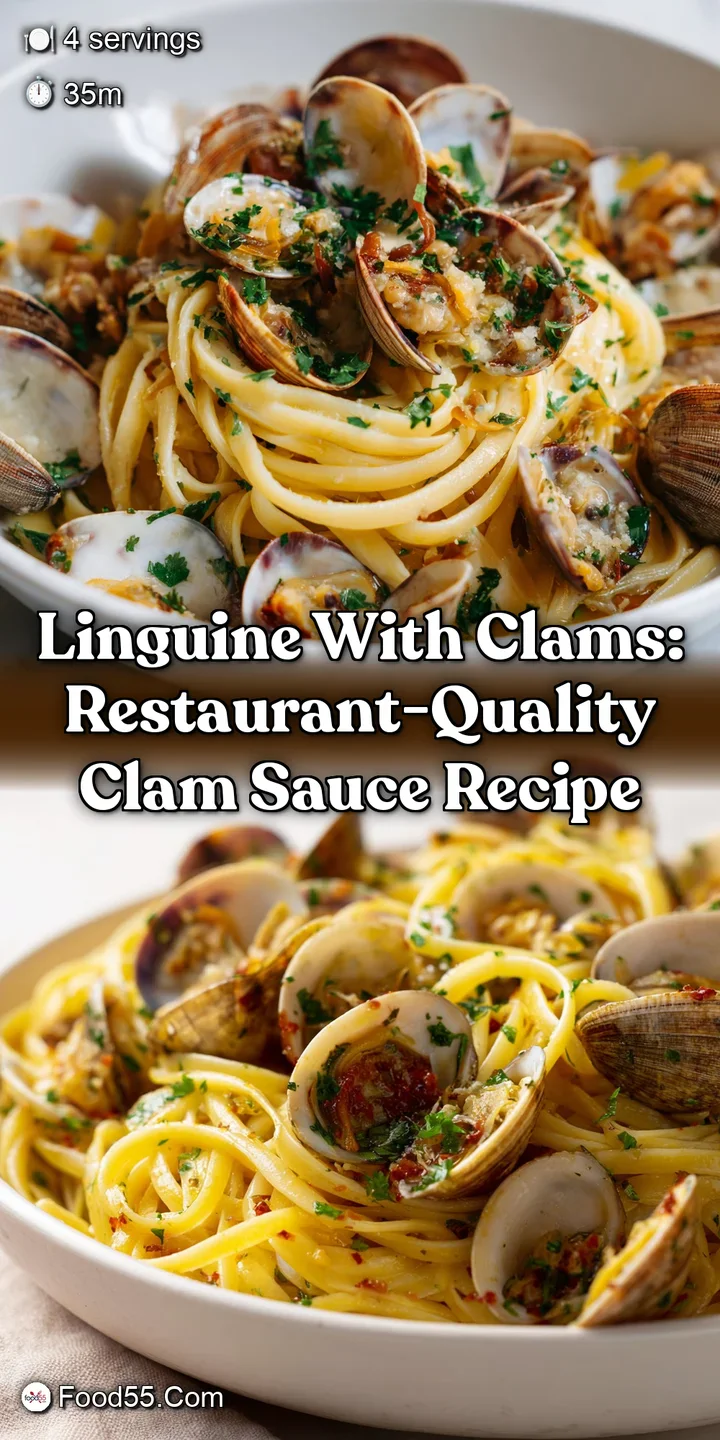
Recipe FAQs
What is the secret to getting a deep, restaurant quality clam flavour, similar to recipes popularized by chefs like Ina Garten?
The deepest flavour comes from properly building the sauce base before the clams even open; this involves sautéing the aromatics and deglazing the pan with white wine, ensuring the alcohol fully evaporates.
Crucially, you must vigorously toss the pasta in the sauce during the last minute of cooking, which emulsifies the clam liquor, starchy pasta water, and olive oil into a cohesive, flavourful coating.
What is the best white wine to use for the sauce, and can I omit the alcohol?
Use a crisp, dry white wine like Pinot Grigio, Sauvignon Blanc, or Vermentino, as sweeter wines will detract from the delicate, briny seafood flavour. If omitting the alcohol entirely, substitute the wine volume with high-quality clam broth or fish stock, ensuring you add a small squeeze of fresh lemon juice at the end for essential acidity.
Can I successfully substitute fresh clams with canned clams?
Yes, canned clams are a convenient and affordable substitute, but you must reserve all the canning liquid, as this briny stock is crucial for the sauce base. For the best texture, only add the drained canned clams during the final 30 seconds of cooking, as prolonged heat will quickly make them tough and rubbery.
How do I adapt this classic in bianco (white) recipe to include tomatoes (in rosso)?
To prepare the in rosso (red) variation, start by adding about 1/2 cup of finely diced cherry tomatoes or crushed San Marzano tomatoes after the white wine has reduced. Simmer the tomatoes for a few minutes until they break down slightly and the mixture thickens before adding the fresh clams to steam open.
Why did my sauce end up too thin or too dry, and how can I fix it?
If the sauce is too thin, temporarily remove the clams, increase the heat, and rapidly reduce the liquid; swirling in a small knob of cold butter (known as montare al burro) also aids emulsification.
If the sauce is too dry, immediately add a ladleful of the reserved starchy pasta cooking water while tossing vigorously to create body and moisture.
How can I speed up this recipe for a quick weeknight meal?
Since clams cook rapidly (5 8 minutes), the main time saver is ensuring all ingredients are fully prepped before you start cooking, including having the garlic sliced and the wine measured out.
The entire cooking process can be streamlined by starting the sauce base simultaneously while the pasta water comes to a boil, ensuring the pasta is ready to meet the sauce immediately.
How should I handle leftover clam linguine, and is it safe to freeze?
Clam dishes are best consumed immediately, but leftovers can be safely stored in the refrigerator for up to two days in an airtight container. When reheating, do so gently on the stovetop, adding a splash of water or wine to prevent the pasta from drying out, but avoid freezing, as the clam meat will become highly rubbery when thawed.
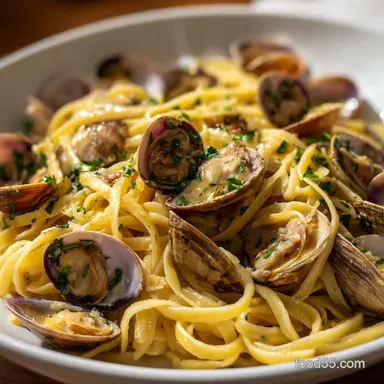
Speedy Linguine With Clams
Ingredients:
Instructions:
Nutrition Facts:
| Calories | 817 kcal |
|---|---|
| Protein | 33.1 g |
| Fat | 36.3 g |
| Carbs | 74.8 g |
