Gluten Free Meatballs: Ultimate Tender Italian-American Recipe
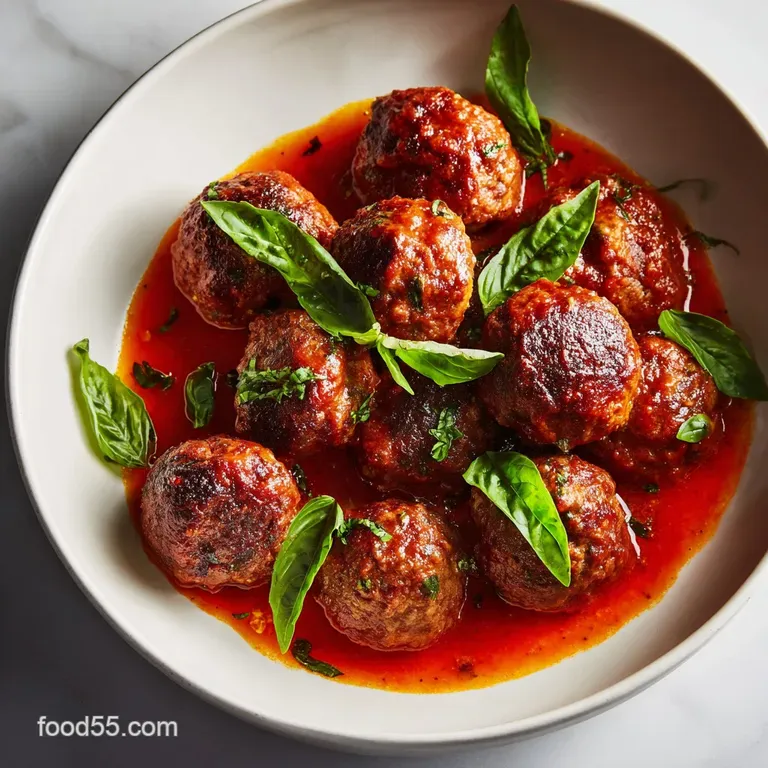
- The Quest for Perfect gluten-free Meatballs: Tender, Juicy, and Flavorful
- The Science of Tenderness: Achieving Juiciness Without Breadcrumbs
- Essential Ingredients for the Best gluten-free Meatballs Recipe
- Step-by-Step: Forming and Cooking Your Tender Meatballs
- Mastering the Technique: Chef's Notes and Troubleshooting
- Making Ahead: Storage and Freezing Your Meatballs
- Pairing Perfection: How to Serve These Delicious Italian Meatballs
- Recipe FAQs
- 📝 Recipe Card
The Quest for Perfect gluten-free Meatballs: Tender, Juicy, and Flavorful
Oh my gosh, you have to try these. When that pot of sauce starts simmering, filling the whole kitchen with basil and oregano, you know everything is right in the world. This is the definitive recipe for incredible gluten-free Meatballs , delivering that classic, melt-in-your mouth Italian texture that everyone craves.
They hold their shape perfectly, yet somehow remain beautifully tender it’s magic.
Life is hectic enough without spending three hours on Sunday dinner, right? These gluten-free Meatballs are a total lifesaver because the prep is minimal, they freeze like a dream (huge batch cooking win!), and they’re way cheaper and tastier than anything you'd find pre-made.
You don't have to choose between convenience and flavor anymore.
Stop suffering through dry, crumbling pucks of meat claiming to be Italian. I spent years perfecting this method, and trust me, it’s all about the binder. Forget the gritty, flavorless fillers; let’s dive into how we create the most tender, moist, and unforgettable gluten-free Meatballs you will ever make.
Say Goodbye to Dry, Crumbly GF Meatballs
If you’ve tried making gluten-free Meatballs before and ended up with something that felt like a bouncy rubber ball, I see you. That happens when people overcompensate for the lack of gluten binder by adding too much dry flour or omitting the binder altogether.
We need structure, yes, but we also need moisture carriers.
Why Texture Matters in Traditional Italian American Cooking
The beauty of a true Italian American meatball lies in its dual personality: it has a crisp, browned exterior (thanks to searing) and a deeply soft, almost velvety interior (thanks to the panade). This texture is non-negotiable.
If you're going GF, you can't just throw in some rice flour and call it a day; you have to replicate that spongy network that locks in the juices. My recipe for the ultimate gluten-free Meatballs focuses entirely on replacing that traditional bread structure effectively.
The Science of Tenderness: Achieving Juiciness Without Breadcrumbs
The single biggest mistake in making meatballs is treating the meat like a patty it’s not! The secret sauce here is the panade, which is a paste made from a starch soaked in liquid. This panade is what carries and locks in moisture when the meat fibers contract during cooking.
When you use regular breadcrumbs, they soak up the milk like tiny sponges, and then they release that moisture into the meat as it cooks slowly in the sauce. To make successful gluten-free Meatballs , we must achieve the same effect using high-quality gluten-free crumbs or oats.
We’re essentially making a gluten-free bread slurry before we introduce the meat. This guarantees a juicy result every single time.
I learned this the hard way after destroying a huge batch back in college. I thought, "Hey, I'll just skip the breadcrumbs entirely!" Disaster. They turned into dense, dry bullets.
The ratio of meat, fat, binder, and liquid is everything if you want these Easy gluten-free Meatballs to taste like nonna made them.
Essential Ingredients for the Best gluten-free Meatballs Recipe
If you start with great ingredients, you’re already 80% of the way to achieving the best gluten-free Meatballs . Don’t skimp on quality here. I love using a mix of beef and pork (80/20 beef is perfect) because the pork adds unparalleled flavor and tenderness that lean meat simply cannot deliver.
| Ingredient Role | My Recommendation | Viable Substitution |
|---|---|---|
| GF Binder | Certified GF Panko style Breadcrumbs | Finely ground GF Rolled Oats or Crushed GF Crackers. |
| Liquid | Whole Milk | Unsweetened Oat Milk or Rice Milk (for GF dairy-free Meatballs). |
| Fat/Meat | 80/20 Ground Beef + Ground Pork | Ground Lamb (adds a stronger flavour) or Ground Turkey (add extra fat, like a tablespoon of olive oil). |
| Cheese | Finely Grated Parmesan | Pecorino Romano or 2 Tbsp Nutritional Yeast (for dairy-free). |
The Secret Weapon: Creating the Ultimate GF Panade Substitute
The panade isn't just about bulk; it's about texture. We want that paste to be fully hydrated before it hits the meat. If you add dry crumbs straight into the mixture, they will suck the moisture out of your precious ground meat, making your gluten-free Meatballs dry.
We soak the binder first to stop this tragedy from occurring.
Locking in Moisture: The Milk Soaking Method Explained
This step is truly non-negotiable for tender, gluten-free Italian Meatballs . By soaking the GF breadcrumbs in milk (dairy or non-dairy, your choice), we pre-saturate them. When they hit the heat, the moisture stays trapped within the meatball structure instead of evaporating immediately.
This is the difference between good meatballs and magnificent meatballs.
Selecting Your Flavorful Seasonings and Herbs
Keep it simple, but use good quality dried herbs. Oregano is a must; it’s the backbone of Italian flavor. I also add a tiny bit of crushed fennel seed that’s the secret ingredient that gives the pork a hint of beautiful Italian sausage flavor.
Don’t skip the fresh parsley; it brightens up the entire flavor profile of the gluten-free Meatballs .
Optimal GF Binder Choices and Substitutions
I prefer using GF Panko crumbs if I can find them because they are lighter and give a wonderful airy texture. If you are using something denser, like finely ground certified GF rolled oats (which makes great Almond Flour Meatballs possible if you omit the milk and use almond flour instead!), ensure you grind them super fine so they incorporate seamlessly.
The goal is a paste, not a chunky oatmeal.
Chef's Note: If you are trying to make true gluten-free dairy-free Meatballs , simply swap the whole milk for unsweetened plant based milk and use nutritional yeast instead of Parmesan. The structural integrity will still be perfect, and the flavor remains robust.
step-by-step: Forming and Cooking Your Tender Meatballs
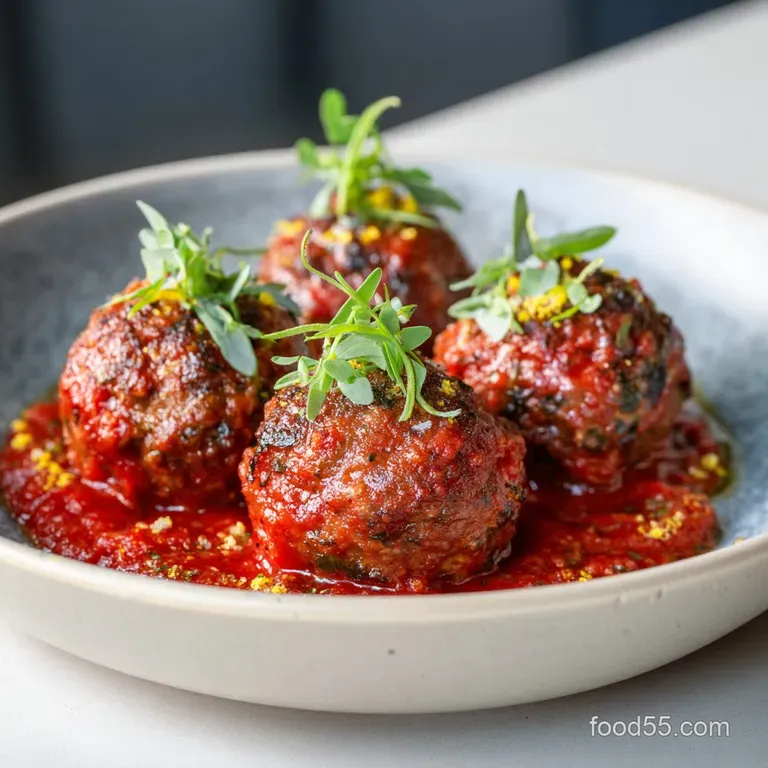
These steps are designed for speed and optimal texture. Remember the mantra: be gentle, be chilled, be patient.
Preparing the Binder Mixture First (The Panade Shortcut)
Start by combining your GF binder and milk in a separate bowl. Let it sit and get happy for about five minutes. While that’s soaking, grate your onion right into the mixture.
I learned years ago that grating the onion, rather than mincing it, prevents crunchy bits of onion in the final product and distributes flavor better. Add your garlic and parsley to this sticky, glorious panade.
Gentle Mixing for Maximum Airiness and Texture
When you combine the meat and the panade, your hands are your greatest tool, and also your greatest enemy. You must mix very gently. Add the meat last, then use claw hands or a rubber spatula to fold the ingredients together until they are just combined.
If you knead it like dough, you activate the proteins, and you will end up with tough gluten-free Meatballs . Stop mixing the moment you no longer see clear streaks of pure meat. Seriously, stop!
Achieving the Perfect Uniform Ball Shape and Size
Chilling is mandatory here. Once mixed, cover the bowl and chill for 30 minutes. This firms up the fat, making the mixture much easier to handle. When shaping your gluten-free Italian Meatballs , use slightly wetted hands or a standard 1.5 inch cookie scoop.
Uniform size matters because it ensures that all your meatballs cook at the same rate. Place them on a parchment lined sheet pan.
Browning and Slow Simmering for Deep Flavor Infusion
Searing is vital! Don't skip this step. Heat your oil until shimmering and sear the meatballs in batches until they have a beautiful, deep golden crust on all sides. This browning process the Maillard reaction adds incredible depth and complexity to the flavor that simple simmering cannot replicate.
Once they are nicely browned, you transfer them to your simmering marinara sauce. Cooking the meatballs fully in the sauce, rather than baking or boiling, means every single ounce of flavor from the meat releases into the sauce, enriching it profoundly.
Simmer them gently for about 30 to 35 minutes until they reach that magic internal temperature of 165°F (74°C). This ensures safe, tender gluten-free Meatballs every single time.
If you want to use a time saving method, you can adapt this recipe for gluten-free Meatballs Crockpot cooking, but you still need to sear them first for the flavor boost!
Mastering the Technique: Chef's Notes and Troubleshooting
Avoiding Over Mixing (The Path to Tough Meatballs)
This is the most crucial step, yet it's where most people fail when making any type of meatball. Over mixing develops the protein, resulting in a dense, chewy texture. Think of it like kneading bread; we want the opposite of chewy.
If you mix for longer than 60 seconds total after adding the meat, you’ve gone too far. Remember: just combined is perfect.
The Quick Test for Seasoning Adequacy
I always advise this: pinch off a tiny, teaspoon sized bit of the raw mixture before you start rolling. Fry it in a small pan until cooked through. Taste it. Is it salty enough? Do you want more pepper or fennel?
It’s a million times easier to adjust the seasoning now than trying to fix 20 rolled gluten-free Meatballs later.
How to Fix Meatballs That Are Too Wet or Sticky
If your mixture feels too wet after combining, don't panic. This usually happens if your grated onion was extra juicy or your GF binder wasn't absorbent enough. The solution is simple: Do not add flour.
Instead, add a tablespoon or two of extra dry GF binder (crumbs or oats) and mix it very gently just until the mixture is manageable. If it’s too dry, a splash of milk fixes it instantly.
Making Ahead: Storage and Freezing Your Meatballs
These are fantastic for meal prep. Who doesn’t want ready-to-go gluten-free Meatballs waiting in the freezer?
Freezing Raw vs. Cooked: Which is Better?
I prefer freezing the meatballs raw and fully shaped if I plan to use them within a month.
- To Freeze Raw: Place the shaped balls on a parchment lined sheet pan (don't let them touch). Freeze for 4 hours until solid. Transfer the frozen balls to a heavy duty freezer bag or airtight container. They keep well for up to 6 weeks.
- To Cook from Frozen (Raw): You can drop them directly into simmering sauce. They will need an extra 10– 15 minutes of cooking time in the sauce compared to fresh ones.
If you have a lot of leftover cooked meatballs in sauce, freeze them together in meal sized portions. They maintain their moisture beautifully this way.
Reheating Without Drying Them Out
The best way to reheat your stored gluten-free Spaghetti And Meatballs is slowly in their sauce. If they were previously cooked and refrigerated, place them in a small pot with the sauce and simmer, covered, over low heat for about 15 minutes until heated through.
Never microwave them unless you absolutely have to; it’s a fast track to dryness.
Pairing Perfection: How to Serve These Delicious Italian Meatballs
While everyone loves classic gluten-free Spaghetti And Meatballs , don't limit yourself! These robust, juicy gluten-free Meatballs are versatile enough to star in many different meals.
Beyond Spaghetti: Creative Serving Ideas
- Sliders: Serve them on small GF rolls, topped with melted provolone cheese and a drizzle of sauce.
- Polenta Base: They are amazing served over creamy, buttery polenta (which is naturally gluten-free).
- Appetizer Style: Make tiny versions and glaze them with a sweet, tangy sauce. If you’re looking for a holiday twist, check out my recipe for Christmas Cranberry Meatballs: Best Festive Glazed Appetizer Recipe — it’s a crowd pleaser.
- Soup Addition: Drop them into a hearty wedding soup or minestrone for a protein boost.
If you’re looking to branch out, perhaps try my recipe for Chicken Meatballs with Orzo: Zesty, Creamy One-Pan Dinner , though the preparation method is slightly different since chicken is so lean. These Italian American style gluten-free Meatballs truly stand on their own as the definition of comfort food. Enjoy, my friend! Now go make a batch and text me pictures!
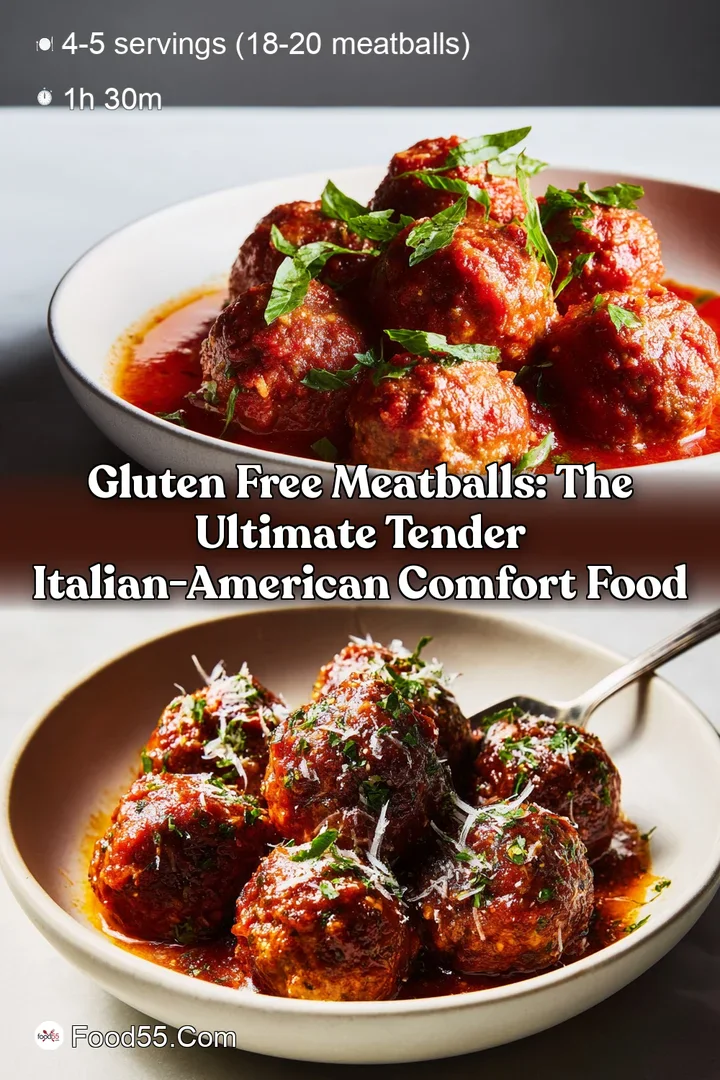
Recipe FAQs
Why are my gluten-free meatballs dry, even though I used the milk soaked binder?
Dryness is usually caused by overworking the mixture or overcooking. Ensure you mix only until the ingredients are just combined; excessive handling develops the protein in the meat, making them tough. Also, verify that the internal temperature does not exceed 165°F (74°C) during the initial cooking stage.
What is the best type of gluten-free binder substitute to use for maximum tenderness?
While packaged GF panko style crumbs work well for texture, certified gluten-free cracker meal or finely ground oats soaked in milk acts most effectively as a traditional panade. This process creates a gelatinous binder that holds rendered fat and moisture inside the meatball far better than dry crumbs.
Can I bake or air-fry these instead of pan-frying?
Yes, baking or air-frying is a healthier alternative, but you must brush the meatballs lightly with olive oil before cooking to prevent the exterior from drying out. Bake at 400°F (200°C) for 18-20 minutes, or air-fry at 375°F (190°C) until the internal temperature reaches 165°F (74°C).
My meatballs are falling apart when I try to cook them. What did I do wrong?
Meatballs often crumble if the mixture is too lean or if the binder ingredients were insufficient. Ensure you included the egg, which acts as the primary emulsifier, and did not squeeze excess moisture from the GF breadcrumb mixture before adding it. A brief rest in the refrigerator can also help firm them up.
Can I substitute the ground beef/pork mix with only ground turkey or chicken?
You can substitute the meat, but realize that leaner meats like poultry lack the necessary fat for true moisture. If using all turkey or chicken, use only dark meat or incorporate an additional tablespoon of olive oil or rendered bacon fat into the mixture to compensate for the lost juiciness.
How long can I freeze these meatballs, and should I cook them first?
You can freeze raw or fully cooked meatballs for up to three months if stored properly. For the best quality, freeze them cooked and sauced, or flash freeze the raw balls on a sheet tray before transferring them to a sturdy, airtight freezer bag to prevent freezer burn.
Can I prepare the meatball mixture ahead of time and refrigerate it before rolling?
Absolutely, preparing the mixture ahead is highly recommended and actually improves the results. Refrigerating the mixture for 1-12 hours allows the flavors to deepen and ensures the GF binder is fully hydrated, making the mixture much easier to roll and shape.
Tender gluten-free Meatballs Recipe
Ingredients:
Instructions:
Nutrition Facts:
| Calories | 300 kcal |
|---|---|
| Fat | 19 g |
| Fiber | 1 g |
