Tuna in a Salad Recipe: Creamy and Crisp
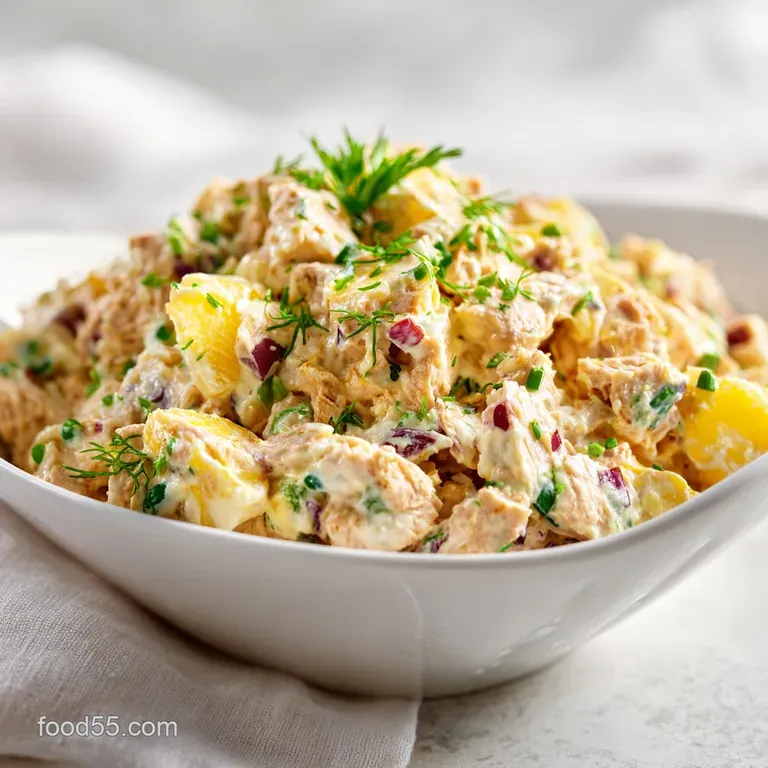
- Time: Active 15 minutes, Passive 0 minutes, Total 15 minutes
- Flavor/Texture Hook: Velvety, bright, and crisp
- Perfect for: Quick weekday lunches or a shared picnic spread
- Fresh Caught Vibes with this Easy tuna in a salad recipe
- The Secret to a Velvety Texture
- Planning Your Perfect Lunch Portion
- The Component Breakdown for Maximum Flavor
- Gathering Your Essentials
- The Basic Toolkit for Quick Prep
- Bringing the Layers Together Step by Step
- Fixing Texture and Taste Issues
- Fresh Ideas for Different Tastes
- Keeping it Fresh and Reducing Waste
- The Best Ways to Plate and Share
- Recipe FAQs
- 📝 Recipe Card
Fresh Caught Vibes with this Easy tuna in a salad recipe
That first hit of fresh lemon zest hitting the bowl is where the magic starts. There's something about that sharp, citrusy aroma mixing with the briny scent of the tuna that just wakes up the whole kitchen. I remember the first time I tried to make a "fancy" version of this for a family get together.
I got way too ambitious, adding a dozen different ingredients and over mixing the whole thing until it looked like a pale, flavorless paste. It was a total disaster, and honestly, a bit embarrassing to put on the table.
The lesson I learned that day was that simplicity is actually the goal. We don't need to hide the tuna; we need to celebrate it. By focusing on a few high-quality components, we create a dish that brings people together.
Whether it's a casual lunch shared between friends or a quick bite before a busy afternoon, the joy comes from that contrast of a creamy base and a crisp, fresh finish.
This approach transforms the humble canned tuna into something that feels intentional and bright. We're not just tossing things in a bowl; we're building layers of flavor. You've got the richness of the avocado oil mayo, the punch of Dijon, and the sudden, refreshing snap of celery.
It's a reliable, high protein meal that feels like a treat every time you make it.
The Secret to a Velvety Texture
Since we're keeping things simple, the magic happens in the way the ingredients interact. It's not about complex techniques, but about a few simple rules that make the texture feel professional rather than mushy.
- The Fatty Bind: The avocado oil mayonnaise creates a silky coating that prevents the tuna from feeling dry or grainy.
- Acidic Balance: Lemon juice and zest break down the "heaviness" of the fish, making the whole dish feel light and airy.
- Texture Contrast: Adding celery and red onion at the very end ensures they keep their snap instead of wilting into the sauce.
- Flake Control: Breaking the tuna into small flakes instead of a mash allows the dressing to coat every single piece evenly.
Planning Your Perfect Lunch Portion
Depending on who you're feeding, you might need to tweak the amounts. This table helps you decide how much to prep based on the crowd.
| Servings | Ingredient Adjustments | Pan/Bowl Size | Prep Time |
|---|---|---|---|
| 2 people | 1 can tuna, 2 tbsp mayo, 1 rib celery | Small mixing bowl | 10 minutes |
| 4 people | 2 cans tuna, 1/3 cup mayo, 2 ribs celery | Medium bowl | 15 minutes |
| 8 people | 4 cans tuna, 2/3 cup mayo, 4 ribs celery | Large mixing bowl | 25 minutes |
The Component Breakdown for Maximum Flavor
When you're looking at the ingredients, it's easy to think they're interchangeable. But here's the thing: the quality of your tuna and your binder changes the entire vibe of the dish. I always go for Wild Albacore because it has a firmer texture and a cleaner taste.
If you use the cheaper "light" tuna, it often turns into a mushy mess way too quickly.
The Protein Base
The star here is the Wild Albacore. Because it's packed in water and drained well, it acts as a clean canvas for the dressing. It's high in protein and provides the structure of the salad.
The Creamy Bind
Avocado oil mayonnaise is my go to. It's smoother and has a more neutral, buttery profile than traditional soybean oil mayo, which can sometimes taste a bit too "tangy" or processed.
The Flavor Brighteners
Dijon mustard adds a sophisticated heat, while the lemon zest provides those high notes that make the salad taste like it was made with fresh caught fish.
| Ingredient | Science Role | Pro Secret |
|---|---|---|
| Wild Albacore Tuna | Structural Base | Drain for 2 full minutes to avoid a watery salad |
| Avocado Oil Mayo | Moisture Barrier | Chill the mayo before mixing for a thicker bind |
| Lemon Zest | Aromatic Lift | Zest the lemon before juicing to get the most oil |
| Dijon Mustard | Emulsifier | Use a coarse grain version for a bit more texture |
Gathering Your Essentials
Right then, let's look at exactly what you need. Trust me on the lemon zest - don't skip it. It's the difference between a "cafeteria" salad and a "bistro" salad.
- 2 cans (5 oz each) Wild Albacore tuna, packed in water, drained Why this? Firmer flakes and cleaner flavor than light tuna
- 1/3 cup avocado oil mayonnaise Why this? Creamier texture with a more neutral fat profile
- 1 tbsp Dijon mustard Why this? Adds a sharp, tangy depth that balances the fish
- 2 ribs celery, finely diced (approx. 1/2 cup) Why this? Essential for that shattering crunch
- 2 tbsp red onion, finely minced Why this? Provides a spicy, crisp contrast
- 2 tbsp fresh parsley, chopped Why this? Adds a grassy, fresh finish
- 1 tbsp fresh lemon juice Why this? Brightens the flavor and cuts the fat
- 1/2 tsp lemon zest Why this? Concentrated citrus oils for a professional aroma
- 1/4 tsp sea salt Why this? Enhances all the other flavors
- 1/2 tsp black pepper Why this? Subtle warmth and earthy spice
Quick Substitutes:
- Avocado Oil Mayo → Greek Yogurt (Same creaminess, but adds a tang and boosts protein)
- Red Onion → Shallots (Milder flavor, less "bite" than red onion)
- Parsley → Fresh Dill (More traditional "fishy" pairing, very aromatic)
- Dijon Mustard → Yellow Mustard (Simpler, more vinegar forward taste)
The Basic Toolkit for Quick Prep
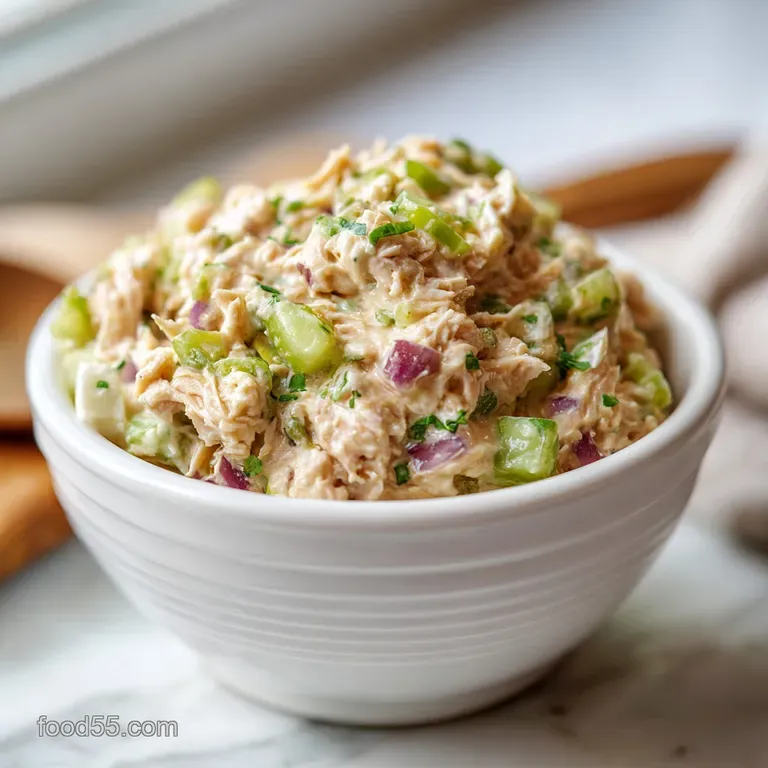
You don't need a fancy kitchen to make this happen. Just a few basics will do.
- Fine mesh strainer: Absolutely critical for getting every drop of water out of those cans.
- Mixing bowl: A medium sized glass or stainless steel bowl works best.
- Small ramekin: I like to mix the dressing separately so there are no "clumps" of mustard in the tuna.
- Fork: For flaking the tuna without over mashing.
- Spatula: For gently folding the ingredients together.
Bringing the Layers Together step-by-step
Let's crack on. The goal here is to keep the tuna in distinct flakes while ensuring every single bit is coated in that velvety dressing.
- Drain the tuna cans thoroughly using a fine mesh strainer. Note: Let it sit for 2-3 minutes to ensure no excess water remains.
- Transfer the tuna to a mixing bowl and use a fork to flake the meat until no large clumps remain.
- Grab a small separate ramekin and add your avocado oil mayonnaise, Dijon mustard, lemon juice, and lemon zest.
- Whisk the dressing ingredients together until emulsified and smooth.
- Pour the dressing over the flaked tuna.
- Add the diced celery, red onion, and chopped parsley to the bowl.
- Gently fold the ingredients together with a spatula or spoon until the tuna is velvety and evenly coated.
- Season with the sea salt and black pepper.
- Give it one final, light toss and let it sit for 5 minutes to let the flavors marry.
Chef's Note: If you're in a rush, don't skip the "separate dressing" step. Mixing the mayo and mustard first ensures you don't end up with a giant glob of mustard in one bite.
Fixing Texture and Taste Issues
Even a simple salad can go wrong. Maybe it's too runny, or maybe it tastes a bit too "fishy" for your liking. Don't panic - it's an easy fix.
The Mushy Texture
This usually happens if the tuna wasn't drained enough or if you over mixed the salad. If you stir it too aggressively, you break the tuna flakes into a paste. To fix this, fold in a tablespoon of extra finely diced celery to add back some structural crunch.
The Fishy Funk
Sometimes canned tuna can have a very strong scent that overwhelms the other flavors. The secret here is more acid. A tiny bit more lemon juice or a splash of apple cider vinegar can neutralize those strong amines and brighten the whole profile.
| Problem | Root Cause | Solution |
|---|---|---|
| Too watery | Poor draining | Stir in 1 tsp of extra mayo or a pinch of cornstarch |
| Bland flavor | Under seasoning | Add an extra pinch of salt and more lemon zest |
| Too oily | Excessive mayo | Fold in a teaspoon of Greek yogurt or lemon juice |
Common Mistakes Checklist: - ✓ Pat the tuna dry with a paper towel after straining if it's still damp. - ✓ Dice celery and onion into uniform, small pieces for a balanced bite. - ✓ Use a fork to flake, not a masher, to keep the texture light.
- ✓ Chill the final salad for at least 15 minutes before serving. - ✓ Use fresh lemon instead of bottled juice for a cleaner taste.
Fresh Ideas for Different Tastes
While this version is a classic, you can easily pivot this into something entirely different depending on the mood. If you're feeling like something a bit more substantial, you could turn this into a Tuna Pasta Salad Recipe by folding in chilled fusilli or penne.
If you want to ditch the mayo entirely for a more Mediterranean vibe, swap the mayonnaise for a mix of extra virgin olive oil and a bit of Greek yogurt. This creates a lighter, tangier version that's incredibly refreshing on a hot day.
For those who love a bit of a kick, adding a pinch of smoked paprika or a few drops of Sriracha can give it a modern twist.
If you find you have a lot of extra tuna salad, you can easily turn it into Tuna Melts by topping sourdough slices with the mixture, adding a slice of sharp cheddar, and broiling until bubbly.
Quick Decision Guide: - Want more protein? Replace mayo with plain Greek yogurt. - Want a "Crunchy" experience? Add toasted sunflower seeds or diced apple. - Want a "Zesty" experience? Double the lemon zest and add a pinch of cayenne.
Keeping it Fresh and Reducing Waste
Tuna salad is great, but it doesn't last forever. Keep it in an airtight container in the fridge for up to 3 days. After that, the lemon juice can start to break down the celery, and it loses that "shattering" crunch we love.
Freezing Tip: Honestly, don't even bother freezing this once the mayo is added. The emulsion will break, and you'll end up with a watery, oily mess. Keep it fresh or toss it.
Zero Waste Ideas: - Celery Leaves: Don't throw away the pale green leaves of the celery! Chop them up and mix them right in with the parsley. They have a concentrated celery flavor and add a lovely pop of green.
- Tuna Water: If you're feeling adventurous, you can use the tuna canning water in a vegetable stock or a savory sauce, though most people prefer to discard it. - Leftover Crumbs: If you have any tuna salad left at the end of day three, use it as a filling for a quick tuna melt toasted sandwich to use up the last bit.
The Best Ways to Plate and Share
This is where the "shared meal" magic happens. Instead of just scooping it into a bowl, turn it into a spread. I love putting a big bowl of the salad in the center of the table with various "vessels" around it.
For a light, healthy option, use large Romaine lettuce leaves or hollowed out bell pepper halves. It's a great way to keep things low carb while maintaining a satisfying crunch. If you want something more indulgent, toasted rye or sourdough bread is the gold standard.
The nuttiness of the rye complements the richness of the Albacore perfectly.
If you're bringing this to a potluck, serve it with a side of cornichons or pickled red onions. The acidity of the pickles cuts through the creaminess of the salad, making each bite feel like a fresh start.
It's one of those simple dishes that, when shared, reminds us that the best meals don't have to be complicated - they just have to be made with a bit of care and the right ingredients.
Recipe FAQs
What to mix with tuna for a salad?
Combine flaked tuna with avocado oil mayonnaise, Dijon mustard, and lemon juice. Add diced celery, red onion, and fresh parsley for a necessary crisp texture and bright flavor.
What does Matthew McConaughey put in his tuna salad?
He typically uses a mix of tuna, mayonnaise, and celery. While celebrity recipes vary, focusing on high-quality basics ensures the best result.
Can I eat tuna salad if I have high cholesterol?
Yes, provided you use heart healthy fats. This recipe utilizes avocado oil mayonnaise, which is a better alternative to traditional soybean based spreads.
Can you put canned tuna in salad?
Yes, canned tuna is the standard base. Just ensure you drain it thoroughly using a fine mesh strainer to prevent the salad from becoming watery.
How to prevent tuna salad from tasting too fishy?
Whisk fresh lemon juice and zest into the dressing. The citric acid neutralizes the strong briny scent and brightens the overall flavor profile.
How to get a velvety texture without overmixing?
Gently fold the tuna and vegetables with a spatula. If you enjoyed the creamy consistency here, see how a similar binder works in our creamy egg salad.
How to store leftover tuna salad?
Seal in an airtight container in the refrigerator. It will stay fresh and crisp for up to three days, though the celery may soften slightly over time.
Tuna In A Salad Recipe
Ingredients:
Instructions:
Nutrition Facts:
| Calories | 231 kcal |
|---|---|
| Protein | 20.2g |
| Fat | 15g |
| Carbs | 2.4g |
| Sodium | 310mg |
