Chicken Noodle Casserole: the Ultimate Creamy Bake Without Canned Soup
- Ditch the Can: Why This Scratch-Made Chicken Noodle Casserole is Superior
- Culinary Science: Mastering the Creamy Texture and Crispy Topping
- Essential Components for the Ultimate Chicken Noodle Casserole
- Methodical Steps for Assembling Your Comfort Classic
- Troubleshooting Your Casserole: Pro Tips from the Kitchen
- Make-Ahead Strategy: Storing and Reheating This Bake
- What to Serve Alongside Your Hearty Noodle Bake
- Recipe FAQs
- 📝 Recipe Card
Ditch the Can: Why This Scratch Made Chicken Noodle Casserole is Superior
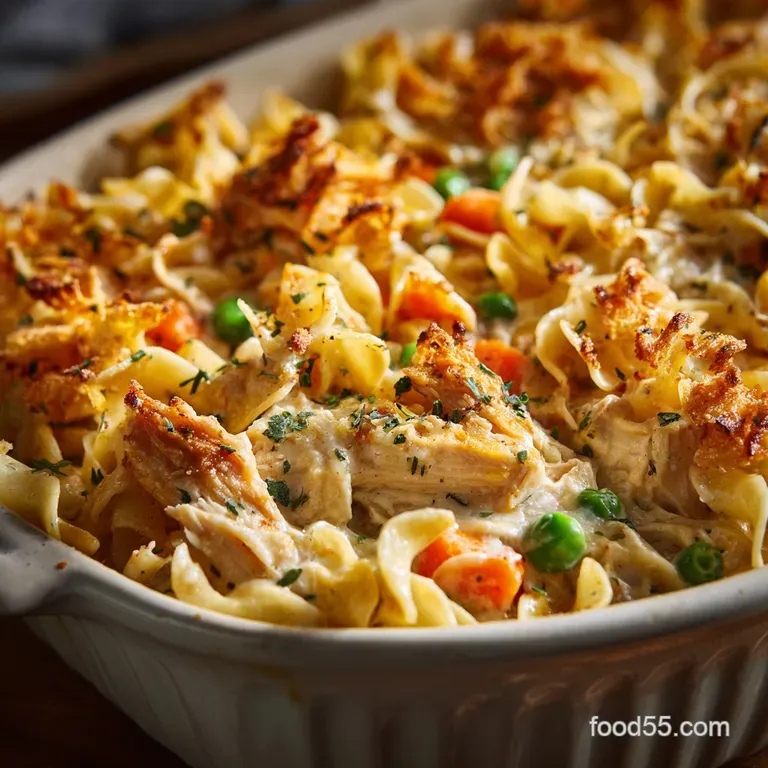
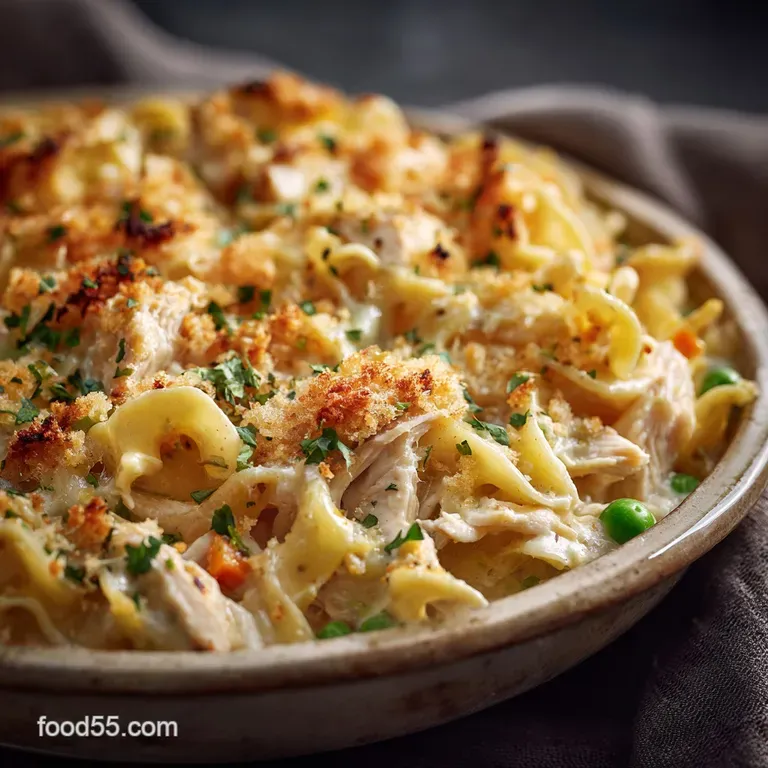
The best smell in the world is the savory cloud that rolls out when a Creamy Chicken Noodle Casserole comes bubbling out of the oven. That deep, herbaceous aroma hits you right in the nostalgia. The crunchy Panko topping is perfectly golden brown and crackles slightly as you slice into it.
This is a weeknight lifesaver, especially if you have leftover cooked chicken sitting around. Using rotisserie chicken is absolutely a chef's cheat code, and I fully support that decision when life gets busy. This recipe is fast, incredibly forgiving, and provides maximum comfort for minimal effort.
We are officially ditching the canned, gelatinous shortcuts that defined the retro version of this dish. We are building a rich, proper sauce from scratch, infused with aromatics and herbs that give it genuine depth.
Trust me, once you make the sauce this way, you will understand why this truly is the Ultimate Chicken Noodle Casserole .
Culinary Science: Mastering the Creamy Texture and Crispy Topping
A Love Letter to Retro Comfort Food, Elevated
I used to think all casseroles had to start with condensed soup; honestly, that was my biggest mistake for years. This recipe works because we treat the base like a proper Béchamel sauce before adding the flavorings.
We take the time to build a roux, a mixture of fat and flour, that becomes the foundation for that velvety texture.
The Secret to a Velvety, Herbaceous Sauce Base
The real science happens when you cook the roux for just two minutes before adding the liquids. This simple step eliminates the unpleasant taste of raw flour that can ruin a sauce. We then incorporate warm stock and warm milk slowly, ensuring a completely lump free, thick, rich base ready to hug those noodles.
Using warm liquids prevents the roux from seizing up.
Prepping for the Perfect Weeknight Bake
You need to season the sauce aggressively before it goes in the oven, please take my advice on this. The noodles are flavor sponges, soaking up salt and pepper as they bake. I once made a bland casserole because I tasted the sauce and thought, "Hmm, that seems fine," but it absolutely wasn't fine later.
The Magic of the Herbaceous Roux
The addition of diced celery and onion, sautéed until translucent, is non-negotiable here. This creates a classic mirepoix base that adds depth you just can't get from powder alone. The inclusion of thyme and a bay leaf in the simmering sauce infuses every single drop with comforting, savory notes.
Ensuring Perfectly Al Dente Noodles (No Soggy Bake!)
This is critical: do not fully cook your wide egg noodles. They will continue to soften and absorb liquid once submerged in the sauce and baked in the oven. We cook them for 1 minute less than the package directions specifies, keeping them slightly firm, or al dente .
This guarantees your finished bake has structure, not mush.
The Science of the Golden Brown Crumb
The crispy topping is a texture requirement; we need the crunch to contrast the creamy interior. I prefer Panko breadcrumbs because they stay incredibly crisp and airy, absorbing the melted butter without getting dense. Mixing them with Parmesan cheese adds a salty, nutty bite that turns the topping into gold.
Essential Components for the Ultimate Chicken Noodle Casserole
Building the Flavor Base: Dairy, Aromatics, and Spices
Our flavor base relies heavily on high-quality stock and whole milk (or half and half for extra richness). Do not skimp on the fresh aromatics; the tiny pieces of onion and celery melt into the sauce, leaving behind their beautiful, savory flavor.
A quick note on seasoning: the small amount of Dijon mustard adds an undetectable complexity that cuts through the richness beautifully.
| Ingredient | Substitute Suggestion |
|---|---|
| Whole Milk | Evaporated milk or unsweetened coffee cream (just slightly less than the measured volume) |
| Dried Thyme | 1 tsp dried oregano, or 1/2 tsp dried marjoram |
| All-Purpose Flour | Cornstarch/Cornflour slurry (use 1/3 the amount, added after the stock) |
Choosing the Right Cut of Shredded Chicken
You need 3 cups of cooked, shredded chicken for this Chicken Noodle Casserole Recipe . Leftover rotisserie chicken is perfect, or you can poach chicken breasts specifically for this. If you are prepping chicken from scratch, try a large batch and use the rest for something lighter, like my Corn Chicken Salad: Vibrant, Healthy Summer Meal Prep Recipe . Dark meat (thighs) will keep the casserole moister and add more savory depth, but breast meat works just fine.
Selecting the Best Egg Noodles for Baking
Wide egg noodles are traditional for a reason; they have a lovely, soft texture and plenty of surface area to hold that thick sauce. If you cannot find them, any sturdy short pasta will work, like penne or rotini. Just remember to always undercook them slightly before mixing them in.
Smart Swaps: Quick Alternatives for Green Peas and Crumb Topping
I love the pop of sweetness frozen peas give, and they don't even need to be thawed first. If peas aren't your thing, you could use a cup of frozen corn instead. For the topping, while Panko is king, crushed saltine crackers or even crushed potato chips make a delightfully trashy, salty, delicious crust.
Chef's Note: If you want a slightly richer, buttery flavor in your crumb topping, swap out a quarter cup of the Panko for crushed butter crackers, like Ritz. It adds a gorgeous flavor punch and holds its texture well.
Methodical Steps for Assembling Your Comfort Classic
Phase 1: Preparing the Cream Sauce and Herb Infusion
- Sauté the Veg: Melt the first half of the butter in a large pot or skillet. Add the diced celery and onion. Cook these until they are soft and translucent, about 6– 8 minutes, stirring occasionally.
- Make the Roux: Add the remaining butter, and once melted, sprinkle in the flour. Cook, stirring constantly with a whisk, for 1– 2 minutes; this is key to eliminating that raw flour taste.
- Build the Sauce: Slowly whisk in the warmed chicken stock until completely smooth. Gradually whisk in the warm milk, continuing to stir as the sauce thickens. Add the thyme, bay leaf, Dijon mustard, salt, and pepper. Simmer gently for about 5 minutes until it coats the back of a spoon.
Phase 2: Combining the Filling Components
- Remove Herbs and Season: Take the pot off the heat and remove the bay leaf; you don't want to bite into that later. Taste the sauce, add more salt it should taste almost too salty now.
- Fold It All In: Gently incorporate the shredded chicken, the undercooked egg noodles, the frozen peas, and the fresh parsley. Mix until everything is thoroughly coated in the sauce. The consistency should be very thick and creamy, but still loose enough to pour easily.
Phase 3: The Assembly, Topping, and Bake Time
- Assemble: Pour the entire mixture into your prepared 9x13-inch baking dish. Give it a gentle shake to level the filling.
- Make the Crumb: Combine the Panko, Parmesan cheese, and melted butter in a small bowl until every crumb is coated. Sprinkle this evenly across the casserole surface, making sure it covers everything.
- Bake and Rest: Bake the Chicken Noodle Casserole at 375°F (190°C) for 25 minutes, or until the topping is golden brown and the sauce is visibly bubbly around the edges. Let it rest for 5 minutes before serving so the sauce can set up properly.
Troubleshooting Your Casserole: Pro Tips from the Kitchen
Preventing a Dry Casserole Filling
If your filling looks too thick after combining all the components, that is a recipe for a dry final product. Add an extra 1/2 cup of warm chicken stock or milk before transferring the mixture to the baking dish. Remember, the noodles need plenty of liquid to absorb as they finish cooking.
Fixing a Sauce That Clumps or Separates
A lumpy sauce almost always happens because cold liquid hit the hot roux too fast, or you didn't whisk vigorously enough initially. If you get lumps, take the sauce off the heat and try blitzing it quickly with an immersion blender or transferring it carefully to a regular blender. If the sauce is separating (looking oily or grainy), it may have been over boiled; try stirring in a tablespoon of cold milk to bring it back together. When I'm having a bad day, I sometimes cross reference my technique for the base of the Crack Chicken Noodle Soup: The Ultimate Creamy, Addictive Upgrade to refresh my roux skills.
make-ahead Strategy: Storing and Reheating This Bake
Freezing the Casserole Unbaked vs. Baked
This Creamy Chicken Noodle Casserole freezes beautifully either baked or unbaked. If freezing unbaked, assemble the entire dish in a foil pan, cover it tightly with plastic wrap and then foil, and freeze for up to 3 months.
Thaw overnight in the fridge before baking, adding an extra 10– 15 minutes to the baking time since you are starting from cold.
Best Practices for Refrigerated Storage
If you want to make the casserole ahead, assemble it completely (without the topping) and cover it tightly. It can be stored in the fridge for up to 2 days. Add the crunchy topping right before baking. Leftovers should be stored in an airtight container in the fridge for 3 4 days.
How to Reheat Leftovers Without Drying Out
The biggest threat to leftover casserole is dryness. To reheat a single serving, place it in a microwave safe bowl with a splash (1 2 teaspoons) of milk or stock poured over the top. Cover loosely and heat until warm.
To reheat the entire dish, cover it loosely with foil and bake at 350°F (175°C) for 15– 20 minutes, again adding a tiny bit of liquid if it looks dry.
What to Serve Alongside Your Hearty Noodle Bake
This rich, comforting dish is the star, so the sides should be light and bright. A simple, sharp green salad dressed with a vinaigrette cuts through the creaminess perfectly. Or, if you are leaning fully into comfort food, serve it with some proper Scratch Made sides. I sometimes pair it with my famous Southern Green Bean Casserole: Scratch Made, Rich, and Creamy Side Dish if I’m hosting a serious dinner. Don't forget the crusty garlic bread it’s mandatory for soaking up any extra sauce left on your plate.

Recipe FAQs
Why did my Chicken Noodle Casserole turn out dry?
Dryness usually results from overbaking or using slightly too little sauce for the amount of noodles. Ensure the casserole is covered with foil for the first 20 minutes of baking to lock in moisture, and always use noodles that are slightly undercooked (al dente) when mixing.
Can I assemble this casserole ahead of time, and if so, how long will it keep?
Yes, you can fully assemble the casserole up to 24 hours in advance. Keep the unbaked dish tightly covered in the refrigerator until ready to bake.
Allow the casserole to sit at room temperature for about 20 minutes while your oven preheats, and be sure to add 5-10 minutes to the suggested total bake time since it will be starting cold.
What is the best way to store leftovers, and can I freeze this dish?
Leftovers should be stored in an airtight container in the refrigerator for up to 4 days. While you can freeze the baked casserole, the noodles may become slightly mushy upon thawing.
To freeze, wrap the cooled casserole tightly and consume within 3 months; reheat slowly and consider adding a splash of stock or milk to revitalize the sauce.
My scratch made sauce looks lumpy. How can I fix it?
Lumps generally occur if the flour and butter (roux) were not fully combined, or if the cold milk was added too quickly. If the sauce is already made, push it through a fine mesh sieve or use an immersion blender before combining it with the chicken.
For prevention, ensure the roux is smooth and hot before whisking in cold liquid slowly, maintaining constant motion until the sauce thickens.
What is the best substitute for the classic egg noodles?
While wide egg noodles are traditional for their comforting texture, you can successfully substitute them with other hearty, short pasta shapes like penne, rotini, or cavatappi. Ensure that whatever pasta you choose is cooked slightly less than al dente, as it will continue to soften during the bake time.
I want a different crunchy topping than breadcrumbs. What do you recommend?
Crushed butter crackers (like Ritz or similar brands) mixed with melted butter provide a wonderfully rich, salty, and soft crunch. Alternatively, for a savory texture, crushed potato chips or French fried onions are excellent choices that bake beautifully.
Can I use a different vegetable besides peas in this casserole?
Absolutely; feel free to customize the vegetables based on your preference or what you have available. Diced, steamed carrots, fresh spinach (stirred in raw just before baking), or blanched broccoli florets are all great additions.
If using denser vegetables, such as carrots, ensure they are lightly cooked before mixing into the sauce base so they finish cooking uniformly.
Ultimate Creamy Chicken Noodle Casserole
Ingredients:
Instructions:
Nutrition Facts:
| Calories | 1037 kcal |
|---|---|
| Protein | 40.7 g |
| Fat | 33.6 g |
| Carbs | 138.5 g |
