Beef Burger Perfection: the Ultimate Prime Patty Recipe and Technique
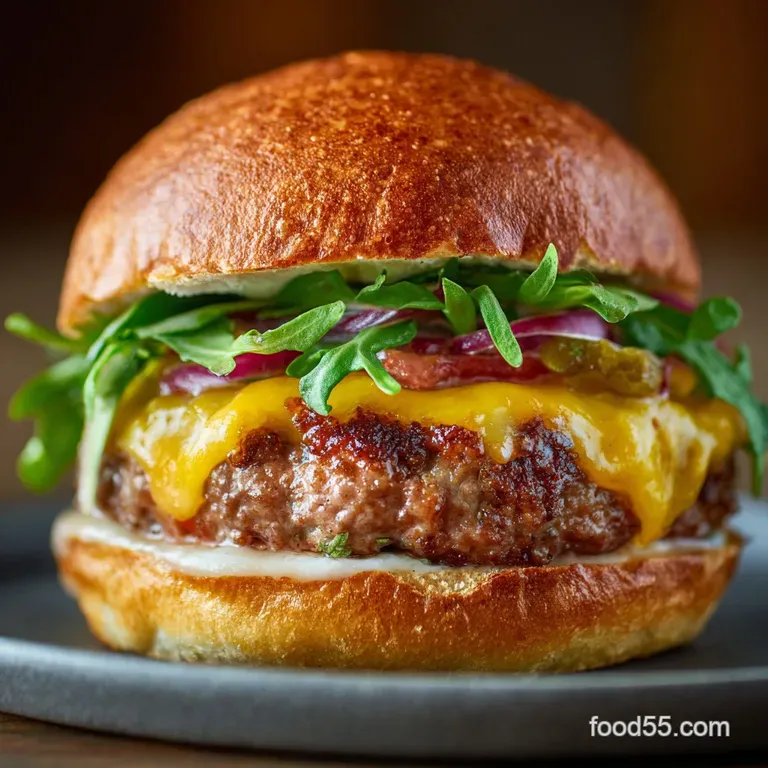
- The Gastropub Secret: Crafting the Perfect Simple Beef Burger
- The Science of Sizzle: Why This Beef Burger Method Delivers
- Essential Elements: Sourcing the Best Meat for Your Burger Patties
- Forming and Frying: The Step-by-Step Guide to Making Superior Burgers
- Gastropub Kitchen Secrets: Achieving Flawless Hamburger Patties
- Preparation Pointers: Handling and Storing Raw and Cooked Burgers
- Presentation Matters: Elevating Your Simple Beef Burger Experience
- Recipe FAQs
- 📝 Recipe Card
The Gastropub Secret: Crafting the Perfect Simple Beef Burger
There is nothing quite like that smell. I’m talking about the instant the ultimate prime beef burger patty hits scorching hot cast iron, releasing that incredible, meaty aroma that somehow fills the entire neighbourhood.
It’s the smell of pure, unadulterated comfort, promising a crusty exterior and a ridiculously juicy middle.
We all love the fancy, tricked out burgers, but honestly, this simple approach is the biggest lifesaver when you need a ridiculously satisfying meal fast. It requires minimal ingredients and very little fuss; if you have five minutes to mix, you’re halfway to dinner.
It's affordable, it’s fast, and it’s a million times better than any takeaway.
I’ve been making and tweaking this beef burger recipe for years, and I’m ready to share the few simple rules that turn good into genuinely brilliant. Stop steaming your patties and let's unlock the true potential of the humble burger. Trust me on this one.
The Science of Sizzle: Why This Beef Burger Method Delivers
Moving Beyond the Overloaded Hamburger
People mistakenly believe the secret to a great burger lies in complicated sauces or massive piles of toppings. That is simply not true. If your patty itself is dry or lacks flavour, no amount of truffle oil is going to save it. We are focusing on perfecting the foundation first.
Why Simplicity Means Superior Flavour
A truly exceptional beef burger shouldn't need a disguise. When you use quality ingredients and handle them correctly, the beef flavour shines through beautifully. I’m stripping away the fillers and sticking to the essentials: beef, salt, and heat. That’s the secret.
How This Recipe Redefines the Classic Beef Burger
This method is designed to respect the integrity of the fat within the meat. We keep the ingredients cold, handle them lightly, and cook them quickly at a high temperature. It's less a cooking technique and more a gentle coaxing of maximum flavour from simple ingredients.
Mastering the 80/20 Ratio for Ultimate Juiciness
That magical 80/20 ratio is everything. The 20% fat content slowly melts into the lean, flavourful beef as it cooks, guaranteeing a juicy interior every single time. Anything leaner, and you’re gambling with dryness; anything fattier and you risk excessive shrinkage and grease overflow.
The Importance of Minimal Patty Handling
When you squeeze or over mix ground beef, you activate the proteins, making the final texture dense and tough. We want a tender, almost fluffy texture, so use a light touch, forming the patties quickly and gently. A warm, overworked patty is the enemy of juiciness.
Maximizing the Maillard Reaction for Depth of Flavor
The Maillard Reaction that beautiful chemical process that creates browning is non-negotiable for a superior crust. This requires high heat and patience. By seasoning just before cooking and not touching the patty for several minutes, we create a gorgeous, deep brown exterior that seals in the juices and adds incredible, savory complexity.
Essential Elements: Sourcing the Best Meat for Your Burger Patties
I’m obsessed with the quality of the beef used here. If you’re willing to spend an afternoon perfecting something like my Slow Cooker Beef Brisket: The Ultimate Fork Tender Recipe , surely you can invest a little time finding excellent ground beef for these beef burger patties !
Choosing the Ideal Grind and Cut
Always ask your butcher for freshly ground chuck if possible; pre-packaged supermarket meat is fine, but fresh is better. Chuck shoulder has the perfect mix of fat and flavour for our needs. If you can’t find 80/20, a blend that includes brisket or short rib provides fantastic depth.
The Role of Salt and Pepper (The Only Seasoning Needed)
We are only using Kosher or sea salt and freshly cracked black pepper. Skip the garlic powder, onion powder, and breadcrumbs they just distract from the magnificent beef flavour. The salt is crucial for drawing out moisture and creating that beautiful, craggy crust.
| Ingredient | My Recommendation | Substitution |
|---|---|---|
| Ground Beef (80/20) | Chuck (freshly ground) | Equal parts Sirloin and Ground Brisket (adjust seasoning) |
| Buns | Brioche or Potato Rolls | Split, toasted English muffins or thick slices of Texas Toast |
| Sharp Cheddar | Aged White Cheddar | Smoked Gouda or Pepper Jack for a bit of spice |
The Essential Tool Checklist
You don’t need much, but please, for the love of good food, get an instant read thermometer. Guessing the beef burger temp is how you end up serving dry, overcooked hockey pucks. A heavy cast iron skillet is also your best friend here, as it retains heat like a champion.
Forming and Frying: The step-by-step Guide to Making Superior Burgers
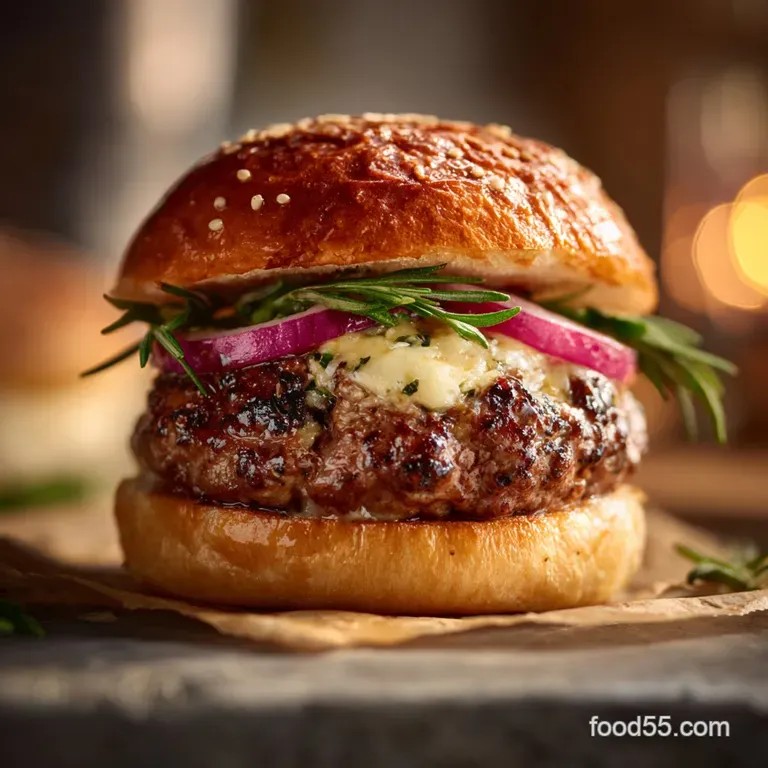
Prepping the Mixture and Preventing Shrinkage (The Thumbprint Trick)
Place your very cold ground beef into a bowl and divide it gently into four equal portions. Do not squeeze or knead the meat. Form them quickly into thick patties, ensuring they are slightly wider than your bun, as they will shrink during cooking.
Chef’s Note: Use your thumb to create a deep, smooth indentation right in the centre of each patty. This is the magic anti dome trick that stops your burger from bulging in the middle and keeps it nice and flat.
Achieving the Perfect Sear on the Stovetop or Grill
About 15 minutes before cooking, remove the chilled patties and season one side very generously with salt and pepper. Heat your skillet until it’s smoking hot. Place the seasoned side down, then immediately season the unseasoned side.
Cook for 3 to 4 minutes without touching them. That crust needs time to form!
Flip the burgers just once when a deep brown crust has developed. Now reduce the heat slightly to finish the cooking evenly. This is where you insert your thermometer to ensure accurate doneness.
Resting Time: The Final Crucial Step
Just like any good roast, like my Thymeroasted rib of beef with red wine gravy: Ultimate Christmas Roast , these patties must rest. Remove them from the heat once they reach 5°F below your target temperature, top them with cheese, and let them sit for 3 to 5 minutes. This pause allows the internal juices, which have been pushed to the centre, to redistribute throughout the patty, resulting in maximum juiciness.
Gastropub Kitchen Secrets: Achieving Flawless Hamburger Patties
Troubleshooting Common Burger Mistakes (Cracking and Crumbling)
If your patties crack or crumble while forming, it's likely because the meat wasn't cold enough or it's too lean (less than 18% fat). If they crumble during cooking, you handled them too aggressively when forming, breaking down the muscle structure.
Next time, use lighter hands and keep the beef in the fridge until the very last second.
How to Accurately Check Internal Doneness
This is where the instant read thermometer is indispensable. Insert the probe horizontally into the side of the patty, going right into the centre. This provides the most accurate reading.
- Rare: 125°F (52°C) Very red, cool centre.
- Medium Rare: 135°F (57°C) Warm, red centre. (My preferred beef burger internal temp .)
- Medium: 145°F (63°C) Pink centre.
- Well Done: 160°F (71°C) No pink. (Avoid this if you can it’s asking for dryness!)
Adjusting Cook Time for Thicker or Thinner Patties
This recipe calls for a thick, 1 inch patty. If you prefer a thinner patty (about 0.75 inches), reduce the cook time to about 3 minutes per side. For a thick, 1.25 inch patty, you’ll need 4- 5 minutes per side, reducing the heat more quickly after the initial sear to prevent burning the exterior before the interior is done.
Preparation Pointers: Handling and Storing Raw and Cooked Burgers
Best Practices for Freezing Uncooked Patties
This is a great make-ahead meal, especially if you also batch cook things like my Cornbread Casserole: The Easiest Hearty Beef and Bean Recipe . Form the patties as directed (don't forget the dimple), place parchment paper between them, and stack them in a freezer safe zip-top bag. Squeeze out all the air. They will stay fresh for up to three months. Always thaw raw patties slowly overnight in the fridge before cooking.
Reheating Cooked Burgers Without Drying Them Out
Never microwave a cooked burger patty; it turns the fat into rubber. The best way to reheat is in a preheated oven at 300°F (150°C), wrapped loosely in foil, for about 10- 15 minutes until warmed through.
Alternatively, a quick blast in the beef burger in air fryer at 350°F (175°C) for 4- 5 minutes works wonders to bring back a little crust.
Safe Handling Temperatures
Always keep raw ground beef refrigerated below 40°F (4°C) and avoid letting it sit at room temperature for more than two hours. Cooked burgers should be held above 140°F (60°C) or promptly refrigerated.
Presentation Matters: Elevating Your Simple Beef Burger Experience
The final step is the assembly! Always toast your buns; an untoasted bun is a soggy tragedy waiting to happen. Spread the signature sauce liberally, then layer the cool, crisp components (lettuce, pickle, tomato) underneath the hot, juicy patty.
This protects the bottom bun from getting saturated by those amazing meat juices. Serve immediately with a stack of crispy chips and a cold drink. Perfection!
Recipe FAQs
Why did my burgers shrink significantly and turn out dry?
Shrinkage is often caused by an overly lean meat blend or aggressive handling of the raw patties. Ensure you use the recommended 80/20 ratio, as the fat content is essential for maintaining size and moisture during cooking.
Also, remember never to press the patty down with your spatula while grilling, as this squeezes out valuable juices.
How crucial is the 80/20 beef ratio for this recipe?
The 80/20 ratio (80% lean, 20% fat) is fundamental to achieving the "gastropub" style burger’s rich flavor and texture. The fat melts during the high heat cooking process, self basting the meat and preventing it from becoming dry and dense.
Using leaner meat will drastically reduce the juiciness and flavor payoff.
My patties cracked and fell apart on the grill. What went wrong?
Cracking and crumbling usually occurs if the meat mixture was overworked or wasn't cold enough before cooking. Ensure the patties are well chilled (at least 30 minutes in the refrigerator) and handle the meat minimally when forming the patty to keep the fat intact.
You can also lightly moisten your hands before shaping them to help the meat bind.
Can I prepare the patties ahead of time, and how should I store them?
Yes, you can form the patties up to 24 hours in advance of cooking. Once formed, stack them separated by squares of parchment paper, wrap the stack tightly in plastic wrap, and store them in the coldest part of your refrigerator. Always cook the patties directly from the fridge for the best results.
What is the recommended internal temperature for a safely cooked beef burger?
For safety, the USDA recommends cooking ground beef to an internal temperature of 160°F (71°C), which corresponds to a well done burger. However, if you source high-quality beef from a trusted butcher, a medium doneness (145°F or 63°C) offers maximum juiciness and flavor.
Always use a reliable meat thermometer inserted into the side of the patty to check the temperature.
Is it better to season the beef before forming the patties or right before cooking?
For optimal results, season the exterior of the patty generously with coarse salt and pepper just a few minutes before placing it on the hot cooking surface. Incorporating salt into the raw meat mixture too early can begin to break down the proteins, leading to a firmer, sausage like texture instead of a tender burger.
Can I use a cast iron skillet instead of a grill for cooking these burgers?
Absolutely; a cast iron skillet is an excellent choice and can often produce a superior crust (the "sear") compared to grilling. Heat the skillet until smoking hot, lightly oil it, and cook the burgers for the same amount of time per side.
This method ensures all the melting fat stays in contact with the patty, enhancing the flavor.
Ultimate Prime Beef Burger Recipe
Ingredients:
Instructions:
Nutrition Facts:
| Calories | 581 kcal |
|---|---|
| Protein | 32.0 g |
| Fat | 36.0 g |
| Carbs | 29.0 g |
