The Ultimate Umami Mushroom Pilaf Earthy Creamy Mushroom Rice
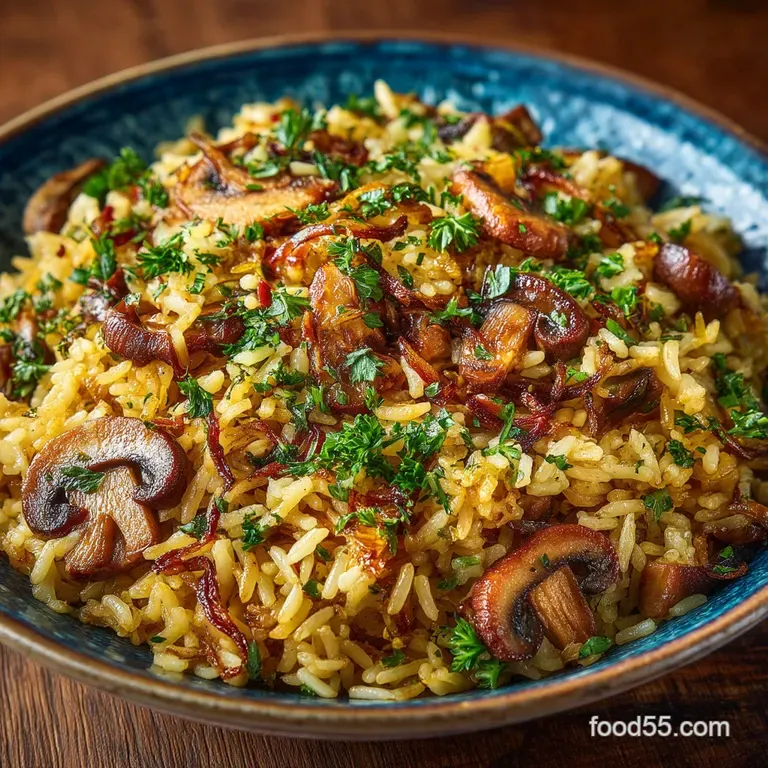
The Art of the Umami Bomb: Why This Pilaf Elevates Mushroom Rice
Mushroom Rice, at its best, should be an experience that transports you directly to the forest floor rich, earthy, and intensely savoury. Far too often, however, this dish falls short, resulting in sad, soggy rice mixed with underwhelming fungi.
This specific Mushroom Rice Recipe is different: it is a robust, refined technique built on the principles of Italian risotto and European pilaf , designed to maximize flavour extraction and deliver an "Umami Bomb" in every spoonful.
We are not just making a basic grain side; we are crafting a deeply luxurious, satisfying meal, or the most brilliant accompaniment among all possible Rice Side Dishes.
Defining the Forest Floor Flavour Profile
The depth of this dish rests entirely on utilizing not just fresh mushrooms, but also the concentrated power of their dried counterparts. We build our flavour profile using a blend of easily sourced Cremini (Baby Bella) and nutty Shiitake, which provide structure and texture.
The true magic, though, comes from the inclusion of dried porcini mushrooms, which offer an unparalleled, almost meaty depth. By rehydrating these dried fungi and carefully straining the resulting soaking liquid, we create a ready-made, highly concentrated umami broth that forms the backbone of the final Umami Mushroom Rice flavour, making it incredibly complex.
Pilaf vs. Risotto: Achieving the Perfect Creamy Yet-Defined Texture
While many associate pilaf with separate, fluffy grains (a texture easily achieved with a Mushroom Rice in Rice Cooker approach), our technique merges the slow, liquid absorption method of risotto with the defined structure of a pilaf base.
The key is using a high starch, medium grain rice like Arborio or Carnaroli. These starches release slowly during cooking, coating the exterior of the grain to create a velvety, creamy consistency without ever becoming soupy.
The resulting Mushroom Rice Pilaf is simultaneously rich and satisfying, retaining that essential al dente bite tender on the outside, yet pleasantly firm in the center.
What Makes This the Ultimate Mushroom Rice Dish?
The secret to why this stands out is the careful layering of flavours at every stage. We employ four distinct flavour building steps: 1) intensely searing the fresh and rehydrated mushrooms for concentration; 2) deglazing the pan with dry white wine, lifting all those browned bits (the fond ) into the liquid base; 3) utilizing the strained porcini liquid for an earthy foundation; and 4) finishing the dish with cold butter and Parmesan cheese, a technique known as mantecaura , which ensures a glossy sheen and profound richness.
This focused approach transforms a simple grain dish into the ultimate Umami Mushroom Rice centerpiece. For those looking for quick weeknight solutions, simpler methods like a Mushroom Rice Casserole or a Mushroom Rice Bake are great, but for deep, nuanced flavour, this stovetop pilaf method is truly unbeatable.
Securing Your Arsenal: Essential Ingredients for the Perfect Pilaf
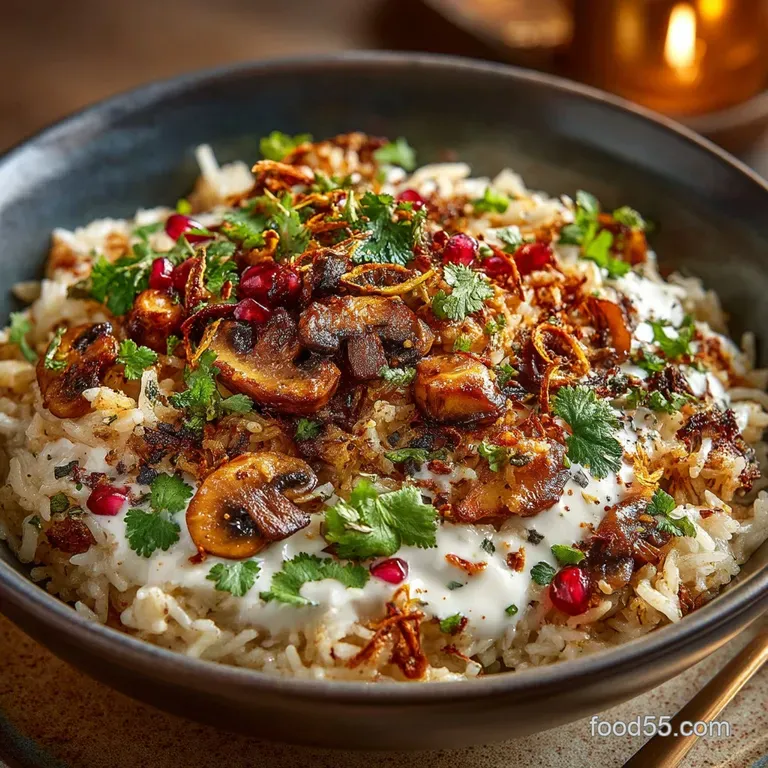
A masterpiece requires great materials. Achieving the signature depth of this dish demands careful attention not just to the core fungi, but also to the quality of the liquids and aromatics that bind it all together.
Choosing Your Fungi: The Best Mushroom Varieties for Deep Flavour
We rely on a pound (450g) of mixed fresh mushrooms, ideally a pairing of common Cremini (Baby Bella) and more flavourful Shiitake. The latter offers a slightly woodier, firmer texture that holds up well during the searing process. Crucially, we incorporate half an ounce (15g) of dried porcini.
These must be rehydrated for about 15 minutes in hot water. Remember to set aside and carefully strain that precious soaking liquid it’s pure umami gold and vital to the final depth of the Mushroom Rice Recipe .
The Importance of high-quality Stock and Aromatics
The liquid component determines the final flavour of the rice, as the grains absorb it completely. We need 4 cups (950 ml) of hot stock either low-sodium vegetable or chicken kept simmering throughout the cooking process.
Adding cold stock will shock the rice and disrupt the consistent release of starch, resulting in uneven texture. For aromatics, we use two finely diced shallots instead of standard yellow onions; shallots are sweeter and less pungent, blending more seamlessly into the dish.
We also add four cloves of minced garlic, fresh thyme leaves, and a critical deglazing element: half a cup (120ml) of dry white wine (like Pinot Grigio). Finally, one teaspoon of soy sauce or Worcestershire sauce provides a discreet, final boost of complex glutamates.
Beyond the Pantry: Specialized Tools and Equipment Needed
To successfully execute this refined technique, a few specific tools are essential. The most important is a large, heavy bottomed pot or Dutch oven. Its weight ensures even heat distribution, which is paramount for searing the mushrooms and preventing the rice from sticking and scorching during the long simmer.
You will also need a small saucepan dedicated solely to keeping the 4 cups of stock simmering hot. Finally,, because dried porcini often carry grit, a fine mesh sieve or a paper coffee filter is mandatory for straining the reserved soaking liquid before it is added to the Mushroom Rice Pilaf .
Related Recipes Worth Trying
- How to Cook Brown Rice Perfectly The Foolproof Stovetop Method — Master how to cook brown rice on stove until its nutty and fluffy never stodgy This simple absorption method is your guide to perfect brown rice every time
- Wok Roll Better Than Takeout Cauliflower Fried Rice — Achieve that perfect smoky wok hei flavour in this easy Low Carb Cauliflower Fried Rice Its fast satisfying and tastes fresher than your usual takeaway Get...
- Foolproof Asian Edamame Fried Rice Recipe Ready in 30 Mins — Forget the soggy takeaway This easy Edamame Fried Rice recipe uses cold rice for a perfect texture delivering vibrant flavour quicker than delivery
step-by-step Mastery: Building Deep Flavour Layers
The success of this Mushroom Rice relies entirely on following the process sequentially, ensuring each layer of flavour is fully developed before proceeding to the next.
The Crucial Searing Technique: Concentrating Mushroom Essence
Before any rice touches the pan, we must transform the fungi. Heat one tablespoon of olive oil and one tablespoon of butter over medium high heat in the heavy bottomed pot. Add the sliced fresh mushrooms and the chopped rehydrated porcini. The temptation will be to stir immediately, but resist!
Allowing the mushrooms to sit undisturbed for the first three minutes ensures they release their moisture. Continue cooking without overcrowding, stirring only occasionally, until all the liquid has evaporated and the mushrooms achieve a beautiful, deep golden brown sear this process takes roughly 8 to 10 minutes and is the secret to maximum flavour concentration.
Once perfectly browned and seasoned, remove them immediately and reserve them for the final fold, leaving the residual, mushroom infused fat in the pan.
Aromatic Bloom and Rice Preparation (Toasting the Grains)
Reduce the heat to medium and add the remaining tablespoon of butter. Sauté the diced shallots until they are softened and translucent, a process taking about four minutes. Next, stir in the minced garlic and fresh thyme leaves, cooking only for 60 seconds until fragrant; garlic can quickly turn bitter if scorched.
Now comes the crucial step of "toasting the rice." Add the $1
frac{1}{2}$ cups (300g) of unrinsed Arborio rice to the aromatic mixture. Stir constantly for two minutes. This process, known as
tostatura
, slightly cooks the exterior of the grains, locking in their shape and giving them a delightful, nutty depth that is foundational to the finished texture of the
Mushroom Rice
.
The Liquid Integration: Achieving the Ideal Al Dente Finish
Once the rice is toasted, pour in the half cup (120ml) of dry white wine. Stir vigorously, scraping the bottom of the pot to lift any caramelized brown bits left behind this is deglazing. Cook until the wine has evaporated completely.
Next, incorporate the reserved, strained porcini liquid along with the teaspoon of soy or Worcestershire for extra intensity. Allow this to be absorbed entirely. Then, begin adding the simmering hot stock one cup (240ml) at a time, stirring occasionally until the liquid is nearly absorbed before adding the next ladleful.
This slow, gradual process, which takes approximately 15 to 20 minutes, is essential for achieving the creamy texture and ensuring the rice is cooked al dente —tender, but with a slight, pleasing resistance in the middle.
Final Touches: Stirring Through the Herbs and Cheese
When the rice reaches the desired creamy, flowing texture, turn off the heat. Fold the reserved, deeply seared mushrooms back into the pot. To provide the final richness and professional sheen, stir through the final two tablespoons of cold butter and the half cup of freshly grated Parmesan cheese.
This emulsifies the starches and fat, elevating the texture dramatically. Cover the pot and let the Mushroom Rice Pilaf rest for five minutes. This resting period allows the grains to absorb the last bit of steam and moisture, perfecting their consistency.
Finally, stir in the fresh flat leaf parsley before serving.
Elevating the Experience: Serving Suggestions and Advanced Tips
A great dish is enhanced by knowing how to perfect the outcome, what to serve alongside it, and how to maximize its life as leftovers.
Troubleshooting Your Pilaf: Common Pitfalls and Quick Fixes
The primary challenge when preparing this Mushroom Rice Recipe is achieving the perfect balance of creamy texture without turning the grains into porridge. A common pitfall is adding cold stock, which halts the cooking process; ensure your stock is steaming hot throughout.
If the rice feels too dry mid-cook, simply add half a cup more hot stock than the recipe calls for. If your garlic or shallots burn during the sauté stage, it is best to restart the dish, as that bitter flavour will permeate the entire meal.
Finally, remember the importance of not over stirring once the rice is cooking; this can break the grains and lead to a mushy result.
Pairing Perfection: What to Serve Alongside Your Umami Mushroom Rice
This rich, earthy Umami Mushroom Rice is robust enough to stand alone as a vegetarian main, but it shines as a sophisticated companion to bold proteins. It pairs spectacularly with a dry-aged steak, a simple herb roasted chicken, or a slow cooked balsamic pork shoulder.
For a lighter meal, pair it with a crisp side of garlicky green beans or a bright, peppery arugula salad dressed simply with lemon vinaigrette to cut through the richness. When it comes to beverages, choose a medium bodied Pinot Noir, whose earthy notes harmonize with the mushrooms, or a clean, crisp Sauvignon Blanc.
Storage Solutions and Reheating Leftovers Expertly
Properly stored, leftover Mushroom Rice will keep in an airtight container in the refrigerator for up to three days. Note that risotto style rice tightens significantly as it cools. When reheating, do not use a microwave unless absolutely necessary, as it can dry out the grains unevenly.
The best method is gently heating it in a saucepan over medium low heat, adding a splash (1-2 tablespoons) of water or stock to restore its creamy flow. If you find yourself with substantial leftovers, this dish transforms wonderfully into a light Mushroom Rice Bake or Mushroom Rice Casserole by spreading it into a buttered dish, topping with breadcrumbs and extra Parmesan, and baking until golden.
Nutritional Snapshot and Ingredient Swap Ideas
This rich pilaf recipe is satisfying, estimated at about 450 to 500 calories per serving when enjoyed as a Simple Mushroom Rice Side Dish , offering about 15 grams of protein and significant fiber from the large quantity of fungi.
For those requiring substitutions, this recipe is highly adaptable. To make it entirely vegan, swap the unsalted butter for quality plant based butter or olive oil, and replace the Parmesan with nutritional yeast for a cheesy depth.
While Arborio is best, you can use pearled barley or farro in place of the rice, though you must account for significantly longer cooking times and more liquid to achieve a similar creamy result.
Adjusting Consistency: Salvaging Undercooked or Mushy Grains
If your rice is undercooked still crunchy in the centre after the suggested cooking time simply continue to add hot stock, one ladleful at a time, until the rice reaches the desired al dente state.
If, conversely, you have accidentally added too much liquid and the Mushroom Rice has become mushy, you need to quickly stop the cooking process and evaporate the excess moisture. Spread the rice immediately onto a large baking sheet and let it cool slightly.
Alternatively, you can return it to the hob over medium heat and stir constantly until the excess liquid evaporates, though this risks overcooking. For severely mushy grains, the best option is often embracing the texture and using the mixture as a stuffing for bell peppers or transforming it into fried rice patties the next day.
Recipe FAQs
I’m nervous about the technique. How do I stop my Mushroom Rice from turning into a sticky mess?
That is the million dollar question! The secret to a perfect pilaf is managing the rice texture. Firstly, make sure you properly toast the rice (Step 6) this seals the grain. Secondly, keep your stock simmering hot throughout the entire process.
Adding cold stock stops the cook, which forces the rice to release its starch unevenly and guarantees a sticky, stodgy outcome. Keep the stock hot and ladle slowly, and you’ll be golden.
Do I really need the dried porcini and white wine? It all seems a bit pricey for a side dish!
That's fair enough, but these ingredients are the engine of the umami flavour! If budget is a constraint, you can omit the porcini, but replace that depth by using a high-quality, concentrated bouillon or a teaspoon of Marmite stirred into your stock it works an absolute treat.
If you’re avoiding alcohol, replace the wine with a tablespoon of cider vinegar mixed with an equal amount of hot stock; it provides the crucial acidity needed to balance the richness.
How can I guarantee my mushrooms have that deep, earthy flavour? Mine usually just taste watery.
Ah, you’ve hit the nail on the head! The key is the initial “dry sauté” (Step 2). Mushrooms are mostly water, so if you overcrowd the pan or stir too early, they steam instead of brown.
Use high heat and leave them undisturbed for the first few minutes until all their moisture has fully evaporated. Only once the liquid is gone can they begin to caramelise and develop that wonderfully deep, meaty flavour.
This Ultimate Umami Mushroom Rice makes a lot! How should I store the leftovers, and can I reheat them?
Absolutely, but reheating risotto or pilaf is always a tricky business it tends to seize up tighter than a drum! Store leftovers in an airtight container in the fridge for up to three days.
When you reheat it gently in a pan, you must add a splash of extra stock, milk, or cream to loosen the starch and restore that luxurious, creamy texture.
I have a vegan dinner guest. How do I adapt this creamy dish without using dairy butter and Parmesan?
No sweat, adapting this is easy peasy. Use plant based butter or pure olive oil for all the sautéing stages. For the crucial finishing step (Step 12), substitute the Parmesan with 2-3 tablespoons of nutritional yeast stirred in alongside a little extra plant based butter.
This maintains the essential nutty, savoury richness and creamy sheen without any dairy getting involved.
Ultimate Umami Mushroom Pilaf

Ingredients:
Instructions:
Nutrition Facts:
| Calories | 1200 kcal |
|---|---|
| Protein | 24.6 g |
| Fat | 57.9 g |
| Carbs | 81.0 g |
| Fiber | 27.5 g |
| Sodium | 661 mg |
