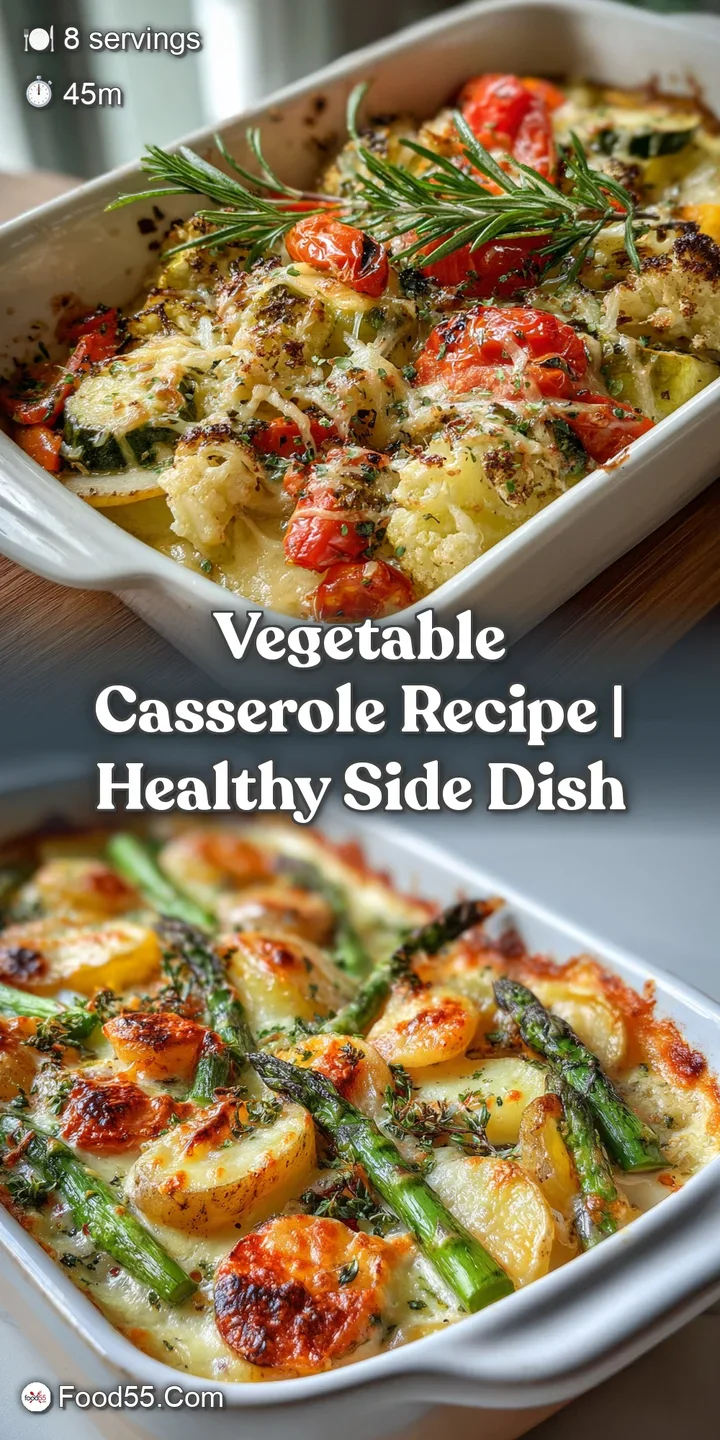
Vegetable Casserole Recipe
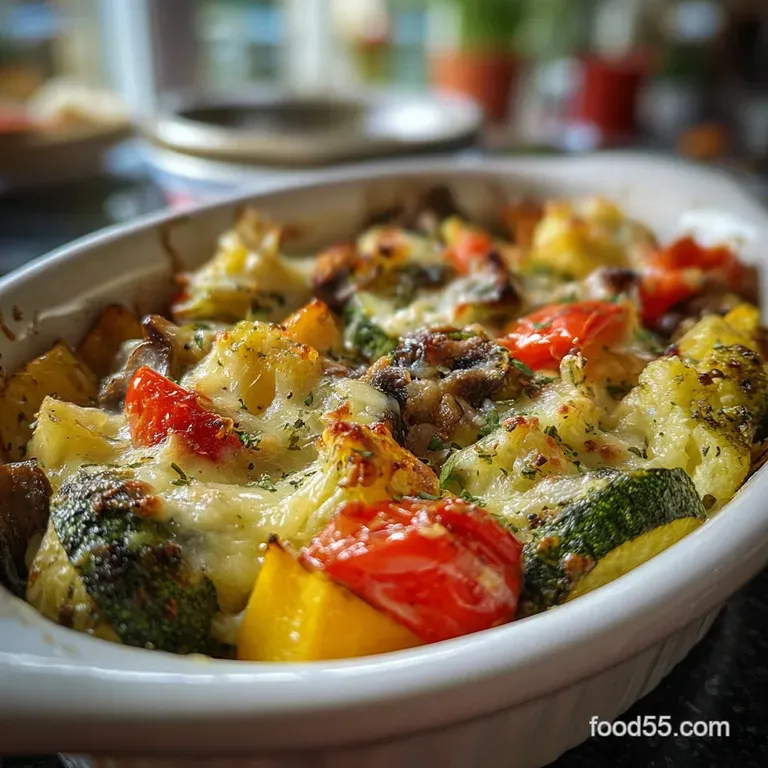
- Time: Active 15 minutes, Passive 30 minutes, Total 45 minutes
- Flavor/Texture Hook: Nutty cheddar meets crisp tender vegetables under a buttery, shattering topping
- Perfect for: Seasonal gatherings, Sunday roasts, or beginner friendly meal prep
- Bringing Color to Your Vegetable Casserole Recipe
- The Starch Fat Emulsion Secret
- Component Analysis for Optimal Texture
- Essential Elements for the Perfect Dish
- Tools for a Seamless Cooking Experience
- Crafting Your Dish Step by Step
- Strategic Fixes for Common Kitchen Hurdles
- Adapting Flavors for Every Dietary Need
- Maintaining Freshness and Reducing Kitchen Waste
- Artful Plating and Garnish Strategies
- Recipe FAQs
- 📝 Recipe Card
Bringing Color to Your Vegetable Casserole Recipe
The kitchen smells like a crisp autumn morning right now, mostly because there's a tray of bubbling cheddar and nutmeg scented vegetables sitting on my counter. I used to think casseroles were where vegetables went to die - just a sea of gray green mush hidden under canned soup. It was honestly depressing.
Then, I had a realization while staring at a gorgeous head of local purple cauliflower: why are we overcooking the life out of these vibrant plants?
We've all been there, pulling a dish out of the oven only to find a watery mess at the bottom. It's frustrating, right? But I've spent the last few seasons obsessing over moisture control and texture. This vegetable casserole recipe is my "aha!" moment.
It celebrates the snap of a carrot and the earthy bite of broccoli, all while keeping that comforting, cheesy hug we crave.
Right then, let's talk about what makes this work. We aren't just throwing things in a dish and hoping for the best. We’re treating each component with respect. You’ll get that satisfying sizzle when you pour the velvety sauce over the par steamed florets, and the aroma of fresh thyme will make your neighbors jealous.
Trust me on this one; it's a total shift in how you’ll view side dishes.
The Starch Fat Emulsion Secret
Amylopectin Stabilization: The flour creates a starch network that traps fat and moisture, preventing the cheese from "breaking" into an oily mess. This ensures every floret is coated in a velvety, cohesive glaze rather than sitting in a puddle of grease.
| Servings | Ingredient Adjustments | Pan Size | Cook Time |
|---|---|---|---|
| 4 people | Half all quantities | 20cm Square | 25 minutes |
| 8 people | Use full Schema amounts | 23x33cm Rectangular | 30 minutes |
| 12 people | 1.5x all quantities | Two 23x33cm pans | 35 minutes |
Choosing the right pan size is vital for heat distribution. If you overcrowd a small dish with double ingredients, the center will stay cold while the edges burn. This reminds me of the layering technique used in a classic Green Bean Casserole recipe.
Component Analysis for Optimal Texture
| Ingredient | Science Role | Pro Secret |
|---|---|---|
| Whole Milk | Liquid Base | Use room temperature milk to prevent the roux from clumping during whisking. |
| Cheddar Cheese | Fat & Flavor | Grate it yourself; pre shredded bags are coated in cellulose which prevents a silky melt. |
| Ground Nutmeg | Flavor Catalyst | This spice bridges the gap between the earthy cabbage family and the rich dairy. |
Essential Elements for the Perfect Dish
For the vegetable base: 500g broccoli florets Why this? Provides structural integrity and captures sauce in the buds. 400g cauliflower florets (Substitute: Romanesco for a nuttier, geometric look) 250g carrots, sliced into 1/4 inch rounds Why this? Adds natural
sweetness and a firm bite. 150g frozen sweet peas, thawed (Substitute: Edamame for more protein) 1 tsp sea salt
For the velvety cheese sauce: 60g unsalted butter (Substitute: Ghee for a higher smoke point) 30g all purpose flour Why this? The essential thickening agent for a stable roux. 480ml whole milk, room temperature 225g sharp yellow cheddar cheese, freshly shredded 1/2 tsp garlic powder 1/4
tsp ground nutmeg 1/2 tsp freshly cracked black pepper
For the shattering crust: 60g panko breadcrumbs Why this? Larger surface area than fine crumbs for maximum crunch. 30g grated Parmesan cheese 30g unsalted butter, melted 1 tsp fresh thyme leaves
Tools for a Seamless Cooking Experience
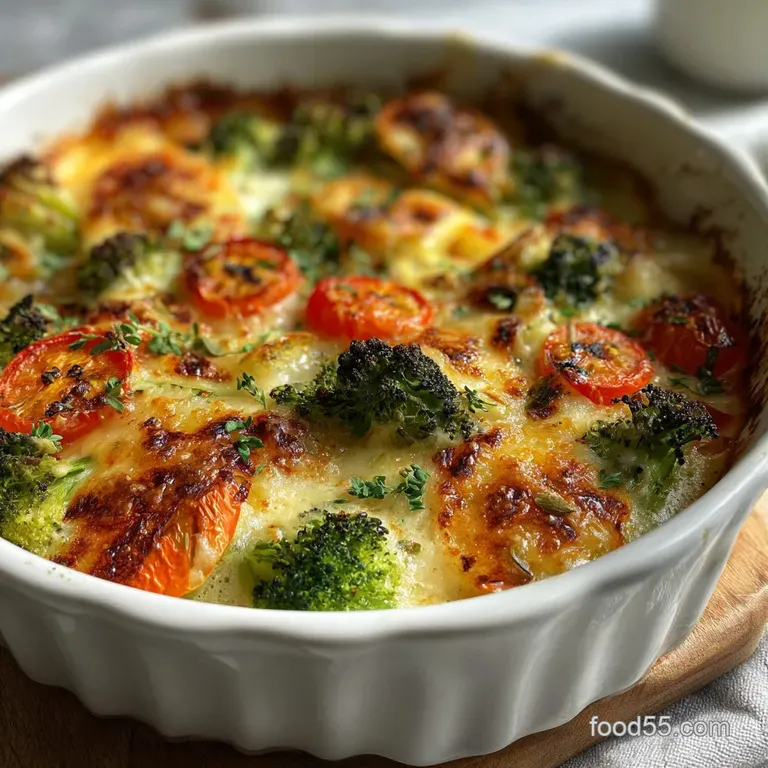
You don't need a professional kitchen, but a few specific tools make this much easier. A heavy bottomed saucepan is non negotiable for the sauce; thin pans hot spot and scorch the milk. I personally use a 23x33cm ceramic baking dish because it holds heat beautifully and looks great on the table.
You'll also want a sturdy whisk and a box grater. Seriously, stop buying the bags of shredded cheese. The starches they add to keep the shreds separate ruin the velvety texture we're after. A large steamer basket is also a must have to ensure we par cook the veggies without drowning them in water.
Crafting Your Dish step-by-step
- Prep the oven. Preheat to 190°C. Note: A hot oven ensures the panko toasts before the veggies overcook.
- Par steam the vegetables. Steam broccoli, cauliflower, and carrots for 5 minutes until vibrant and slightly tender.
- Shock and dry. Plunge veggies into cold water, then pat them dry. Note: Excess water is the enemy of a thick sauce.
- Create the roux. Melt 60g butter in a saucepan, then whisk in 30g flour for 2 minutes until it smells like toasted shortbread.
- Build the velouté. Slowly pour in 480ml milk, whisking constantly until the mixture coats the back of a spoon.
- Melt the cheese. Remove from heat and stir in 225g cheddar, garlic powder, nutmeg, and pepper until a silky ribbons form.
- Combine the elements. Fold the steamed vegetables and peas into the cheese sauce gently.
- Prepare the topping. Toss panko, Parmesan, 30g melted butter, and thyme in a small bowl until it looks like wet sand.
- Assemble the bake. Spread the mixture into your dish and top evenly with the panko mixture.
- Bake to finish. Bake for 30 minutes until the edges sizzle and the top is golden brown.
Strategic Fixes for Common Kitchen Hurdles
1. The Pre Shredded Cheese Trap
If your sauce feels "grainy," it's likely the anti clumping agents in bagged cheese. These starches don't dissolve properly in a dairy base. Always grate your own sharp cheddar for that velvety mouthfeel.
2. Avoiding the Mush Factor
Vegetables continue to cook in the oven. If you steam them until they are soft before baking, they will turn to puree. Stop the steaming process when they still have a "snap" in the center.
3. The Essential Resting Period
Don't scoop into the casserole the second it leaves the oven. The sauce needs 5 to 10 minutes to set. If you cut it too early, the cheese sauce will run to the corners of the dish instead of clinging to the vegetables.
| Problem | Root Cause | Solution |
|---|---|---|
| Watery base | Veggies weren't dried | Pat par steamed veggies dry with a clean towel before mixing. |
| Bland flavor | Under seasoned roux | Ensure you use the full 1/2 tsp of pepper and nutmeg. |
| Soft topping | Butter was cold | Ensure the topping butter is fully melted and coats every crumb. |
Common Mistakes Checklist ✓ Never skip the par steaming step; raw carrots will stay hard while the sauce burns. ✓ Whisk the milk in slowly; dumping it all at once creates flour lumps. ✓ Use a sharp cheddar; mild cheddar lacks the acidity to balance the creamy milk.
✓ Don't cover the dish with foil while baking; it will steam the panko and make it soggy.
Adapting Flavors for Every Dietary Need
1. The Thanksgiving Flavor Twist
To make this a quintessential Thanksgiving vegetable casserole recipe, swap the thyme for sage and add a handful of dried cranberries to the mix. The tartness of the berries cuts through the heavy cheddar beautifully. If you're serving this alongside a traditional Stuffing Recipe, the savory notes will harmonize perfectly.
2. dairy-free Adaptation
Use a high-quality plant based butter and unsweetened oat milk. For the cheese, look for a nut based cheddar that mentions "melting" on the package. The texture will be slightly thinner, but the flavor remains fresh and vibrant.
3. Low Carb Keto Swap
Replace the 30g of all purpose flour with 1/2 tsp of xanthan gum (whisked into the butter) and swap the panko for crushed pork rinds or almond flour. This keeps the carb count low while maintaining that essential "shatter" on top. If you're looking for more protein heavy bakes, you can always pivot toward a Homemade Ground Beef recipe.
Chef's Tip: Freeze your butter for 10 minutes before grating it into the breadcrumbs. This creates tiny "fat pockets" that explode in the heat, making the crust significantly crunchier than just using melted butter.
Maintaining Freshness and Reducing Kitchen Waste
Storage: This casserole keeps beautifully in the fridge for up to 4 days. Store it in an airtight container once it has completely cooled. When reheating, use the oven at 170°C rather than the microwave to preserve the panko's texture.
Freezing: You can freeze the unbaked casserole (minus the topping) for up to 2 months. Thaw it overnight in the fridge before adding the fresh panko mixture and baking. Freezing the baked version can make the vegetables a bit softer, but it's still great for a quick lunch.
Zero Waste: Don't throw away those broccoli and cauliflower stems! Peel the woody outer layer, slice the tender interiors, and steam them right along with the florets. They have a wonderful, sweet flavor and add a different texture to the mix.
Artful Plating and Garnish Strategies
1. The Power of Color
When plating, look for a balance of the orange carrots, white cauliflower, and green broccoli. I like to add a final "pop" of color just before serving. A dusting of smoked paprika or a few extra leaves of fresh thyme can transform a rustic bake into a vibrant centerpiece.
2. Using Individual Ramekins
For a more formal dinner, bake the mixture in individual ramekins. This gives everyone their own portion of the "corner piece" - that coveted area where the cheese gets extra crispy against the side of the dish.
Stovetop vs. Oven Comparison
| Method | Time | Texture | Best For |
|---|---|---|---|
| Stovetop Only | 15 mins | Creamy/Soft | Quick weeknight meal without the crunch. |
| Oven Finished | 30 mins | Crispy/Baked | Dinner parties and holiday gatherings. |
If you want X, do Y: If you want a deeper flavor, roast the carrots and cauliflower instead of steaming them. If you want it spicier, add a pinch of cayenne pepper to the flour while making the roux. If you want it heartier, add 100g of cooked quinoa to the vegetable mix before baking.
Recipe FAQs
What is the best vegetable to use in a casserole?
It depends on the flavor profile you want. Root vegetables like carrots and potatoes offer sweetness and firmness, while cruciferous vegetables such as broccoli and cauliflower absorb sauce well and provide texture. For a balanced dish, a mix of hearty and tender vegetables is ideal, similar to how diverse ingredients come together in our Hearty Ground Turkey and Potato Skillet Classic with Garlic: One-Pot.
What to put in veggie casserole?
A good veggie casserole starts with a base of mixed vegetables and a creamy binder. Think hearty options like potatoes, carrots, and broccoli, combined with a rich cheese sauce or a béchamel. Adding protein like beans or lentils can make it more substantial, and a crunchy topping like breadcrumbs or fried onions elevates the texture. This concept of building layers of flavor and texture is also key in recipes like Classic OvenBaked Stuffed Bell Peppers My Familys Favorite.
What's the secret to a good casserole?
Balancing moisture and texture is crucial for a great casserole. Avoid watery results by par-cooking vegetables until tender crisp, and ensure your binder, like a cheese sauce, is thick enough to coat ingredients. A flavorful topping adds contrast, preventing everything from becoming mushy. If you enjoyed mastering the texture balance here, see how the same principle of controlled moisture applies in our Easy Creamed Corn Recipe: My Family's Go-To Comfort Classic.
What are some popular vegetable dishes?
Popular vegetable dishes often feature seasonal produce prepared in comforting ways. Dishes like roasted root vegetables, creamy gratins, flavorful stir fries, and hearty casseroles are favorites. Even simple preparations like steamed asparagus with lemon butter or a vibrant salad can be showstoppers. Consider the comforting appeal of a classic like Easy Creamed Corn Recipe: My Family's Go-To Comfort Classic, which highlights simple ingredients beautifully.
Can I use frozen vegetables in a casserole?
Yes, but with caution. Frozen vegetables can release excess water, making your casserole soggy. If using them, thaw and drain them thoroughly first, or add them during the last 10-15 minutes of baking to minimize moisture release.
How do I prevent my casserole from being watery?
Thoroughly drain or par-cook vegetables before adding them. For vegetables like broccoli or zucchini, steaming them until tender crisp and then patting them dry is effective.
You can also consider pre-cooking watery vegetables like mushrooms or spinach to evaporate excess liquid before incorporating them into the casserole mixture.
What's the best way to get a crispy topping on a vegetable casserole?
Use ingredients that toast well and ensure they're coated in fat. Panko breadcrumbs tossed with melted butter or oil, crushed crackers, or a mix of grated cheese and breadcrumbs work wonders.
Baking uncovered at a moderate to high temperature ensures the topping gets golden and crisp rather than steaming and becoming soggy.
Vegetable Casserole Recipe
Ingredients:
Instructions:
Nutrition Facts:
| Calories | 349 kcal |
|---|---|
| Protein | 15g |
| Fat | 21g |
| Carbs | 21g |
| Fiber | 4.5g |
| Sugar | 4.5g |
| Sodium | 375mg |
