Red Bean Ice Cream: Creamy Hong Kong Style
- Unlocking the Secret to Velvet Azuki: A Custard Base Approach
- The Science of Smooth: Why a French Custard Elevates Red Bean Ice Cream
- Essential Components: Ingredients for the Ultimate Azuki Base
- Method Mastery: Crafting and Churning the Creamy Red Bean Delight
- Troubleshooting Red Bean Ice Cream: Expert Tips and Texture Fixes
- Preservation & Quality: Storing Your Homemade Frozen Dessert
- Beyond the Cone: Pairing and Garnishing Your Azuki Creation
- The Science of Smooth: Why a French Custard Elevates Red Bean Ice Cream
- Essential Components: Ingredients for the Ultimate Azuki Base
- Method Mastery: Crafting and Churning the Creamy Red Bean Delight
- Troubleshooting Red Bean Ice Cream: Expert Tips and Texture Fixes
- Preservation & Quality: Storing Your Homemade Frozen Dessert
- Beyond the Cone: Pairing and Garnishing Your Azuki Creation
- Recipe FAQs
- 📝 Recipe Card
Unlocking the Secret to Velvet Azuki: A Custard Base Approach
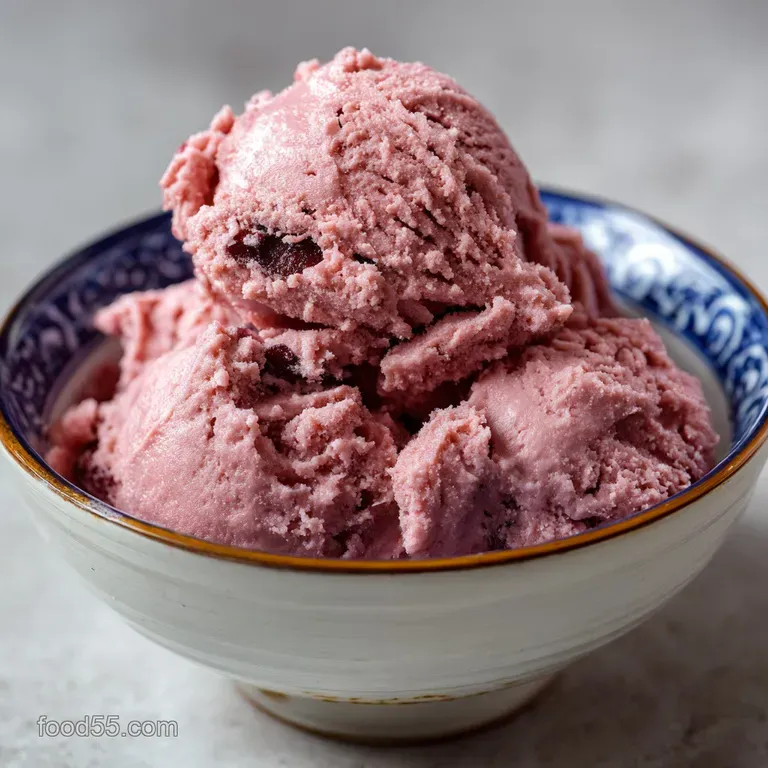
When you first spoon into true homemade red bean ice cream , the magic isn't just the taste it's that luxurious, non-icy texture. That incredibly silky, cold hug of cream perfectly studded with earthy, subtly sweet adzuki beans.
It is totally different from the supermarket stuff; the depth of the bean flavor combined with an almost impossibly smooth dairy base is what we are chasing.
I know what you're thinking: isn't making ice cream hard? Well, the truth is, once you master the simple custard technique, this homemade red bean ice cream is surprisingly straightforward. It takes time, yes, mostly chilling time, but the active work is absolutely manageable on a weeknight.
It's affordable, it’s comforting, and honestly, nothing beats the feeling of knowing you nailed that texture.
So ditch the overly icy, store-bought cartons and let’s dive into the real way to make this iconic Asian dessert. We are going French style here, using egg yolks to create a rich, velvety custard base a true game changer for any red bean ice cream recipe .
Trust me, the extra effort is worth every single perfect, creamy scoop.
The Science of Smooth: Why a French Custard Elevates Red Bean Ice Cream
A successful red bean ice cream isn’t just about the beans; it’s about controlling water content and crystallization. Cheaper recipes skip the egg yolks, resulting in an icier finish.
We are aiming for something that melts slowly on the tongue, not something that crunches like a glacier.
Defining Azuki: The Earthy Star of the Show
The traditional Japanese and Chinese sweet red bean is the adzuki bean, often mislabeled here simply as "red bean." These small, deep burgundy beans have a unique, almost nutty earthiness that holds up beautifully against rich dairy, unlike larger kidney beans which can sometimes taste too savory.
They are the backbone of this delicious dessert. Without perfectly cooked Azuki, you just won't get that classic Azuki Red Bean Ice Cream flavor profile we crave.
Why a Cooked Custard Base Changes Everything
We use a cooked custard base, technically a crème anglaise , because it completely transforms the texture. The heating process thickens the base slightly, which helps bind the water and fat. This results in a much lower freezing point compared to a simple milk and sugar mix.
This is the secret to scoopable, non-icy homemade ice cream.
What Defines Hong Kong Style Red Bean Desserts?
Hong Kong often features its red bean desserts with incredibly creamy components, usually involving evaporated or condensed milk for that dense, almost chewy texture. When creating this red bean ice cream , we lean into that high fat profile using heavy cream and the richness of the egg yolks, ensuring that satisfying, slow melt and superior mouthfeel.
Achieving Maximum Creaminess: The Role of Egg Yolks and Fat Content
Egg yolks are nature’s emulsifiers. They contain lecithin, which helps fat and water molecules stay perfectly blended and prevents them from separating during churning and freezing. This dramatically improves the texture of your homemade red bean ice cream .
High fat dairy (heavy cream) provides the luxurious richness, while the protein in the yolks locks it all together.
Preventing Ice Crystals: Mastering the Freezing Point Depression
Sugar is our other hero here. Not only does it sweeten the dessert, but it actively lowers the temperature at which water freezes, a process called freezing point depression. By concentrating the sugar in the custard and also having sweetened beans mixed in, we ensure the final product stays soft enough to scoop, even straight out of a deep freezer.
The Perfect Bean Consistency: Balancing Paste vs. Whole Beans
For the ultimate experience, I recommend using whole, tender, sweetened beans rather than a smooth paste ( koshi-an ). Why? Because you want textural contrast. That little burst of bean against the velvety cold cream is what makes this the best Japanese Red Bean Ice Cream style preparation.
Chef's Note: If you prefer a lighter, less caloric dessert, you can substitute some whole milk for the heavy cream, but be warned your ice cream will be noticeably icier. Stick to the full fat for true decadence.
Essential Components: Ingredients for the Ultimate Azuki Base
Making delicious red bean ice cream requires attention to detail on both the custard side and the bean preparation side. Don’t skimp on quality here; garbage in equals garbage out!
Sourcing the Best Azuki Beans (or Quality Canned Substitutes)
Look for bright, uniform, dried adzuki beans, usually found in the international or Asian food aisles. They cook faster than kidney beans and are essential for that signature flavor.
| Ingredient | Role | Substitution |
|---|---|---|
| Dried Adzuki Beans | Flavor and texture. | Canned Sweetened Red Bean Paste ( Koshi-an ) or very well rinsed, unsweetened kidney beans (adjust sugar). |
| Granulated Sugar | Sweetness and lowering the freezing point. | Half honey/Half table sugar, or light brown sugar for depth (adjust liquid). |
Dairy Breakdown: Choosing Heavy Cream and Milk Fats for Texture
Always use the highest fat content available. We need that richness to prevent the ice cream from freezing rock solid.
| Ingredient | Role | Substitution |
|---|---|---|
| Heavy Cream (35%+ fat) | Provides luxurious texture. | Whipping cream or half and half (will be less rich). |
| Whole Milk | Base liquid; helps dissolve sugar. | low-fat milk (will be icier) or even a rich oat milk alternative for non-dairy. |
Sweeteners Spotlight: Balancing Sugar Types for Scooping Ease
We rely on granulated sugar because it dissolves easily and provides clean sweetness. However, if you want a slightly chewier texture, you could swap 1/4 cup of the sugar for corn syrup or glucose, which further inhibits crystallization.
The Azuki Preparation Dilemma: Homemade Paste vs. store-bought Koshi-An
While store-bought koshi-an (red bean paste) is a fantastic shortcut for flavor, it often lacks the whole bean texture that truly elevates this particular dessert. I highly recommend cooking your own beans. It’s mostly hands off simmering, and your kitchen will smell utterly marvelous.
If you choose to use the paste, just ensure it’s thoroughly chilled before folding it in.
Method Mastery: Crafting and Churning the Creamy Red Bean Delight
Let’s crack on with exactly how to make red bean ice cream . Remember, precision and chilling time are key!
Phase 1: Gently Tempering the Custard (Crème Anglaise Technique)
- Prep the Beans (Start Early!): Rinse those adzuki beans. Bring them to a boil with plenty of water, drain immediately, and cover with fresh water. Simmer gently until they are tender enough to squish between your fingers but still hold their shape, about 45– 60 minutes.
- Sweeten and Cool: Drain almost all the liquid, leaving maybe an inch. Stir in the sugar and salt until dissolved. Let this mixture gently bubble for 5 minutes, thickening slightly. Transfer the sweetened beans to a separate container and chill until stone cold. This prevents them from warming the custard later.
- Yolks and Sugar: Whisk the egg yolks and the reserved sugar in a heatproof bowl until the mixture is pale yellow and ribbons off the whisk.
- Heat the Dairy: In a heavy saucepan, bring the cream, milk, and vanilla just to the point of steaming you’ll see tiny bubbles forming around the edges. Don’t let it boil!
- Temper, Temper, Temper: Slowly ladle about a cup of the hot dairy into the egg mixture while whisking vigorously. You’re gently raising the temperature of the eggs. Pour this warmed mixture back into the saucepan with the remaining dairy.
Phase 2: Infusing the Azuki Flavor and Chilling Overnight
- Cook the Custard: Cook the base over medium low heat, stirring constantly with a rubber spatula. This is where patience pays off. Keep stirring until the mixture thickens slightly and coats the back of the spoon (the nappe test).
- The Temperature Rule: Use an instant read thermometer! You must hit 170°F (77° C) to pasteurize the eggs and thicken the custard, but never exceed 180°F (82° C) , or you’ll scramble the yolks. When your thermometer sings 170°F, pull it off the heat immediately.
- Strain and Chill: Pour the hot custard through a fine mesh sieve right away into a clean bowl. This catches any tiny pieces of cooked egg (it happens!). Press plastic wrap directly onto the surface of the custard to prevent a skin from forming. Chill in the refrigerator for a minimum of 8 hours, but honestly, overnight is better. A super cold base churns better and yields maximum creaminess.
Phase 3: The Freezing Process and Adding the Texture Boost (Whole Beans)
- Churn: Ensure your ice cream maker bowl is frozen solid. Pour in the completely chilled custard base and churn according to your machine’s instructions (usually 20– 30 minutes) until it looks like thick soft serve ice cream.
- Fold and Harden: Turn off the machine and gently fold in the chilled sweetened adzuki beans. You want them distributed, but avoid mixing too aggressively, as that can deflate the soft serve texture. Transfer the finished batch of red bean ice cream to an airtight container.
- Cure: Freeze for at least 4 hours to harden, or "cure," before serving. The curing process allows the mixture to fully set and achieve that perfect scoop consistency.
Troubleshooting Red Bean Ice Cream: Expert Tips and Texture Fixes
We've all been there. The batch looks amazing until it hits the freezer and turns into a brick. Here are the common failures and simple fixes when preparing your Azuki Red Bean Ice Cream .
How to Prevent the Custard Base from Scrambling (The 175°F Rule)
The most common failure is turning your base into sweet scrambled eggs. This happens because the eggs cooked too quickly. The Fix: Tempering slowly is essential, and cooking over medium LOW heat is mandatory.
If you see any tiny flecks forming in the custard, pull it off the heat immediately and whisk vigorously. If it’s really lumpy, pass it through a blender before straining.
Reviving Icy Batches: Re-churning vs. Repurposing
If your freshly churned ice cream ends up icy after hardening, it means your base wasn't cold enough during churning, or you didn't have enough sugar/fat. The Fix: If it’s slightly icy, let it soften in the fridge for an hour, and then re-churn it in your machine.
If it’s too far gone, you can repurpose the frozen bricks! Blend them with a splash of milk to make an incredible, thick red bean ice cream milkshake.
Ensuring Deep Azuki Flavor: Maximizing Bean Steeping Time
Sometimes, the beans taste bland next to the rich custard. This usually means they didn't absorb enough sugar or didn't cook long enough. The Fix: After simmering the beans until tender, allow them to cool completely in their own sweetened liquid .
This allows osmosis to pull the sweetness deep into the center of the bean, maximizing that earthy flavor profile.
Preservation & Quality: Storing Your Homemade Frozen Dessert
The lifespan of your homemade red bean ice cream depends entirely on how well you protect it from air and temperature fluctuations.
Container Selection: Minimizing Air Exposure and Freezer Burn
Do not just use any old plastic tub. Choose an airtight, shallow container. Shallow containers freeze faster, which helps maintain small ice crystals. After spooning in the churned ice cream, place a layer of plastic wrap directly on the surface before sealing the lid. This is your defense against dreaded freezer burn.
Curing Time Defined: Achieving the Perfect Scoop Consistency
While you can eat the mixture right after churning (it's called "fresh ice cream" or soft serve), for true scooping integrity, give it 4 to 6 hours in the deep freeze. This curing time allows the internal structure to fully stabilize. Don't rush this part!
How Long Does Homemade Custard Ice Cream Last?
Because we used fresh eggs, the lifespan is shorter than commercial varieties. Properly stored, this red bean ice cream will maintain peak flavor and texture for about two weeks. After that, quality begins to decline, and ice crystals become more noticeable.
Beyond the Cone: Pairing and Garnishing Your Azuki Creation
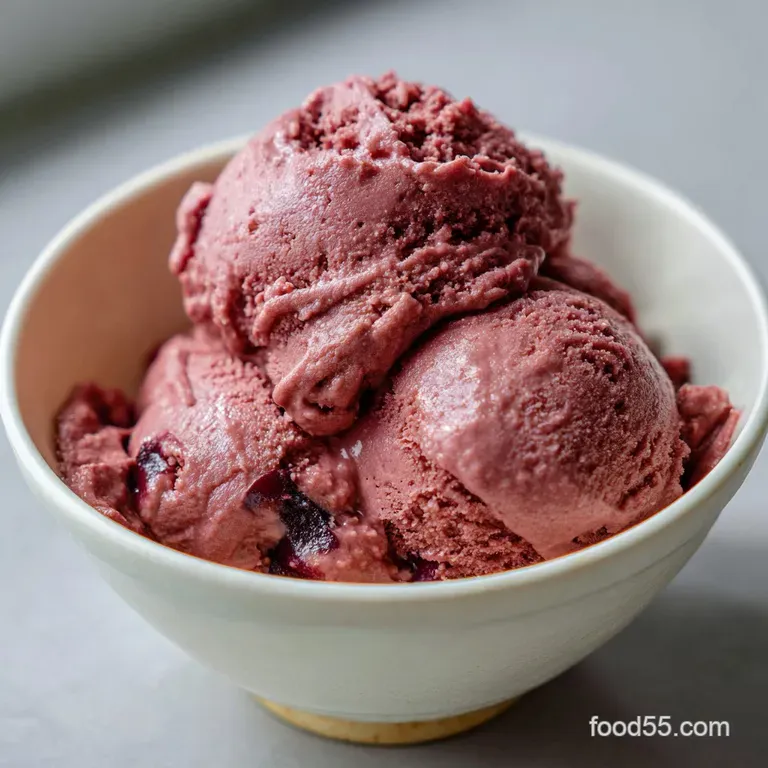
This is where the fun begins! Your perfect red bean ice cream deserves a beautiful presentation.
Serve your scoops garnished with a light drizzle of condensed milk the classic Hong Kong café move. The extra sweetness and sticky texture are a great foil for the creamy base. You can also sprinkle on some toasted sesame seeds or a tiny bit of flaky sea salt for a punch of contrast.
If you happen to have some leftover rice that you made using my guide for Rice Cooker Rice: Fluffy, Perfect Medium Grain Every Time (though white rice is not a traditional topping, it’s a fun, slightly weird pairing for texture!), or maybe some chilled mochi, those small additions really make the dessert pop. Enjoy every velvety spoonful of this incredible red bean ice cream flavor ! You nailed it.## Velvet Azuki: Creamy Hong Kong Style Red Bean Ice Cream
When you first spoon into true homemade red bean ice cream , the magic isn't just the taste it's that luxurious, non-icy texture. That incredibly silky, cold hug of cream perfectly studded with earthy, subtly sweet adzuki beans is what we are after.
It is totally different from the supermarket stuff; the depth of the bean flavor combined with an almost impossibly smooth dairy base is pure comfort.
I know what you're thinking: isn't making ice cream hard? Well, the truth is, once you master the simple custard technique, this homemade red bean ice cream is surprisingly straightforward.
It takes time, yes mostly chilling time but the active work is absolutely manageable on a weeknight. It's affordable, it’s comforting, and honestly, nothing beats the feeling of knowing you nailed that texture.
So ditch the overly icy, store-bought cartons and let’s dive into the real way to make this iconic Asian dessert. We are going French style here, using egg yolks to create a rich, velvety custard base a true game changer for any red bean ice cream recipe .
Trust me, the extra effort is worth every single perfect, creamy scoop.
The Science of Smooth: Why a French Custard Elevates Red Bean Ice Cream
A successful red bean ice cream isn’t just about the beans; it’s about controlling water content and crystallization. Cheaper recipes skip the egg yolks, resulting in an icier finish.
We are aiming for something that melts slowly on the tongue, not something that crunches like a glacier.
Defining Azuki: The Earthy Star of the Show
The traditional Japanese and Chinese sweet red bean is the adzuki bean, often mislabeled here simply as "red bean." These small, deep burgundy beans have a unique, almost nutty earthiness that holds up beautifully against rich dairy, unlike larger kidney beans which can sometimes taste too savory.
They are the backbone of this delicious dessert. Without perfectly cooked Azuki, you just won't get that classic Azuki Red Bean Ice Cream flavor profile we crave.
Why a Cooked Custard Base Changes Everything
We use a cooked custard base, technically a crème anglaise , because it completely transforms the texture. The heating process thickens the base slightly, which helps bind the water and fat. This results in a much lower freezing point compared to a simple milk and sugar mix.
This is the secret to scoopable, non-icy homemade ice cream.
What Defines Hong Kong Style Red Bean Desserts?
Hong Kong often features its red bean desserts with incredibly creamy components, usually involving evaporated or condensed milk for that dense, almost chewy texture. When creating this red bean ice cream , we lean into that high fat profile using heavy cream and the richness of the egg yolks, ensuring that satisfying, slow melt and superior mouthfeel.
Achieving Maximum Creaminess: The Role of Egg Yolks and Fat Content
Egg yolks are nature’s emulsifiers. They contain lecithin, which helps fat and water molecules stay perfectly blended and prevents them from separating during churning and freezing. This dramatically improves the texture of your homemade red bean ice cream .
High fat dairy (heavy cream) provides the luxurious richness, while the protein in the yolks locks it all together.
Preventing Ice Crystals: Mastering the Freezing Point Depression
Sugar is our other hero here. Not only does it sweeten the dessert, but it actively lowers the temperature at which water freezes, a process called freezing point depression. By concentrating the sugar in the custard and also having sweetened beans mixed in, we ensure the final product stays soft enough to scoop, even straight out of a deep freezer.
The Perfect Bean Consistency: Balancing Paste vs. Whole Beans
For the ultimate experience, I recommend using whole, tender, sweetened beans rather than a smooth paste ( koshi-an ). Why? Because you want textural contrast. That little burst of bean against the velvety cold cream is what makes this the best Japanese Red Bean Ice Cream style preparation.
Chef's Note: If you prefer a lighter, less caloric dessert, you can substitute some whole milk for the heavy cream, but be warned your ice cream will be noticeably icier. Stick to the full fat for true decadence.
Essential Components: Ingredients for the Ultimate Azuki Base
Making delicious red bean ice cream requires attention to detail on both the custard side and the bean preparation side. Don’t skimp on quality here; garbage in equals garbage out!
Sourcing the Best Azuki Beans (or Quality Canned Substitutes)
Look for bright, uniform, dried adzuki beans, usually found in the international or Asian food aisles. They cook faster than kidney beans and are essential for that signature flavor.
| Ingredient | Role | Substitution |
|---|---|---|
| Dried Adzuki Beans | Flavor and texture. | Canned Sweetened Red Bean Paste ( Koshi-an ) or very well rinsed, unsweetened cannellini beans (adjust sugar). |
| Granulated Sugar | Sweetness and lowering the freezing point. | Half honey/Half table sugar, or light brown sugar for depth (adjust liquid). |
Dairy Breakdown: Choosing Heavy Cream and Milk Fats for Texture
Always use the highest fat content available. We need that richness to prevent the ice cream from freezing rock solid.
| Ingredient | Role | Substitution |
|---|---|---|
| Heavy Cream (35%+ fat) | Provides luxurious texture. | Whipping cream or half and half (will be less rich). |
| Whole Milk | Base liquid; helps dissolve sugar. | low-fat milk (will be icier) or even a rich oat milk alternative for non-dairy. |
Sweeteners Spotlight: Balancing Sugar Types for Scooping Ease
We rely on granulated sugar because it dissolves easily and provides clean sweetness. Remember, the sugar is a key ingredient for successful Red Bean Ice Cream Ingredients list, giving us that lovely soft scoop.
The Azuki Preparation Dilemma: Homemade Paste vs. store-bought Koshi-An
While store-bought koshi-an (red bean paste) is a fantastic shortcut for flavor, it often lacks the whole bean texture that truly elevates this particular dessert. I highly recommend cooking your own beans for this red bean ice cream .
If you choose to use the paste, just ensure it’s thoroughly chilled before folding it in.
Method Mastery: Crafting and Churning the Creamy Red Bean Delight
Let’s crack on with exactly how to make red bean ice cream . Remember, precision and chilling time are key!
Phase 1: Gently Tempering the Custard (Crème Anglaise Technique)
- Prep the Beans (Start Early!): Rinse those adzuki beans. Bring them to a boil with plenty of water, drain immediately, and cover with fresh water. Simmer gently until they are tender enough to squish between your fingers but still hold their shape, about 45– 60 minutes.
- Sweeten and Cool: Drain almost all the liquid, leaving maybe an inch. Stir in the sugar and salt until dissolved. Let this mixture gently bubble for 5 minutes, thickening slightly. Transfer the sweetened beans to a separate container and chill until stone cold.
- Yolks and Sugar: Whisk the egg yolks and the reserved sugar in a heatproof bowl until the mixture is pale yellow and ribbons off the whisk.
- Heat the Dairy: In a heavy saucepan, bring the cream, milk, and vanilla just to the point of steaming you’ll see tiny bubbles forming around the edges. Don’t let it boil!
- Temper, Temper, Temper: Slowly ladle about a cup of the hot dairy into the egg mixture while whisking vigorously. You’re gently raising the temperature of the eggs. Pour this warmed mixture back into the saucepan with the remaining dairy.
Phase 2: Infusing the Azuki Flavor and Chilling Overnight
- Cook the Custard: Cook the base over medium low heat, stirring constantly with a rubber spatula. Keep stirring until the mixture thickens slightly and coats the back of the spoon (the nappe test). The kitchen will start smelling warm and vanilla rich.
- The Temperature Rule: Use an instant read thermometer! You must hit 170°F (77° C) , but never exceed 180°F (82° C) . When your thermometer sings 170°F, pull it off the heat immediately.
- Strain and Chill: Pour the hot custard through a fine mesh sieve right away into a clean bowl. Press plastic wrap directly onto the surface of the custard to prevent a skin from forming. Chill in the refrigerator for a minimum of 8 hours, but honestly, overnight is better. A super cold base churns better and results in the creamiest batch of red bean ice cream .
Phase 3: The Freezing Process and Adding the Texture Boost (Whole Beans)
- Churn: Ensure your ice cream maker bowl is frozen solid. Pour in the completely chilled custard base and churn according to your machine’s instructions (usually 20– 30 minutes) until it reaches the texture of thick soft serve ice cream.
- Fold and Harden: Turn off the machine and gently fold in the chilled sweetened adzuki beans. You want them distributed, but avoid mixing too aggressively. Transfer the finished batch of red bean ice cream to an airtight container. If you don't have a churner, see my notes below on a No Churn Red Bean Ice Cream alternative!
- Cure: Freeze for at least 4 hours to harden, or "cure," before serving.
Troubleshooting Red Bean Ice Cream: Expert Tips and Texture Fixes
We've all been there. The batch looks amazing until it hits the freezer and turns into a brick. Here are the common failures and simple fixes when preparing your Azuki Red Bean Ice Cream .
How to Prevent the Custard Base from Scrambling (The 175°F Rule)
The most common failure is turning your base into sweet scrambled eggs. This happens because the eggs cooked too quickly. The Fix: Tempering slowly is essential, and cooking over medium LOW heat is mandatory.
If you see any tiny flecks forming in the custard, pull it off the heat immediately and whisk vigorously. If it’s really lumpy, pass it through a blender before straining.
Reviving Icy Batches: Re-churning vs. Repurposing
If your freshly churned ice cream ends up icy after hardening, it means your base wasn't cold enough during churning, or you didn't have enough sugar/fat. The Fix: If it’s slightly icy, let it soften in the fridge for an hour, and then re-churn it in your machine.
If it’s too far gone, you can repurpose the frozen bricks! Blend them with a splash of milk to make an incredible, thick red bean paste ice cream milkshake.
Ensuring Deep Azuki Flavor: Maximizing Bean Steeping Time
Sometimes, the beans taste bland next to the rich custard. This usually means they didn't absorb enough sugar or didn't cook long enough. The Fix: After simmering the beans until tender, allow them to cool completely in their own sweetened liquid .
This allows osmosis to pull the sweetness deep into the center of the bean, maximizing that earthy flavor profile.
Preservation & Quality: Storing Your Homemade Frozen Dessert
The lifespan of your homemade red bean ice cream depends entirely on how well you protect it from air and temperature fluctuations.
Container Selection: Minimizing Air Exposure and Freezer Burn
Do not just use any old plastic tub. Choose an airtight, shallow container. Shallow containers freeze faster, which helps maintain small ice crystals. After spooning in the churned ice cream, place a layer of plastic wrap directly on the surface before sealing the lid. This is your defense against dreaded freezer burn.
Curing Time Defined: Achieving the Perfect Scoop Consistency
While you can eat the mixture right after churning, for true scooping integrity, give it 4 to 6 hours in the deep freeze. This curing time allows the internal structure to fully stabilize. This wait is crucial for the best red bean ice cream texture.
How Long Does Homemade Custard Ice Cream Last?
Because we used fresh eggs, the lifespan is shorter than commercial varieties. Properly stored, this red bean ice cream will maintain peak flavor and texture for about two weeks. After that, quality begins to decline, and ice crystals become more noticeable.
Beyond the Cone: Pairing and Garnishing Your Azuki Creation
This is where the fun begins! Your perfect red bean ice cream deserves a beautiful presentation.
Serve your scoops garnished with a light drizzle of condensed milk the classic Hong Kong café move. The extra sweetness and sticky texture are a great foil for the creamy base. For a traditional Japanese Red Bean Ice Cream pairing, sprinkle on some toasted black sesame seeds.
Enjoy every velvety spoonful of this incredible red bean ice cream flavor . Trust me, once you make this custard base version, you’ll never look at store-bought the same way again.

Recipe FAQs
Why did my custard base scramble or curdle when cooking?
This common issue occurs if you did not properly "temper" the egg yolks, meaning you added the hot cream too quickly, effectively cooking the eggs. To fix a lightly scrambled batch, immediately pour the mixture through a fine mesh sieve to catch cooked pieces, then use an immersion blender to smooth it out before chilling.
My ice cream is hard and icy, not smooth and creamy. What went wrong?
Icy texture usually means the base lacked sufficient fat or sugar, or that it was churned too slowly, allowing large ice crystals to form. Ensure your churner bowl is completely frozen (usually 24 hours minimum) and consider adding a tablespoon of neutral alcohol, like vodka, which acts as a powerful anti freeze agent.
Can I make this red bean ice cream completely vegan?
Yes, you can substitute the dairy with a combination of full fat coconut cream and plant based milk for richness. Replace the egg yolks with a small amount of cornstarch or arrowroot slurry, or use a commercial stabilizer, to ensure the base thickens properly without dairy protein.
Is it acceptable to use canned or pre-sweetened azuki beans?
You may use canned beans for convenience, but you must rinse them thoroughly to remove excess syrup and stabilizers which can alter the final sweetness and flavor profile. If using unsweetened canned beans, make sure to mash and sweeten them lightly according to the recipe's proportion before incorporating them into the custard.
How long will homemade red bean ice cream keep in the freezer?
For optimal texture and flavor, homemade ice cream should ideally be consumed within the first week after churning. While technically safe to eat for up to a month, the quality rapidly declines after two weeks due to ice crystallization and increased risk of freezer burn.
My red bean flavor seems too mild. How can I increase the intensity?
If you want a bolder azuki flavor, try increasing the amount of mashed red bean paste you fold in, ensuring you reduce the amount of liquid dairy slightly to maintain the base consistency. You can also toast the mashed red beans gently before adding them to amplify their earthy notes.
Velvet Red Bean Ice Cream Recipe
Ingredients:
Instructions:
Nutrition Facts:
| Calories | 783 kcal |
|---|---|
| Protein | 21.0 g |
| Fat | 29.6 g |
| Carbs | 108.4 g |
