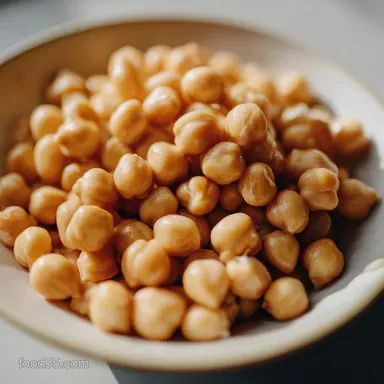
How to Cook Garbanzo Beans from Dry

- Time: 10 min active + 1 h 30 min cooking + 1 h 12 min resting
- Flavor & Texture: Buttery, creamy, and tender
- Perfect for: Meal prep, homemade hummus, or vibrant seasonal salads
How to cook garbanzo beans
Dried beans often end up with a frustrating contrast: either the skins are tough and chewy, or the centers stay chalky no matter how long they simmer. It's a common problem that makes people reach for the can instead of the bag.
This method fixes that. By using a rapid soak technique and delaying the salt, you get a consistent, velvety interior and a skin that actually blends into the bean. It's a simple process that turns a pantry staple into something that feels high-end.
When you know how to cook garbanzo beans this way, you can prep a huge batch for the week. They're fantastic in everything from hearty winter stews to fresh, local spring salads.
The Trick Behind the Texture
- Rapid Hydration: A quick boil and soak penetrates the bean faster than a cold soak, cutting hours of waiting without losing the creamy core.
- Gentle Simmer: Keeping the heat low prevents the beans from bouncing violently in the pot, which keeps the skins from splitting.
- Delayed Salting: Adding salt at the very end ensures the seasoning reaches the center without toughening the outer skin during the long simmer.
| Method | Total Time | Texture | Best For |
|---|---|---|---|
| Stovetop | 172 min | Creamy | Bulk batches |
| Instant Pot | 60 min | Very Soft | Fast meals |
| Slow Cooker | 8 hours | Tender | Set and forget |
Essential Ingredients
- 1 lb (450g) dried garbanzo beans
- 8 cups (1.9L) water
- 1 tbsp (15g) sea salt
- 2 bay leaves
- 1 tsp (5g) whole black peppercorns
- 2 cloves (6g) garlic, smashed
To get the best results, start with high-quality dried beans. Garbanzo beans, also called chickpeas, are a pantry essential for anyone who likes vibrant, plant-based dishes.
- Dried garbanzo beans: The base of the dish. I prefer organic, local beans when available.
- Water: Used for both hydrating and simmering.
- Sea salt: Added at the end to season the core of the bean.
- Bay leaves, peppercorns, and garlic: These create a light, aromatic base that makes the beans taste fresh.
Equipment Needed
No specialized equipment is necessary. A thick-walled pot is ideal for ensuring the heat stays consistent. You'll also need a fine-mesh colander for rinsing and a ladle for tasting.
From Prep to Plate
Preparing the Beans
Place 1 lb of dried garbanzo beans in a pot and cover them with water. Boil for 2 minutes, then take the pot off the heat. Let the beans soak for 1 hour. Drain and rinse them well using a fine-mesh colander. While optional, Soaking chickpeas helps make them easier to digest.

Simmering Until Tender
Combine the soaked beans in a clean pot with 8 cups of fresh water, 2 bay leaves, 1 tsp whole black peppercorns, and 2 smashed garlic cloves. Bring the pot to a boil, then lower the heat to a gentle simmer. Keep the lid partially on. Cook for 60 to 90 minutes.
Begin tasting the beans after 60 minutes. They are done when they are tender but still provide a bit of resistance.

Final Seasoning
Stir in 1 tbsp sea salt and remove the pot from the heat. Let the beans sit in the hot cooking liquid for 10 minutes so the salt can penetrate the core. Drain the beans, but save the cooking liquid (aquafaba) in a jar for other recipes.

Avoiding Kitchen Disasters
Fixing Tough Skins
If your beans are still hard after 90 minutes, you might have "hard water" with high mineral content. Next time, add 1/4 tsp of baking soda to the simmering water. This helps break down the pectin in the skins.
Preventing Bean Bursting
Avoid a rolling boil. If the water is bubbling too hard, the beans will crash into each other and the skins will crack. Keep it at a lazy simmer where only a few bubbles break the surface.
Managing Bitter Aftertastes
Bitterness usually comes from old beans or not rinsing them enough after the soak. Always dump the soaking water and start with fresh water for the simmer.
Simple Swaps and Ideas
If you want a different flavor profile, you can add a piece of kombu for extra umami or a cinnamon stick for a warmer, earthy tone. For those who want a crunch, you can make crispy roasted garbanzo beans by tossing the cooked beans in olive oil and salt, then roasting them at 400°F for 20-30 minutes until they crackle.
If you're serving these as a snack, they go great with a side of Homemade Salsa recipe.
| Original Ingredient | Substitute | Why It Works |
|---|---|---|
| Sea Salt (1 tbsp) | Kosher Salt (1 tbsp) | Use about 15 g by weight, since kosher salt volume varies by brand and grain size |
| Garlic Cloves (2) | Garlic Powder (1/2 tsp) | Adds the base flavor, though less punchy than fresh |
| Bay Leaves (2) | Dried Thyme (1/2 tsp) | Provides a different, herbal aromatic note |
Bean Myths
Some people think you have to soak beans for 12 hours or they'll never soften. That's not true. The quick-soak method (boil and sit) is just as effective for most varieties and saves you a whole day of planning.
Keeping It Fresh
Keep the prepared beans in a glass container in the fridge for up to 5 days. To preserve their buttery texture, store them with a small amount of the cooking liquid.
To freeze, distribute the beans into freezer-safe bags in 2-cup portions. Include a splash of the cooking liquid to avoid freezer burn. These will keep for 3 months. To reheat, combine them in a small pot with a tablespoon of water and warm gently over medium-low heat until heated through.
Best Ways to Serve

This recipe is remarkably adaptable. To get a perfectly smooth hummus, let the beans cook for the full 90 minutes until they are very tender. For use in salads, aim for the 60-70 minute mark so they retain their texture. I love combining them with local olive oil, fresh parsley, and lemon juice for a refreshing side.
Sodium Content Notice
982 mg of sodium per serving (43% DV)
To support heart health, the American Heart Association suggests keeping daily sodium intake under 2,300mg.
Ways to Lower the Sodium
-
Cut Back on Salt
Try omitting or greatly reducing the tablespoon of sea salt used during cooking.
-
Add Citrus for Zest
Mix in fresh lime or lemon juice after cooking to recreate the flavor-boosting effects of salt.
-
Increase Aromatics
Add more smashed garlic or sliced onions to introduce a deeper savory profile.
-
Use Bold Spices
Incorporate extra black peppercorns, smoked paprika, or cumin for a rich taste without the salt.
Good to Know
Should I soak chickpeas before cooking?
Yes, use a rapid soak. Boiling for 2 minutes and letting them sit for an hour hydrates the beans quickly and ensures a creamy core.
Are canned chickpeas as healthy as dried?
Generally, yes, but dried offer more control. Dried beans allow you to manage sodium levels since you control the amount of sea salt added.
How to cook garbanzo beans on stove?
Simmer the soaked beans in water with bay leaves, peppercorns, and garlic for 60 to 90 minutes. Stir in sea salt at the end and let them rest for 10 minutes.
Do garbanzo beans need to be cooked?
Yes, they must be cooked. Cooking softens the dried legumes and makes them digestible and safe to eat.
Where can I use cooked garbanzo beans?
Use them in stews, salads, or dips. Their buttery texture makes them ideal for both chunky seasonal dishes and smooth purees.
Could these be used in hummus?
Yes, they are ideal for blending. The velvety interior created by this method produces a smoother, creamier hummus.
Why add salt at the end?
To prevent tough skins. Delaying the salt is a common way to season the core without much effect on the outer skin during the simmer.
How to Cook Garbanzo Beans