Best Carrot Cake Ever: Moist with Pineapple
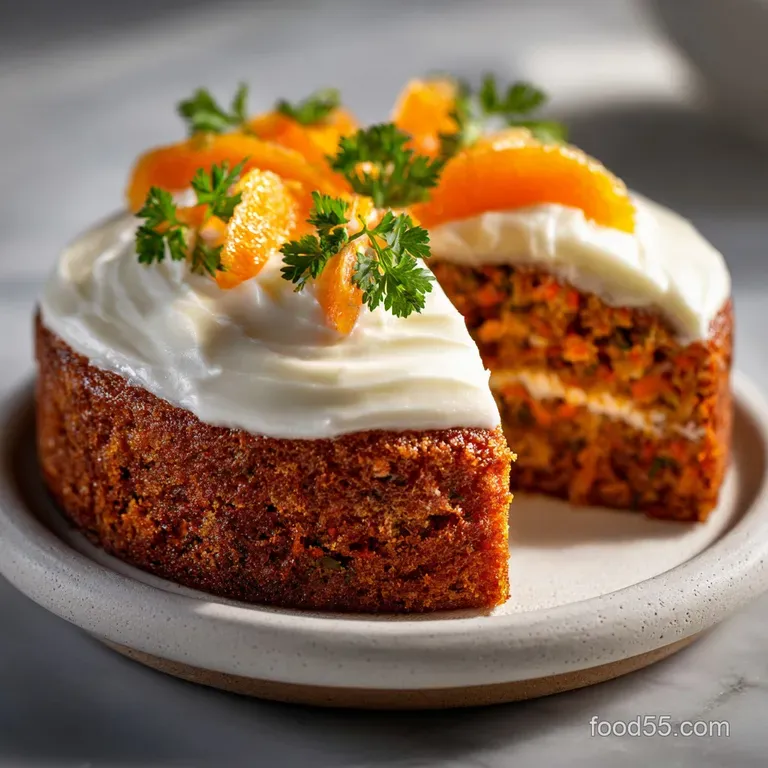
- Time: Active 25 minutes, Passive 35 minutes, Total 60 minutes
- Flavor/Texture Hook: A velvety, spiced crumb with a melt in-your mouth finish
- Perfect for: Seasonal celebrations, family gatherings, or high end weekend brunching
- Sensory Secrets of the Best Carrot Cake Ever
- Why Cold Oil and Fresh Carrots Create Perfection
- Essential Measurements for This Moist Carrot Pineapple Cake
- Selecting Vibrant Seasonal Ingredients for Better Baking
- The Simple Tools Required for This Spiced Masterpiece
- Step-by-Step Guide to the Most Decadent Layers
- Pro Tips to Prevent Common Baking Mishaps
- Creative Variations for Every Seasonal Celebration
- Storage Strategies to Keep Your Cake Fresh
- Color Balance and Presentation Garnish Strategies
- Debunking Common Kitchen Myths
- Recipe FAQs
- 📝 Recipe Card
Sensory Secrets of the Best Carrot Cake Ever
The second the oven door cracks open, a heavy, warm wave of cinnamon and toasted nutmeg floods the kitchen. It isn't just a sweet smell; it is an earthy, grounding aroma that feels like a cozy blanket on a crisp autumn afternoon.
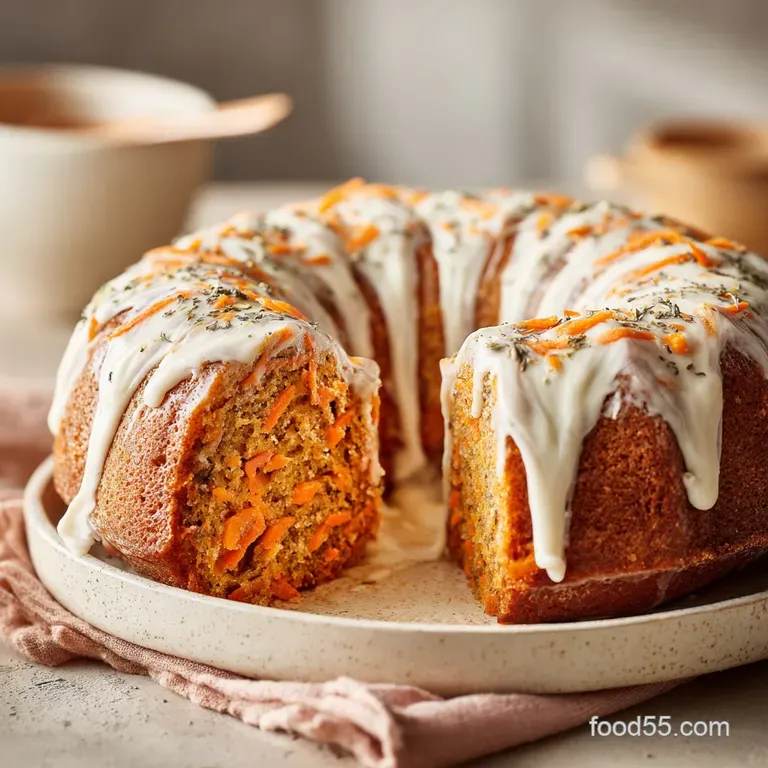
You see the surface of the cake, a deep golden brown with tiny vibrant orange flecks peeking through the crumb, shimmering slightly from the buttermilk glaze we just poured over it.
There is a specific "sizzle" when that hot liquid hits the warm sponge, a sound that tells you every single pore of the cake is drinking up that sweetness.
I remember making this for a local harvest festival last year, using carrots so fresh they still had the damp soil of the valley on their skins. Most people expect carrot cake to be heavy or oily, but when you pull a fork through this one, it yields with a velvety softness that almost defies gravity.
It’s the kind of bake that makes the room go quiet because everyone is too busy noticing how the tangy cream cheese frosting cuts through the richness of the spiced batter. We aren't just making a dessert here; we are capturing the transition of the seasons in a single, tiered masterpiece.
The real magic happens in the contrast. You have the "shatter" of toasted pecans if you choose to add them, against the silky smooth backdrop of the frosting. Every bite is a balance of textures.
It’s appreciative of the ingredients the way the crushed pineapple disappears into the structure but leaves behind a tropical hum that keeps the sponge bright. This is truly the best carrot cake ever because it refuses to be dry, boring, or overly sugary.
It is a celebration of fresh, local produce and the simple joy of a bake done right.
Why Cold Oil and Fresh Carrots Create Perfection
Moisture Retention: Using vegetable oil instead of butter ensures the crumb remains soft even when refrigerated, as oil stays liquid at lower temperatures.
Enzymatic Tenderizing: The acids in the crushed pineapple break down flour proteins, resulting in a tender, velvety texture that never feels tough.
Osmotic Soaking: Pouring the hot buttermilk glaze over the warm cake allows the sugar and fats to seep deep into the crumb before the starches fully set.
Structural Integrity: Finely grated fresh carrots release moisture slowly during the bake, preventing the cake from becoming soggy or gummy.
| Method | Time | Texture | Best For |
|---|---|---|---|
| Standard 9x13 Pan | 35 minutes | Uniform, ultra moist | Casual family gatherings and easy transport |
| 9 inch Round Tins | 30 minutes | Slightly firmer edges | Elegant layered presentation and high frosting to cake ratio |
| Cupcake Variation | 20 minutes | Light, airy domes | Portion control and party style serving |
Choosing the right method depends entirely on your aesthetic goals for the day. While the 9x13 pan is the classic "home cook" move for a Sunday dinner, the round tins allow you to play with more decorative garnish strategies.
No matter which you choose, the internal temperature should hit around 205°F to ensure the center is fully set without being overcooked.
Essential Measurements for This Moist Carrot Pineapple Cake
When we look at the components of this bake, it’s about how the fats and sugars interact with the fibrous carrots. Understanding these roles helps you avoid the common pitfalls of a sunken center or a greasy finish. For instance, comparing the moisture profile here to something like a classic all-butter pound cake highlights why oil is the superior choice for carrot heavy batters.
| Ingredient | Science Role | Pro Secret |
|---|---|---|
| Vegetable Oil | Lubricates flour particles | Use a neutral oil like grapeseed to let the spices shine |
| Fresh Carrots | Provides structure and natural sugars | Always grate them yourself; pre bagged shreds are too dry |
| Crushed Pineapple | Adds acidity for leavening boost | Only drain "slightly" to keep the hydrating enzymes active |
| Buttermilk | Activates the baking soda | The tang balances the high sugar content in the frosting |
The relationship between the baking soda and the buttermilk is vital. Without that acidic kick from the buttermilk and the pineapple, the baking soda wouldn't have enough "fuel" to lift the heavy weight of three full cups of carrots. This is why the cake feels surprisingly light despite its dense appearance.
Selecting Vibrant Seasonal Ingredients for Better Baking
For the best carrot cake ever, sourcing is everything. Look for carrots that are firm and bright, preferably with the green tops still attached, as this is the best indicator of freshness.
Those little "baby carrots" in the bags are often treated with chlorine and lack the deep, earthy sweetness required for a bake of this caliber.
- 3 cups fresh carrots, finely grated: Why this? Hand grating ensures a high moisture content that keeps the cake tender. (Substitute: Parsnips for a more peppery, floral note).
- 8 oz crushed pineapple, drained slightly: Why this? Provides natural sweetness and a delicate, fruity acidity. (Substitute: Unsweetened applesauce).
- 4 large eggs, room temperature: Why this? Room temp eggs emulsify better, creating a smoother batter. (Substitute: Flax eggs for a vegan adjacent structure).
- 1.5 cups vegetable oil: Why this? Guarantees a moist crumb that doesn't harden in the fridge. (Substitute: Melted coconut oil for a subtle tropical hint).
- 1 cup granulated sugar: Why this? Helps with the "shatter" on the edges and provides sweetness. (Substitute: Cane sugar).
- 1 cup light brown sugar, packed: Why this? Adds molasses notes and extra moisture. (Substitute: Dark brown sugar for deeper caramel flavor).
- 2 cups all purpose flour: Why this? Provides the necessary gluten structure to hold the heavy inclusions. (Substitute: 1 to-1 gluten-free flour blend).
- Spices (Cinnamon, Ginger, Nutmeg): Why this? The aromatic trio that defines the classic flavor profile. (Substitute: Pumpkin pie spice in a pinch).
- Buttermilk Glaze Components: Sugar, buttermilk, butter, and baking soda. (Substitute: Greek yogurt thinned with milk for the buttermilk).
- Cream Cheese Frosting Components: 16 oz cream cheese, butter, powdered sugar, and vanilla. (Substitute: Mascarpone for a richer, less tangy finish).
I often tell my friends that if they have leftover carrots from a weekend spent making carrot potato fritters, this cake is the perfect way to use the rest of the bunch. There is something deeply satisfying about using every part of the seasonal produce you've brought home from the market.
The Simple Tools Required for This Spiced Masterpiece
You don't need a high tech kitchen to pull this off, but a few specific items will make your life significantly easier. The most important tool is actually a good quality box grater.
While a food processor with a grating attachment works, the hand grated texture is slightly more irregular, which I find creates a better "mouthfeel" in the finished cake.
A heavy bottomed saucepan is also essential for the buttermilk glaze. Because we are bringing sugar and dairy to a boil, a thin pan might cause the mixture to scorch or "seize," which would ruin the velvety finish we're aiming for.
I prefer using a whisk for the wet ingredients to ensure the oil and sugars are fully incorporated, then switching to a silicone spatula for folding in the carrots. This prevents over mixing, which can lead to a rubbery texture.
Finally,, ensure your baking pans are light colored aluminum if possible. Dark pans absorb heat too quickly, which can cause the outside of the cake to brown or even burn before the middle is fully cooked.
If you only have dark pans, consider lowering the oven temperature by about 10 degrees and extending the bake time slightly.
step-by-step Guide to the Most Decadent Layers
1. Preparing the "Golden" Base
Preheat your oven to 350°F (175°C). Grease and flour a 9x13 inch baking pan or two 9 inch round cake tins. Note: This creates a non stick barrier that ensures the cake releases cleanly.
2. The Art of the Grate
Using a box grater, finely grate the fresh carrots until you have 3 cups. Set aside. Note: Do not squeeze the moisture out of the carrots; we need that liquid.
3. Emulsifying the Liquids
In a large mixing bowl, whisk together the vegetable oil, granulated sugar, light brown sugar, and room temperature eggs until smooth. Stir in the 8 oz of crushed pineapple and 2 tsp of vanilla extract.
4. Sifting the Dry Components
In a separate bowl, sift together the 2 cups of all purpose flour, 2 tsp baking soda, 2 tsp cinnamon, 0.5 tsp ginger, 0.25 tsp nutmeg, and 0.5 tsp salt. Note: Sifting prevents "spice clumps" in the batter.
5. The Gentle Fold
Gradually fold the dry ingredients into the wet mixture using a spatula until just combined. Fold in the 3 cups of grated carrots. Pour the batter into the prepared pan.
6. The Precise Bake
Bake for 35 minutes until the center springs back and a toothpick comes out clean. Note: Avoid opening the oven door before the 30 minute mark to prevent sinking.
7. Bubbling the Glaze
While the cake bakes, combine 0.5 cup sugar, 0.25 cup buttermilk, 0.25 cup butter, and 0.5 tsp baking soda in a small saucepan. Bring to a boil over medium heat, stirring constantly for 1 minute until it becomes foamy and pale gold.
8. The Secret Soaking Step
Pour the hot buttermilk glaze over the cake immediately after removing it from the oven while it is still in the pan. Note: The heat allows the glaze to penetrate deep into the crumb.
9. Cooling Patience
Allow the cake to cool completely in the pan. This is non negotiable; if the cake is even slightly warm, your frosting will slide right off.
10. Creating the Cloud Like Frosting
Beat the 16 oz of softened cream cheese and 0.5 cup butter until fluffy. Gradually add 4 cups sifted powdered sugar, 1 tsp vanilla, and a pinch of salt. Beat until smooth and spread over the cooled cake.
Pro Tips to Prevent Common Baking Mishaps
One of the biggest mistakes people make with the best carrot cake ever is over processing the carrots. If you grate them too coarsely, you'll end up with crunchy orange sticks in your cake. If you grate them into a mush, the cake will be too wet and might sink.
Aim for the "fine" side of the grater the one that looks like small teardrops.
| Problem | Root Cause | Solution |
|---|---|---|
| Sinking in the middle | Too much leavening or underbaked | Measure baking soda precisely and check temp (205°F) |
| Runny Frosting | Cream cheese was too warm or over beaten | Chill the frosting for 30 mins before spreading |
| Gritty Glaze | Sugar didn't dissolve during boil | Ensure a full 60 second rolling boil while stirring |
Another thing to watch for is the "greasiness" factor. If your oil and sugars aren't properly whisked with the eggs, the oil can separate during the bake and pool at the bottom of the pan. You want that mixture to look like a thick, pale caramel before you even think about adding the flour.
Common Mistakes Checklist
- ✓ Ensure eggs are at room temperature (they won't emulsify if cold).
- ✓ Don't skip the sifting; cinnamon and ginger love to form stubborn lumps.
- ✓ Pour the glaze while the cake is "oven hot" waiting even 5 minutes reduces absorption.
- ✓ Beat the cream cheese alone first to remove lumps before adding the butter.
- ✓ Use full fat, brick style cream cheese; the "spreadable" tub version is too soft.
Creative Variations for Every Seasonal Celebration
If you want to put a personal spin on this recipe, there are several ways to adapt it without ruining the chemistry. If you prefer a "Nutty Add In," toasted walnuts or pecans are the classic choice. I recommend toasting them in a dry pan for 3 minutes until fragrant before folding them into the batter.
This adds a "shatter" to the texture that contrasts beautifully with the soft cake.
For a "Tropical Twist," you can add 0.5 cup of sweetened shredded coconut to the batter. This complements the pineapple perfectly and gives the cake a slightly chewier profile. Some people also enjoy adding raisins, but I suggest soaking them in warm water (or spiced rum!) for 10 minutes first so they don't suck the moisture out of the surrounding cake.
Scaling Guidelines
- Scaling Down (Half Recipe): Use an 8x8 square pan. Reduce the bake time to 25-28 minutes. For the eggs, use 2 large ones.
- Scaling Up (Double Recipe): Do not double the baking soda exactly; use 3.5 tsp instead of 4 to prevent a metallic aftertaste. Work in two separate batches for the batter to ensure the carrots stay evenly distributed.
- Cupcake Conversion: Fill liners 3/4 full. Bake at 350°F for 18-22 minutes. You will need roughly 1.5x the frosting for decorative piping.
If you are looking for a more "rustic" feel, you can skip the frosting on the sides of a layered cake, creating a "naked" look that highlights the vibrant orange and brown layers. This is particularly effective for outdoor summer weddings or garden parties.
Storage Strategies to Keep Your Cake Fresh
Because of the high moisture content and the cream cheese frosting, this cake must be kept in the refrigerator. However, serving it stone cold can dull the flavors of the spices. I recommend taking the cake out of the fridge about 30 minutes before you plan to eat it.
This allows the butter in the frosting to soften just enough to become velvety again.
- Fridge: Store in an airtight container for up to 5 days. The flavors actually develop and deepen after 24 hours.
- Freezer: You can freeze the unfrosted cake layers. Wrap them tightly in plastic wrap and then foil; they will stay fresh for up to 3 months. Thaw overnight in the fridge before frosting.
- Zero Waste Tip: If you have leftover frosting, it makes an incredible dip for apple slices or can be sandwiched between graham crackers for a quick snack. Leftover carrot peels can be tossed with a little sugar and cinnamon and air-fried for 5 minutes to make "carrot chips" for a crunchy garnish.
Color Balance and Presentation Garnish Strategies
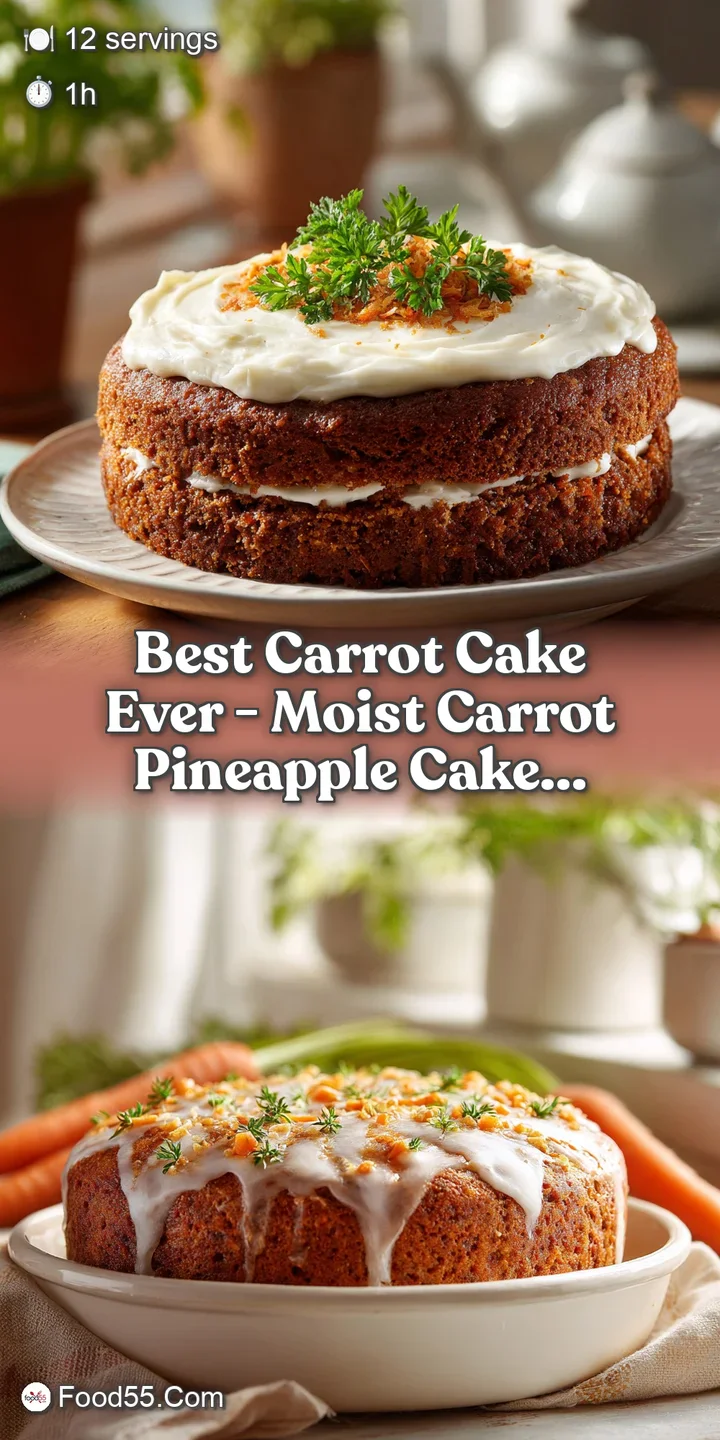
Presentation is where we truly appreciate the seasonal beauty of this dish. For a stunning visual impact, think about the "Color Balance." The cake itself is a warm amber brown, and the frosting is a stark, clean white. To make this pop, we need three distinct color accents.
First, the Vibrant Orange. I love to use a vegetable peeler to create long, thin ribbons of fresh carrot. Submerge them in ice water for 10 minutes, and they will curl into beautiful, architectural spirals. Place these in a cluster in the center of the cake.
Second, the Deep Green. A few sprigs of fresh mint or even small, edible micro greens add a freshness that signals "farm to table." Finally, the Toasted Amber.
A sprinkle of crushed, toasted walnuts around the bottom edge of the cake provides a visual "anchor" and hints at the flavors inside.
When serving, use a sharp knife dipped in hot water (and wiped dry) between every slice. This ensures the cream cheese frosting stays in clean, sharp lines rather than smearing into the spiced layers. Serve on a plain white or wooden platter to let the vibrant colors of the cake take center stage.
This isn't just a dessert; it's a centerpiece that celebrates the best of the season's bounty.
Debunking Common Kitchen Myths
Myth: Carrots make the cake "healthy." While carrots do add fiber and Vitamin A, the sugar and oil content in the best carrot cake ever definitely keeps it firmly in the "indulgent treat" category. The carrots are primarily there for moisture and texture, not for your daily veggie intake!
Myth: You can use any oil for baking. While most neutral oils work, stay away from extra virgin olive oil or unrefined coconut oil unless you want their strong flavors to compete with the cinnamon and ginger. A high-quality vegetable or canola oil is best for a clean spice profile.
Myth: Searing the pineapple helps the flavor. Some people try to caramelize the pineapple before adding it, but this actually removes the moisture and enzymes we need to tenderize the cake. Keep the pineapple fresh or canned in its own juice for the best results.
This recipe is a labor of love that rewards you with the most incredible texture imaginable. By focusing on the science of the soak and the freshness of the ingredients, you’re creating something far beyond a standard box mix. Enjoy the process, smell the spices, and savor every velvety bite.
Recipe FAQs
What is the secret to a good carrot cake?
The secret lies in the moisture balance and the buttermilk glaze. Pouring the hot glaze over the cake immediately after it leaves the oven is what gives it that signature, incredibly moist crumb. If you enjoy achieving this type of perfect, tender crumb, see how the same cream cheese richness creates a beautiful texture in our other desserts.
Why is it called divorce carrot cake?
It is an internet driven nickname for recipes that are so good they are worth "fighting over" or celebrating a fresh start. There is no official culinary reason for the name, but it usually refers to cakes with exceptionally decadent frosting and moist layers.
Can you eat carrot cake with diabetes?
No, this recipe contains significant amounts of sugar, brown sugar, and flour. It is a high calorie dessert with 914 kcal per serving and should be consumed only occasionally or in consultation with your healthcare provider.
Which carrot cake mix is better, Duncan Hines or Betty Crocker?
Neither, as scratch made is significantly better. Making this from scratch ensures your spices like cinnamon, ginger, and nutmeg are fresh and allows you to control the quality of the carrots and cream cheese frosting.
How to keep the cream cheese frosting smooth and lump free?
Beat the cream cheese by itself until fluffy before adding any other ingredients. Only after the cream cheese is completely smooth should you gradually add the butter and then the sifted powdered sugar.
How to tell when the cake is fully baked?
Insert a toothpick into the center of the cake after 35 minutes. If the toothpick comes out clean without any wet batter clinging to it, the cake is finished baking.
How to store leftover carrot cake?
Place the cake in an airtight container and keep it in the refrigerator. Because the frosting is made with cream cheese and butter, it must be refrigerated to stay safe, but remember to pull it out 30 minutes before serving to restore the texture.
Best Carrot Cake Ever
Ingredients:
Instructions:
Nutrition Facts:
| Calories | 914 kcal |
|---|---|
| Protein | 6.8 g |
| Fat | 56 g |
| Carbs | 104 g |
| Fiber | 2.1 g |
| Sugar | 83 g |
| Sodium | 485 mg |
