Simple Turkey Brine Recipe with Apple Cider
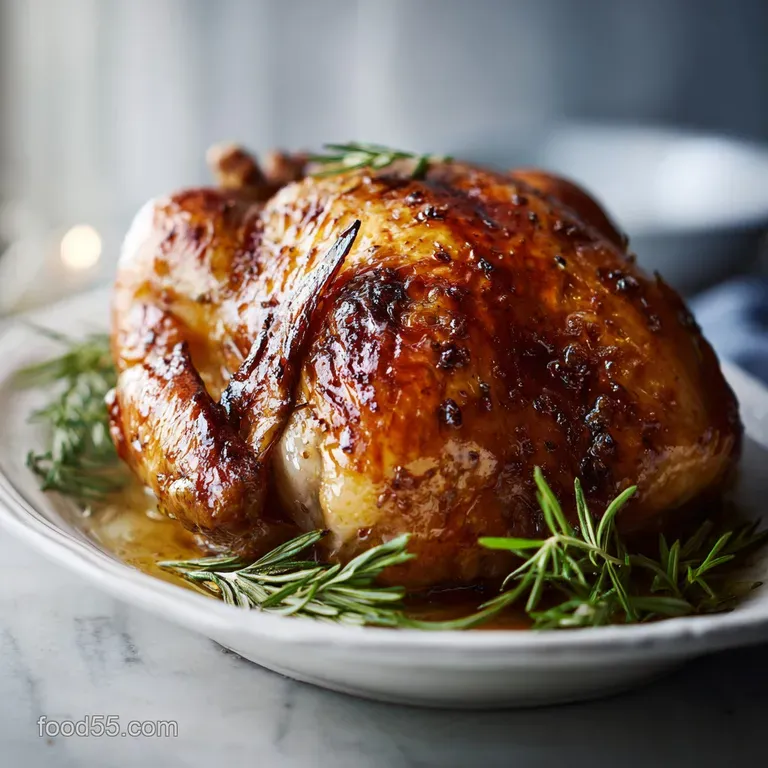
- Time: Active 15 minutes, Passive 15 minutes, Total 30 minutes
- Flavor/Texture Hook: Silky, herb infused meat with a subtle citrus brightness
- Perfect for: Holiday gatherings, Sunday roasts, or beginner cooks fearing a dry bird
- The Ultimate Science Behind This Turkey Brine Recipe
- Essential Recipe Specs and Timing
- Essential Flavor Elements for Brining
- Necessary Kitchen Gear for Success
- Steps for a Succulent Bird
- Avoiding Common Errors and Pitfalls
- Flexible Swaps and Tasty Variations
- Scaling Your Recipe
- Myths About Brining
- Guidelines for Storage and Use
- Tips for Serving Your Masterpiece
- Recipe FAQs
- 📝 Recipe Card
The Ultimate Science Behind This Turkey Brine Recipe
Listen, I've been there - pulling a bird out of the oven that looks gorgeous but tastes like literal cardboard. It's heartbreaking, right? A few years ago, I hosted my first big family dinner and served a turkey so dry we practically needed a glass of water for every bite.
That was the day I realized that no amount of gravy can save a turkey that wasn't treated right from the start.
This turkey brine recipe is the result of all those dry meat disasters and hours spent obsessing over moisture retention. We aren't just soaking the bird in salt water; we're building a flavor foundation.
When you smell that heady mix of toasted peppercorns and fresh rosemary hitting the simmering apple cider, you'll know exactly why this extra step is the secret to a stress free dinner.
The beauty of this method is the peace of mind it gives you. You won't be hovering by the oven door every five minutes, worrying if the breast meat is turning into sawdust. Instead, you'll be enjoying your guests, knowing that the science of osmosis is doing the heavy lifting in the fridge.
It's about bringing people together over a meal that actually tastes as good as it looks.
The Physics of the Soak
- Osmotic Pressure
- Salt draws liquid into the meat cells, increasing the total moisture content by nearly 10% before it even hits the heat.
- Protein Denaturation
- The salt solution unwinds tightly coiled muscle proteins, preventing them from contracting and squeezing out juices during roasting.
- Aromatic Diffusion
- Fat soluble compounds from the garlic and herbs dissolve into the liquid, penetrating deeper into the meat than a surface rub ever could.
| Turkey Weight | Brining Time | Rest Time | Visual Doneness Cue |
|---|---|---|---|
| 5 - 7 kg | 12 hours | 30 minutes | Juices run clear when pierced |
| 8 - 10 kg | 18 hours | 45 minutes | Leg moves easily in socket |
| 11+ kg | 24 hours | 60 minutes | Skin is taut and golden brown |
Choosing the right timing is crucial because over brining can lead to a spongy texture that feels a bit too much like deli meat. If you find yourself short on time, even a 6 hour soak will make a noticeable difference in the silkiness of the breast meat.
Just make sure the liquid is completely chilled before the turkey goes in, or you risk starting the cooking process prematurely, which is a big food safety no go.
Essential Recipe Specs and Timing
When we talk about deep tissue seasoning, we have to look at how the components interact over time. The sugar isn't just there for sweetness; it aids in the Maillard reaction, helping the skin reach that dark, burnished mahogany color we all crave.
Meanwhile, the acidity in the apple cider helps slightly tenderize the outer layers of the meat.
To Lock in Extra Moisture
By using a combination of salt and sugar, we create a "solute" that holds onto water molecules more tightly. This means that even if you accidentally overcook the bird by a few degrees, those trapped water molecules stay put instead of evaporating into the oven.
For Deep Tissue Seasoning
The crushed garlic and peppercorns release their oils into the warm brine concentrate. As the turkey soaks, these tiny flavor molecules travel alongside the salt into the deepest parts of the breast and thighs. It ensures every single forkful has a hint of herb and spice.
Brine Component Analysis
| Ingredient | Science Role | Pro Secret |
|---|---|---|
| Kosher Salt (240g) | Denatures proteins | Use coarse salt for a cleaner, less "chemical" salty bite |
| Brown Sugar (100g) | Enhances browning | Pack it tightly to get the full molasses depth |
| Apple Cider (950ml) | Acidic tenderizer | Choose unfiltered cider for a more complex, fruity aroma |
Once you've mastered the moisture balance with this liquid bath, you'll want to finish the exterior with a solid Homemade Turkey Rub recipe to ensure the skin is as flavorful as the meat. The rub works in tandem with the brine, sealing the deal on both texture and taste.
Essential Flavor Elements for Brining
I always tell my friends that a recipe is only as good as the ingredients you're willing to hunt down. Don't grab the dusty dried thyme from the back of the pantry for this one. Fresh herbs are non negotiable here because their volatile oils are what create that incredible aroma that will eventually permeate your entire house.
- 3.8 Liters Water (divided): We use part for the hot concentrate and part as ice to cool it down quickly.
- 240g Kosher Salt: Why this? It dissolves cleanly and provides the essential ionic exchange for moisture.
- 100g Brown Sugar (packed): Why this? Provides the glucose needed for superior skin caramelization.
- 950ml Apple Cider: Why this? Adds a subtle autumnal sweetness and necessary acidity.
- 3 Oranges (quartered): Why this? The rinds contain citrus oils that brighten the heavy savory notes.
- 8 cloves Garlic (smashed): Why this? Smashing breaks the cells to release allicin for maximum pungency.
- 4 sprigs Fresh Rosemary: Why this? Provides a woody, resinous backbone to the flavor profile.
- 6 sprigs Fresh Thyme: Why this? Offers a delicate, earthy aroma that complements poultry perfectly.
- 3 Bay Leaves: Why this? Adds a subtle, floral tea like note that balances the salt.
- 30ml Whole Black Peppercorns: Why this? Toasted whole peppercorns provide a slow, warming heat.
- 3.8 Liters Ice Cubes: Why this? To drop the temperature instantly for food safety.
| Original Ingredient | Substitute | Why It Works |
|---|---|---|
| Apple Cider | Unsweetened Apple Juice | Similar acidity and sugar. Note: Lacks the fermented depth of cider |
| Kosher Salt | Sea Salt (fine) | Use 20% less by volume as fine salt is denser than kosher |
| Fresh Rosemary | Fresh Sage | Different flavor profile but same woody, aromatic intensity |
If you happen to have a smaller bird or just a portion of one, this brine works beautifully for smaller cuts too. I often use this exact base for a Juicy roasted turkey recipe when I'm just cooking for two. The ratios stay the same; you just need a smaller container.
Necessary Kitchen Gear for Success
You don't need a professional kitchen to pull this off, but you do need a container that won't react with the salt. A large food grade plastic bucket or a heavy duty stainless steel stockpot works best.
Avoid aluminum, as the salt and acid in the cider can give the meat a metallic tang that nobody wants at their dinner table.
For the Brine Base
A large 20 liter stockpot is your best friend here. It gives you enough room to stir the salt and sugar until they're completely dissolved without splashing liquid all over your stove. You'll also need a sturdy wooden spoon to really get into the corners of the pot.
For the Aromatics
A good chef's knife is essential for smashing those garlic cloves. You don't need to mince them; just a firm whack with the flat side of the blade is enough to release the oils. I also like to have a vegetable peeler handy if I decide to add extra citrus zest for a more intense orange hit.
Chef's Tip: If you don't have a bucket, use a heavy duty brining bag (or two, for insurance!) placed inside a large cooler. Surround the bag with extra ice to keep the temperature steady if your fridge is too full.
Steps for a Succulent Bird
1. Create the Flavor Concentrate
Combine 1.9 liters of water, the kosher salt, and the brown sugar in your large pot. Heat this over medium high, stirring constantly, until the grains have completely vanished into the liquid. Wait for that sharp, briny steam to rise; it's a sign the salt is fully integrated.
2. Infuse the Aromatics
Stir in the apple cider, smashed garlic, quartered oranges (squeeze them slightly as you drop them in), rosemary, thyme, bay leaves, and peppercorns. Bring the mixture to a boil. Take a deep breath of the warm, peppery citrus scent filling the room - this is the "heart" of your flavor.
Note: Boiling for just a minute or two is enough to wake up the dried spices and fresh herbs.
3. The Critical Chill
Remove the pot from the heat and stir in the 3.8 liters of ice cubes. This is the most important step for safety. You need the liquid to be stone cold before it touches the raw poultry. Listen for the crackling of the ice as it melts into the hot concentrate.
Note: If the ice isn't enough, pop the pot in the fridge for an hour.
4. The Submersion
Place your prepared turkey (giblets removed!) into your brining container. Pour the chilled brine over the bird, then add the remaining 1.9 liters of cold water. Look for the turkey to be fully covered; if it floats, weight it down with a heavy ceramic plate.
5. The Cold Soak
Transfer the container to the refrigerator. Let the turkey bathe in that aromatic liquid for 12 to 24 hours. The brine should smell like a crisp, orange scented autumn morning when you check on it the next day.
Note: Don't exceed 24 hours or the meat texture will start to break down too much.
6. The Final Prep
Remove the turkey from the brine and discard the liquid and aromatics. Rinse the bird inside and out with cold water. Feel the skin - it should feel slightly firm and plump from the absorbed moisture. Note: Rinsing is essential to remove excess surface salt.
7. The Drying Phase
Pat the turkey completely dry with paper towels. This is the secret to crispy skin! Place it on a roasting rack and let it air dry in the fridge for at least 2 hours (or up to 12) before roasting. The skin should look matte and slightly translucent before it goes into the oven.
8. The Roast
Proceed with your favorite roasting method. Since the bird is already seasoned, you can go light on the salt in your external rub. Roast until the internal temperature reaches 74°C (165°F) and the skin is a deep, crackling golden brown.
Avoiding Common Errors and Pitfalls
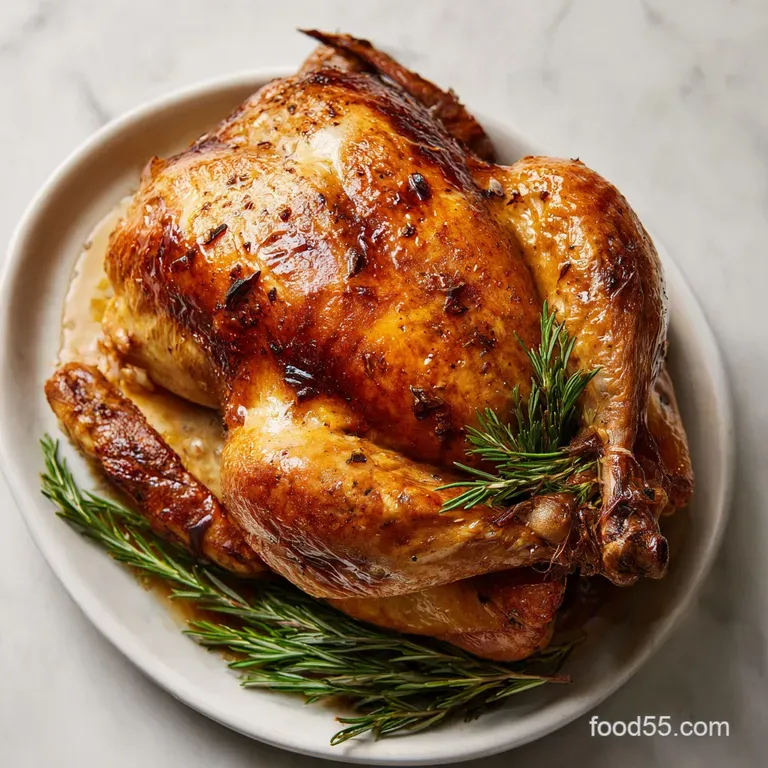
One of the biggest mistakes I see people make is not letting the brine cool down enough. If you put a raw turkey into lukewarm water, you're basically creating a luxury hotel for bacteria. Always, always make sure the liquid is below 4°C (40°F) before the bird goes in.
If you're in a hurry, use more ice and less water.
Why Your Turkey Skin is Rubbery
If the skin doesn't get crispy, it's usually because there was too much moisture left on the surface. When you take the bird out of the brine, you have to be aggressive with the paper towels. Get into every nook and cranny.
If the skin is wet, it will steam instead of fry in the oven's heat, leaving you with a soggy result.
Avoid Salt Bomb Gravy
Since the turkey has been soaking in salt, the drippings in the roasting pan will be naturally salty. Don't add any extra salt to your gravy until the very end, after you've tasted it. Most of the time, the drippings provide all the seasoning you need.
Troubleshooting Your Brine
| Problem | Root Cause | Solution |
|---|---|---|
| Meat is too salty | Brined for more than 24 hours | Soak the bird in plain cold water for 1 hour to leach out salt |
| Skin won't brown | Surface was too wet | Air dry the bird uncovered in the fridge for 4-6 hours |
| Spongy texture | Brine was too concentrated | Stick strictly to the water to salt ratio provided |
Common Mistakes Checklist
- ✓ Never brine a turkey that is already "pre basted" or "enhanced" (check the label).
- ✓ Ensure the turkey is completely thawed before it enters the brine.
- ✓ Use a food grade container; no trash bags or non food plastic.
- ✓ Keep the refrigerator temperature at or below 4°C (40°F) throughout the soak.
- ✓ Always rinse the bird after brining to prevent a salty exterior.
Flexible Swaps and Tasty Variations
I know we all have that one friend who wants everything spicy, or the family member who is watching their sugar intake. The great thing about this turkey brine recipe is that it's just a template. As long as you keep the salt to water ratio the same, you can play with the aromatics as much as you like.
For a Spicy Kick
Add 2 tablespoons of dried chili flakes or 3 halved jalapeños to the simmering stage. The heat will be subtle but present in every bite of the meat. It pairs incredibly well with the apple cider base.
Keto or Low Carb Swap
If you want a turkey brine recipe no sugar, simply omit the brown sugar or replace it with an equal amount of an erythritol based brown sugar substitute. You won't get the same deep caramelization on the skin, but the moisture retention will still be top notch.
For Smoking Enthusiasts
If you're planning to put this bird on the smoker, add a tablespoon of liquid smoke to the brine, or double the amount of black peppercorns. The smoky environment of the grill loves the sweetness of the apple cider, making for a truly legendary meal.
| Premium Option | Budget Alternative | Flavor Impact | Savings |
|---|---|---|---|
| Fresh Apple Cider | Apple Juice Concentrate | Slightly sweeter, less tart | Save $4-6 |
| Whole Peppercorns | Ground Black Pepper | More "dusty" heat, less aromatic | Save $2 |
| Fresh Herbs | Dried Poultry Seasoning | Less bright, more earthy | Save $5-8 |
If you have leftovers after your big feast (and I hope you do!), the extra moist meat is perfect for a Hearty Ground Turkey recipe or even shredded into a soup. Because the meat hasn't dried out, it holds up beautifully to being reheated the next day.
Scaling Your Recipe
Scaling this recipe up or down is fairly straightforward, but you have to be careful with the salt. If you're doing a massive 12 kg bird, you might need to increase the liquid by 50% to ensure it's fully covered.
However, don't just double the salt and spices aim for about 1.5 times the amount to keep the flavors balanced.
For a small turkey breast or a few drumsticks, you can easily halve the recipe. Use a smaller pot and a medium sized glass bowl for the soak. When scaling down, you can use the same amount of garlic and peppercorns as the full recipe; they provide a nice flavor punch even in smaller batches of liquid.
Myths About Brining
One common misconception is that brining "seals in the juices." In reality, there is no seal. Brining works by changing the structure of the meat so it can hold more water. The "juice" you see when you carve the bird is the brine itself, flavored by the turkey's natural essences.
It's a scientific hydration process, not a physical barrier.
Another myth is that you can't over brine a turkey. Trust me, you can. If you leave a bird in this solution for 48 hours, the salt will eventually break down the muscle fibers to the point where they lose all texture, resulting in a mushy, unappealing meal.
Stick to the 12-24 hour window for the best results.
Guidelines for Storage and Use
Once your turkey is brined and roasted, you've got about 3 to 4 days to enjoy the leftovers from the fridge. I like to carve the meat off the bone immediately after the first meal and store it in airtight containers. This prevents it from drying out in the refrigerator's circulating air.
Zero Waste Tips
Don't you dare throw away that turkey carcass! The bones are packed with flavor from the brine's aromatics. Toss the remains into a big pot with some celery, carrots, and onions to make the best stock you've ever tasted. The hints of rosemary and cider from the brine will give the stock a unique, gourmet depth.
Freezing Guidelines
If you can't finish the meat within a few days, it freezes beautifully. Wrap it tightly in plastic wrap and then place it in a freezer bag. It will stay fresh for up to 3 months. When you're ready to eat it, thaw it overnight in the fridge and reheat it gently with a splash of chicken broth to keep it moist.
Tips for Serving Your Masterpiece
The presentation is where you get to show off all that hard work. I love serving the turkey on a large wooden board surrounded by fresh sprigs of the same herbs used in the brine. It creates a visual connection to the flavors the guests are about to taste.
For a Show Stopping Presentation
Garnish the platter with halved fresh oranges and roasted garlic bulbs. It looks rustic and inviting, and it signals that this isn't just a "standard" roasted bird. It's a meal that was prepared with intention and care.
The Perfect Pairing
This succulent turkey pairs perfectly with a crisp, dry Riesling or a hard apple cider to echo the flavors in the brine. For side dishes, think of things that can soak up the flavorful juices, like a classic stuffing or a creamy potato mash. If you're looking for a great leftover idea, the moist meat works wonders in a Juicy Classic Moist recipe for a quick weeknight dinner.
Right then, you're all set! Just remember to give yourself plenty of time for the chill and the soak. Your friends and family are going to be talking about this meal for years not because it was fancy, but because it was the most tender, flavorful turkey they've ever had the pleasure of sharing.
Let's crack on and get that brine started!

Recipe FAQs
What is the best liquid to brine a turkey?
A combination of water, salt, and aromatics. The liquid must be robust enough to achieve proper osmotic pressure, usually requiring 1 gallon of liquid per 10 pounds of turkey. Always use fresh apple cider or broth for depth, as plain water dilutes flavor too much.
What is the basic formula for brine?
Aim for 1 cup of kosher salt and 1/2 cup of sugar per gallon of water. This 1:2 ratio provides effective seasoning and moisture retention without making the final product overly salty. Adjust sugar up or down based on how much you want to aid in skin browning.
How long are you supposed to brine a turkey?
For a standard 10-14 pound bird, brine for 12 to 18 hours total. Smaller birds need less time (around 8 hours), while very large birds benefit from up to 24 hours submerged in the liquid. Remember to always rinse and thoroughly pat dry after the soak.
What are some common brining mistakes?
The biggest mistake is brining a turkey for too long, leading to a spongy, overly salty texture. Another common error is failing to chill the brine immediately after dissolving the salt and sugar, which creates a food safety risk. If you master temperature control here, you’ll improve flavor retention, similar to how we manage fat ratios for Homemade Popeyes Fried recipe.
Can I use sugar substitutes instead of brown sugar?
Yes, for moisture retention you can substitute, but expect less skin crisping. Sugar provides glucose necessary for the Maillard reaction, which creates that deep brown crust.
If you skip it entirely for a keto approach, make sure to apply an external rub high in fat or sugar alternative before roasting.
Should I skip rinsing the turkey after brining?
No, you absolutely must rinse the bird thoroughly. Skipping this step results in an unpleasantly salty exterior and skin that struggles to crisp due to surface moisture. Rinse under cold running water until the skin no longer feels tacky or overly salty to the touch.
Is it true that brining doesn't work for bone-in breasts?
No, this is a common misconception; brining works excellently for bone-in pieces. Because the salt solution helps draw moisture into the muscle fibers through osmosis, it’s highly effective for denser cuts like bone-in breasts or thighs. This same principle of moisture infusion is key when aiming for juicy results in our Finger Lickin Good recipe.
Best Turkey Brine Recipe
Ingredients:
Instructions:
Nutrition Facts:
| Calories | 188 kcal |
|---|---|
| Protein | 31.8 g |
| Fat | 4.6 g |
| Carbs | 2.2 g |
| Fiber | 0.1 g |
| Sugar | 1.9 g |
| Sodium | 445 mg |
