Bisquick Dumplings Recipe
- Time: Active 5 minutes, Passive 20 minutes, Total 25 minutes
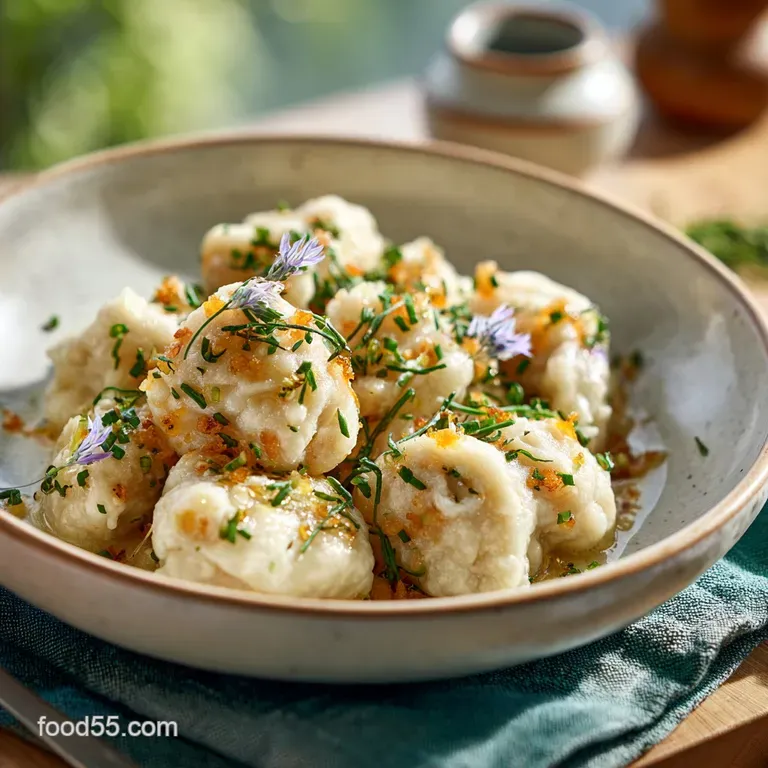
- Flavor/Texture Hook: Velvety centers with a savory, herbaceous aroma
- Perfect for: Comforting weeknight stews, rainy Sunday dinners, or beginner cooks
- The Ultimate Fluffy Bisquick Dumplings Recipe
- Why These Pillows Work
- Ingredient Deep Dive Analysis
- Essential Tools For Success
- The Herb Infused Ingredient List
- Step By Step Method
- Solving Common Problems
- Scaling the Recipe Properly
- Debunking Kitchen Myths
- Storage and Waste
- Plating and Serving
- Recipe FAQs
- 📝 Recipe Card
The Ultimate Fluffy Bisquick Dumplings Recipe
There is a very specific sound that happens on a rainy Tuesday night in my kitchen. It is the muffled, rhythmic thumping of heavy dough hitting the surface of a simmering chicken stew. I remember the first time I tried making these.
I was convinced they would just dissolve into the liquid, leaving me with a weird, thick soup instead of the pillowy clouds my grandmother used to serve. I’d seen her do it a thousand times, but doing it myself felt like a high stakes chemistry experiment.
The air in the kitchen changes the second you drop the dough into the pot. You go from the sharp, vegetal scent of celery and carrots to this warm, yeasty, "bready" aroma that wraps around you like a wool blanket. That first time, I made the classic mistake of peeking too early.
I lifted the lid, the steam hit my face, and I saw these sad, sunken lumps. I learned the hard way: the lid is your best friend. Leave it alone, let the steam do the heavy lifting, and you'll be rewarded with something truly special.
We’re not just talking about basic dough here. We are leaning into a few tiny tweaks like that cracked black pepper and dried thyme that take a standard shortcut and make it taste like you spent hours at the stove.
It is about creating a shared meal that feels intentional, even if the "prep" only took you five minutes. Honestly, once you see how they puff up, you’ll never go back to the plain version again.
Why These Pillows Work
- Steam Leavening: The moisture in the milk and egg turns to steam instantly when it hits the hot broth, pushing the dough upward for maximum loft.
- Protein Reinforcement: Adding a large egg provides a structural "web" that prevents the dumplings from disintegrating in the bubbling liquid.
- Starch Gelatinization: As the Bisquick cooks, the starches swell and trap the air bubbles created by the leavening agents, resulting in a velvety crumb.
| Cooking Method | Time | Texture | Best For |
|---|---|---|---|
| Standard Stovetop | 20 minutes | Light and airy | Classic chicken and dumplings |
| Slow Cooker | 1 hours 30 mins | Denser, more "biscuit like" | Thick beef or lamb stews |
| Pressure Cooker | 5 minutes | Firm and bouncy | Quick weeknight meals |
Every time I stand over the stove, I think about how the heat interacts with the fats in the mix. The shortening in the Bisquick needs to melt at just the right pace while the exterior of the dough sets. If the broth is at a rolling boil, the outside cooks too fast, leaving a raw center.
A gentle simmer is the secret to that consistent, velvety interior we all crave.
Ingredient Deep Dive Analysis
| Ingredient | Science Role | Pro Secret |
|---|---|---|
| Bisquick Mix | Provides pre measured leavening and fat | Keep it cool to prevent the shortening from melting early |
| 1% Milk | Hydrates the flour and adds lactose for color | Use cold milk to slow down the gluten development |
| Large Egg | Acts as a binder and adds richness | Whisk the egg into the milk first for even distribution |
Choosing the right liquid is more important than you might think. While some people swear by using water, I’ve found that the fats in 1% milk provide a much more tender result. If you use water, you lose that subtle creaminess that makes this bisquick dumplings recipe stand out.
Essential Tools For Success
You don't need a professional kitchen to pull this off, but a few specific items make the process much smoother. First, a heavy bottomed pot or a Dutch oven is non negotiable. You need something that holds heat consistently so the simmer doesn't die out the moment you add the cold dough.
I usually reach for my 6 quart enameled cast iron pot because it distributes the heat so evenly.
A standard tablespoon or a small cookie scoop is your next best friend. You want the dumplings to be uniform in size so they finish cooking at the exact same time. If some are the size of golf balls and others are like grapefruits, you’re going to end up with a mix of mushy and raw centers.
Finally, make sure you have a lid that fits tightly. The "sealed expansion" phase of cooking relies entirely on trapped steam, so a loose lid is a recipe for flat dumplings.
The Herb Infused Ingredient List
- 2 cups Bisquick Original Mix: This is our base. Why this? It contains the perfect ratio of flour, leavening, and shortening for consistent rise.
- 2/3 cup low-fat 1% milk: The primary hydrator. Why this? Adds just enough fat for tenderness without being overly heavy.
- 1 large egg: The structural integrity. Why this? Prevents the "melting" effect that sometimes happens with egg free versions.
- 1/2 tsp dried thyme: The aromatic backbone. Why this? Thyme pairs perfectly with poultry and root vegetables in stews.
- 1/4 tsp cracked black pepper: For a subtle bite. Why this? Cuts through the richness of the dough and the broth.
- 1 tbsp fresh parsley: The finishing touch. Why this? Adds a pop of color and a fresh, grassy note to the end.
| Original Ingredient | Substitute | Why It Works |
|---|---|---|
| 1% Milk (2/3 cup) | Whole Milk (2/3 cup) | More fat creates a richer, slightly softer dumpling |
| Dried Thyme (1/2 tsp) | Dried Sage (1/2 tsp) | Sage offers a warmer, more autumnal flavor profile |
| Large Egg (1) | 1/4 cup Plain Yogurt | Adds tang and moisture, though the texture is slightly denser |
The beauty of this bisquick dumplings recipe is how it bridges the gap between a quick pantry meal and something that feels artisanal. If you're out of milk, you can use heavy cream diluted with a bit of water, but try to avoid skim milk as it can make the dough a bit tough.
step-by-step Method
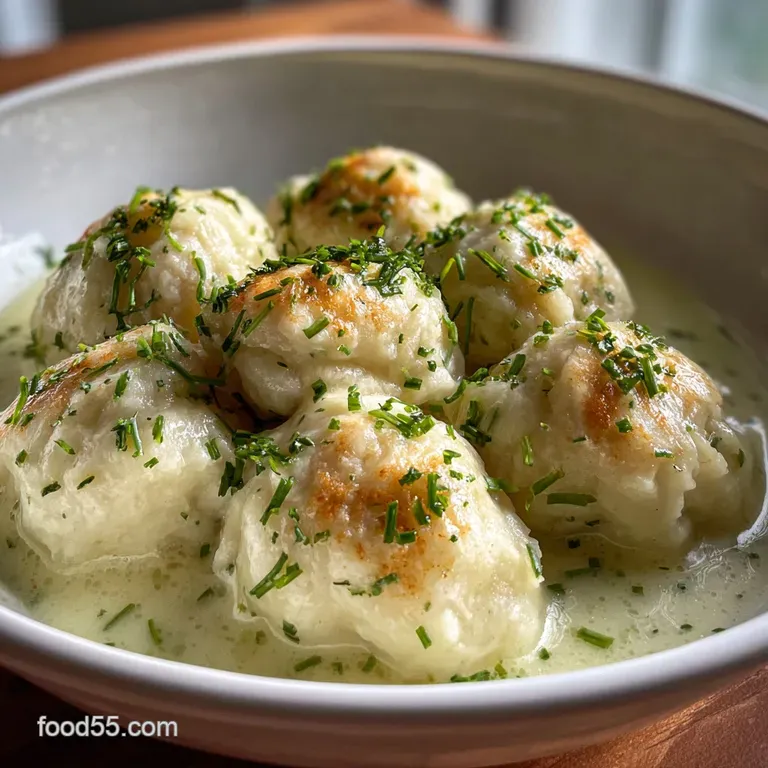
- Whisk the dry base. In a medium bowl, combine the 2 cups of Bisquick with the dried thyme and cracked black pepper.
- Combine the wet elements. Whisk the egg and the 2/3 cup of milk in a separate small container until the yolk is fully incorporated.
- Fold the dough. Pour the milk mixture into the dry mix and stir with a fork just until the flour disappears. Note: Over mixing will make the dumplings tough.
- Check the broth. Ensure your stew or soup is at a gentle simmer not a vigorous boil—until small bubbles break the surface.
- Drop the dough. Use a tablespoon to drop the dough into the hot liquid, making about 10-12 dumplings.
- Cook uncovered. Let the dumplings simmer uncovered for 10 minutes until the bottom sets and you smell the herbs blooming.
- Seal and steam. Place a tight fitting lid on the pot and cook for another 10 minutes until the tops are dry and the centers are fluffy.
- Garnish and serve. Sprinkle the fresh parsley over the top and serve immediately while the centers are still airy.
Chef's Note: If you want a bit of a "crust" on your dumplings, you can actually pan fry them for 1 minute in a separate buttered skillet before dropping them into the broth. It adds a "shatter" to the exterior that is absolutely divine.
Solving Common Problems
Why Your Dumplings Dissolve
If your dumplings seem to vanish into the broth, it’s usually because the liquid was at a rolling boil. The violent movement of the water tears the delicate dough apart before the egg has a chance to set the structure. Always keep it at a gentle simmer.
Another culprit could be a lack of binding; make sure you aren't skipping the egg, as it's the "glue" that keeps everything together.
Why They Are Dense
Density usually comes from one of two things: over mixing the dough or a lack of steam. When you over mix, you develop too much gluten, which creates a rubbery texture. If you peek under the lid during the last 10 minutes of cooking, you let all the steam escape, and the dumplings will deflate and become "lead sinks."
| Problem | Root Cause | Solution |
|---|---|---|
| Gummy center | Under steaming or too much liquid | Cook for the full 20 minutes; use exact milk measurements |
| Tough texture | Over working the dough | Stir until just combined lumps are perfectly fine |
| No rise | Expired Bisquick mix | Check the expiration date on your box for active leavening |
Common Mistakes Checklist
- ✓ Never stir the pot once the dumplings have been dropped in.
- ✓ Ensure the broth is at least 2 inches deep so the dough doesn't stick to the bottom.
- ✓ Check that your lid creates a complete seal; if not, use a layer of foil under the lid.
- ✓ Don't overcrowd the pot leave an inch of space between dumplings to allow for expansion.
- ✓ Use a fork, not a whisk, to mix the final dough to keep it light.
Scaling the Recipe Properly
If you're cooking for a crowd and need to double this bisquick dumplings recipe, there are a few rules to follow. First, don't just double the salt or spices; start with 1.5x the amount and taste your broth. For the dough itself, you can double the Bisquick, milk, and egg, but you’ll need a much wider pot.
Dumplings need surface area to expand, so if you stack them, the ones on the bottom will be crushed.
For a smaller batch (half recipe), use 1 cup of Bisquick and 1/3 cup of milk. Since you can't easily use half an egg, whisk the egg in a bowl and use about 2 tablespoons of it. I've found that using the whole egg for a half batch makes the dumplings a bit too firm, almost like matzo balls.
Chef's Tip: If you are making a massive batch for a potluck, cook the dumplings in batches and keep them warm in a low oven on a parchment lined tray. They hold their shape surprisingly well!
Debunking Kitchen Myths
One of the biggest myths is that you have to use water for "authentic" dumplings. While many old school recipes call for it, water adds zero flavor and very little structural support. Milk provides the proteins and sugars needed for a more complex flavor profile.
Another misconception is that you need to flip the dumplings halfway through. If your pot is properly sealed, the steam will cook the tops perfectly without any intervention. Flipping them often results in a "velvety" mess that ruins the aesthetic.
Some people also believe you can't make this bisquick dumplings recipe in a slow cooker. You absolutely can, but the timing is very different. You have to wait until the very end of the cooking cycle and turn the heat to high. If you put them in too early, they will just become a thick paste. If you love the technique of slow cooking, you might also enjoy the process in this Heavenly Homemade Dumplings recipe, which focuses on that soft, cloud like texture.
Storage and Waste
Storage: These are best eaten fresh, but you can store leftovers in an airtight container in the fridge for up to 3 days. Be aware that they will soak up more broth as they sit, so you might need to add a splash of water or stock when reheating.
I don't recommend freezing cooked dumplings, as the texture becomes spongy and unpleasant once thawed.
Zero Waste: If you have leftover dough that isn't enough for a full dumpling, don't throw it away! You can roll it out thin and cut it into "noodles" to drop into the soup. Also, if you have herb stems from the parsley, toss them into the broth while it simmers for extra flavor just fish them out before you drop the dumplings in. If you're looking for a sweet way to use up leftover baking mix, check out this Peach Dumplings OvenBaked recipe for a dessert variation.
Plating and Serving
When it comes to presentation, I like to serve these in wide, shallow bowls rather than deep mugs. This allows the dumplings to sit proudly on top of the vegetables and meat rather than being buried. A final dusting of that fresh parsley adds a vibrant green that makes the pale dumplings pop.
For a truly restaurant quality finish, I sometimes take a ladle of the hot broth and whisk it with a tiny bit of heavy cream or butter, then drizzle it back over the dumplings. It creates a "velvety" glaze that looks stunning under the kitchen lights.
If you want a bit more texture, a sprinkle of toasted breadcrumbs on top can provide a nice contrast to the soft dough. These are best served alongside a crisp green salad or some roasted root vegetables to balance out the hearty nature of the dish.
Bring the pot straight to the table; there’s something about the "shared meal" experience of everyone scooping their own dumpling that just makes the food taste better.
Recipe FAQs
What are the ingredients for Bisquick dumplings?
You'll need Bisquick mix, milk, an egg, dried thyme, and black pepper. Fresh parsley is optional for garnish. The Bisquick provides the flour, leavening, and shortening base, while milk and egg bind and hydrate it, and the herbs add flavor.
What is the secret to perfect Bisquick dumplings?
Maintain a gentle simmer, not a rolling boil, and don't peek! The steam trapped by a tight fitting lid is crucial for leavening. Violent boiling can break the dough apart before it sets.
Why are my Bisquick dumplings chewy?
Likely overmixed dough or insufficient steaming. Over stirring develops too much gluten, leading to toughness. If you lift the lid too early, the escaping steam prevents proper puffing, resulting in a dense, chewy texture.
What is the secret to fluffy Bisquick dumplings?
Use cold milk and don't overmix the dough. Cold liquid slows gluten development, and a light hand when combining ingredients ensures minimal gluten formation. Ample steam during cooking is also key for that airy loft.
Can I substitute water for milk in Bisquick dumplings?
No, stick with milk for best results. While water can hydrate the flour, it lacks the fats and sugars found in milk, which contribute to tenderness, richness, and a desirable golden color. If you enjoyed controlling the fat ratio here, explore our Easy Teriyaki Sauce Recipe: Better Than Takeout! for another example of how liquid choice impacts outcome.
How do I prevent Bisquick dumplings from falling apart in soup?
Ensure the egg is fully incorporated and the broth is at a gentle simmer. The egg acts as a binder, holding the dumpling structure together. A rolling boil can aggressively break apart delicate dough before the egg has a chance to set.
How long should I cook Bisquick dumplings?
Cook uncovered for 10 minutes, then covered for another 10 minutes. The initial uncovered simmer allows the bottom to set, and the subsequent covered steaming ensures the interiors are cooked through and fluffy, totaling about 20 minutes.
Bisquick Dumplings Recipe
Ingredients:
Instructions:
Nutrition Facts:
| Calories | 239 kcal |
|---|---|
| Protein | 5.5 g |
| Fat | 8.3 g |
| Carbs | 35.8 g |
| Fiber | 1.4 g |
| Sugar | 4.2 g |
| Sodium | 644 mg |
