Braised Swiss Chard: Smoky and Tangy
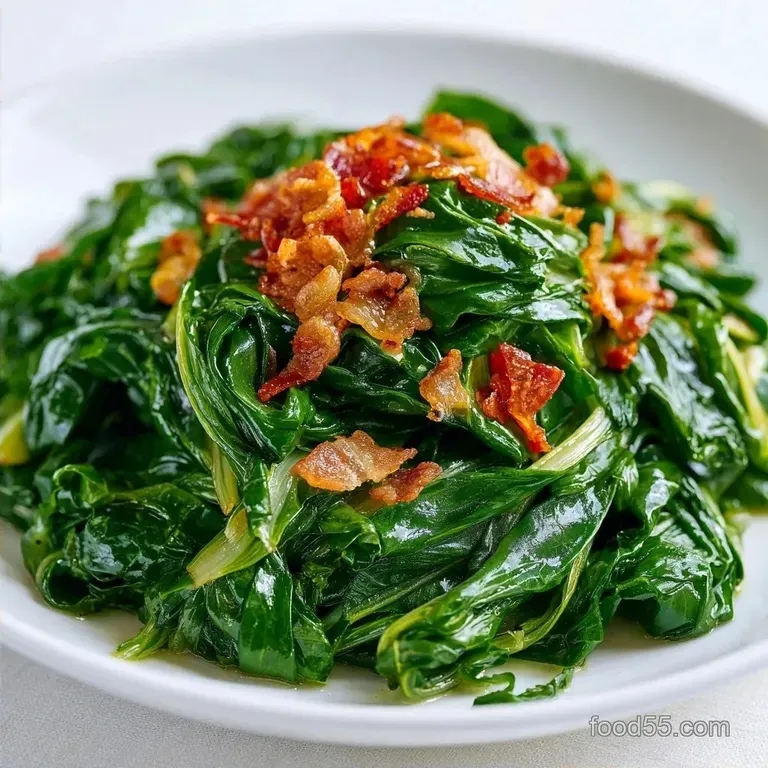
- Time: 10 min prep + 15 min cook
- Flavor/Texture Hook: Smoky, tangy, and tender
- Perfect for: A vibrant weeknight side dish
The sound of thick cut bacon hitting a hot pan is the only way I want to start a meal. There's something about that first sizzle that tells you the dinner is going to be good. I used to think greens were just a chore, something you boiled until they were gray and tasteless.
Then I started shopping at the local farmers market and found these stunning, deep red stalks of Swiss chard.
The thing about chard is that it's a powerhouse of a plant. According to USDA FoodData, it's packed with vitamins K and A, but if you cook it wrong, it tastes like a handful of pennies. You can't just toss it all in a pan and hope for the best.
That's where this method comes in. Braised Swiss Chard needs a bit of a strategy to get the timing right. We're going to use fat and acid to tame the greens and keep the textures distinct. It's a simple approach, but it makes a world of difference on the plate.
Braised Swiss Chard: Savory Tender Greens
Fat and Acid: Bacon fat and butter coat the leaves, while balsamic vinegar neutralizes the mineral bitterness. Staggered Cooking: Adding the stems first ensures they soften without the leaves turning into mush.
Essential Kitchen Gear
You don't need much for this one, but a wide pan is non negotiable. A 12 inch stainless steel or cast iron skillet works best because it lets the moisture evaporate instead of steaming the greens. If you use a small pot, the chard will crowd and get slimy.
Tongs are also a must. You'll be tossing a lot of bulky leaves in the beginning, and a spoon just doesn't have the reach to move everything around effectively.
Ingredient Deep Dive
| Ingredient | Role | If You Don't Have It |
|---|---|---|
| Thick cut Bacon | Smoky base and fat | Smoked paprika + extra butter |
| Swiss Chard | The main star | Rainbow chard or collard greens |
| Balsamic Vinegar | Brightness and acid | Lemon juice or apple cider vinegar |
| Vegetable Broth | Steaming liquid | Water with a pinch of salt |
Full Recipe Specs
For this Braised Swiss Chard, we're keeping the process tight. I prefer the stovetop over the oven because it gives me total control over the wilt.
| Method | Heat Source | Control | Result |
|---|---|---|---|
| Stovetop | Direct Medium | High | Faster, brighter color |
| Oven | Indirect Low | Low | Softer, more uniform |
Chef's Note: If you're using Rainbow Chard, the process is identical. The colors stay vibrant if you don't overcook the leaves.
Decision Shortcut
- Extra tang? → fold in 1 tsp lemon zest
- More heat? → add 1/4 tsp extra red pepper flakes
- Creamier finish? → stir in 1 tbsp cold butter at the end
Ingredients
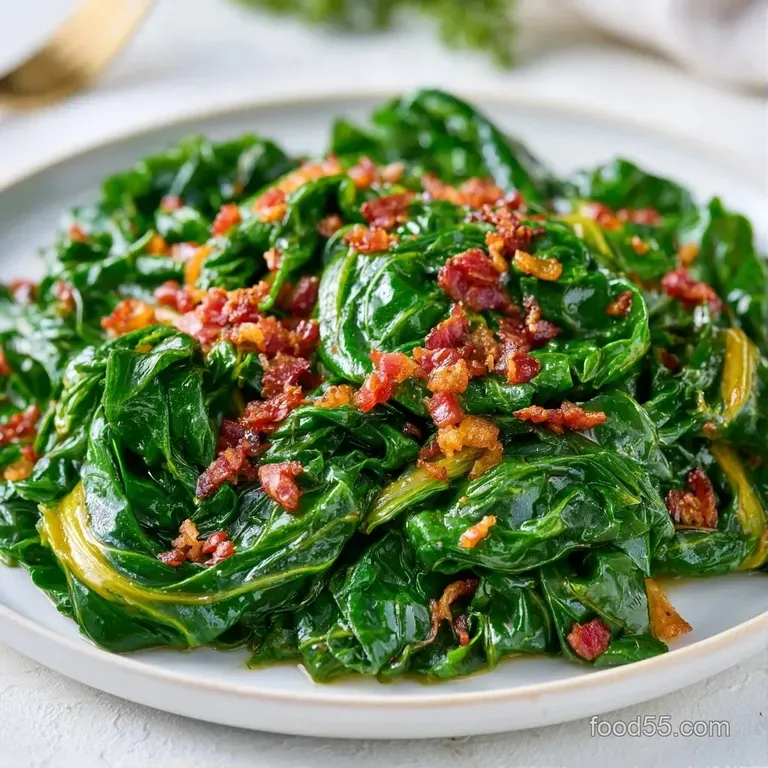
- 4 oz thick cut bacon, diced Why this? Provides the essential smoky depth.
- 2 tbsp unsalted butter Why this? Adds a rich, glossy finish.
- 1 medium yellow onion, thinly sliced
- 4 cloves garlic, minced
- 2 lbs Swiss chard, stems removed and chopped, leaves sliced into 2 inch ribbons
- 1/2 cup low sodium vegetable broth
- 1 tsp kosher salt
- 1/4 tsp red pepper flakes
- 1 tbsp balsamic vinegar Why this? Cuts the earthiness of the greens.
| Original Ingredient | Substitute | Why It Works |
|---|---|---|
| Bacon | Olive Oil | Plant based alternative. Note: Lose the smokiness, add smoked salt. |
| Vegetable Broth | Chicken Broth | Similar liquid profile. Adds a meatier depth. |
| Balsamic Vinegar | Red Wine Vinegar | Similar acidity. Note: Less sweetness than balsamic. |
Step-by-step Guide
- Separate the stems from the leaves. Chop the stems into 1/4 inch pieces and slice the leaves into wide ribbons; keep them in separate piles.
- Fry diced bacon in a large skillet until crisp and browned. Add butter and sliced onions, cooking over medium heat until the onions are translucent.
- Stir in the chopped chard stems and cook for 4-5 minutes until they soften and begin to brown.
- Add the minced garlic and red pepper flakes, stirring for 60 seconds until fragrant.
- Add the chard leaves in batches, tossing with tongs until they begin to wilt.
- Pour in the broth and salt. Reduce heat to low, cover with a lid, and simmer for 5-7 minutes until leaves are velvety and tender.
- Remove the lid and stir in the balsamic vinegar to brighten the flavor before serving.
Precision Checkpoints
- Stem Sauté: Stems must be tender crisp before leaves enter the pan.
- Garlic Timing: Exactly 60 seconds. Any longer and the garlic burns, making the dish bitter.
- Simmer Time: Max 7 minutes. Over simmering kills the vibrant green color.
Avoiding Kitchen Disasters
If the Braised Swiss Chard tastes too "earthy," don't reach for the salt. Salt won't fix bitterness. Instead, add a tiny splash more of balsamic vinegar. The acid is what actually neutralizes those metallic notes.
Another common issue is the leaves becoming slimy. This usually happens if you crowd the pan too much or use too much broth. You want a simmer, not a soup.
Fixing Texture and Taste
| Problem | Root Cause | Solution |
|---|---|---|
| Slimy Leaves | Too much liquid or overcrowding | Reduce broth; cook leaves in smaller batches |
| Bitter Aftertaste | Under seasoned with acid | Add 1 tsp balsamic or lemon juice |
| Tough Stems | Added leaves too early | Sauté stems for 5 mins before adding leaves |
Make-ahead and Leftover Tips
Place remaining portions in a tight glass container and keep them chilled for 3 to 4 days. The taste improves after sitting overnight, which makes this an ideal side for meal prepping. To warm it up, use a skillet on medium heat for 3 minutes.
Try to skip the microwave, as it can leave the greens feeling mushy.
Freezing Braised Swiss Chard isn't ideal. Because the cellular structure of the leaves breaks down during the freezing and thawing process, the result is often too watery.
To minimize waste, keep the remaining bacon grease from your pan. I enjoy using it for morning eggs or roasted potatoes. Any unused stems can be thrown into your next batch of vegetable stock.
Swaps and Variations
To make this a hearty main course, try Braised Swiss Chard and Cannellini Beans. Simply stir in a drained can of white beans during the last 5 minutes of simmering to add protein and a creamy contrast to the greens.
For a regional touch, create Southern Swiss Chard Recipes by replacing the balsamic with a splash of apple cider vinegar and a pinch of sugar. To make it plant based, swap the bacon for smoked tofu or a high-quality olive oil.
For an extra decadent treat, serve this with a dollop of Boursin Cheese. The creamy, herby cheese is a wonderful counterpoint to the smoky chard.
Best Serving Ideas
This recipe serves as a great side dish. It harmonizes beautifully with roasted meats. I particularly enjoy pairing it with a Coq Au Vin since the flavors of the red wine sauce and the balsamic in the chard enhance each other.
You can adapt the presentation style based on your event.
| Plating Level | Presentation | Tweak |
|---|---|---|
| Simple | Served family style in the skillet | Add extra bacon bits for garnish |
| Polished | Arranged neatly in a shallow bowl | Drizzle the remaining pan sauce on top |
| Restaurant | Molded using a ring | Crown with a toasted garlic chip |
Debunking Green Myths
Many believe that boiling chard in salted water is necessary to eliminate oxalates. While this method does eliminate some nutrients, it also diminishes the flavor. For most home cooks, braising chard with fat and acid is sufficient to enjoy its taste without any bitterness.
Another misconception is that searing greens "locks in" color. This isn't the case. Retaining the vibrant color is truly achieved by avoiding overcooking. Keep the simmer brief, and the greens will maintain their brightness.
Now, you're all set to prepare a fantastic batch of Braised Swiss Chard. It’s all about striking the right balance of smoky, salty, and sour. Just be sure to separate the stems from the leaves, and you'll end up with a side dish that truly shines. Let’s get cooking!
Recipe FAQs
Is it true that Swiss chard is always too bitter to enjoy?
Surprisingly, no. Braising it with bacon and finishing with balsamic vinegar balances the natural earthiness.
How do you best prepare Swiss chard?
Sauté the stems first for 4-5 minutes before adding the leaves. Simmer the leaves in vegetable broth for 5-7 minutes to achieve a velvety texture.
Can spinach be used instead of chard?
Use spinach if you prefer a milder taste, though it wilts much faster. If you enjoyed the texture control of cooked chickpeas, you'll appreciate how this quick cooking green stays tender.
Does Swiss chard work for diabetics?
This leafy green is excellent for blood sugar management due to its high fiber and low glycemic index. It provides essential nutrients without causing significant glucose spikes.
How to cook chard in the Italian style?
Sauté onions and garlic in butter before simmering the greens. Finish the dish with a splash of balsamic vinegar to brighten the flavors.
Braised Swiss Chard in 30 Minutes