Best Meal Prep Recipe with Chicken and Vegetables

- Time: Active 15 minutes, Passive 25 minutes, Total 40 minutes
- Flavor/Texture Hook: Charred edges, zesty lemon, and tender crisp vegetables
- Perfect for: Stress free weeknight dinners and high protein Sunday meal prep
- Best Meal Prep Recipe with Chicken and Vegetables
- The Science Behind Radiant Flavors
- Precision Guidelines for Perfect Portions
- Selecting the Freshest Seasonal Components
- Essential Gear for over High heat Roasting
- Mastering the Roasted Layering Technique
- Solving Your Prep Cooking Hiccups
- Flavorful Swaps and Culinary Variations
- Preservation and Zero Waste Strategies
- Enhancing Your Shared Meal Experience
- Final Guidance for Preparation Success
- Recipe FAQs
- 📝 Recipe Card
The sizzle of 1 inch chicken cubes hitting a hot baking sheet is the sound of a stress free week ahead. There is something deeply grounding about the aroma of roasted oregano and garlic filling the kitchen on a Sunday afternoon, turning a chore into a ritual.
This recipe makes the best meal prep with chicken and vegetables, hands down.
We have all been there, haven't we? You open your container on Wednesday afternoon only to find a sad, soggy mess that looks nothing like the vibrant meal you imagined. It is disappointing and, honestly, makes you want to order takeout instead.
But after years of trial and error in my own kitchen, I have figured out the secret to keeping those zucchini half moons snappy and the chicken incredibly tender.
This isn't just about throwing things on a tray and hoping for the best. It is about the connection we build with our food when we take the time to prepare it properly. We are creating a shared experience, even if it is just a quick lunch between meetings, that brings a bit of home cooked joy into a busy day.
Let's crack on and look at why this specific method actually works.
Best Meal Prep Recipe with Chicken and Vegetables
Success in the kitchen often comes down to understanding how heat interacts with different textures. When we roast at high temperatures, we are looking for that beautiful browning that provides a deep, savory punch. For another perspective on building layers of flavor, you might enjoy reading about The Creamy Garlic recipe, which uses a velvety sauce to achieve a different kind of satisfaction.
The Science of Why it Works
- Maillard Reaction: At 200°C, the amino acids in the chicken react with the natural sugars to create a golden brown crust and complex aromas.
- Pectin Stability: over High heat roasting quickly softens the pectin in the cell walls of the vegetables without causing them to collapse into mush.
- Carryover Cooking: Removing the tray just before the chicken hits its peak allows residual heat to finish the job, ensuring it stays juicy.
- Osmotic Balance: Salting the chicken before roasting draws out just enough surface moisture to allow for a better sear.
| Ingredient | Science Role | Pro Secret |
|---|---|---|
| Chicken Breasts (680g) | Lean protein structure | Pat them bone dry before seasoning for a better crust. |
| Extra Virgin Olive Oil (60ml) | Heat conductor and flavor carrier | Use a high-quality oil to help the spices "bloom" in the oven. |
| Fresh Lemon Juice (30ml) | Acidic brightener | Add half before roasting and half after for a layered citrus hit. |
| Zucchini (2 medium) | High moisture vegetable | Slice into thick half moons to prevent them from vanishing in the heat. |
It is fascinating how a few simple components can transform so drastically when heat is applied correctly. If you find yourself craving something even crunchier during the week, my Golden Baked Chicken recipe is a fantastic alternative that uses a similar over high heat philosophy.
The Science Behind Radiant Flavors
The real magic happens when we consider the surface area. By cutting everything into uniform sizes, we ensure that the heat reaches the center of the chicken at the exact moment the bell peppers begin to char. This prevents the "rubbery chicken" syndrome that plagues so many meal prep attempts.
Chef's Note: I like to preheat my baking sheets for 10 minutes before adding the food. This creates an immediate "shatter" of heat that sears the bottom of the chicken instantly, locking in those precious juices.
Precision Guidelines for Perfect Portions
To get this right every time, we need to focus on the numbers. We are aiming for 5 servings, which is the sweet spot for a standard work week. Using 680g (1.5 lbs) of boneless skinless chicken breasts ensures everyone gets a substantial hit of protein.
The vegetable mix is equally important. We are using 2 cups of broccoli florets, 2 medium zucchini, 2 large bell peppers (red and yellow for that beautiful rainbow look), and 1 medium red onion. This ratio provides a high volume meal that feels indulgent without being heavy.
Selecting the Freshest Seasonal Components
Choosing your elements carefully is where the flavor starts. I always go for the firmest zucchini and bell peppers that feel heavy for their size, as this indicates high water content which translates to better texture after roasting.
- Chicken Breasts (680g): Trim any excess fat to keep the pieces uniform.
- Substitute: Chicken thighs (680g). Why this? Thighs stay much juicier but need 5 extra minutes of roasting time.
- Extra Virgin Olive Oil (4 tbsp/60ml): Dividied for coating and finishing.
- Substitute: Avocado oil. Why this? Higher smoke point if you prefer a very dark char.
- Kosher Salt (1 tsp): Coarse grains are better for even coverage.
- Substitute: Sea salt. Why this? Similar salinity but check the grain size carefully.
- Broccoli Florets (2 cups): Cut them into bite sized pieces.
- Substitute: Cauliflower. Why this? Offers a nuttier flavor and similar roasting characteristics.
- Zucchini (2 medium): Sliced into half moons.
- Substitute: Yellow squash. Why this? Nearly identical texture but slightly sweeter profile.
- Bell Peppers (2 large): Use red and yellow for visual contrast.
- Substitute: Poblano peppers. Why this? Adds a mild, smoky heat rather than sweetness.
- Red Onion (1 medium): Cut into thick wedges.
- Substitute: Shallots. Why this? Provides a more delicate, garlicky sweetness.
- Fresh Lemon Juice (2 tbsp/30ml): Zest the lemon first for extra punch.
- Substitute: White wine vinegar. Why this? Sharp acidity that cuts through the olive oil effectively.
- Garlic (3 cloves): Minced finely or crushed.
- Substitute: Garlic powder (1 tsp). Why this? Better if you are worried about fresh garlic burning.
- Dried Oregano (1 tbsp): Rub it between your palms to release oils.
- Substitute: Dried thyme. Why this? Earthier, more floral notes that pair well with zucchini.
- Smoked Paprika (1 tsp): Provides that beautiful deep color.
- Substitute: Sweet paprika. Why this? If you prefer zero smokiness in your meal.
- Black Pepper (0.5 tsp): Freshly cracked is non negotiable here.
- Substitute: Red pepper flakes. Why this? Adds a lingering back of-the throat heat.
Essential Gear for over High heat Roasting
You don't need a professional kitchen, but two large rimmed baking sheets are vital. Crowding everything onto one sheet is the fastest way to turn a roast into a steam bath. If you spread the ingredients out, the air can circulate, giving you those crispy, charred edges we crave.
A sharp chef's knife makes quick work of the peppers and onions, and a large mixing bowl allows you to toss everything thoroughly. I also recommend using parchment paper. It makes cleanup a breeze and prevents the zucchini from sticking to the metal, which often tears the skin.
Mastering the Roasted Layering Technique
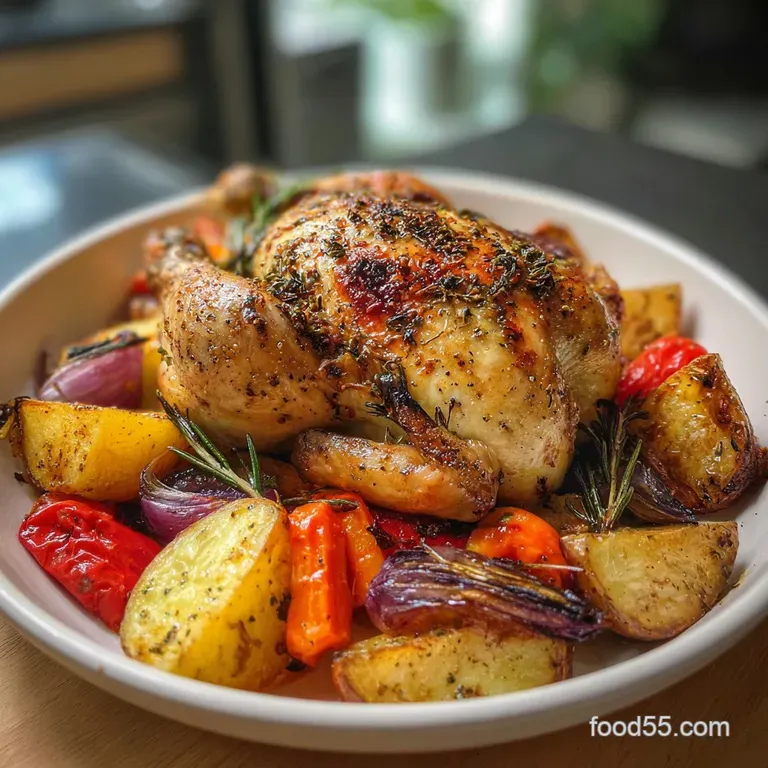
- Preheat the oven to 200°C (400°F). Note: A hot oven is essential for immediate caramelization.
- Dry the 680g of chicken cubes with paper towels. Note: Moisture is the enemy of a good sear.
- Whisk 3 tablespoons of olive oil, lemon juice, garlic, oregano, paprika, salt, and pepper in a large bowl.
- Toss the chicken cubes in the marinade until every piece is glossy and coated.
- Add the broccoli, zucchini, peppers, and red onion to the bowl.
- Coat the vegetables by tossing them gently with the remaining tablespoon of oil and any leftover marinade.
- Spread the mixture across two parchment lined baking sheets in a single layer.
- Roast for 20 minutes until the chicken is opaque and the vegetables show charred edges.
- Check that the internal temperature of the chicken has reached 74°C (165°F).
- Rest the tray for 5 minutes before portioning into containers to allow juices to redistribute.
Solving Your Prep Cooking Hiccups
Even the best of us run into trouble occasionally. The most common complaint with this specific prep style is the chicken becoming too dry or the vegetables losing their "snap" after a couple of days in the fridge.
The Rubbery Chicken Dilemma
This usually happens because the pieces were cut too small or cooked for too long. If your cubes are smaller than 1 inch, they will overcook before the vegetables have a chance to soften.
Ensure you are using a meat thermometer; pulling the tray at exactly 74°C is the only way to guarantee tenderness.
The Soggy Vegetable Syndrome
Zucchini and mushrooms are notorious for releasing water. If your tray looks like a soup at the end of the cooking time, you likely crowded the pan. The moisture needs space to evaporate. If the vegetables are still too wet, try roasting them on a separate tray from the chicken next time.
| Problem | Root Cause | Solution |
|---|---|---|
| Bland taste | Lack of salt or acid | Add an extra squeeze of fresh lemon after roasting. |
| Burnt garlic | Garlic was minced too finely | Use larger slices or add garlic halfway through roasting. |
| Grey chicken | Pan was too crowded | Split the recipe across two baking sheets for air flow. |
Flavorful Swaps and Culinary Variations
One of the reasons I love this recipe is how easily it adapts to what you have in the crisper drawer. If it is autumn, I often swap the zucchini for cubed butternut squash. If I am feeling like something with a bit more kick, I might add a tablespoon of chipotle in adobo to the marinade.
The Tex Mex Transformation
Swap the oregano and paprika for cumin and chili powder. Use lime juice instead of lemon and toss in some black beans during the last 5 minutes of roasting. It completely changes the profile while keeping the same easy technique.
The Low Carb Keto Swap
This recipe is already quite low in carbohydrates, but if you want to increase the healthy fats, you can add chunks of feta cheese or olives to the tray after roasting. You could also serve it over a bed of fresh spinach instead of grains to keep things light.
| Strategy | Change | Impact |
|---|---|---|
| Sheet Pan (Fast) | High heat, 25 minutes | Crispy textures and bright, fresh vegetable flavors. |
| Dutch Oven (Classic) | Low heat, 60 minutes | Softer, melt in-the mouth texture with a concentrated sauce. |
If you want a deeper flavor, marinate the chicken for 30 minutes before roasting. If you are short on time, use pre cut frozen broccoli florets to skip the prep work. For those who enjoy a bit of crunch, topping the finished bowls with toasted sunflower seeds adds a lovely textural contrast.
Preservation and Zero Waste Strategies
Storing your hard work correctly is the final hurdle. Let the chicken and vegetables cool completely at room temperature before snapping the lids on your containers. This prevents steam from building up, which is the primary cause of sogginess.
- Fridge: Store in airtight containers for up to 4 days.
- Freezer: While possible for 2 months, the zucchini texture will soften significantly upon thawing.
- Reheating: Use a microwave for 2 minutes, or for the best results, flash fry in a hot pan for 3 minutes to bring back the crispness.
- Zero Waste: Don't throw away those broccoli stalks! Peel the woody outer layer, dice the tender center, and roast them right along with the florets. They are incredibly sweet and crunchy.
Enhancing Your Shared Meal Experience
When it is time to eat, don't just eat out of the plastic container if you can help it. Sliding the chicken and vegetables onto a real plate and topping them with a dollop of Greek yogurt or a drizzle of tahini makes it feel like a proper meal.
If you are sharing this with family, serve it family style on a big platter in the center of the table. I love putting out a side of fluffy quinoa or warm pita bread so everyone can build their own perfect bite.
It turns a simple meal prep recipe into a moment of connection and cultural exchange, which is what cooking is really all about.
Final Guidance for Preparation Success
The chicken seems dry even though I followed the timing. Ovens can vary wildly in temperature. I strongly suggest using an oven thermometer to ensure your "400" is actually 400. Also, remember that carries over cooking the temperature will rise about 5 degrees after you pull it out.
Can I use frozen vegetables for this prep? Yes, but with a caveat. Frozen vegetables contain more moisture. I recommend roasting them from frozen at a slightly higher temperature (215°C) and keeping them on a separate tray from the chicken to prevent a soggy outcome.
Does searing meat seal in the juices? This is a very common kitchen myth. Searing does not create an impermeable barrier. Moisture loss happens regardless of the crust. However, we sear because of the flavor development from the Maillard reaction, not because of moisture retention.
Trust the thermometer, not the sear, for juiciness.
Is it safe to prep chicken for 5 days? Most health guidelines suggest 3 to 4 days for cooked poultry in the fridge. If you need it to last until Friday, I recommend freezing the last two portions and moving them to the fridge on Wednesday night to thaw safely.
Making the best meal prep with chicken and vegetables is all about respecting the ingredients. When we treat our midweek lunches with the same care as a Sunday roast, the results speak for themselves. Enjoy the process, the aromas, and the extra time you've saved for yourself this week!
Recipe FAQs
What is the best method for ensuring chicken stays moist in meal prep?
Roast at high heat with adequate spacing. High heat promotes the Maillard reaction for flavor, while avoiding crowding the pan allows moisture to escape instead of steaming the food.
How long can I safely store chicken and vegetable meal prep?
Up to 4 days in the refrigerator. Always cool completely before storing in airtight containers to prevent condensation, which leads to sogginess.
Can I use frozen vegetables in this meal prep recipe?
Yes, with adjustments. Roast frozen vegetables from frozen at a slightly higher temperature and on a separate tray from the chicken to manage moisture.
Why do my meal prepped vegetables get soggy?
Likely due to overcrowding the pan. Vegetables release moisture; if they are packed too tightly, the steam can't escape, leading to a mushy texture instead of a tender crisp one.
Does searing meat before roasting seal in juices for meal prep?
No, this is a common kitchen myth. Searing develops flavor through the Maillard reaction but doesn't create a seal to retain juices. Rely on internal temperature for juiciness.
How can I reheat my chicken and vegetable meal prep to retain crispness?
Pan-fry or use the oven for best results. Microwaving works, but a quick sauté in a hot pan or a few minutes in a hot oven will revive crispness better than steaming in the microwave.
What vegetables are best for meal prepping with chicken?
Choose vegetables that hold their texture well when roasted. Broccoli, bell peppers, zucchini, and red onion are excellent choices, as they roast nicely without becoming mushy if cooked correctly, much like in our Best Homemade Chicken Enchiladas with Creamy Green Sauce.
Chicken Vegetable Meal Prep
Ingredients:
Instructions:
Nutrition Facts:
| Calories | 371 kcal |
|---|---|
| Protein | 44g |
| Fat | 16g |
| Carbs | 10g |
| Fiber | 3g |
| Sugar | 5g |
| Sodium | 485mg |
