Pound Cake from Scratch: the Chefs Classic All-Butter Recipe
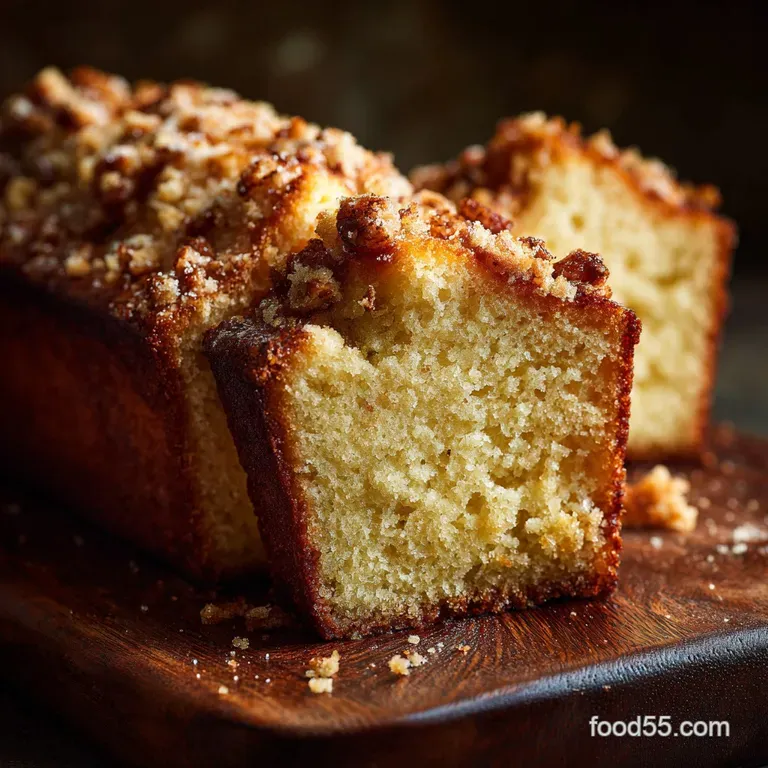
- The Crumb Perfection: Classic All-Butter Pound Cake
- The History and Allure of the Classic All-Butter Pound Cake
- The Science Behind Our Perfect Pound Cake Crumb
- Cornerstone Ingredients and Expert Substitutions
- Master the Technique: Step-by-Step Pound Cake Baking Guide
- Troubleshooting and Chef’s Secrets for Perfecting Your Cake
- Storage, Freezing, and Maximizing Freshness
- Elegant Serving Suggestions for the Classic Pound Cake
- Recipe FAQs
- 📝 Recipe Card
The Crumb Perfection: Classic All-Butter Pound Cake
You know that incredible, deeply satisfying buttery aroma that hits you the moment a truly great cake emerges from the oven? That rich, nutty smell is what we are chasing with this classic pound cake recipe.
This cake is pure luxury a golden, slightly crisp crust guarding a ridiculously tender, dense, yet surprisingly delicate crumb every single time.
Forget those overly fussy layer cakes that demand hours of chilling and careful stacking. This traditional recipe, relying primarily on simple pantry staples, is the ultimate lifesaver for last minute entertaining or a craving that needs immediate attention.
It’s fast, relatively cheap, and, crucially, completely dependable if you follow my core temperature rules.
We aren't messing around with quick substitutes or crazy modern methods here; we’re using tried and true technique to guarantee maximum moisture and lift. Get your mixer ready, because this is the definitive guide to the perfect Classic All-Butter Pound Cake.
The History and Allure of the Classic All-Butter Pound Cake
The name "Pound Cake" isn't just a cute vintage marketing trick it’s entirely literal. This dessert started centuries ago as a simple formula: one pound each of butter, sugar, eggs, and flour.
That incredible simplicity made it the cornerstone of European and American baking, traveling easily and always satisfying.
While we've slightly modernized the ratios today to guarantee a lighter texture (because eating a full pound of butter in one sitting is a lot, even for me), the essence remains. It’s comforting, inherently reliable, and deeply nostalgic, which is why a slice of perfectly made Pound Cake truly feels like a hug.
The Science Behind Our Perfect Pound Cake Crumb
This cake is a marvel of kitchen chemistry, but the logic is straightforward and easy to master. We rely almost entirely on the crucial creaming method (whipping fat and sugar) to create tiny, stable air bubbles.
These bubbles expand dramatically in the heat, providing the necessary lift and preventing that heavy, dense, brick like texture that makes poor pound cake so disappointing.
What Defines a True Pound Cake?
A true pound cake is defined by its high fat and sugar content relative to its flour. It’s supposed to be dense, but not tough; rich, but not oily. Unlike airy sponge cakes, it uses very little chemical leavening, letting the mechanical leavening (the air you whip in) do the heavy lifting.
The Role of the Creaming Method in Baking
This is where you build the foundational structure and trap the air that gives the cake its signature tender crumb. Creaming properly means running that mixer for a full 5 to 7 minutes until the mixture looks visibly pale yellow and incredibly light.
If you try to skip this time or rush it, your cake will be flat, greasy, and structurally unsound.
Essential Equipment Checklist for Baking Success
A high-quality Pound Cake starts with the right tools. I highly recommend an electric stand mixer fitted with the paddle attachment; your arm will thank you after the 7 minute creaming time. You’ll also need a reliable 10 12 cup Bundt pan or a large 9x5 inch loaf pan.
Chef’s Note: Use a digital kitchen scale for measuring the flour if possible. Packing flour into a measuring cup can increase the quantity by up to 30%, which immediately guarantees a dry cake. Precision matters!
Achieving the Signature Dense, Yet Tender Texture
This texture comes down to precise temperature control and gentle mixing of the flour. We want to develop the structure just enough for the cake to support itself, but we stop immediately before gluten toughness sets in.
The inclusion of full fat sour cream adds a slight acidity that keeps the final crumb unbelievably tender and boosts the moisture content.
Why Room Temperature Ingredients are Non-Negotiable
This is the number one reason people fail this recipe. Cold butter and cold eggs simply repel each other, refusing to blend smoothly. When they are all warmed up (about 70°F or 21°C), they emulsify beautifully, creating a stable, homogenous batter that holds air perfectly.
If your ingredients are cold, your batter will curdle and your cake will be dense.
Optimizing Bake Time for Zero Dryness
Baking low and slow at 325°F (160°C) is key to ensuring the cake bakes all the way through without drying out the edges. We are trying to cook the deepest part of the cake evenly. If you bake too hot, the top will set and crack early, while the center remains raw goo.
Cornerstone Ingredients and Expert Substitutions
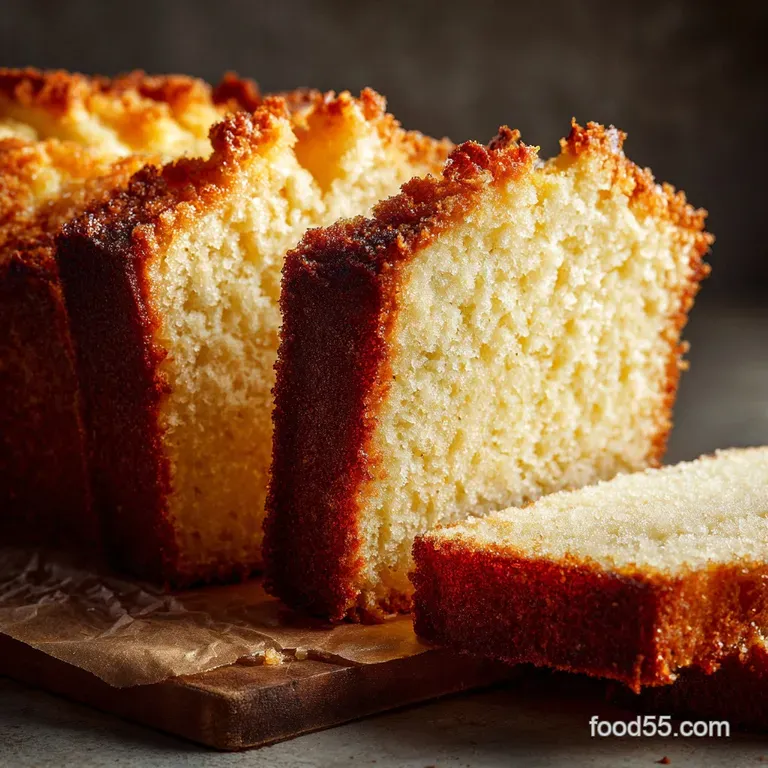
Selecting the Best European Style Butter
Go for the good stuff here; the flavor of your butter is literally the flavor of your cake. European style butter often boasts a higher butterfat percentage, giving you a richer flavor and a slightly better final texture.
Use unsalted butter so you can carefully control the added salt content in the recipe.
Flours: Cake Flour vs. All-Purpose Considerations
I prefer good quality all-purpose flour for this specific Pound Cake Recipe because I like that slight, satisfying density in the final crumb. If you genuinely want a cake that is whisper light, swap in cake flour it has less protein, which inhibits gluten development.
Enhancing Flavor with Vanilla and Lemon Zest
Vanilla is essential, so use real extract, please. That 1 tablespoon of lemon zest isn't just there to be fancy, either! It’s crucial; the acid and aroma cut through the incredible richness of the butter, preventing the cake from tasting overwhelmingly heavy.
Adjusting Sugar Levels for a Balanced Sweetness
The original ratios used a full pound of sugar, which is often too much for modern palates. I have slightly reduced the sugar quantity here to give you that perfect balance, letting the natural butter and vanilla shine.
However, don't drop the sugar too much, as it aids significantly in both moisture retention and achieving that beautiful golden brown crust.
| Ingredient | Substitute | Notes |
|---|---|---|
| Unsalted Butter | Salted Butter (Omit the 1/2 tsp salt) | You must adjust the added salt carefully. |
| Sour Cream | Full fat Plain Yogurt or Buttermilk | Yogurt is best for texture similarity; Buttermilk adds great flavor. |
| All-Purpose Flour | Cake Flour | Will produce an even lighter, more delicate crumb. |
| Granulated Sugar | Caster Sugar | Finer grain helps the creaming process faster. |
Master the Technique: step-by-step Pound Cake Baking Guide
Prepping the Pan and Oven for Even Baking
You absolutely must use a high-quality baker's release spray or make a paste of shortening and flour for pan prep. This is not the time for a quick mist of oil. Ensure your oven is fully preheated to 325°F (160°C).
Creaming Butter and Sugar to Maximize Air Incorporation
Combine the softened butter, sugar, and lemon zest in your mixer bowl. Beat on medium speed for a full five to seven minutes, scraping down the sides frequently. Stop when the mixture is pale, light, and looks genuinely fluffy. This is the single most important step for a Perfect Pound Cake Recipe.
Incorporating Dry Ingredients Without Overmixing
Reduce your mixer speed to the lowest setting. Alternate adding the sifted dry ingredients and the room temperature sour cream in three stages, beginning and ending with the dry mix. Stop the mixer the second the last streaks of flour disappear.
Use a rubber spatula to give the batter one final, gentle fold by hand, just to check for any flour pockets hiding at the bottom.
Testing for Doneness and the Cooling Process
The cake is done when it looks golden, smells deliciously nutty, and a skewer comes out clean or with just a few moist crumbs attached. Remove it immediately and let it cool in the pan for the crucial 15 minutes.
Trying to unmold it any sooner is just inviting disaster; the structure hasn't set yet!
Troubleshooting and Chef’s Secrets for Perfecting Your Cake
Preventing Cracking or Sunken Centers
A large crack down the top of a loaf or Bundt cake is totally normal for a dense Pound Cake from scratch —it’s how the cake releases steam as it rises.
If your center sinks , however, that means the cake structure collapsed because it wasn't fully baked (check internal temp!), or you opened the oven door too early.
What to Do If the Cake Rises Too Quickly
If you see it rising wildly and dome aggressively, your oven is likely running too hot, or you used too much baking powder. Check your oven temperature with a separate thermometer and ensure you level all your leavening agents accurately.
The Importance of Pan Placement in the Oven
Always bake the cake on the middle rack. This provides the most even heat distribution, preventing the bottom from burning before the top is cooked. Never place it too high or too low, or near the back vent where hot air blasts out.
Storage, Freezing, and Maximizing Freshness
Airtight Storage for Short Term Freshness
If wrapped tightly in plastic wrap and kept at room temperature, this Classic All-Butter Pound Cake is excellent for 3 4 days. Keep it away from high heat or direct sunlight, which can dry it out quickly.
Guide to Freezing Slices or a Whole Pound Cake
Does this cake freeze well? You bet it does! Wrap the fully cooled cake (whole or sliced) tightly in a double layer of plastic wrap, followed by a layer of aluminum foil, and freeze for up to 3 months. Thaw it overnight on the counter while still wrapped to trap all the moisture.
Reviving Stale Cake
If your cake is a few days past its prime, slice it thick and use it for something else! My favorite trick is pan-toasting the slices in a little butter until golden and serving them with fresh fruit, or cubing them for a quick, luxurious bread pudding.
Elegant Serving Suggestions for the Classic Pound Cake
The wonderful simplicity of this cake makes it a perfect canvas for countless toppings.
The classic approach is serving a thick slice with a dollop of fresh, lightly sweetened whipped cream and seasonal berries. For a cozy, spiced twist, you could drizzle it with the decadent caramel sauce recipe I perfected for my Caramel Apple Cheesecake Bars Recipe: Ultra Creamy, Spiced Sticky .
For a richer fall dessert, try serving a warm slice alongside the luscious cream cheese frosting used for my Banana Cake with Cream Cheese Frosting The Ultimate Moist Layer Cake Recipe . The pairing of the dense cake with the tangy frosting is truly divine.

Recipe FAQs
Why is my pound cake dry or too dense?
Dryness often results from over baking or inaccurate flour measurement, as too much flour absorbs excess moisture. If the cake is overly dense, it usually indicates the initial butter and sugar were not creamed long enough to incorporate the essential air needed for structure and lift.
My pound cake sank in the center after cooling. What went wrong?
A sunken center typically means the cake was underbaked, especially in the middle where it had not fully set before removal. This can also happen if the oven door is opened during the critical first 45 minutes of baking, causing a sudden temperature drop.
Since this is an all-butter recipe, can I substitute oil or margarine?
While you can substitute, real unsalted butter is crucial for the distinct, rich flavor and signature tender crumb of a classic pound cake. Oil will yield a very moist cake but will lack the structural integrity and creaming ability required by this specific preparation method.
What is the best way to store and freeze leftover pound cake?
Store pound cake tightly wrapped in plastic at room temperature for up to four days, as refrigeration tends to dry it out quickly. To freeze, wrap the completely cooled cake tightly in plastic wrap, then in aluminum foil, where it will keep perfectly for up to three months.
Why is the initial creaming of butter and sugar so important?
The creaming process is essential because it incorporates thousands of tiny air pockets into the mixture, which are responsible for the cake's eventual rise and light texture. When done correctly, the mixture should look pale yellow and fluffy, not grainy.
Can I add fruit or nuts to this classic pound cake recipe?
Absolutely, but to prevent additions like berries or chopped nuts from sinking to the bottom, toss them lightly in a tablespoon of the reserved flour mixture before folding them in. Limit the total additions to about 1 to 1.5 cups to ensure the batter's structure can support the weight.
I only have a standard loaf pan. Will the baking time change if I use a Bundt pan?
Yes, the baking time will likely be shorter and the temperature may need a slight increase to 350°F. A Bundt pan’s central tube allows heat to penetrate the batter from both the exterior and interior, generally reducing the overall cook time by 15 30 minutes compared to a solid loaf.
Classic All Butter Pound Cake Recipe
Ingredients:
Instructions:
Nutrition Facts:
| Calories | 210 kcal |
|---|---|
| Protein | 3.0 g |
| Fat | 12.0 g |
| Carbs | 22.0 g |
