Alfredo Sauce: the Ultimate Silky, Classic Restaurant Style Recipe
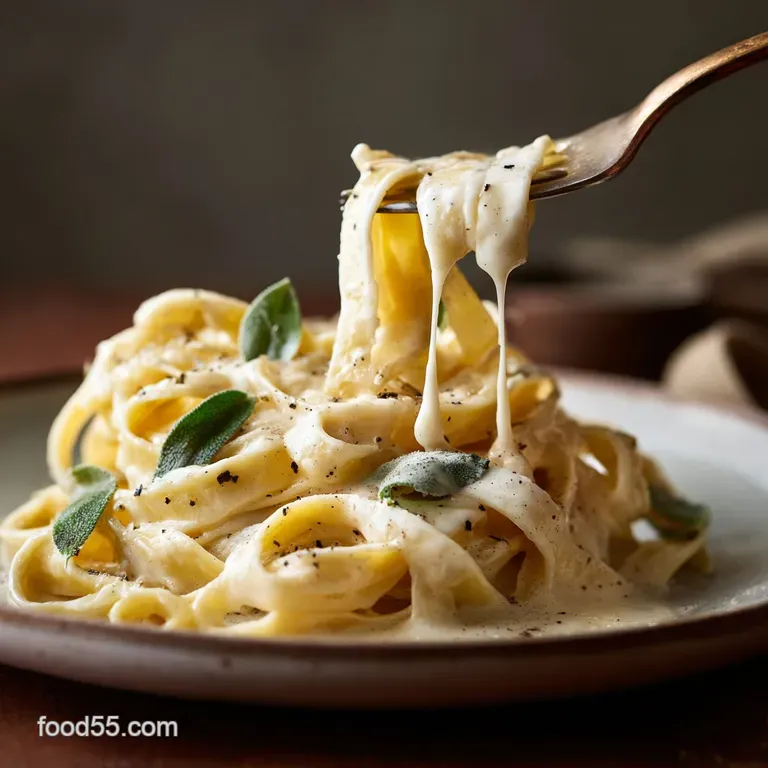
- Achieving the Ultimate Silky, Classic Alfredo Sauce
- The Science of a Stable Sauce: Why Emulsion Matters
- Essential Ingredients for Superior Alfredo Sauce
- Mastering the Technique: Step-by-Step Alfredo Sauce Directions
- Troubleshooting and Expert Tips for Your Next Batch
- Preserving the Ultimate Alfredo Sauce: Storage and Reheating Guide
- Beyond Fettuccine: Creative Ways to Use Homemade Alfredo Sauce
- Recipe FAQs
- 📝 Recipe Card
Achieving the Ultimate Silky, Classic Alfredo Sauce
If there is one scent in my kitchen that immediately makes my family stop and hover, it is the rich, nutty aroma of melting butter and garlic mingling with hot heavy cream. That smell means Alfredo is happening.
It’s comforting, ridiculously rich, and promises a velvety coat that clings perfectly to every single strand of pasta. Forget everything you think you know about store-bought Alfredo sauce; that gloopy, grainy mess is an insult to this classic.
This recipe is a straight-up lifesaver for those evenings when you need a decadent dinner ready in under 20 minutes. You likely have all the ingredients on hand right now, maybe just waiting for their moment of glory.
It’s inexpensive, requires zero fancy techniques, and provides that incredible rush of comfort only cheese and butter can deliver. Honestly, I'd rather spend time grating Parmesan than dealing with a complicated braise, wouldn't you?
Today, we are ditching the messy stovetop roux and focusing on the magic of emulsion, aiming for that perfect "Restaurant Style Alfredo Sauce" that flows like silk. I’m going to share the two tiny tweaks I learned years ago that prevent graininess and separation every single time.
Get ready, because once you master this Alfredo Sauce Recipe Easy , you’ll never buy the jarred stuff again.
The Science of a Stable Sauce: Why Emulsion Matters
The Difference Between Classic Roman and Modern Cream Based Alfredo
The original Roman dish, Fettuccine Alfredo , relies solely on Parmigiano Reggiano, butter, and a bit of pasta water. It’s minimalist and brilliant, but incredibly fragile.
The modern Americanized version, which is what most of us crave when we hear "Alfredo," adds heavy cream for stability and luxurious richness. We are tackling the modern version today, because frankly, it’s easier to execute perfectly at home.
Why Restaurant Style Alfredo Sauce Requires Precision
Achieving that incredible, long lasting coat you get at a good Italian American restaurant requires understanding temperature. Professionals control their heat meticulously because they know high temperatures are the enemy of dairy fats and proteins. We are making a stable emulsion, not boiling soup.
What Makes This the Best Homemade Alfredo Sauce Recipe?
It’s all about the order of operations and the quality of your ingredients. We start by building a warm, stable fat base (butter and cream), and only introduce the cheese off the heat . This guarantees that the fine proteins in the Parm don't seize up, giving you a smooth, homogenous sauce.
It’s foolproof if you stick to the rules.
Understanding the Butter Cheese Emulsion Point
Emulsion simply means forcing fats and liquids to stay together happily. In our case, we are persuading the butterfat and cream to bond with the cheese proteins. If the liquid is too cold, the cheese clumps and becomes grainy.
If the liquid is too hot (i.e., boiling), the fats separate from the proteins, resulting in an oily mess. We need that perfect sweet spot: hot, but not violently bubbling.
The Role of Heat and Temperature in Preventing Splitting
If you’ve ever had a sauce split on you, where a puddle of oil appears around the pasta, it was almost certainly due to overheating. Keep the heat on low. The moment you add the heavy cream, your goal is just to bring it to a gentle simmer, where you see the faintest of bubbles around the edges of the pan.
That’s it!
Achieving Perfect Pasta Cling Without Thickening Agents
We don't need flour or cornstarch here! The richness of the heavy cream (which must be full fat) combined with the natural starchiness released from the high-quality Parmigiano Reggiano is enough.
A proper Alfredo Sauce From Scratch gets its body from the emulsified fats, ensuring it clings beautifully to the pasta. If it’s too thick, we always have reserved pasta water to the rescue!
Essential Ingredients for Superior Alfredo Sauce
The secret to this sauce isn't complicated technique; it’s using fantastic stuff. There are only four main ingredients, so you need the best versions of all of them.
Selecting the Right Butter (High Fat is Key)
I always insist on unsalted butter because you control the salinity. A good European style butter has a higher fat content and less water than standard US butter. This means a richer flavor and a more stable emulsion base. Trust me, the quality of butter really shines through here.
The Importance of Freshly Grated Parmigiano Reggiano
This is non-negotiable. Pre-grated cheese contains cellulose (wood pulp) to prevent clumping. That stuff will absolutely ruin your sauce, making it grainy and clumpy when heated. Get a wedge, use a Microplane, and grate it finely.
Choosing Heavy Cream for Optimal Richness
Do not, under any circumstances, try to substitute skim milk or low-fat cream. This recipe relies on the high fat content (35% or more) of heavy cream to create that stable, luxurious mouthfeel. Room temperature cream is always better than cold cream, as it melts into the butter more smoothly.
Detailed Ingredient List and Prep Notes
Here are the ingredients again, along with what you can swap out in a pinch:
| Ingredient | Why We Use It | Viable Substitution |
|---|---|---|
| Unsalted Butter | Flavor and Emulsion Base | Salted butter (adjust salt later). |
| Heavy Cream (35%) | Provides body and stability | Half and half (will be thinner/less stable). |
| Parmigiano Reggiano | Essential flavor and texture | Pecorino Romano (Use less, it's saltier!) |
| Garlic | Depth and fragrance | Omit entirely if you want super classic Alfredo. |
Mastering the Technique: step-by-step Alfredo Sauce Directions
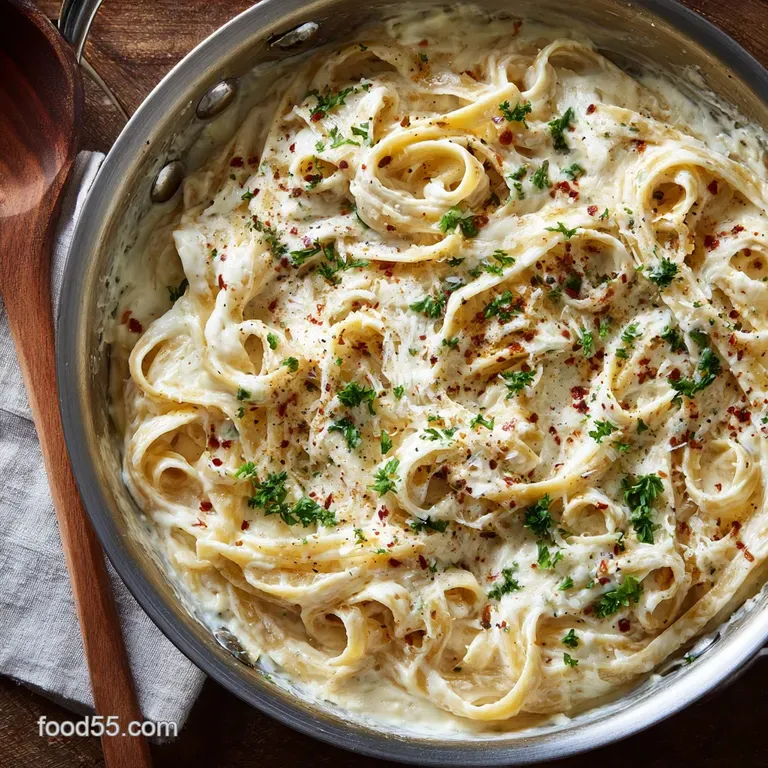
Prepping Your Ingredients for Seamless Execution
Before the heat even goes on, you must have your cheese grated finely and your cream measured out and near the stove. Alfredo sets quickly, so you can’t pause mid-whisk to deal with ingredients. If you are serving this over pasta, your pasta water should be boiling and the pasta cooking already.
The Gentle Melt: Combining Butter and Cream
Start with a heavy bottomed pan over very low heat . Melt the butter, then add your minced garlic if you are using it, letting it warm up for about 30 seconds until you smell it. Pour in the room temperature heavy cream. Stir gently until those tiny bubbles appear around the edge.
Do not boil the cream! As soon as it’s hot, remove the pan completely from the heat source.
The Final Whisk: Incorporating Cheese off the Heat
This is the magic move. Take the hot cream mixture off the burner. Now, add the finely grated Parmigiano Reggiano in three batches, whisking vigorously after each addition. The residual heat from the cream is enough to melt the cheese smoothly without breaking the emulsion.
This continuous movement creates that gorgeous, velvety gloss.
Crucial Chef’s Note: If your sauce seems too thick or stiff, whisk in 1 2 tablespoons of the hot, starchy pasta water. The starch helps bind everything back together and creates a perfect, flowing consistency.
Tossing the Pasta: The Crucial Final Step
The moment the sauce is done, season it with salt and white pepper (white pepper keeps the sauce looking pristine). Immediately toss it with your hot, freshly drained fettuccine. You want the sauce to hit the pasta while everything is still screaming hot.
If you let the sauce sit, it will tighten up into a solid block, I promise you.
Troubleshooting and Expert Tips for Your Next Batch
Why Did My Sauce Split or Become Grainy? (Quick Fixes)
If your sauce separates into an oily puddle and cheesy bits, it means you either overheated the cream or you added cold cheese, causing it to seize. The Quick Fix: Immediately add a tablespoon of cold liquid (cold cream or water) and whisk like your life depends on it. This shock often lowers the temperature enough to reform the emulsion. Another great fix is whisking in a teaspoon of cream cheese or a splash of Stovetop Creamy Pumpkin Mac and Cheese: Velvety Sauce, Ready in 40 Min base, if you happen to have some lying around, for extra stability.
Achieving the Right Consistency: Adjusting Liquid Ratio
If your sauce is too thick, use starchy pasta water. If it’s too thin, you can try adding a touch more finely grated cheese (off the heat!) to help absorb some of the liquid.
Remember, Homemade Chicken Alfredo sauces often require slightly more liquid because the protein absorbs the sauce quickly, so adjust accordingly if adding meat.
The Secret to Infusing Flavor (Garlic and Nutmeg Options)
While classic Alfredo uses only garlic, sometimes I add a tiny pinch of freshly grated nutmeg. It doesn't make the sauce taste like Christmas, but rather enhances the savory, milky depth of the cheese. I always add minced garlic to the butter first, letting it "bloom" until it smells nutty, then I add the cream.
Preserving the Ultimate Alfredo Sauce: Storage and Reheating Guide
Refrigeration Guidelines for Maximum Freshness
Alfredo sauce stores beautifully in the fridge for about 3 to 4 days. Keep it in an airtight container. Be prepared it will solidify completely into a thick, fatty disc once cold. This is normal and actually proves you used enough high-quality butter and cream!
Can You Freeze Alfredo Sauce? (Techniques for Preventing Separation)
Yes, you can freeze it, but be warned: cream based sauces often suffer texturally when thawed because the water content separates from the fats. To minimize separation, freeze it in small, sealed portions and let it thaw slowly overnight in the fridge.
Reheating Tips: Restoring the Smooth Emulsion
Never, ever microwave Alfredo sauce, as the high, uneven heat will almost certainly break the emulsion. Reheat it gently in a saucepan over low heat, stirring constantly. You will absolutely need to add a splash of milk or cream (or even better, reserved Fried Green Tomatoes with Remoulade Sauce: Ultra Crispy Southern Recipe sauce base, if that’s what you had leftover!) to help restore the creamy texture. Keep it low and slow until it flows smoothly again.
Beyond Fettuccine: Creative Ways to Use Homemade Alfredo Sauce
Alfredo is amazing tossed with pasta, but don’t limit yourself! Think about using it in other decadent ways.
It works wonders as a creamy binder for baked casseroles, or as a rich topping for baked potatoes and homemade fries. We also love using a spoonful to add creamy decadence to other side dishes, like using it instead of a simple sauce for mashed potatoes or dipping crispy appetizers like my famous Southwestern Saucers: Ultra Crispy Corn Fritters with Chipotle Crema . It’s a great way to use up leftovers!
Recipe FAQs
Why is my Alfredo sauce gritty or grainy?
Grittiness is almost always caused by overheating the Parmesan cheese, which causes the proteins to seize and separate from the butterfat. To prevent this, ensure you are using high-quality, freshly grated Parmigiano Reggiano and always incorporate the cheese off the heat or over the absolute lowest setting.
Using pre-shredded cheese, which contains anti caking agents, can also result in a poor texture.
My sauce is too thin. How can I thicken it without adding flour?
The primary thickener in classic Alfredo is the emulsion created by the heavy cream and butter, supplemented by the starches released when pasta water is added. If it’s still too thin, gently simmer the sauce over low heat, allowing it to naturally reduce and concentrate.
Alternatively, toss the sauce with hot pasta immediately; the pasta starch will help bind the sauce to its ideal consistency.
Why did my Alfredo sauce split or separate?
Splitting is often a result of adding cold ingredients to the hot base too quickly, or by boiling the sauce after the cheese has been incorporated. To maintain a stable emulsion, ensure the heavy cream is at least room temperature before adding it, and keep the heat very low once the sauce begins to bubble.
If it splits, try whisking in a tablespoon of very hot water or fresh cold cream to try and bring the mixture back together.
Can I use milk instead of heavy cream to make the sauce lighter?
While you can substitute milk, it is highly discouraged as heavy cream’s high fat content (36%+) is essential for creating a stable, rich, and non-splitting emulsion. Milk, being much lower in fat, will result in a significantly thinner sauce that is far more likely to curdle when heated with acidic ingredients or cheese.
For a slightly lighter option, you could replace about a quarter of the heavy cream with half and-half, but not skim milk.
What is the best way to store and reheat leftover Alfredo sauce?
Store leftover sauce in an airtight container in the refrigerator for up to three days. To reheat, place the sauce in a saucepan over very low heat and whisk constantly while gradually adding a splash or two of fresh heavy cream or milk.
This helps restore the smooth texture that the sauce loses when it cools and thickens in the fridge.
Can I freeze Alfredo sauce?
Freezing Alfredo sauce is generally not recommended because dairy based sauces rely on a delicate emulsion of fat and water, which breaks down when frozen and thawed. The resulting sauce is often watery, grainy, and cannot be easily re-emulsified.
It is best to make this recipe fresh or plan to consume leftovers within a few days.
What is the secret to achieving that "silky" restaurant texture?
The secret lies in the quality of the Parmesan and the technique of gentle emulsification. Always use freshly grated, high-quality Parmigiano Reggiano, and incorporate it slowly into the sauce off the heat.
Secondly, ensure you reserve and use some of the starchy pasta water to bind the sauce perfectly to the pasta, creating a luxurious and lasting coat.
Classic Silky Alfredo Sauce Recipe
Ingredients:
Instructions:
Nutrition Facts:
| Calories | 615 kcal |
|---|---|
| Protein | 18.7 g |
| Fat | 57.1 g |
| Carbs | 6.6 g |
