Best Cottage Cheese Chicken Crust Pizza
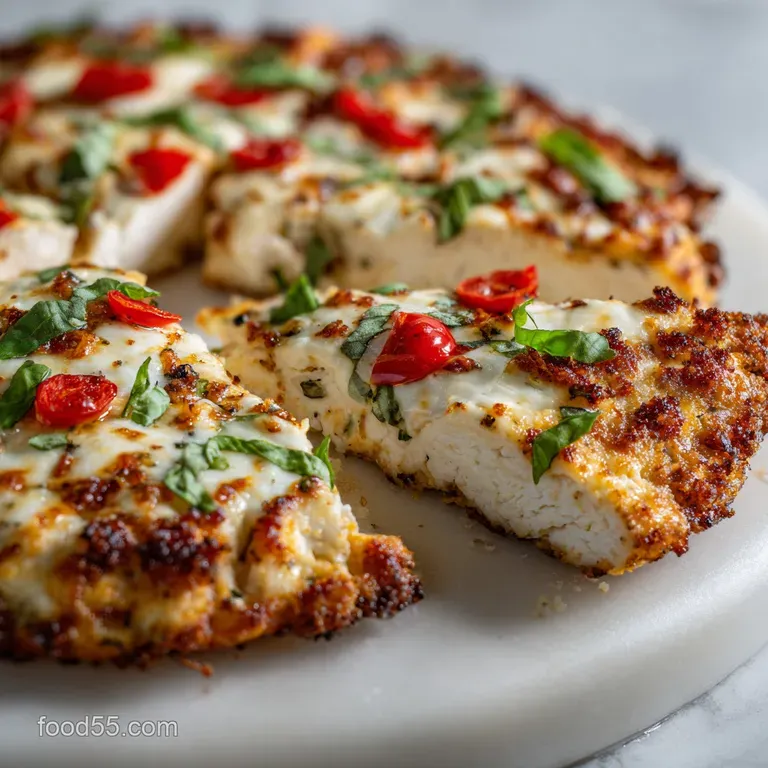
- Time: Active 10 minutes, Passive 25 minutes, Total 35 minutes
- Flavor/Texture Hook: Shatter crisp edges with a savory, umami rich center
- Perfect for: Post workout fuel, keto friendly weeknights, or a fun high protein dinner
- Mastering the Best Cottage Cheese Chicken Crust Pizza
- Molecular Science of the Protein Base
- Essential Metrics for Success
- Component Deep Dive and Selection
- Required Kitchen Tools and Prep
- Stepwise Guide to the Final Bake
- Fixing Texture and Flavor Issues
- Creative Variations and Ingredient Swaps
- Storage Rules and Waste Prevention
- Plating Style and Garnish Ideas
- Myths Regarding Chicken Crusts
- Critically High in Sodium
- Recipe FAQs
- 📝 Recipe Card
Mastering the Best Cottage Cheese Chicken Crust Pizza
Picture this: the kitchen smells of toasted oregano and bubbling mozzarella, and as you pull the tray from the oven, you hear that distinct sizzle of a crust that’s truly browned. I remember the first time I tried a chicken based crust, and honestly, it was a soggy disaster that I had to eat with a fork.
But after a few rounds of trial and error, I found the secret to a base that actually has structural integrity and doesn't taste like a flattened meatball.
The trick isn't just about the chicken, but how we use cottage cheese to create a velvety binder that mimics the chew of traditional dough. We're looking for that golden brown finish that holds up even when you load it with toppings.
It’s a total shift in how you think about "dough," but once you take that first bite, you’ll see why I’ve become obsessed with this method.
We are going to build layers of flavor here, from the seasoned base to the sharp kick of the parmesan. This isn't just a healthy substitute, it’s a legitimate culinary choice that brings people together around the table for a shared meal that feels indulgent but leaves you feeling fantastic.
Let’s get into how we make this happen without any of the common pitfalls.
Molecular Science of the Protein Base
- Maillard Reaction
- High heat triggers a chemical reaction between amino acids and reducing sugars. This creates the savory brown crust and complex aromas that define a great pizza.
- Protein Cross Linking
- As the egg and cottage cheese heat up, their proteins unfold and bond together. This creates a tight, flexible matrix that gives the crust its "chew" and strength.
- Hydration Management
- Straining the cottage cheese reduces excess water that would otherwise turn to steam. This allows the chicken to sear rather than boil in its own juices.
Understanding these basics helps us avoid the dreaded "limp slice" syndrome. It's quite similar to the structural goals we have when working with an Effortless Bread Machine recipe where hydration is king. When the proteins in the chicken and the casein in the cheese meet the heat, they form a solid lattice that can support the weight of the marinara and mozzarella without folding.
| Method | Time | Texture | Best For |
|---|---|---|---|
| Fresh Ground Chicken | 25 minutes | Firm, "bread like" | Traditional pizza feel |
| Canned Chicken (Shortcut) | 20 minutes | Flakier, drier | Busy weeknights |
| Rotisserie Shreds | 15 minutes | Chunky, rustic | Using up leftovers |
Using fresh ground chicken is always my preference because the moisture level is more predictable. If you use canned chicken, you have to be incredibly aggressive about drying it out, or the whole thing becomes a mushy mess.
Fresh ground chicken allows the proteins to bind more effectively during the par bake phase, which is non negotiable for a hand held slice.
Essential Metrics for Success
The beauty of this recipe is in the precision of the ratios. We aren't just tossing things in a bowl; we are creating a balanced emulsion of fat, protein, and seasoning. If you go too heavy on the cottage cheese, the crust won't set.
If you skip the parmesan, you lose that salty, structural "snap" that makes the edges so addictive.
Right then, let's look at the numbers. You’re looking for a total yield of 2 servings, which is perfect for a cozy dinner or meal prep for the next day. The macros are a dream for anyone watching their intake, but the flavor is what will keep you coming back.
Trust me, the 70 grams of protein per serving is just a bonus compared to how good this actually tastes.
Before we start mixing, make sure your cottage cheese is small curd. Large curd can leave little pockets of moisture that interrupt the evenness of the crust. I once tried it with large curd without straining, and it was a lesson in what not to do.
Small curd, strained through a fine mesh sieve, is your ticket to a flawless base.
Component Deep Dive and Selection
| Ingredient | Science Role | Pro Secret |
|---|---|---|
| Ground Chicken (1 lb) | Structural foundation | Use 93/7 lean to prevent a greasy base. |
| Cottage Cheese (0.5 cup) | Moisture and binding | Strain for 10 minutes to remove excess whey. |
| Parmesan (0.25 cup) | Fat and crisping agent | Grate it fresh so it melts into the chicken. |
The choice of seasonings is where we really build that "pizza" profile. Garlic powder and onion powder provide a consistent flavor throughout the "dough" without adding the moisture of fresh aromatics. Dried oregano is the soul of any pizza, and here, it works with the salt to highlight the savory notes of the chicken.
For the ingredients, you will need: - 1 lb lean ground chicken (93/7) Why this? Prevents the crust from becoming overly greasy during the bake. - 0.5 cup small curd cottage cheese (strained) Why this? Acts as a creamy binder and protein booster. - 1 large
egg Why this? The primary adhesive that holds the chicken together. - 0.25 cup grated Parmesan cheese Why this? Adds salt and helps the edges crisp up. - 1 tsp garlic powder - 1 tsp onion powder - 1 tsp dried oregano - 0.5 tsp sea salt - 0.33 cup low sugar
marinara sauce Why this? Keeps the carbs low while providing tangy contrast. - 1 cup shredded low moisture mozzarella cheese Why this? Low moisture prevents a soggy top. - 1 handful fresh basil leaves
If you don't have cottage cheese on hand, you could technically use ricotta, but it’s much wetter and will require even more straining. The cottage cheese has a unique acidity that balances the richness of the chicken.
For the parmesan, if you're in a pinch, Pecorino Romano works beautifully, though it is saltier, so maybe dial back the sea salt just a touch.
Required Kitchen Tools and Prep
You don't need a professional pizza oven for this, but a few specific tools will make your life much easier. First, a large baking sheet is essential. I prefer a rimmed one just in case any juices escape, though with lean chicken, that shouldn't be an issue. You’ll also need high-quality parchment paper.
Don't even try this directly on the pan or with foil, or you'll be scraping your dinner off the metal bit by bit.
A fine mesh sieve is your best friend for straining that cottage cheese. If you skip this, the steam created in the oven will prevent the Maillard reaction from happening effectively, leaving you with a grey, sad looking crust. I also like to use a second piece of parchment paper to press the "dough" out evenly.
It keeps your hands clean and ensures the thickness is consistent from edge to center.
| Original Ingredient | Substitute | Why It Works |
|---|---|---|
| Ground Chicken (1 lb) | Ground Turkey (1 lb) | Similar protein structure. Note: Can be slightly drier. |
| Cottage Cheese (0.5 cup) | Ricotta Cheese (0.5 cup) | Creamy texture. Note: Must be strained very well. |
| Marinara Sauce | Pesto Sauce | High fat/flavor. Note: Adds more calories and herbal notes. |
Once you have your tools ready, preheat your oven to 400°F (200°C). Accuracy is key here. If your oven runs cold, the chicken will release its juices before the proteins can set, leading to a pool of liquid on your tray.
If it's too hot, the outside will burn before the center is fully cooked through.
Stepwise Guide to the Final Bake
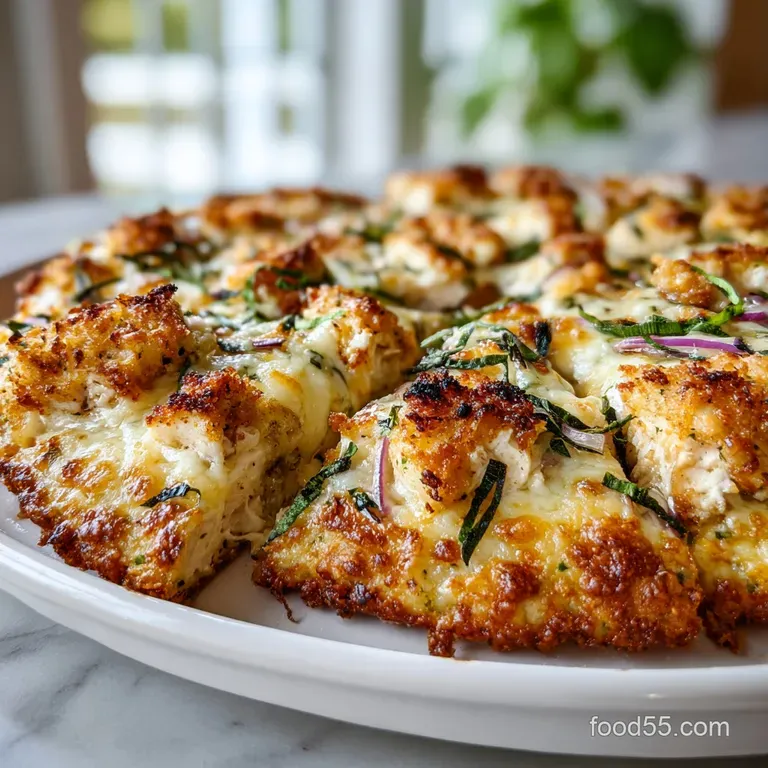
- Strain the cheese. Place 0.5 cup cottage cheese in a fine mesh sieve for 10 minutes. Note: This prevents a watery crust.
- Mix the base. In a large bowl, combine 1 lb ground chicken, the strained cheese, 1 egg, 0.25 cup parmesan, and all the spices.
- Incorporate thoroughly. Use your hands or a sturdy spoon to mix until the chicken is fully combined with the binders.
- Prepare the pan. Line a baking sheet with parchment paper and lightly mist with oil.
- Shape the crust. Transfer the mixture to the pan and press it into a 1/4 inch thick circle. Note: Use a second piece of parchment on top to smooth it out.
- Par bake the crust. Bake for 20 minutes until the edges are golden and the center feels firm.
- Add the toppings. Spread 0.33 cup marinara and sprinkle 1 cup mozzarella over the hot crust.
- Final melt. Return to the oven for 5 to 7 minutes until the cheese is bubbly and starting to brown.
- Garnish and rest. Top with fresh basil and let it sit for 3 minutes before slicing. Note: Resting allows the proteins to set so the slice stays firm.
- Slice and serve. Use a sharp pizza cutter to divide into wedges.
The resting period in step 9 is the hardest part because the aroma is incredible, but it's the secret to a slice you can actually pick up. While you wait, you can think about how this compares to the chewy texture of The Only Classic recipe. It’s a different experience, but equally satisfying in its own savory way.
Fixing Texture and Flavor Issues
The Soggy Center Issue
If your pizza is floppy in the middle, the culprit is usually moisture. Either the cottage cheese wasn't strained enough, or the chicken was too fatty. Another common cause is "crowding" the crust with too much sauce. A thin, even layer of marinara is all you need.
Preventing Sticky Bases
Nothing ruins a meal like a crust that refuses to leave the parchment paper. This usually happens if the oven wasn't hot enough or if you didn't use parchment paper at all. Make sure your oven is fully preheated, and always use a fresh sheet of parchment.
If it still sticks, try lightly dusting the parchment with a little extra parmesan before pressing the chicken down.
| Problem | Root Cause | Solution |
|---|---|---|
| Crust is falling apart | Not enough binder | Ensure you use a large egg and the full 0.25 cup parmesan. |
| Edges are burning | Crust is too thin at edges | Press the dough into an even thickness throughout. |
| Too much liquid on tray | Chicken fat content too high | Use 93/7 lean chicken and pat dry if needed. |
Common Mistakes Checklist - ✓ Strain the cottage cheese for at least 10 minutes to remove excess whey. - ✓ Use parchment paper, not foil, to prevent the chicken from sticking. - ✓ Press the "dough" to an even thickness to ensure uniform cooking.
- ✓ Let the crust rest for 3 minutes after the final bake to improve structural integrity. - ✓ Don't skip the par bake; the chicken must be cooked before adding toppings.
Creative Variations and Ingredient Swaps
If you want to move away from the classic margherita style, this chicken crust is a fantastic canvas for bold flavors. You can swap the marinara for a sugar-free BBQ sauce and top it with red onions and cilantro for a BBQ Chicken Pizza that is essentially chicken on-chicken.
It’s a flavor bomb that my friends always ask for when they come over.
For a dairy-free alternative, you can replace the cottage cheese with a thick almond based "ricotta" and use nutritional yeast instead of parmesan. It won't have the exact same "snap," but it's a great way to keep the high protein benefits while accommodating dietary needs. If you're looking for other ways to keep things light, you might enjoy exploring how we handle specialized bases in my How to Make recipe.
When it comes to scaling, this recipe is quite friendly. If you’re cooking for a crowd, don't just double the thickness on one pan. Instead, make two separate crusts on two different trays. If you try to make one giant, thick crust, the center will stay mushy while the edges burn.
For a half portion, use half a pound of chicken and half an egg (whisk it first, then measure out 2 tablespoons).
Storage Rules and Waste Prevention
Storing your leftover Best Cottage Cheese Chicken Crust Pizza is easy. Keep it in an airtight container in the fridge for up to 4 days. When reheating, avoid the microwave if you want to keep that crispiness.
A quick 5 minutes in a 350°F (175°C) air fryer or oven will bring back that shatter crisp edge.
For the freezer, you can actually freeze the par baked crusts! Just bake the chicken base, let it cool completely, and wrap it tightly in plastic wrap and foil. It’ll stay fresh for up to 3 months. When the pizza craving hits, just add your toppings to the frozen crust and bake until the cheese is bubbly.
It’s the ultimate high protein "frozen pizza" hack.
Zero waste tip: Don't throw away the liquid (whey) you strained from the cottage cheese. It’s packed with protein and can be added to smoothies or used as the liquid base for a savory soup.
Also, if you have tiny scraps of the chicken crust left over, crumble them over a salad the next day for a savory, crouton like crunch.
Plating Style and Garnish Ideas
We eat with our eyes first, and while this pizza looks rustic, a few simple touches can make it look like it came from a high end bistro. I love finishing the pizza with a drizzle of high-quality balsamic glaze or a sprinkle of red pepper flakes for a bit of heat.
The contrast of the dark glaze against the white mozzarella and red sauce is stunning.
Fresh herbs are non negotiable for me. Instead of just dried oregano, add a handful of fresh basil or even some baby arugula right before serving. The heat from the pizza will slightly wilt the greens, releasing their aroma without making them slimy.
If you're feeling fancy, a few shavings of fresh parmesan over the top adds another layer of texture.
Slicing is also part of the presentation. Instead of traditional wedges, try cutting the pizza into "tavern style" squares. It makes it feel more like a shared appetizer and allows people to grab smaller bites. This is especially great for gatherings where you’re serving multiple dishes, like my Classic Chicken Salad recipe. It’s all about creating that conviviality and joy through shared, beautiful food.
Myths Regarding Chicken Crusts
A common misconception is that searing the meat "seals in the juices." In reality, moisture loss happens regardless of searing; the real benefit of the over high heat bake is the Maillard reaction, which develops deep flavor and texture.
The crust's moisture is actually controlled by the ratio of binders and the initial leanness of the meat.
Another myth is that you need a lot of flour or starch to make a chicken crust "bready." People often think it will just taste like a giant nugget without it. However, the combination of egg and cheese proteins creates a specific kind of elasticity that mimics gluten surprisingly well.
You don't need fillers to get a satisfying, pizza like experience; you just need the right protein to fat balance.
Finally, don't believe the idea that you can't get a crispy bottom without a pizza stone. While a stone helps, a simple preheated baking sheet or even a cast iron skillet can produce a fantastic crust. The key is the par bake and ensuring the oven is at the correct temperature before the tray goes in.
Focus on the heat transfer, and the crispiness will follow naturally.

Critically High in Sodium
1588 mg mg of sodium per serving (69% % of daily value)
The American Heart Association recommends limiting sodium intake to about 2,300mg per day for overall cardiovascular health.
Actionable Tips to Reduce Sodium in This Recipe
-
Reduce Parmesan-20%
Parmesan cheese is a significant source of sodium. Reduce the amount from 0.25 cup to 0.125 cup, or consider using a low-sodium Parmesan alternative. This will make a substantial impact. Even better, omit entirely!
-
Omit Added Salt-25%
The recipe calls for 0.5 tsp of sea salt. Eliminate this entirely. The other ingredients already contribute sodium.
-
Low-Sodium Marinara-15%
Ensure the marinara sauce is truly low-sodium. Look for options with less than 140mg of sodium per serving, or consider making your own marinara sauce to control the sodium content.
-
Low-Sodium Cottage Cheese-10%
Check the sodium content of your cottage cheese. Opt for a low-sodium or reduced sodium variety. Rinse the cottage cheese with water before straining to further reduce sodium.
-
Flavor Boost
Experiment with sodium free herbs and spices to enhance the flavor without adding salt. Consider adding more garlic powder, onion powder, dried oregano, black pepper, or red pepper flakes.
-
Check Chicken-10%
Ensure the ground chicken has no added sodium. Some ground meat products are processed with sodium solutions for preservation.
Recipe FAQs
What is cottage cheese chicken crust pizza?
It's a low-carb, high protein pizza base. Instead of traditional dough, it uses ground chicken mixed with cottage cheese and egg, baked until firm and golden. This creates a savory, sturdy crust that holds toppings well.
How do I prevent the chicken crust from being soggy?
Strain the cottage cheese thoroughly and use lean chicken. Excess moisture from the cheese and fat from the chicken are the main culprits. Squeeze out as much liquid as possible from the cottage cheese and opt for 93/7 ground chicken for best results.
Can I make the chicken crust ahead of time?
Yes, you can par-bake the crust and freeze it. After the initial bake, let the crust cool completely, then wrap it tightly and freeze for up to 3 months. Add toppings to the frozen crust and bake until cheese is melted.
What's the best way to get crispy edges on the chicken crust?
Add parmesan cheese and ensure even thickness. Grated Parmesan cheese melts and crisps up beautifully, contributing to the crust's texture. Pressing the chicken mixture into a uniform thickness prevents thin edges from burning before the center is cooked.
Can I substitute the cottage cheese with something else?
Ricotta cheese can work, but with caution. While ricotta offers creaminess, it's typically much wetter than cottage cheese. If you substitute, ensure you strain the ricotta very well to avoid a soggy crust, similar to how you manage liquid in other protein rich recipes.
Why is par-baking the crust essential?
Par-baking sets the structure before adding toppings. This initial bake cooks the chicken and solidifies the binder proteins, creating a firm base. It prevents the crust from becoming mushy under the weight and moisture of sauces and cheese, much like ensuring a solid foundation before building up layers in other dishes.
How can I make this pizza spicier?
Add red pepper flakes to the base or toppings. Mix a teaspoon of red pepper flakes into the chicken mixture before baking for heat throughout the crust. Alternatively, sprinkle them over the marinara sauce and cheese before the final bake, or over the finished pizza for an immediate kick.
Cottage Cheese Chicken Crust Pizza
Ingredients:
Instructions:
Nutrition Facts:
| Calories | 659 kcal |
|---|---|
| Protein | 70.4 g |
| Fat | 37.8 g |
| Carbs | 6.7 g |
| Fiber | 1.1 g |
| Sugar | 3.2 g |
| Sodium | 1588 mg |
