Cracker Barrel Biscuits: Pillowy Interior
- Time: Active 10 minutes, Passive 12 minutes, Total 22 minutes
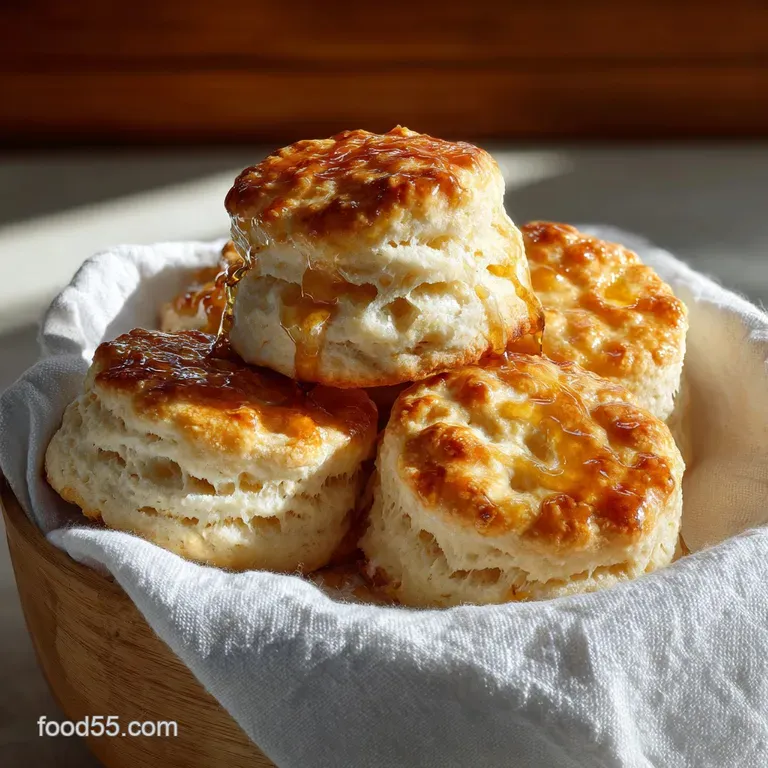
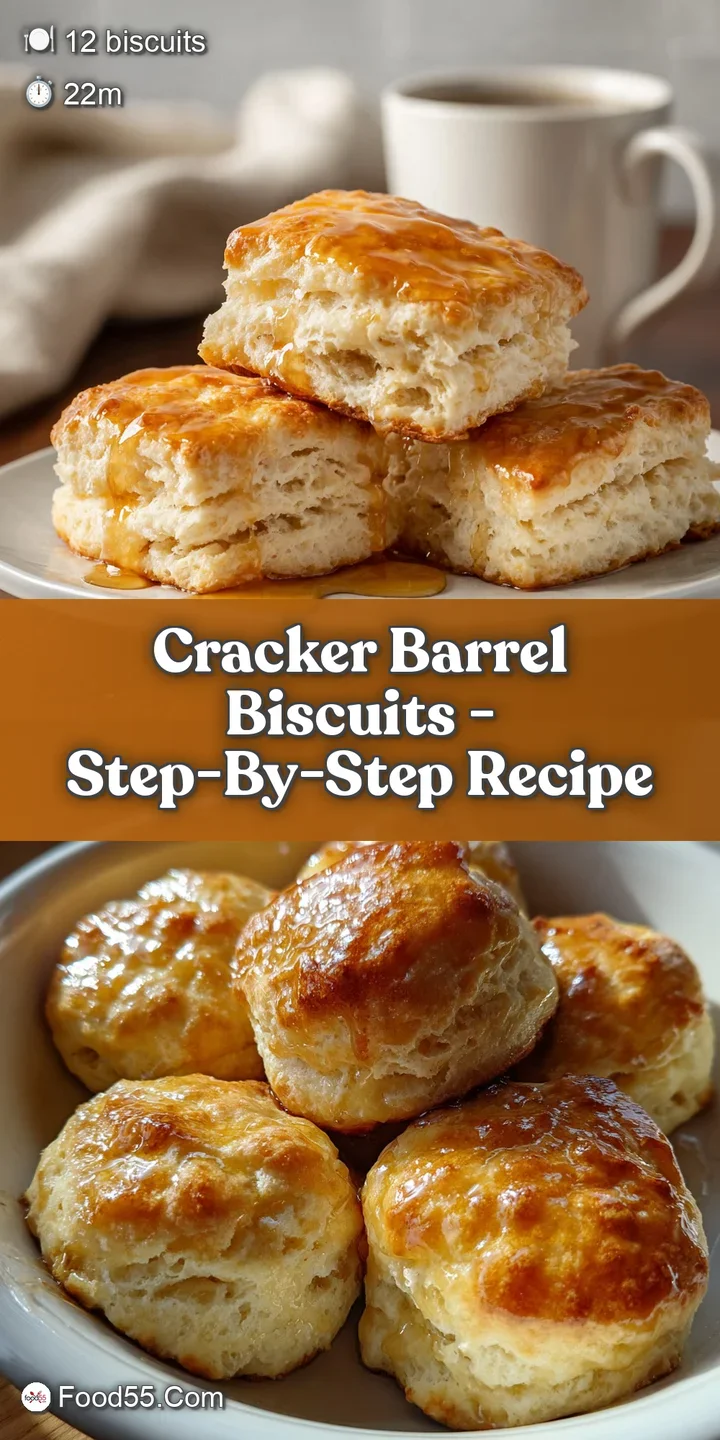
- Flavor/Texture Hook: A pillowy, velvety interior protected by a golden, buttery crust.
- Perfect for: Slow Sunday mornings, holiday brunches, or a quick weeknight side dish.
- Mastering the Iconic Flaky Layers of Cracker Barrel Biscuits
- The Secret Science of Achieving Ultimate Biscuit Flakiness
- Component Analysis of a Perfect Rise
- Sourcing the Essentials for a Southern Style Bake
- Tools Required for These Flaky Golden Rounds
- Step-by-Step Guide to Baking Pillowy Perfection
- Avoiding Common Pitfalls for Better Baking
- Customizing Your Dough for Different Meal Styles
- Maximizing Freshness and Reducing Kitchen Waste
- Serving Your Homemade Breads with True Southern Flair
- Recipe FAQs
- 📝 Recipe Card
Mastering the Iconic Flaky Layers of Cracker Barrel Biscuits
I still remember the first time I sat in one of those oversized wooden rocking chairs at the porch of a Cracker Barrel, the morning air crisp and smelling faintly of woodsmoke. When the server finally brought out that little plastic lined basket, the steam rising from the bread was almost hypnotic.
I ripped one open, watched the butter disappear into the crumb, and knew I had to figure out how to make these in my own kitchen.
After a few "hockey puck" incidents and some very messy flour covered counters, I finally cracked the code. It isn't about fancy equipment or rare ingredients; it's about how you treat the fat and the flour.
You want a biscuit that doesn't just sit there but actually shatters slightly when you bite into the crust, revealing a center so soft it practically melts.
We’ve all had those biscuits that are dry enough to require a gallon of water just to swallow. This isn't that. We're going for that specific homestyle texture that makes you want to cancel your plans and just stay in your pajamas all day.
Trust me on this, once you see how easy it is to get that restaurant quality rise at home, you'll never look at a refrigerated tube of dough the same way again.
The Secret Science of Achieving Ultimate Biscuit Flakiness
Thermal Expansion: When the cold buttermilk hits the hot oven, the moisture evaporates instantly, creating steam pockets that force the dough layers upward.
Chemical Leavening: The lactic acid in the buttermilk reacts with the leavening agents in the flour to produce carbon dioxide, ensuring a light, airy crumb instead of a dense mass.
Oven vs Skillet Results
To get that authentic look, you need to decide how you want the heat to hit the dough. While most of us use a standard baking sheet, there's a strong case for the cast iron skillet if you want a specific type of crunch.
| Method | Time | Texture | Best For |
|---|---|---|---|
| Standard Oven Rack | 12 minutes | Even browning, soft sides | Large batches for crowds |
| Cast Iron Skillet | 14 minutes | Ultra crispy bottom, rustic look | Serving directly at the table |
| Air Fryer | 8 minutes | Very fast, extra dark crust | Small batches of 3-4 biscuits |
Choosing your method depends on the vibe of your meal. If you are serving this alongside a hearty Cracker Barrel Meatloaf Recipe, the oven method provides that classic, uniform soft edge that mops up gravy beautifully. However, for a standalone breakfast, the skillet adds a savory depth that is hard to beat.
Component Analysis of a Perfect Rise
The magic of this recipe is in the simplicity of the components. We aren't using twenty different items; we are using a few things that have to work together in a very specific chemical dance.
| Ingredient | Science Role | Pro Secret |
|---|---|---|
| All Purpose Flour | Provides structure through gluten | Sift it twice to incorporate air before measuring |
| Cold Buttermilk | Activates leavening and adds tang | Keep it in the fridge until the very last second |
| Melted Butter | Coats flour proteins to limit gluten | Let it cool slightly so it doesn't "cook" the flour |
Chef Tip: If your kitchen is particularly warm, pop your mixing bowl in the freezer for 5 minutes before you start. Keeping the environment cool prevents the fat from melting too early, which is the number one cause of flat biscuits.
Sourcing the Essentials for a Southern Style Bake
To get the results we’re after, you need to be precise with what you pull from the pantry. Don't eyeball these measurements!
- 2.25 cups all purpose flour: Why this? Provides enough protein for structure without making the bread tough.
- 2 tsp granulated sugar: Why this? Encourages the Maillard reaction for a beautiful golden brown top.
- 1 cup cold buttermilk: Why this? The acidity is mandatory for that signature tender "shred" inside.
- 0.5 cup unsalted butter (melted and cooled): Why this? Distributes fat evenly through the dough for a velvety mouthfeel.
- 2 tbsp salted butter (melted): Why this? For that final salty, shimmering finish on the crust.
- 1 pinch flaky sea salt: Why this? Adds a tiny crunch and pops the flavor of the butter.
| Original Ingredient | Substitute | Why It Works |
|---|---|---|
| Buttermilk | Milk + 1 tbsp Lemon Juice | Mimics the acidity needed for the rise. Note: Slightly less thick. |
| Unsalted Butter | Salted Butter | Same fat content. Note: Reduce the extra pinch of sea salt. |
| All Purpose Flour | Pastry Flour | Lower protein content. Note: Creates an even more delicate, cake like crumb. |
If you happen to be making a full spread, these biscuits are the natural companion to a Cracker Barrel Fried recipe for apples, as the saltiness of the bread cuts through the cinnamon sweetness of the fruit perfectly.
Tools Required for These Flaky Golden Rounds
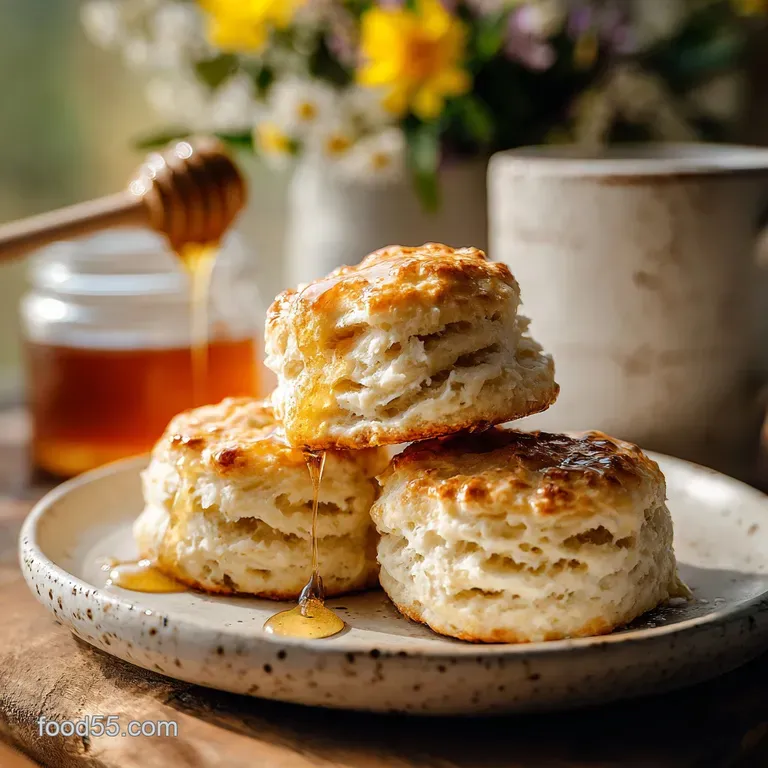
You don't need a high end stand mixer for this. In fact, using your hands or a simple wooden spoon is often better because it prevents you from overworking the dough.
- Large Mixing Bowl: Glass or metal is best as they stay colder than plastic.
- Biscuit Cutter: A 2.5 inch cutter with sharp edges. If you use a glass, don't twist it! Twisting seals the edges and prevents the biscuit from rising.
- Baking Sheet: Heavy duty aluminum helps with even heat distribution.
- Pastry Brush: For painting on that liquid gold (melted butter) at the end.
- Parchment Paper: Prevents the bottoms from burning and makes cleanup a breeze.
step-by-step Guide to Baking Pillowy Perfection
Let's get into the actual process. Remember, the goal is to be fast and gentle.
- Preheat the oven. Set it to 450°F (230°C). Note: A hot oven is non negotiable for the initial steam burst.
- Whisk dry ingredients. Combine the 2.25 cups flour and 2 tsp sugar in your chilled bowl.
- Prepare the fat. Melt the 0.5 cup unsalted butter and let it cool until it's just lukewarm but still liquid.
- Combine liquids. Pour the cold buttermilk into the cooled butter. Watch for the butter to form small clumps—this is exactly what you want!
- Fold gently. Pour the liquid mixture into the flour. Use a spatula to fold until just combined. Note: The dough should look shaggy and slightly wet.
- Turn out the dough. Place it on a lightly floured surface and pat it into a rectangle about 1 inch thick.
- Cut the rounds. Press your cutter straight down into the dough. Shatter proof tip: Do not twist the cutter.
- Arrange and bake. Place the rounds on the parchment lined sheet so they are just barely touching. Bake for 12 minutes until the tops are golden and the aroma fills the room.
- The finishing touch. Brush with the 2 tbsp melted salted butter immediately upon removal from the oven.
- Rest. Let them sit for 2 minutes so the internal steam settles.
Avoiding Common Pitfalls for Better Baking
Even the best of us have bad biscuit days. Usually, it comes down to one of two things: over mixing or temperature issues.
Fixing Heavy Stone Like Dough
If your biscuits come out looking like small boulders, you likely worked the gluten too hard. When you stir the buttermilk into the flour, stop the second you don't see any more dry white patches. The dough should not be smooth; it should be lumpy and a bit awkward.
| Problem | Root Cause | Solution |
|---|---|---|
| No Rise | Twisted the cutter | Press straight down and lift up cleanly. |
| Hard Bottoms | Sugar caramelizing too fast | Move the baking sheet to a higher oven rack. |
| Dry Crumb | Too much flour | Measure by weight or use the "spoon and level" method. |
Common Mistakes Checklist
- ✓ Never use warm buttermilk; it kills the "steam burst" effect.
- ✓ Don't over flour your work surface; it makes the exterior tough.
- ✓ Ensure your baking powder isn't expired (test a pinch in hot water).
- ✓ Space biscuits close together on the pan to help them "climb" each other.
- ✓ Avoid the temptation to peek! Opening the oven door drops the temp significantly.
Customizing Your Dough for Different Meal Styles
Once you have the base down, you can start playing with the profile. This recipe is incredibly forgiving once you understand the hydration levels.
For Savory Brunch: Fold in half a cup of sharp cheddar and a teaspoon of cracked black pepper. This version is a knockout when served with a side of salty ham.
For a Sweet Treat: Increase the sugar to 3 teaspoons and add a dash of vanilla to the buttermilk. If you're feeling adventurous, these make an incredible base for a "Southern Shortcake." You could even try a salty sweet combo by serving them alongside a Cheddar Ritz Cracker Smores recipe for a fun dessert twist.
Scaling for the Whole Family
- To Half (6 biscuits): Use 1 cup plus 2 tablespoons of flour. Use 1/2 cup buttermilk. For the egg wash (if using), beat one egg and use only half.
- To Double (24 biscuits): Increase flour and buttermilk linearly. However, keep the salt at 1.5x the original amount to avoid an over salted dough. Work in two separate batches to keep the dough cold.
Maximizing Freshness and Reducing Kitchen Waste
Biscuits are notoriously short lived. They are at their absolute peak within 20 minutes of leaving the oven, but that doesn't mean you should toss the leftovers.
Storage: Keep them in an airtight container at room temperature for up to 2 days. For longer storage, wrap them individually in foil and freeze for up to 3 months.
To reheat, pop them in a 350°F oven for 5 minutes don't use the microwave unless you want a rubbery texture!
Zero Waste: If you have biscuits that have gone truly stale, don't throw them out. Crumble them up to make a rustic bread pudding or use them as "croutons" for a creamy potato soup. You can even pulse them in a food processor for thick, buttery breadcrumbs to top a mac and cheese.
Serving Your Homemade Breads with True Southern Flair
Presentation is half the battle. If you want that restaurant feel, serve these in a basket lined with a clean cloth napkin to trap the heat. Put a small crock of room temperature honey butter in the center of the table.
For the ultimate experience, serve these alongside a big bowl of sausage gravy. The craggy tops of the biscuits are designed to catch the bits of black pepper and sausage, making every bite a perfect ratio of cream and crunch. If you're hosting a fancy brunch, you could even serve these as a side to a decadent Creme Brulee Cheesecake recipe to really show off your range as a home baker.
There is a specific kind of joy in watching someone pull apart a biscuit you made from scratch. It’s a small, buttery connection to a tradition of comfort food that spans generations.
Whether you're making these for a crowded holiday table or just for yourself on a quiet Tuesday, they bring a little bit of that porch swing, rocking chair peace into your own dining room. Now, go get that oven preheated you're only 22 minutes away from the best bread of your life.
Recipe FAQs
What has happened to Cracker Barrel biscuits?
No, they have not fundamentally changed their recipe. Rumors often surface when chains make minor supplier tweaks, but the core method relies on cold buttermilk and high heat for the signature rise.
What kind of biscuits does Cracker Barrel have?
They primarily serve their signature Southern style buttermilk biscuits. These are known for their soft, fluffy interior and buttery, slightly crisp exterior, made tall by using cold fat and high oven temperature.
Why are Cracker Barrel biscuits so good?
The secret is the textural contrast achieved through thermal shock. The cold buttermilk hitting the hot oven instantly creates steam, forcing the layers apart, which is a key technique you'll use when mastering the French Silk Pie recipe crust, too.
What is Cracker Barrel's most popular menu item?
While highly debated, the "Meat & Three" combination, often featuring their Biscuits 'n Gravy, is arguably their signature draw. The biscuits serve as the essential base for many of their top breakfast and dinner plates.
Can I make these biscuits ahead of time for a large group?
Yes, freezing unbaked dough is highly recommended for convenience. Cut the rounds, place them on a baking sheet, flash freeze them, and then transfer them to a sealed bag for up to three months.
How do I ensure my homemade biscuits rise tall like the restaurant version?
Press the biscuit cutter straight down firmly without twisting the tool. Twisting seals the edges of the dough, preventing the necessary vertical expansion caused by steam trapped inside.
Is it true that using baking powder instead of baking soda yields a better flavor?
No, this is a common misconception; you need both agents working together. Baking soda reacts with the acid in the buttermilk for the initial lift, while the powder provides a secondary, slower rise during baking, ensuring that soft texture seen in dishes like our Cinnamon Roll Cheesecake recipe.
Cracker Barrel Biscuits Recipe
Ingredients:
Instructions:
Nutrition Facts:
| Calories | 197 kcal |
|---|---|
| Protein | 3.2 g |
| Fat | 11.2 g |
| Carbs | 21.4 g |
| Fiber | 0.8 g |
| Sugar | 1.8 g |
| Sodium | 385 mg |
