High Protein Pasta: Creamy Cottage Cheese
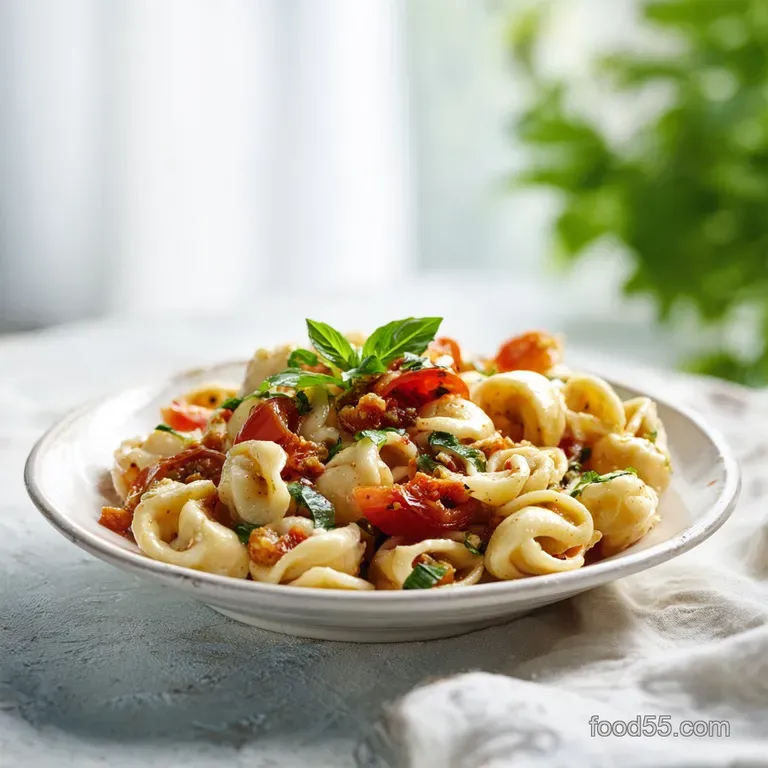
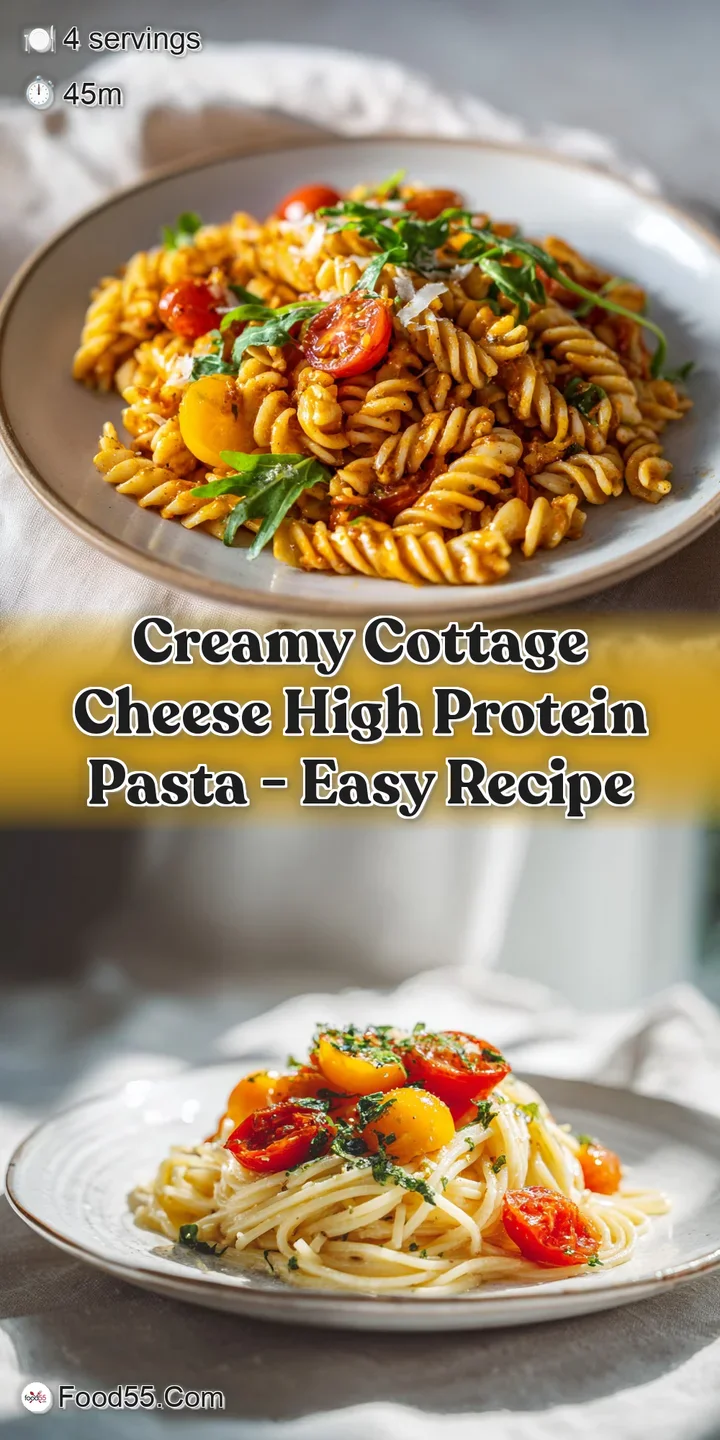
- Time:10 minutes active prep, 35 minutes cooking, 45 minutes total
- Flavor/Texture Hook: Velvety cream sauce meets perfectly seared chicken on pasta that actually holds its shape
- Perfect for: Weeknight dinners, meal prep Sundays, anyone tired of sad protein pasta that tastes like cardboard
- High Protein Pasta That Actually Tastes Amazing (Not Like Cardboard)
- How to Actually Nail This High Protein Pasta Recipe
- Recipe Specs
- The Building Blocks
- Equipment Needed
- From Prep to Plate
- Avoiding Kitchen Disasters
- Troubleshooting Common Issues
- Mix It Up
- Make-Ahead and Leftover Tips
- Serving Suggestions
- Quick Reference Card
- High in Sodium
- Recipe FAQs
- 📝 Recipe Card
High Protein Pasta That Actually Tastes Amazing (Not Like Cardboard)
There is something universally comforting about a bowl of pasta dressed in a rich, glossy sauce. From the sun drenched terraces of Naples to the family kitchens of Bologna, Italians have long understood that pasta is more than just carbohydrates.
It is a canvas for protein, a vehicle for vegetables, and ultimately, a way to bring people together around a single table.
The concept of high protein pasta has ancient roots in Italy, where nonnas have been fortifying pasta dishes with cheese, meat, and legumes for generations. Think about it. Pasta e fagioli. Pasta with beans. Pasta with lentils.
Italians figured out centuries ago that combining pasta with protein rich ingredients created meals that actually filled you up and kept you going. My own grandmother used to say that a proper pasta dish should stick to your ribs through a full day of work in the olive groves.
What we are doing here takes that wisdom and runs with it. Chickpea pasta delivers serious protein while keeping that satisfying bite you want in al dente pasta. The creamy sauce comes from blending cottage cheese until silky smooth, then mingling it with sharp parmesan and stretchy mozzarella.
Chicken gets a proper sear for golden edges and juicy centers. The result is 42 grams of protein per serving in a dish that actually tastes like something you would choose to make, not just something you make because you are trying to hit your macros.
How to Actually Nail This High Protein Pasta Recipe
The magic here happens at the intersection of technique and ingredient choice. Let me walk you through what actually matters.
Chickpea pasta behaves differently than traditional semolina pasta. It has a subtle nuttiness that stands up to bold sauces, and crucially, it holds its shape when tossed in a hot pan without turning to mush.
The protein content comes from the chickpeas themselves, but the fiber and resistant starch make this pasta more satisfying and easier on your blood sugar than the regular stuff.
The sauce relies on a trick that sounds strange until you try it. Blending cottage cheese until completely smooth transforms it from a lumpy, grainy ingredient into something that resembles ricotta or even béchamel.
Mixed with melty cheeses and a splash of starchy pasta water, it becomes a sauce that clings to pasta like it was born there.
High heat searing creates the Maillard reaction on your chicken, building flavor through browning rather than just seasoning. A quick rest after cooking lets the juices redistribute so every bite stays moist. And that balsamic vinegar in the sauce?
It is the secret weapon that brightens everything and makes the tomatoes taste rounder and more complex.
Recipe Specs
Fast Weeknight vs. Traditional Weekend Approach
| Aspect | Quick Version (25 mins) | Traditional Method (45 mins) |
|---|---|---|
| Chicken prep | Rotisserie or leftover | Fresh seared from raw |
| Sauce method | Direct combine | Full simmer, separate cheese fold |
| Results | Great weekday option | Superior depth of flavor |
| Protein content | Same 42g per serving | Same 42g per serving |
If you are cooking this for meal prep on a Sunday afternoon, take the full 45 minutes. If you need to get dinner on the table after work, grab a rotisserie chicken and you can have this on plates in under 30 minutes. Both versions deliver the same protein punch.
Quick Fix Table
| Problem | Cause | Fix |
|---|---|---|
| Sauce looks broken or greasy | Heat too high when adding cheese, or cheese added too fast | Lower heat immediately, add cheese gradually while stirring constantly. If already broken, whisk in pasta water off heat |
| Chicken turns out dry or rubbery | Overcooking past 165°F, or skipping rest time | Use thermometer, pull at 165°F, rest 5 mins before slicing |
| Pasta is hard or undercooked at the end | Not cooked enough in boiling water | Chickpea pasta continues cooking in sauce, but if severely underdone, add 1/4 cup water and simmer 3-5 more minutes |
Three Precision Checkpoints
Three moments in this recipe demand your full attention. First, when the olive oil shimmers and flows like liquid silk across your skillet, that is when your chicken hits the pan. Second, your chicken reaches perfection at 165°F internally, checked with a probe thermometer.
Third, the cheese sauce needs to reach at least 140°F to melt properly and become cohesive.
Decision Shortcuts
- If you want a vegetarian version, swap the chicken for roasted chickpeas and add sautéed spinach at the end
- If you prefer more heat, double the red pepper flakes or add a splash of your favorite hot sauce when stirring in the tomatoes
- If you are short on time, grab rotisserie chicken and blend your cottage cheese the night before, then assembly takes just 15 minutes
The Building Blocks
What Makes Each Ingredient Matter
The science here is straightforward but crucial.
Chickpea Pasta provides structure and protein but also contains resistant starch that develops as the pasta cools. This starch behaves differently in your body, giving you sustained energy without the spike.
The pasta holds its shape beautifully when tossed in hot sauce, which cannot be said for many protein enhanced alternatives.
Blended Cottage Cheese transforms into the sauce base through a process called protein matrix disruption. Blending breaks down the curds completely, releasing moisture and creating a smooth, spreadable texture that melds seamlessly with hot liquids.
Without this step, you get grainy pockets in your sauce.
Parmesan and Mozzarella Combination gives you two types of cheese magic. Parmesan brings intense umami and sharp, savory notes from aged proteins. Mozzarella contributes meltability and stretch, creating that satisfying cheese pull we all crave.
Balsamic Vinegar does not just add acid. It contains sugars that caramelize slightly during cooking, adding depth while brightening the tomatoes and balancing their natural acidity.
Complete Ingredient List
- 1 lb chicken breast, cut into 1 inch cubes
- 1 tsp Italian seasoning
- 0.5 tsp garlic powder
- 0.5 tsp sea salt
- 0.5 tsp black pepper
- 1 tbsp olive oil
- 16 oz chickpea pasta or high protein penne
- 1 cup cottage cheese, blended smooth
- 0.5 cup shredded parmesan cheese
- 0.5 cup shredded mozzarella cheese
- 2 tbsp butter
- 4 cloves garlic, minced
- 1 can (28 oz) crushed tomatoes
- 1 tsp dried oregano
- 1 tsp dried basil
- 0.5 tsp red pepper flakes (optional)
- 1 tbsp balsamic vinegar
- 0.5 cup reserved pasta water
Substitution Reference
| Original Ingredient | Substitute | Why It Works |
|---|---|---|
| Chicken breast (1 lb) | Ground turkey or extra firm tofu (1 lb) | Similar protein density. Turkey offers neutral flavor, tofu works for vegetarian diets |
| Cottage cheese (1 cup) | Greek yogurt (1 cup) | Comparable tang and creaminess. Note: Lower fat content may produce slightly thinner sauce |
| Chickpea pasta (16 oz) | Lentil pasta or edamame pasta (16 oz) | Alternative legume bases with similar protein levels. Note: Cooking times may vary by brand |
| Canned crushed tomatoes (28 oz) | Fresh Roma tomatoes (about 2 lbs), crushed | Brighter, fresher flavor when tomatoes are in season. Note: Requires peeling and crushing by hand |
| Fresh garlic (4 cloves) | Jarred minced garlic (2 tbsp) | Same garlic punch, fraction of prep time. Note: Slightly less aromatic but nearly identical results |
| Balsamic vinegar (1 tbsp) | Red wine vinegar (1 tbsp) plus pinch of sugar | Similar acidity. Note: Lacks the caramel notes of true balsamic |
Equipment Needed
You do not need much to pull this off. A few things make life easier.
A large skillet with decent heat retention transforms your chicken into golden perfection. I am talking about cast iron or stainless steel, something that holds heat when cold chicken hits the surface. A digital probe thermometer removes all the guesswork from protein cooking.
Seriously, once you start using one, you will wonder how you ever cooked chicken without it.
A high powered blender or immersion blender turns cottage cheese into silky smooth cream in under a minute. Do not skip this step. Blending the cottage cheese is what makes this sauce work. A large pot for boiling pasta, a colander for draining, and a mixing bowl to catch that precious starchy pasta water.
That reserved pasta water is not optional. It is liquid gold. The starch in that water helps the sauce cling to pasta and creates an emulsified, cohesive coating. Always save at least half a cup before you drain.
From Prep to Plate
The steps below take you from raw ingredients to plated perfection in 45 minutes.
Season your cubed chicken with Italian seasoning, garlic powder, salt, and pepper. Let it sit uncovered at room temperature for 5 minutes. This brief rest lets the seasonings hydrate and adhere to the meat rather than falling off in the pan.
Heat olive oil in your largest skillet over medium high heat until it shimmers and flows easily when you tilt the pan. Add chicken in a single layer without crowding. Crowding causes steaming instead of searing, and you need that golden crust.
Cook 4-5 minutes per side until golden and opaque, reaching 165°F internally. Transfer to a plate and set aside.
Blend your cottage cheese until completely smooth. This takes about 60 seconds in a regular blender. The texture should resemble thick cream. Small curd cottage cheese works best, but any variety blends smooth with enough processing time.
Bring a large pot of salted water to boil. Cook your chickpea pasta according to package directions until al dente, but pull it 2 minutes early. It will finish cooking in the sauce. Reserve 0.5 cup pasta water before draining.
Melt butter in your now empty skillet over medium heat. Add minced garlic and sauté until fragrant, about 1 minute. Stir in crushed tomatoes, oregano, basil, and red pepper flakes if using. Let this simmer uncovered for 10 minutes, stirring occasionally.
Remove the skillet from heat. Stir in your smooth cottage cheese, parmesan, mozzarella, and balsamic vinegar. Add reserved pasta water gradually, tossing until the cheeses melt into a velvety sauce. The pasta water is essential here. Without it, your sauce will be too thick and the cheese will clump.
Add your cooked pasta and seared chicken to the sauce. Toss everything together over low heat until well coated and heated through. The pasta will absorb some of the sauce and finish cooking to perfect al dente. Serve immediately while the cheese is still glossy and the sauce clings to every piece.
Avoiding Kitchen Disasters
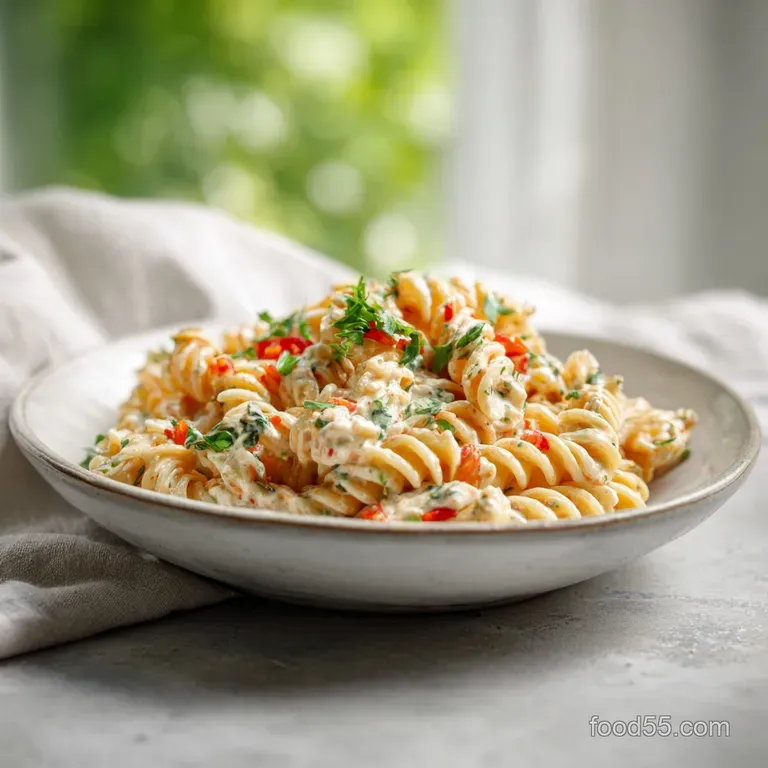
Even straightforward recipes encounter problems. Here is how to handle the most common issues.
Troubleshooting Common Issues
| Issue | Solution |
|---|---|
| Why Your Sauce Breaks or Looks Greasy | This happens when cheese encounters direct high heat. Cheese proteins seize up and separate from the fat, leaving you with a greasy, grainy mess. The fix is simple. Always remove your pan from heat be |
| Why Your Chicken Comes Out Dry | Overcooking is the culprit almost every time. Chicken breast is lean, which means it lacks fat to keep it moist. The solution is precision. Use a thermometer, pull at exactly 165°F, and let the meat r |
| Why the Pasta Turns Mushy or Hard | Chickpea pasta behaves differently than regular pasta. If you cook it fully in boiling water, it will turn to mush when tossed in the hot sauce. The fix is pulling it 2 minutes early and letting it fi |
Common Mistakes Checklist
- Blend cottage cheese until silky smooth before adding to hot sauce (prevents grainy texture)
- Preheat skillet until oil shimmers before adding chicken (ensures proper searing)
- Never crowd the pan when searing chicken (prevents steaming and uneven browning)
- Use a meat thermometer to check internal temperature (prevents overcooking)
- Reserve pasta water before draining (provides essential sauce building liquid)
- Pull pasta 2 minutes before package directions suggest (allows for finish cooking in sauce)
Mix It Up
This recipe welcomes variations. Here are some ideas to make it your own.
Mediterranean Style High Protein Pasta Bake
Transfer everything to a baking dish, top with additional mozzarella, and bake at 180°C until bubbly and golden, about 15-20 minutes. This variation works beautifully for entertaining because you can prepare everything ahead and bake it when guests arrive.
Spicy Sausage and Chickpea High Protein Pasta
Swap the chicken for crumbled Italian sausage, browned in the same skillet. Add a can of drained chickpeas with the tomatoes for extra protein and fiber. The spice from the sausage and the earthiness of chickpeas create an entirely different flavor profile while maintaining the same protein punch.
Creamy Pesto High Protein Pasta
Stir in a few tablespoons of basil pesto when you add the cheese, or swirl it on top when serving. This adds bright herbal notes and extra fat from the pine nuts and olive oil in quality pesto.
Vegan High Protein Pasta Variation
Replace chicken with roasted chickpeas and extra vegetables like roasted red peppers or artichoke hearts. Swap the cottage cheese and dairy cheeses for cashew cream and nutritional yeast. The result delivers around 25 grams of protein per serving from the chickpea pasta, beans, and nuts.
make-ahead and Leftover Tips
This dish stores beautifully, making it perfect for meal prep.
The components can be prepped ahead separately. Make the cottage cheese sauce and refrigerate it in an airtight container for up to 5 days. Season and sear your chicken, then store it separately for up to 3 days. When you are ready to eat, cook fresh pasta and combine everything in under 20 minutes.
For the full assembled dish, store it in an airtight container in the refrigerator for up to 4 days. The pasta will absorb some sauce, which actually intensifies the flavor. In the freezer, portions keep for up to 3 months, though the pasta texture may change slightly upon thawing.
When reheating, add a splash of water or broth to loosen the sauce. Warm gently over medium low heat, stirring frequently. Microwave works in a pinch but stovetop reheating preserves the sauce better. If reheating from frozen, thaw overnight in the refrigerator for best results.
For gatherings, this dish holds well. Keep it covered in a warm oven at its lowest setting for up to 30 minutes. The pasta will continue to absorb sauce, so you might want to add a splash of water before serving to refresh the consistency.
Serving Suggestions
This high protein pasta meal is satisfying enough on its own, but the right accompaniments elevate it further.
A simple green vegetable on the side balances the richness. Steamed broccoli, roasted asparagus, or a quick sautéed spinach all work beautifully. The contrast of bright, clean vegetables against the creamy pasta creates a more complete dining experience.
Crusty bread for sopping up extra sauce is practically mandatory. A good sourdough or rustic Italian loaf serves double duty here, adding textural contrast and ensuring no sauce goes to waste.
If you want a lighter touch, serve a simple arugula salad dressed with lemon juice and olive oil alongside the pasta. The peppery greens cut through the richness and cleanse the palate between bites.
Fresh basil scattered over the top adds color and fragrance. Afinal grating of parmesan and a pinch of red pepper flakes let guests adjust to their preference. Setting these finishing touches on the table invites people to customize their bowls.
For wine, a medium bodied red like Chianti or a crisp white like Pinot Grigio both pair well. The acidity in wine complements the tomatoes and cuts through the cheese.
Quick Reference Card
- Prep Time
- 10 minutes
- Cook Time
- 35 minutes
- Total Time
- 45 minutes
- Servings
- 4
Per Serving: 602 calories | 42g protein | 24g fat | 59g carbohydrates | 6g fiber | 8g sugar
Key Measurements: - Chicken seared to 165°F internal temperature - Sauce simmers for 10 minutes before cheese addition - Pasta cooked 2 minutes less than package directions
Core Technique: Blend cottage cheese smooth, sear chicken in batches, reserve pasta water, finish pasta in sauce
This high protein pasta recipe brings together everything we love about comfort food with everything we need from a protein rich meal. Whether you are feeding a family, meal prepping for the week, or hosting friends, it delivers satisfaction without compromise.
The sauce clings, the chicken stays juicy, and the pasta actually tastes like something worth eating. That is the real secret here.
High in Sodium
900 mg 900 mg of sodium per serving (39% 39% of daily value)
The American Heart Association recommends limiting sodium to less than 2,300 mg per day, with an ideal limit of no more than 1,500 mg per day for most adults.
Tips to Reduce Sodium in This Recipe
-
Eliminate or Reduce Sea Salt-25%
Omit the 0.5 tsp sea salt entirely or reduce it to a pinch. The dish has plenty of flavor from herbs, garlic, and cheese to compensate for the missing salt.
-
Choose No-Salt Added Tomatoes-20%
Replace the regular 28 oz canned crushed tomatoes with no-salt added or low-sodium versions. Look for labels like 'no salt added' or 'reduced sodium' at the grocery store.
-
Use Freshly Grated Parmesan-15%
Use a smaller amount of freshly grated parmesan rather than pre-shredded, which often contains anti caking agents with added sodium. Freshly grated has better flavor, so you need less.
-
Rinse the Cottage Cheese-15%
Rinse 1 cup cottage cheese under cold water before blending to remove excess sodium. This simple step can reduce sodium content significantly while keeping the creamy texture.
-
Boost Herbs and Spices
Increase the Italian seasoning, oregano, and basil to compensate for reduced salt. Fresh herbs at the end of cooking can add brightness and depth without any sodium.
-
Rinse the Chickpea Pasta-10%
Thoroughly rinse the 16 oz chickpea pasta under cold water before cooking or after draining. This removes excess starch and surface sodium from processing.
Recipe FAQs
What pasta is the highest in protein?
Legume based pastas lead the pack. Chickpea, lentil, and edamame pasta all deliver 15-25g of protein per serving compared to regular pasta's 7-8g. The recipe uses chickpea pasta which hits that higher range while still holding its shape well in the sauce.
Is high protein pasta actually good for you?
Yes, especially if you're trying to increase protein intake. Legume based pastas offer more fiber, vitamins, and minerals than traditional semolina pasta. They keep you fuller longer and help stabilize blood sugar. Just watch portions since they can be slightly higher in calories than regular pasta.
What is the best pasta for PCOS?
Low-glycemic, high protein options are ideal for PCOS. Chickpea pasta and lentil pasta have a lower glycemic index than regular pasta, meaning they won't spike your blood sugar as dramatically. The extra fiber also helps with hormone regulation and satiety. If you're looking for more PCOS friendly pasta recipes, explore alternatives like our spaghetti squash preparation which offers a completely grain free option.
What pasta is good for kidney disease?
This depends on your specific kidney disease stage and restrictions. High protein pastas made from legumes contain moderate amounts of potassium and phosphorus, which may need monitoring. Standard refined pasta has lower mineral content but lacks the protein benefit.
You really need individualized guidance from a renal dietitian before choosing.
Can I substitute regular pasta for chickpea pasta?
Yes, but you'll lose the protein boost. Regular semolina pasta will work with the same cooking times and sauce, but it won't give you the same nutritional punch. If you want to keep the protein up, try lentil pasta or edamame pasta instead they cook similarly and maintain that higher protein content.
Why does my sauce look greasy or broken?
Direct heat is the culprit when cheese hits the pan. Cheese proteins seize up and separate from the fat when exposed to high temperatures, creating that greasy, grainy texture. The fix is simple: always remove your skillet from heat before stirring in the cottage cheese, parmesan, and mozzarella.
Let the residual warmth melt everything smoothly into a velvety sauce.
How do I prevent my chicken from drying out?
Use a thermometer and pull at exactly 165°F. Chicken breast is lean with no fat to keep it moist, so overcooking by even a few degrees makes it tough and dry. Let the seared chicken rest on a plate while you build the sauce it'll continue cooking slightly from residual heat.
The 4-5 minutes per side guideline should get you there if your oil is properly shimmering before adding the chicken.
Creamy High Protein Pasta
Ingredients:
Instructions:
Nutrition Facts:
| Calories | 602 kcal |
|---|---|
| Protein | 42 g |
| Fat | 24 g |
| Carbs | 59 g |
| Fiber | 6 g |
| Sugar | 8 g |
| Sodium | 900 mg |
