Sophisticated Alfredo Salmon Pasta with Crispy Skin Dill
- Ditching the Diner: Elevating the Classic Cream Sauce
- Why This Alfredo Salmon Pasta Is Your New Weeknight Hero
- Essential Ingredients for the Perfect Salmon Tagliatelle Alfredo
- Tools and Prep: Streamlining Your Cooking Process
- Step-by-Step Cooking Guide to Your Best Alfredo Salmon Pasta
- The Three Phases of Flawless Pasta Creation
- Troubleshooting and Tips for Mastering This Dish
- Scaling, Storage, and Sophisticated Serving Suggestions
- Recipe FAQs
- 📝 Recipe Card
Ditching the Diner: Elevating the Classic Cream Sauce
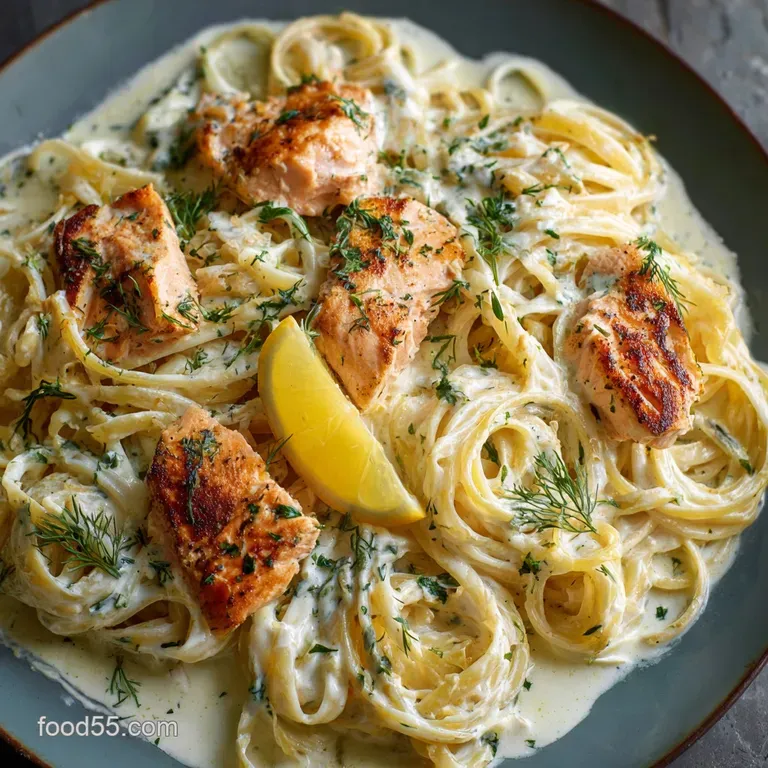
While the traditional Alfredo is a beloved comfort food, it often falls victim to heavy handedness, resulting in a sauce that feels more like a burden than a luxurious coating. Our goal is to transform this dish, creating an Alfredo Salmon Pasta that is rich and satisfying, yet undeniably bright and elegant.
By introducing the robust, omega rich flavor of perfectly seared salmon and balancing the richness of the heavy cream with fresh lemon and herbaceous dill, we move this classic preparation squarely into the realm of sophisticated, healthy dining.
This technique ensures a silky, glossy finish that adheres beautifully to the pasta without the thick, pasty texture found in less refined recipes.
Why This Alfredo Salmon Pasta Is Your New Weeknight Hero
This particular alfredo salmon pasta recipe has been engineered for maximum flavor impact in minimum time, making it the ideal Quick Weeknight Salmon Dinner .
Clocking in at just over 30 minutes from start to finish, the process manages to seamlessly integrate the delicate searing of the fish with the creation of a deeply flavorful, Creamy Pasta sauce.
It is a true indulgence that requires less time and complexity than many standard family meals, proving that quick cooking doesn't necessitate compromising on quality or taste.
The Power of Lemon Zest in Rich Pasta Dishes
Lemon zest is perhaps the most underrated tool in the chef's arsenal when dealing with heavy sauces. Unlike lemon juice, which provides acidity but can easily curdle a delicate cream base if added too early or in excess, the finely grated zest releases concentrated essential oils.
These oils cut through the dense fat content of the cream and Parmesan, providing an immediate aromatic lift and preventing the dish from tasting flat or overly heavy. We integrate the zest both into the initial salmon seasoning and as a finishing touch, ensuring that every bite of this Salmon Pasta delivers a refreshing counterpoint to the decadence.
Achieving Flaky, Succulent Salmon Every Time
The quality of the salmon is paramount in this dish. We utilize a precise searing method to guarantee a flaky interior and a beautifully crisp exterior. The key is moisture control: the skin-on fillets must be patted completely dry before seasoning.
When placed skin side down in shimmering hot oil, the skin renders rapidly, creating a protective barrier that seals in moisture. We dedicate the vast majority of the cooking time (about four to five minutes) to this side before a brief flip, ensuring the fish is just cooked through (to 145° F/ 63° C), resulting in perfectly succulent, easily flaked chunks.
Understanding the Creamy Sauce Emulsion (No Flour Needed)
The secret to a flawless Alfredo sauce lies in understanding emulsion, not thickening agents. Authentic Alfredo relies solely on the natural binding power of fat (butter and cream), protein (Parmesan), and starch. The ¾ cup of reserved pasta cooking water is the crucial component here.
The starches released during the boiling of the tagliatelle act as a natural emulsifier, helping the fat and water molecules bond together smoothly. This technique eliminates the need for flour, resulting in a lighter, glossier coating that never tastes gummy or starchy.
Mastering the One-Pan Finish for Flavor Fusion
While the recipe involves cooking the pasta in a pot and the salmon in a skillet, the final assembly is strictly a one-pan affair. By using the same large, heavy bottomed skillet in which the butter and garlic were briefly sautéed, we retain all those aromatic residue flavors.
When the drained, al dente tagliatelle is introduced to the finished cream sauce in this pan, followed by the flaked salmon, the ingredients fuse. This ensures a uniform distribution of flavor and warmth, avoiding the sad fate of bland, unseasoned pasta strands meeting a separately cooked sauce.
Essential Ingredients for the Perfect Salmon Tagliatelle Alfredo
The foundation of any great Creamy Pasta dish is ingredient quality. We begin with 400 grams of Tagliatelle its flat, wide shape is superior for coating evenly and four generous (150g/5 6 oz) skin-on salmon fillets.
For the sauce base, 4 tablespoons of unsalted butter and 1 cup of rich heavy cream provide the necessary fat content. Crucially, the recipe calls for 1 cup of freshly grated Parmigiano Reggiano, not the pre-shredded variety, which prevents the sauce from breaking.
A delicate, warm hint of freshly grated nutmeg and a generous quantity of fresh dill elevate the aromatics. While some cooks rely on shortcuts like using salmon alfredo pasta with jar sauce , the 20 minutes required to build this homemade sauce is profoundly worth the minimal effort.
Tools and Prep: Streamlining Your Cooking Process
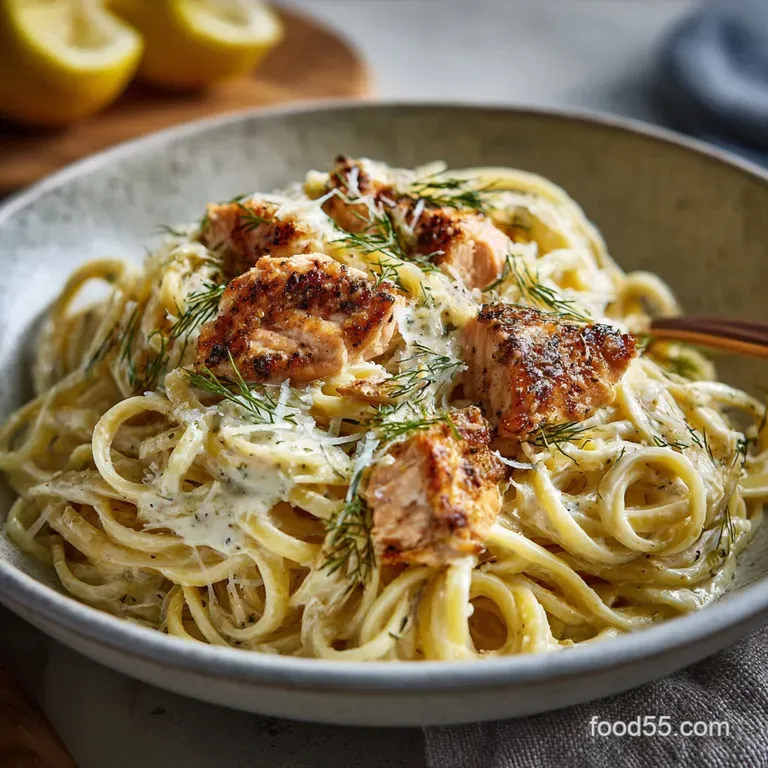
Organization is key to conquering this recipe efficiently. Ensure you have your large stockpot ready for the pasta and a sturdy, 12 inch heavy bottomed skillet for both the salmon searing and the final sauce assembly.
A high-quality microplane grater is non-negotiable for producing light, fluffy Parmesan that melts instantly. The active prep time, estimated at 15 minutes, should be dedicated to seasoning the salmon, chopping the dill, and meticulous mincing of the garlic.
Selecting the Right Cut of Salmon and Pasta Shape
We recommend skin-on fillets for optimal searing. The skin protects the delicate fat layer directly beneath, helping the fish remain juicy during the cooking process. For the pasta, Tagliatelle or Fettuccine are superior choices compared to tubular or small shapes like penne, as the flat strands act like little rafts, maximizing the surface area available for the thick, velvety sauce to cling to.
The Non-Negotiable Parmesan: Quality vs. Pre-Grated
For the silkiest texture possible, you must start with a block of authentic Parmigiano Reggiano and grate it just before use. Pre-grated cheeses contain anti caking agents like cellulose, which prevent the cheese from melting cleanly into the cream base.
This results in a grainy, separated, and often lumpy texture, completely undermining the goal of a smooth, emulsified Alfredo.
How to Properly Prepare Garlic and Shallots for the Sauce Base
While shallots can add a lovely subtle sweetness, our recipe focuses on two finely minced cloves of garlic to keep the flavor pure and fast. When sautéing, the goal is gentle infusion, not browning.
The minced garlic is added to the melted butter and cooked for a very short window 30 to 60 seconds over medium low heat until fragrant. If the garlic darkens, it quickly turns bitter, spoiling the delicate flavor profile of the cream sauce.
Quick Ingredient Checklist Before You Start
Before lighting the burner, ensure your four salmon fillets are patted dry and seasoned with salt, pepper, and lemon zest. The heavy cream and butter should be measured out, and the garlic minced.
Have your measured cup of freshly grated Parmesan standing by, and most importantly, remember to keep a separate measuring cup ready to scoop out the starchy pasta water before draining the tagliatelle.
Related Recipes Worth Trying
- Sunshine LemonHerb Grilled Salmon Recipe Flaky Easy Char — This Herb Grilled Salmon recipe guarantees crispy skin and moist flakes every time The bright lemondill glaze caramelizes perfectly in minutes Your new...
- Baked Salmon and Asparagus Foil Packets Recipe 30 Min — This is the ultimate fussfree Salmon in Foil Recipe Our Baked Salmon and Asparagus foil packets steam perfectly in zesty lemon garlic butter Maximum flavour...
- The Silkiest Homemade Alfredo Sauce Recipe 15 Mins — Whip up an authentic rich Alfredo Sauce from scratch thats foolproof Our easy recipe delivers silky texture using pasta water Dinner sorted
step-by-step Cooking Guide to Your Best Alfredo Salmon Pasta
This process is most successful when coordinated in three overlapping stages: sear the salmon, boil the pasta, and build the sauce. Start the pasta water first, as this gives you time to fully prep and sear the fish while the water comes to a boil.
The Three Phases of Flawless Pasta Creation
Perfectly Searing the Salmon Fillets for Maximum Crust
Begin by heating 2 tablespoons of olive oil in your skillet over medium high heat until shimmering. Place the seasoned salmon fillets skin side down. Allow them to sear undisturbed for 4 to 5 minutes.
You will know they are ready to flip when the skin is deeply crisp and the fillet releases easily from the pan. Flip and cook for just 1 to 2 minutes more to finish the cooking process.
Remove the fish, let it cool slightly, then gently flake the flesh into large, rustic chunks, discarding the skin.
Building the Decadent Garlic Infused Cream Sauce
Wipe the same skillet clean (or use a fresh one). Melt the 4 tablespoons of butter over medium low heat. Add the minced garlic and sauté for 30 60 seconds until a deep fragrance is released. Next, pour in the 1 cup of heavy cream and the ¾ cup of reserved pasta water.
Bring this mixture to a bare simmer and introduce the pinch of nutmeg. Maintain this very gentle heat for 2 minutes, allowing the liquid to reduce slightly.
Integrating the Cooked Tagliatelle and Pasta Water
While the sauce base is simmering, cook the 400g of tagliatelle in heavily salted water until it is perfectly al dente about one minute less than the package directions suggest. This undercooked state ensures the pasta finishes cooking in the sauce without becoming mushy.
Crucially, before draining, reserve that starchy pasta water. Immediately remove the skillet from the heat, then gradually whisk in the 1 cup of grated Parmesan. The residual heat will melt the cheese beautifully, creating a thick, glossy, and perfectly emulsified coating without any risk of separation.
Final Assembly: Folding the Salmon and Zest into the Sauce
Add the drained tagliatelle directly into the skillet with the finished sauce. Toss gently to ensure every strand is coated in the velvety mixture. Now, gently fold in the flaked salmon chunks, along with 1 tablespoon of fresh lemon juice and most of the chopped fresh dill.
This is also the ideal time to incorporate additional vegetables, such as a handful of blanched salmon alfredo pasta with spinach or pre-cooked salmon alfredo pasta with broccoli , if desired. Adjust the final seasoning with salt and pepper to taste before serving immediately.
Troubleshooting and Tips for Mastering This Dish
The primary hurdles in mastering the alfredo salmon pasta recipe involve sauce stability and timing. Always remember that the quality of the emulsion hinges on temperature control and using the right ingredients. Never boil the cream after the Parmesan has been added.
If you find your sauce is too thin, toss in a tiny bit more grated cheese. Conversely, if it becomes too thick, simply stir in an extra splash of the reserved pasta water until the desired consistency is achieved.
Scaling, Storage, and Sophisticated Serving Suggestions
This recipe scales beautifully. If cooking for a larger crowd, simply double the ingredients, but ensure you are using two separate skillets for the searing process to avoid overcrowding the pan, which would steam the salmon rather than searing it.
Reheating Leftover Creamy Salmon Pasta Without Separation
Reheating creamy dishes without causing the sauce to separate (or "break") can be tricky. To preserve the smooth texture of your leftover Creamy Pasta , avoid the microwave. Instead, reheat gently on the stovetop over low heat, adding 1 to 2 tablespoons of milk or water to the pan.
Stir constantly until the sauce loosens and comes back to temperature. This extra liquid helps re-stabilize the emulsion.
Quick Substitutions for Different Fish or Protein Types
If fresh salmon isn't readily available, high-quality, pre-flaked hot-smoked salmon makes an incredible, zero cook substitute simply stir it in during the final assembly. Alternatively, pan-seared shrimp or sliced, seasoned chicken breast are excellent protein swaps that pair wonderfully with the rich Alfredo sauce.
Why Your Sauce Might Be Breaking (And How to Fix It)
A broken or grainy sauce means the fats and proteins have separated. As detailed earlier, the two main culprits are using pre-grated Parmesan or adding the cheese while the cream is boiling hot. If your sauce breaks, take the pan immediately off the heat.
Whisk in a tablespoon of cold cream or cold pasta water; the rapid cooling often helps the fat molecules come back together and re-stabilize the emulsion.
Suggested Wine Pairings for Rich Alfredo Dishes
To perfectly complement the richness of the butter and heavy cream in this dish, choose a wine with pronounced acidity and freshness. A crisp, unoaked white wine such as an Italian Pinot Grigio or a highly acidic, dry Sauvignon Blanc particularly one from the Sancerre region will cut through the fat, cleansing the palate beautifully between bites of this luxurious Alfredo Salmon Pasta .
Recipe FAQs
Why did my Alfredo sauce break or go grainy when I added the cheese?
Ah, the classic Alfredo pitfall! The secret lies in heat control. You must use freshly grated Parmigiano Reggiano, as the pre-grated stuff contains cellulose which stops it melting smoothly.
Crucially, remove the pan immediately from the heat before stirring in the cheese, ensuring the sauce is warm but not simmering this stops the dairy proteins from seizing, keeping the sauce silky smooth and avoiding a proper kitchen disaster.
How do I keep the salmon flaky without drying it out in the Alfredo Salmon Pasta?
Don't overcook the salmon during the initial sear; aim for slightly less than fully done (medium rare) when you take it out of the pan. When flaking it, leave the pieces in generous, chunky segments rather than shredded bits.
The residual heat from the hot pasta and the velvety sauce is usually enough to finish cooking the salmon gently, ensuring it remains succulent and tender when you toss it through.
I have leftovers; how should I store and reheat this creamy dish?
Store leftovers in an airtight container in the fridge for up to two days. Cream based pasta is tricky to reheat, as it often dries out and becomes claggy. To bring it back to life, reheat gently on the hob (stovetop) over a low heat, adding a splash of whole milk, water, or extra cream, stirring constantly until the sauce re-emulsifies.
This sounds divine, but is there a way to make this Alfredo dish a bit less heavy?
Absolutely, sometimes you need to lighten the load! You can swap half the heavy cream for whole milk or half and-half (just be sure to incorporate plenty of the starchy pasta water to help it thicken).
Using a generous amount of fresh lemon juice and dill at the end is also key, as the bright, acidic flavours do a brilliant job of cutting through the richness.
I fancy adding some greenery; what vegetables would work well with the salmon and cream?
That’s a splendid idea for balancing the meal. Asparagus tips, halved cherry tomatoes, or tenderstem broccoli florets are fantastic additions. You can blanch the green vegetables while the pasta boils, or sauté them briefly with the garlic at the start.
This adds lovely texture and stops the dish feeling like a complete indulgence.
Creamy Lemon Dill Alfredo Salmon Pasta
Ingredients:
Instructions:
Nutrition Facts:
| Calories | 2374 kcal |
|---|---|
| Protein | 27.3 g |
| Fat | 74.0 g |
| Carbs | 76.0 g |
| Fiber | 18.5 g |
| Sodium | 10638 mg |
