Bang Bang Shrimp: Crispy and Creamy
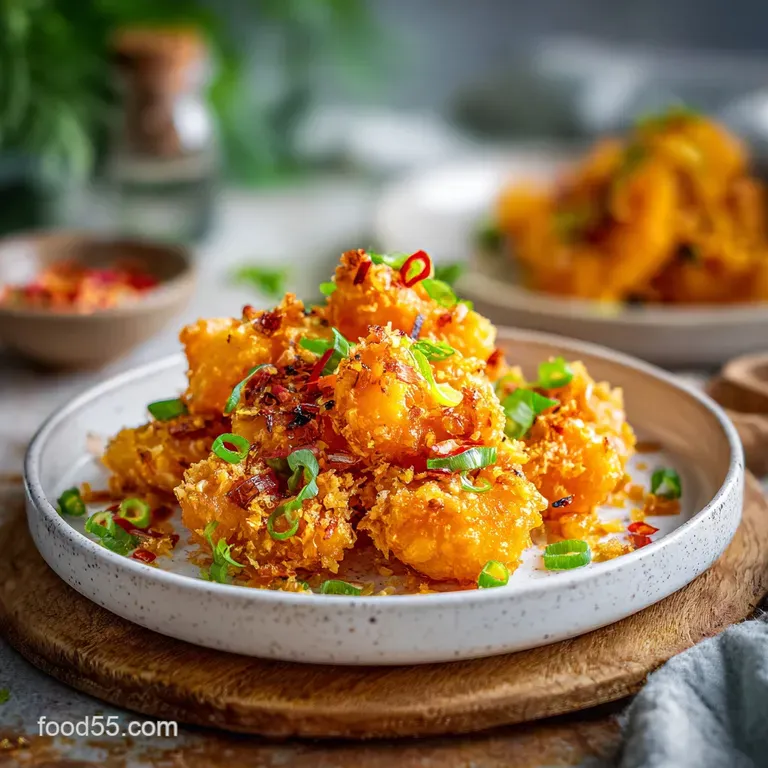
- Time: Active 15 minutes, Passive 10 minutes, Total 25 minutes
- Flavor/Texture Hook: Shatter crisp exterior with a velvety, spicy sweet glaze
- Perfect for: Modern dinner parties or an innovative weeknight treat
- The Science of Achieving a Shatter Crisp Golden Crust
- Precise Metrics for Your Batch of Bang Bang Shrimp
- Selecting Premium Components for the Perfect Flavor Balance
- The Essential Culinary Artist Toolkit for Superior Frying
- Master the Artistic Flow of Dips and Dredges
- Technical Precision to Prevent Soggy or Tough Results
- Creative Interpretations and Modern Fusion Flavor Variations
- Preserving the Structural Integrity of Your Leftover Shrimp
- Curating the Visual Composition of Your Final Plate
- Recipe FAQs
- 📝 Recipe Card
The Science of Achieving a Shatter Crisp Golden Crust
Ever wondered why some fried dishes go limp the second they hit the plate while others stay vocal and crunchy? It isn't just luck; it's a specific interaction between starch polymers and moisture.
When we use cornstarch instead of standard flour, we're choosing a high amylose content that creates a much more rigid, brittle structure once the water is driven out by the heat. This recipe focuses on that structural integrity, ensuring the "bang" isn't just in the spice, but in the audible crunch of the first bite.
The buttermilk serves a dual purpose that most people overlook. Aside from acting as a glue for our starch, the lactic acid in the buttermilk actually starts to gently break down the protein fibers on the surface of the shrimp. This results in a texture that is snappy and tender rather than chewy or rubbery.
When that cold, acid treated shrimp hits the 190°C oil, the moisture evaporates so violently that it creates tiny air pockets in the coating. Those microscopic craters are what give us that signature airy, crispy finish that refuses to get soggy, even under a blanket of sauce.
- High Starch Barrier: Cornstarch lacks the gluten found in flour, meaning the coating stays brittle and crisp rather than turning bread like or chewy.
- Thermal Shock Initiation: Using cold buttermilk against hot oil creates immediate steam expansion, which puffs the coating away from the protein for a lighter mouthfeel.
- Viscosity Control: The honey in the sauce acts as a stabilizer, helping the emulsion cling to the shrimp without soaking into the crust and ruining the crunch.
- Acidic Tenderization: The lime juice and buttermilk work in tandem to ensure the jumbo shrimp stay succulent throughout the over high heat flash fry.
| Cook Method | Time | Texture | Best For |
|---|---|---|---|
| Traditional Fry | 4 minutes | Maximum shatter crisp | Authentic experience |
| Air Fryer | 12 minutes | Drier, firm crunch | Health conscious days |
| Shallow Pan Fry | 6 minutes | Patchy but flavorful | Saving oil |
While the air fryer is a contemporary favorite, the traditional immersion fry is what truly captures the spirit of this dish. The rapid heat transfer of the oil at 190°C is what locks in the juices while carbonizing the exterior into that golden brown masterpiece we're after. If you're looking for a different vibe, these shrimp fajitas offer a smokier profile that’s just as vibrant.
Precise Metrics for Your Batch of Bang Bang Shrimp
Precision is the hallmark of a true culinary artist. When we talk about "jumbo" shrimp, we are looking specifically at the 16/20 count. This means you’ll get between 16 and 20 shrimp per pound (450g), which is the ideal surface area to volume ratio for this specific fry time.
Any smaller and the shrimp overcook before the crust turns golden; any larger and the center remains translucent while the outside burns.
The oil depth is equally critical. You need exactly 5cm (2 inches) of high smoke point oil. This depth ensures the shrimp are fully submerged, allowing for an even "flash" that surrounds the protein.
If the shrimp touch the bottom of the pan for too long, they develop "hot spots" that lead to uneven browning and a loss of that uniform, artistic aesthetic.
| Ingredient Component | Role in the Dish | Pro Secret |
|---|---|---|
| Cornstarch | Moisture wicking shield | Press it firmly until it looks chalky for the best grip |
| Thai Sweet Chili Sauce | Primary flavor base | Use a brand with visible chili flakes for visual texture |
| Buttermilk | Protein conditioner | Keep it ice cold until the very second you dip the shrimp |
| Honey | Emulsion stabilizer | It prevents the mayo from "breaking" when hitting the hot shrimp |
The interaction between the honey and the mayonnaise is where the velvety magic happens. Honey is an invert sugar, which means it helps keep the sauce silky and prevents it from separating into an oily mess when it meets the heat of the fried shrimp.
This small addition is what separates a mediocre sauce from a professional grade emulsion.
Selecting Premium Components for the Perfect Flavor Balance
Building this dish requires a focus on contrast hot and cold, sweet and spicy, crunchy and silky. I always tell my friends that the mayonnaise is the canvas; if you use a low quality, watery version, your sauce will slide right off.
Look for a heavy, egg rich mayonnaise that can hold its own against the acidity of the lime and the heat of the sriracha.
- 1/2 cup Quality Mayonnaise: The fat content here is non negotiable for that velvety mouthfeel.
- 1/4 cup Thai Sweet Chili Sauce: This provides the "sweet" in the sweet heat equation.
- 1 tbsp Sriracha: Add more if you want a ruby red glow to your sauce.
- 1 tsp Honey: Why this? It adds a floral sweetness and stabilizes the creamy emulsion.
- 1 tsp Freshly squeezed lime juice: This cuts through the heavy fats for a bright finish.
- 1 lb Jumbo Shrimp (16/20 count): Peeled and deveined, with tails removed for easy eating.
- 1/2 cup Buttermilk: Why this? The acidity tenderizes the shrimp while acting as a binding agent.
- 3/4 cup Cornstarch: This is the secret to a crust that shatters.
- 1/2 tsp Garlic powder: For a subtle savory depth in the coating.
- 1/2 tsp Smoked paprika: Adds a hint of color and a whisper of wood smoke.
- 2 cups High smoke point oil: Grapeseed or peanut oil works best for high temperature stability.
- Garnishes: 2 sliced green onions, 1 tbsp chopped cilantro, and 1 tsp toasted sesame seeds.
| Original Ingredient | Substitute | Why It Works |
|---|---|---|
| Buttermilk | Plain Yogurt + Milk | Similar acidity levels; slightly thicker cling to the shrimp |
| Sriracha | Chili Garlic Sauce | Adds a more textured, chunky heat to the sauce |
| Cornstarch | Potato Starch | Even crispier results, but the coating is more delicate |
Choosing potato starch is a fun variation if you want an even lighter, almost tempura like finish. However, cornstarch is my go to for that classic, sturdy "bang" that holds up against the heavy sauce. For those nights when only comfort food will do, a creamy alfredo is the way to go, but today we’re focusing on the art of the fry.
The Essential Culinary Artist Toolkit for Superior Frying
To execute this properly, you need tools that can handle high temperature fluctuations. A cast iron skillet is my preferred vessel because its thermal mass prevents the oil temperature from plummeting when the cold shrimp are added.
If the temperature drops too far, the shrimp will steam rather than fry, resulting in a greasy, soggy mess.
A wire rack is the unsung hero of this kitchen operation. Never, and I mean never, drain fried shrimp on paper towels. Paper towels trap steam underneath the shrimp, which immediately softens the bottom crust.
A wire rack allows air to circulate 360 degrees around the shrimp, preserving that hard won shatter crisp texture while the excess oil drips away.
Chef's Note: Use a digital clip on thermometer. Guessing oil temperature is the quickest way to ruin a pound of beautiful shrimp. We need that oil at exactly 190°C for the magic to happen.
Master the Artistic Flow of Dips and Dredges
- Whisk together the mayonnaise, sweet chili sauce, sriracha, honey, and lime juice in a glass bowl. Note: Using glass ensures no reactive metallic flavors interfere with the citrus.
- Pat the jumbo shrimp with paper towels until they are bone dry. Note: Surface moisture is the enemy of a good coating; it causes the breading to slough off.
- Submerge the dried shrimp into the cold buttermilk, ensuring every crevice is coated.
- Whisk the cornstarch, garlic powder, and smoked paprika in a shallow dish until the color is a pale, uniform peach.
- Lift the shrimp from the buttermilk and press them firmly into the starch. They should look completely chalky and dry.
- Heat your oil in a cast iron skillet to 190°C. You should see a slight shimmer on the surface.
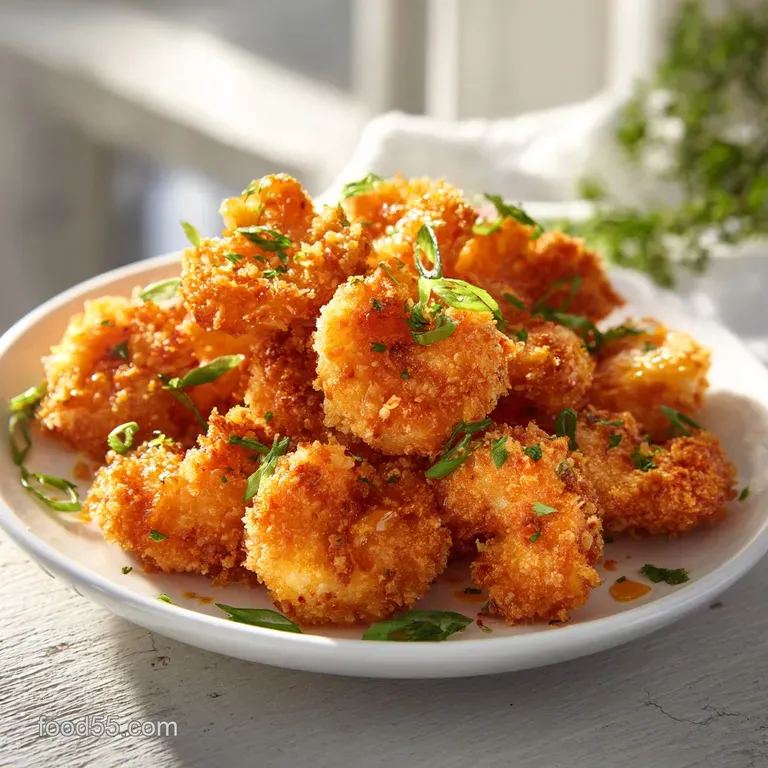
- Fry the shrimp in small batches for 2 minutes per side until they are golden brown and the coating looks rigid.
- Transfer the fried shrimp to a wire rack for 30 seconds to drain.
- Toss the hot shrimp in the sauce immediately until they glisten with a velvety orange sheen.
- Scatter the green onions, cilantro, and sesame seeds over the top while the sauce is still tacky.
Technical Precision to Prevent Soggy or Tough Results
The most common heartache with this recipe is a coating that falls off or a texture that feels more like a wet sponge than a crispy appetizer. Usually, this comes down to "The Steam Effect." If you don't pat the shrimp dry before the buttermilk dip, the water on the shrimp creates a barrier of steam during frying that literally pushes the coating away from the meat.
Another pitfall is overcrowding the pan. When you add too many shrimp at once, you’re essentially dropping a bunch of ice cubes into your hot oil. The temperature will tank, and instead of a flash fry, you get a slow poach in oil.
Work in batches of no more than five or six shrimp to keep that sizzle aggressive and the texture light.
Preventing The "Soggy Bottom" Syndrome
If your shrimp are crispy on top but mushy underneath, check your draining method. As mentioned, the wire rack is vital. If you toss the shrimp in the sauce and then let them sit for twenty minutes, the moisture in the sauce will eventually win the battle against the starch.
This dish is a "serve immediately" masterpiece.
Managing Oil Temperature Fluctuations
If the oil is too hot (above 200°C), the honey and sugars in the starch (from any residue) will burn before the shrimp is opaque. If it's too low (below 175°C), the oil will seep into the crust.
Maintaining that 190°C sweet spot is the difference between a greasy shrimp and a clean, crisp bite.
| Problem | Root Cause | Solution |
|---|---|---|
| Coating is falling off | Shrimp were too wet before dredging | Pat dry with multiple paper towels until sticky |
| Shrimp is tough/chewy | Overcooked beyond the 4 minute mark | Remove as soon as they reach a golden brown hue |
| Sauce is too runny | Too much lime juice or low-fat mayo | Whisk in an extra teaspoon of honey to thicken |
Common Mistakes Checklist
- ✓ Skip the paper towel drain; always use a wire rack to prevent steaming.
- ✓ Never use frozen shrimp that haven't been fully thawed and patted dry.
- ✓ Avoid low-fat mayonnaise, as it lacks the emulsifiers needed to cling to the heat.
- ✓ Check that your oil has returned to 190°C between every single batch.
- ✓ Remove the tails; the "bang bang" experience is meant to be a seamless, one bite affair.
Creative Interpretations and Modern Fusion Flavor Variations
While the classic version is hard to beat, the beauty of this sauce is its versatility. I’ve seen culinary artists turn this into a full meal by tossing the shrimp with linguine, using the sauce as a spicy alfredo base.
The starch from the pasta water helps the creamy sauce bind to the noodles, creating a "Bang Bang Pasta" that is absolutely addictive.
If you’re looking for a lighter, more vibrant presentation, the "Bang Bang Bowl" is the way to go. Use a base of cilantro lime rice and top it with the saucy shrimp, shredded purple cabbage for color, and sliced avocado for a cooling contrast.
It’s a modern take that feels more like a complete, balanced dish.
- Bang Bang Shrimp Tacos: Serve in charred flour tortillas with a zesty slaw.
- The Low Carb Swap: Use almond flour for the dredge and air fry; it’s denser but delicious.
- Spicy Jerk Twist: Add a teaspoon of jerk seasoning to the cornstarch for a Caribbean fusion vibe.
| Feature | Fresh Shrimp | Pre Breaded Shortcut |
|---|---|---|
| Texture | Shatter crisp, airy | Heavy, doughy |
| Flavor | Bright, customizable | Salty, generic |
| Effort | 25 minutes | 10 minutes |
Preserving the Structural Integrity of Your Leftover Shrimp
Let's be honest: fried shrimp are at their peak for about ten minutes after they leave the oil. However, if you do have leftovers, the fridge is your friend for up to 2 days. The key is to store the sauce and the shrimp separately if you're planning ahead, but if they're already tossed, don't lose hope.
To reheat, avoid the microwave at all costs. The microwave will turn your shrimp into rubber pellets. Instead, use an oven or an air fryer set to 180°C for about 4-5 minutes.
This will help re crisp the starch as much as possible, though the sauce will have absorbed into the crust by then. It becomes more of a "glased shrimp" than a "crispy shrimp," but the flavor remains top tier.
For a zero waste approach, use any leftover sauce as a spread for a fried chicken sandwich or a dip for roasted potatoes. The honey and sriracha combo is a universal flavor enhancer. If you have extra cilantro or green onions, blend them into a quick herb oil to drizzle over your next meal.
Curating the Visual Composition of Your Final Plate
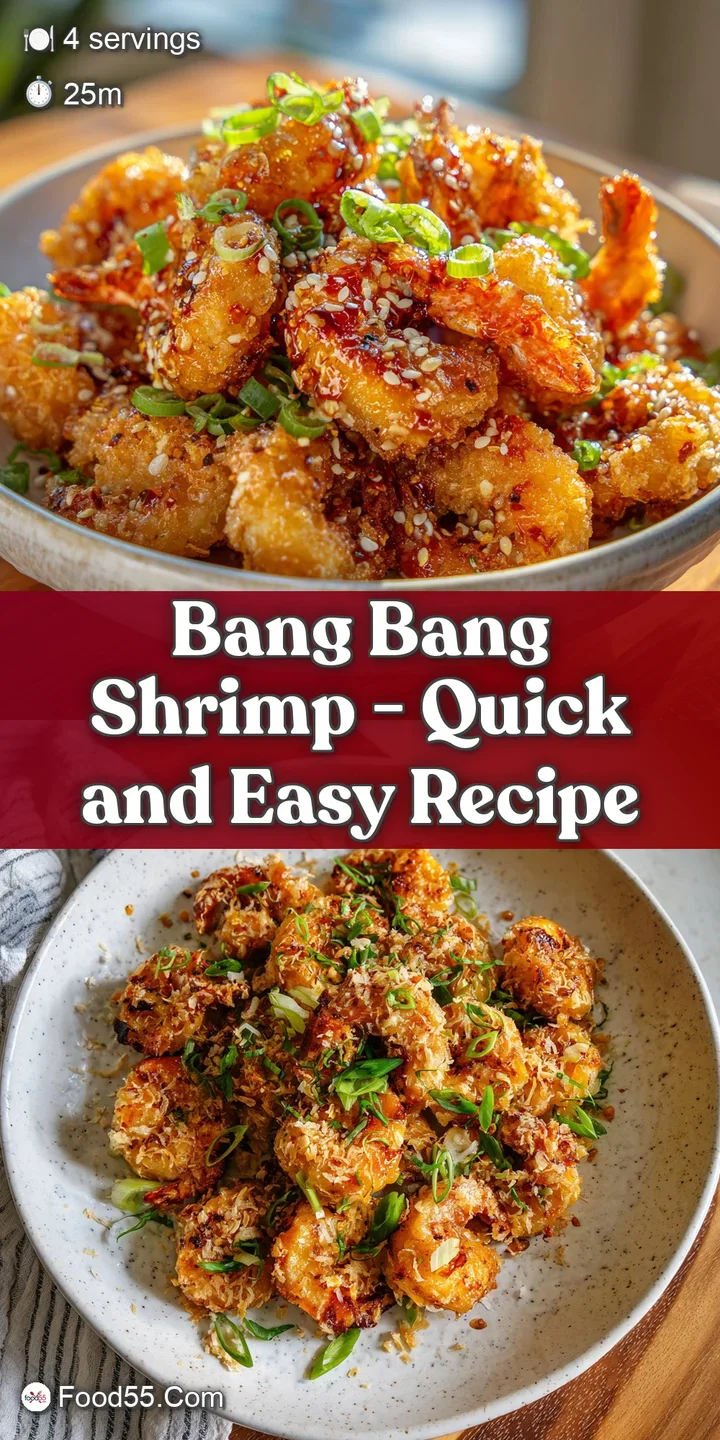
Presentation is where we bridge the gap between home cook and culinary artist. This dish is naturally monochromatic a sea of orange and gold. To make it pop, we use color theory. We need three specific color accents to create a balanced, professional look that invites the diner in.
First, we use Emerald Green from the thinly sliced green onions and cilantro. This provides a cooling visual contrast to the "hot" orange of the sauce. Second, we look for Ruby Red.
I like to drizzle a few extra dots of Sriracha over the final plated shrimp to create a multi tonal red orange effect. Finally, we add Toasted Ivory with the sesame seeds. These tiny dots of white break up the heavy colors and add a sophisticated, finished feel.
- Accents: Add the green onions first for a base layer of color.
- Height: Stack the shrimp in a pyramid shape rather than spreading them flat; height creates drama.
- Negative Space: Use a wide, dark plate to let the vibrant orange of the Bang Bang Shrimp truly stand out.
The toasted sesame seeds aren't just for looks; they provide a tiny, nutty crunch that complements the honey in the sauce. When you scatter them, do it from a height of about 30cm (12 inches) to ensure an even, artistic distribution rather than a clump in the center.
Trust me, the extra effort in the garnish is what makes your friends pull out their phones to take a photo before they even pick up a fork.
Recipe FAQs
What is Bang Bang Shrimp?
It is a popular appetizer featuring crispy fried shrimp tossed in a creamy, sweet, and spicy sauce. The dish relies on a cornstarch coating to achieve a light, shatteringly crisp texture that holds the thick sauce perfectly.
What is Bang Bang Shrimp sauce made of?
The sauce is a simple emulsion of quality mayonnaise, Thai sweet chili sauce, sriracha, honey, and fresh lime juice. If you enjoyed mastering this flavor balancing act, see how we apply the same principles to our creamy sauce base in other seafood dishes.
What is the difference between boom boom shrimp and Bang Bang Shrimp?
The primary difference lies in the sauce composition. While both are fried, Bang Bang sauce specifically requires the sweet chili and sriracha blend, whereas "boom boom" versions often lean more heavily on mustard or garlic based aiolis.
What restaurant is known for its Bang Bang Shrimp?
Bonefish Grill is the original restaurant credited with popularizing this dish. It became a signature menu item due to the contrast between the hot, crunchy exterior and the cool, tangy sauce.
Is it true I should use flour instead of cornstarch for the breading?
No, this is a common misconception. Cornstarch is essential here because it creates a thinner, crunchier crust that doesn't absorb the sauce as quickly as flour, keeping your shrimp crisp until the very last bite.
How to prevent the shrimp from getting soggy?
Pat the shrimp extremely dry with paper towels and drain them on a wire rack instead of paper towels. Using a wire rack allows air to circulate underneath the shrimp, preventing them from steaming and losing their crunch while you finish frying remaining batches.
How to ensure the coating sticks to the shrimp?
Submerge the shrimp fully in buttermilk before pressing them firmly into the cornstarch mixture. You want the cornstarch to look chalky and dry before you drop them into the 375°F (190°C) oil to ensure the batter sets instantly.
Crispy Bang Bang Shrimp
Ingredients:
Instructions:
Nutrition Facts:
| Calories | 509 kcal |
|---|---|
| Protein | 23.5 g |
| Fat | 33.4 g |
| Carbs | 28.1 g |
| Fiber | 0.6 g |
| Sugar | 12.4 g |
| Sodium | 685 mg |
